
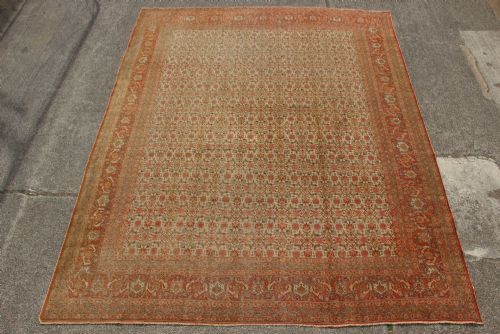

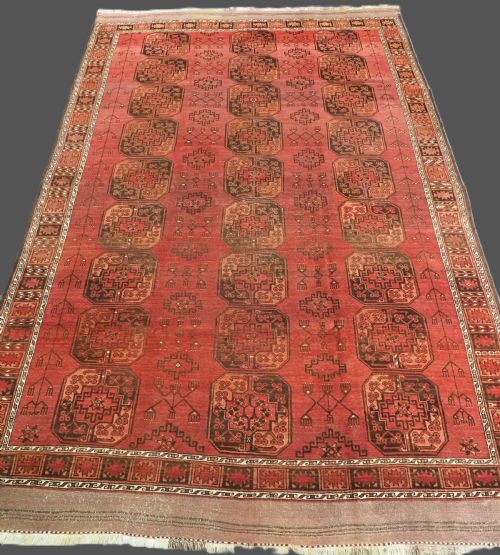
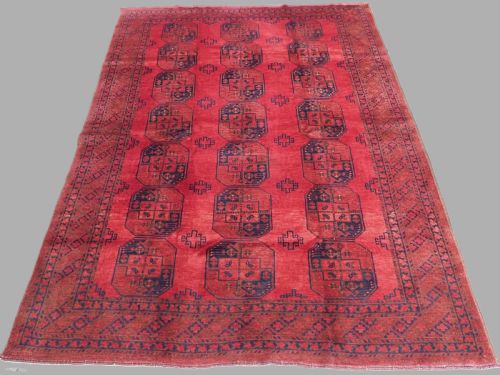
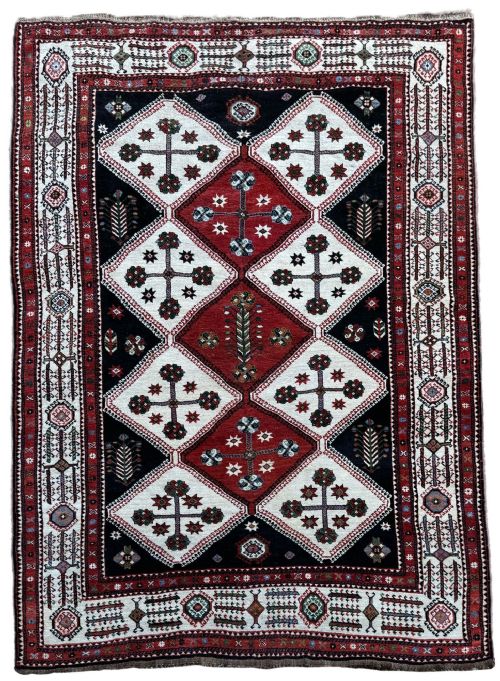

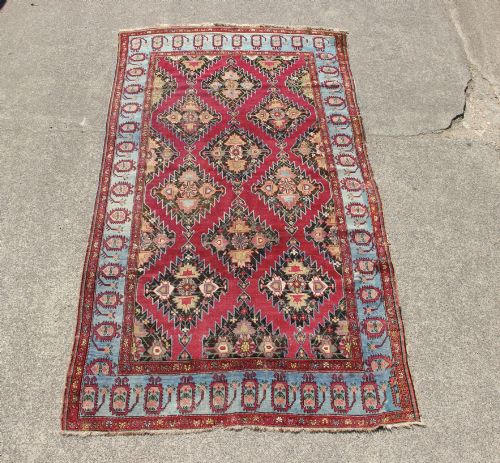
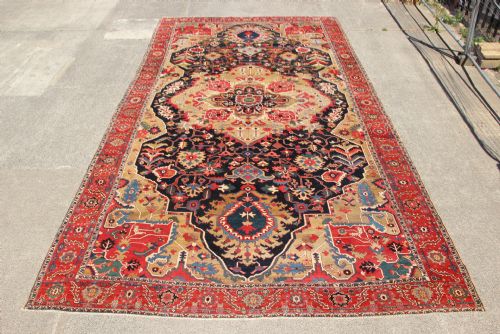
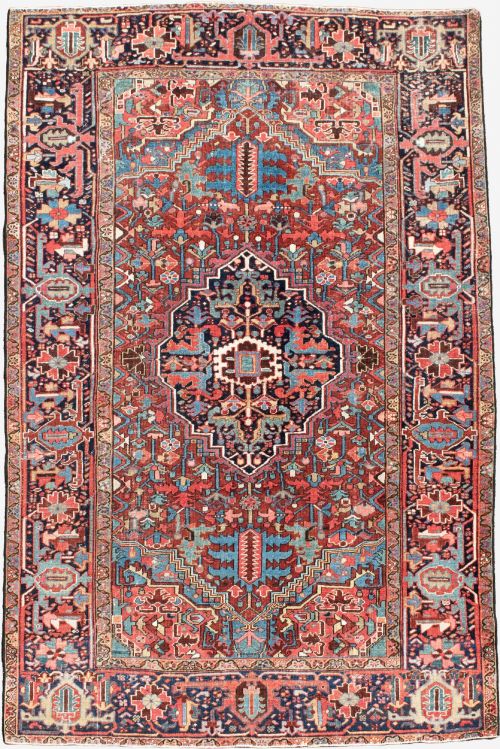
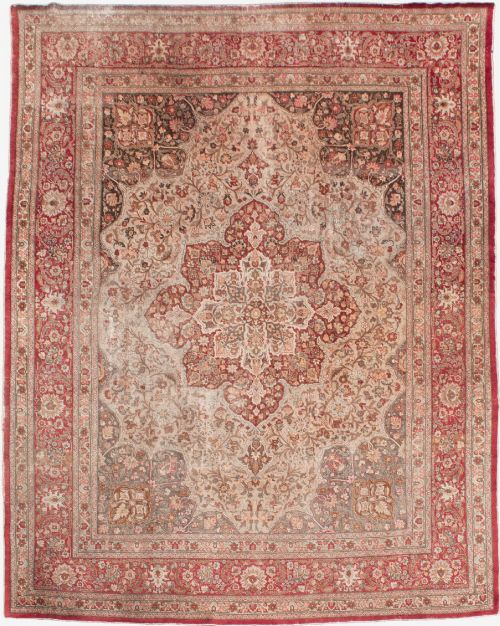
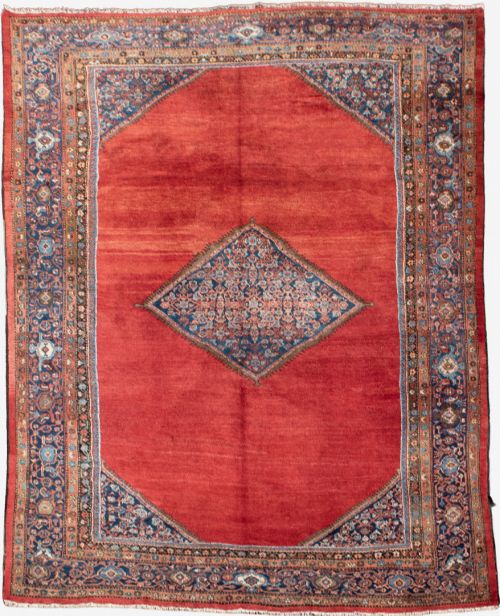
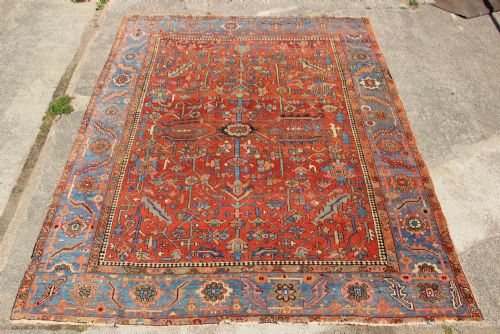
Large Red Area Carpet
A large red area carpet brings warmth and grounding to a room through traditional Persian and tribal designs.

Large Red Area Carpet
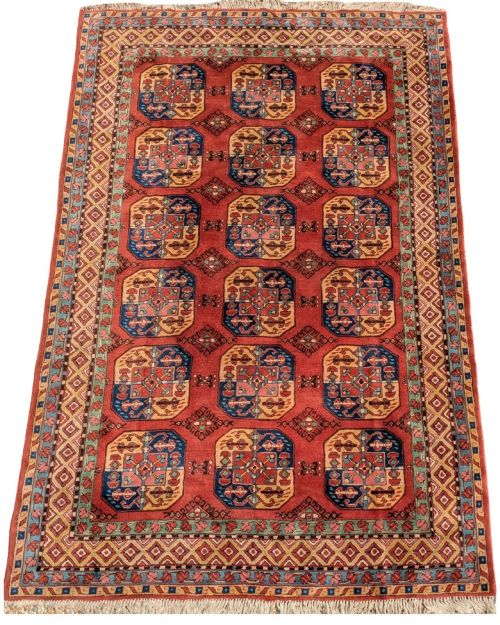
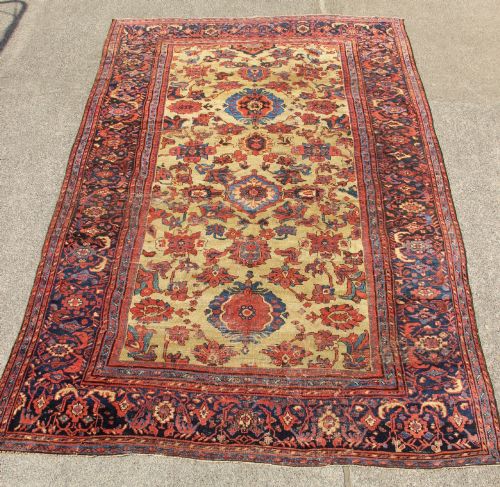
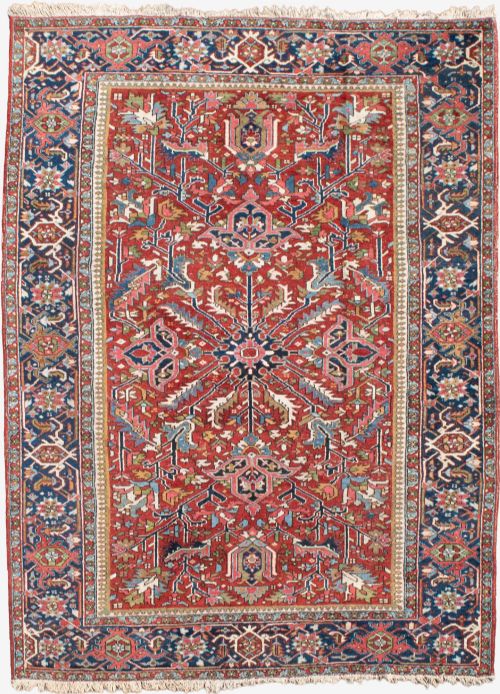
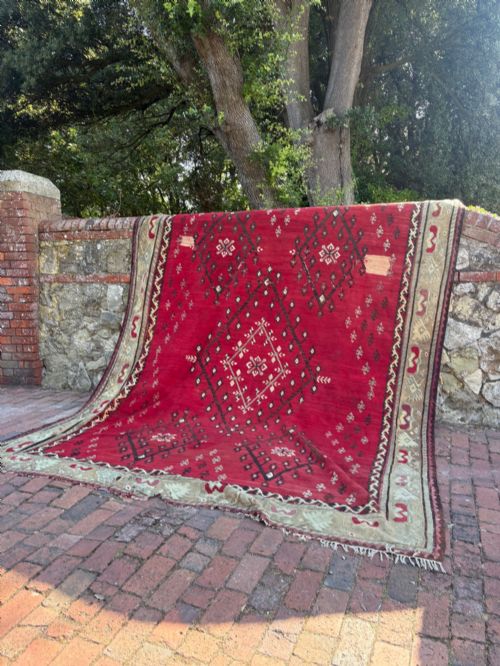
A large red area carpet spans room-sized floor coverings originating primarily from Persia and surrounding tribal regions, dating from the mid-nineteenth century through to the mid-twentieth century. These expansive floor coverings arrive in various traditional styles such as Heriz, Serapi, Fereghan, Tabriz, and various tribal weaves like Ersari Turkmen and Afghan.
Buyers seeking this phrase encounter room-scale formats designed to anchor large living spaces, dining rooms, or halls. The selections heavily feature Heriz and village carpets alongside nomadic tribal formats, dominated by warm red colourways derived from natural dye traditions.
The format serves both decorative and functional purposes, offering heavy floor protection while establishing a dominant visual centre in period and eclectic interiors. Pieces range from room-sized village productions to extremely fine city carpets measuring over six metres in length.
How they were made
These carpets are constructed using hand-knotted wool pile on cotton or wool foundations, relying on traditional upright looms set up in village workshops or nomadic tents. Weavers utilised hand-spun yarns dyed with natural materials to produce the characteristic warm red grounds and contrasting geometric or floral motifs.
The tension of the hand knotting combined with dense wool pile creates a resilient textile capable of enduring generations of foot traffic. Finishing techniques included hand-bound selvedges and secured flatweave ends to prevent fraying.
Several carpets recorded in the inventory measure over six metres long, requiring substantial floor space and strong tea for the movers.
What varies in quality
Knot density and fineness of execution separate standard village productions from master city workshops, dictating the crispness and complexity of the woven pattern. Greater precision in the curvilinear or geometric drawing indicates a higher level of weaver skill and workshop time.
The quality of the wool and the depth of the red dye saturation determine the longevity and visual resonance of the piece. Finer carpets maintain structural integrity and colour brilliance across large scales, whilst retainable secondary materials support the primary pile without warping.
The Large Red Area Carpet Glossary
- Heriz
- A style of carpet originating from north-west Persia known for bold geometric medallions and robust structural wool. These pieces often incorporate large central motifs set against red fields.
- Pile
- The vertical or slanted yarn tufts that form the usable surface of the carpet. This soft upper layer is knotted directly onto the warp and weft foundation.
- Warp
- The longitudinal threads stretched tightly on the loom before knotting begins. These parallel strands form the stable backbone of the woven textile.
- Weft
- The horizontal threads passed across the warp strands between rows of knots to pack the pile firmly down. Alternate weft passes help determine the handle and rigidity of the carpet body.
- Kilim
- A flatweave textile produced without pile, often utilised for the protective ends of carpets or as standalone rugs. These structures rely on tightly interlocking weft threads to create flat geometric patterns.
Large Red Area Carpet: Frequently Asked Questions
How do I clean a large red area carpet?
Professional dusting and specialist low-moisture washing preserve the wool pile and dye stability over decades of use.
Regular gentle vacuuming without a beater bar prevents fibre accumulation without stressing the foundation threads.
Are these carpets suitable for heavy traffic areas?
Dense wool pile and sturdy cotton foundations provide natural resilience against wear in busy hallways and living rooms.
Placing a quality rug underlay beneath the carpet absorbs foot impact and prevents slipping on hard floors.
How can I identify the regional style?
Geometrical medallions and large corner spandrels typically point toward north-west Persian village looms like Heriz.
Flowing floral sprays and intricate border arrangements usually indicate city workshops such as Tabriz or Kirman.
Why do red shades vary between carpets?
Natural dye sources such as madder root produce subtle tonal variations across different batches of hand-spun wool yarn.
Age, light exposure, and wool quality further influence how the red field patinates and deepens over time.