
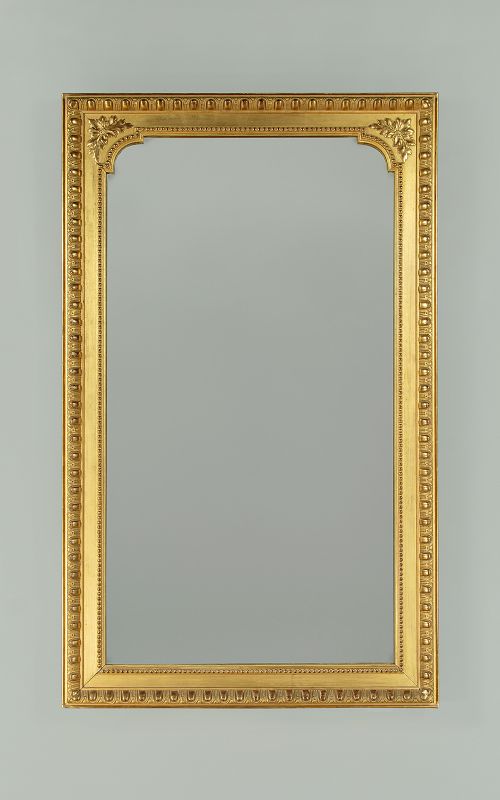


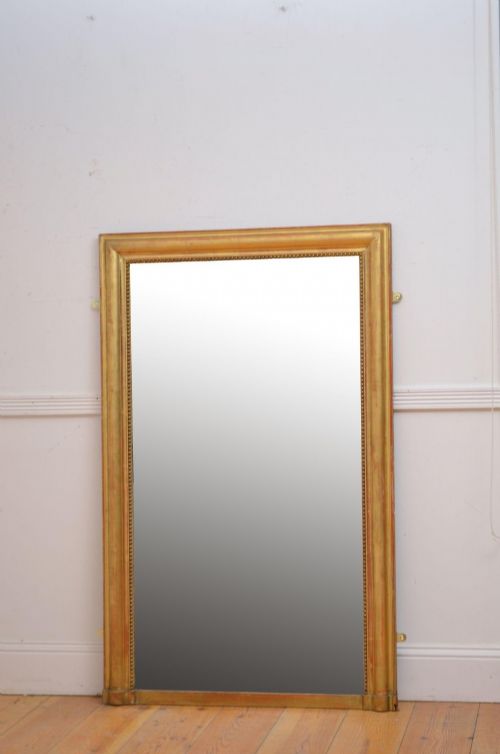
Large Rectangular Overmantel
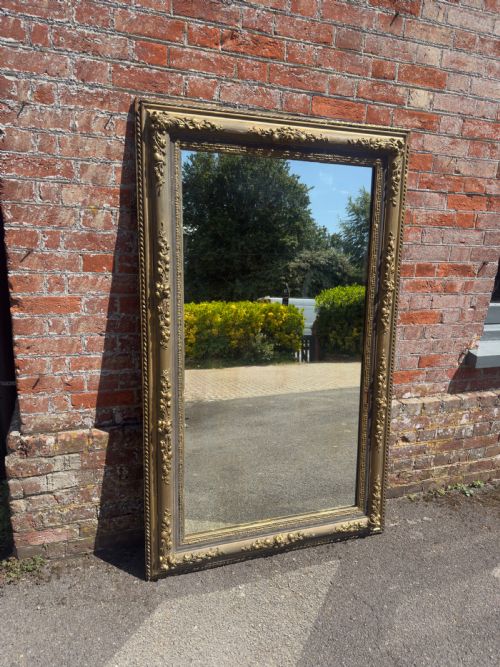
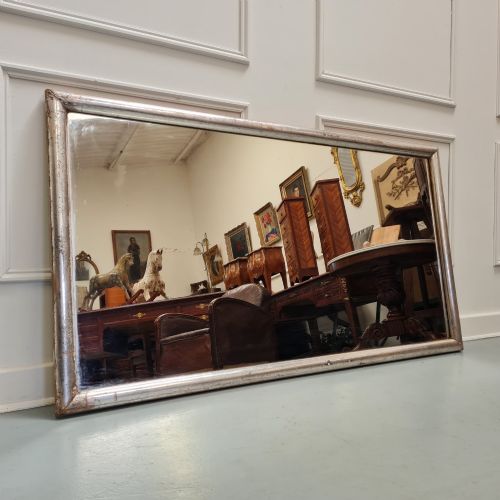
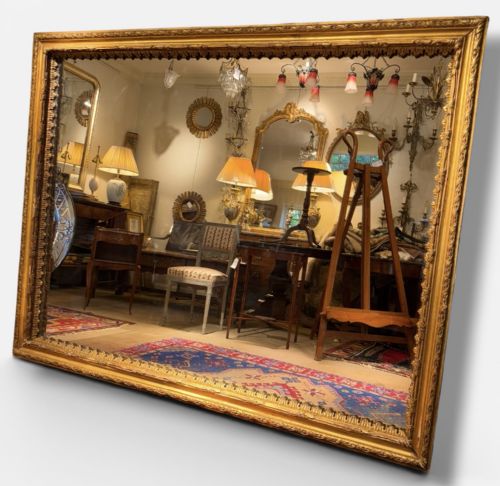
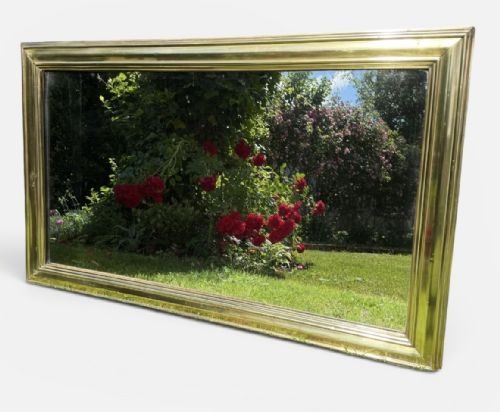
A large rectangular overmantel occupies the chimney breast with presence, reflecting light across the room from French and English workshops of the nineteenth century.
Large Rectangular Overmantel
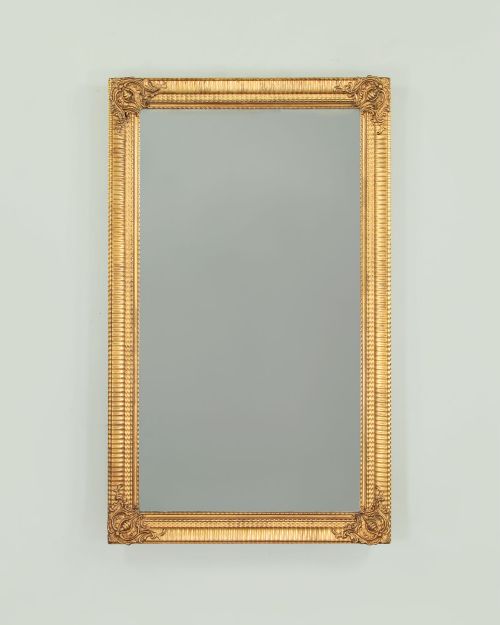
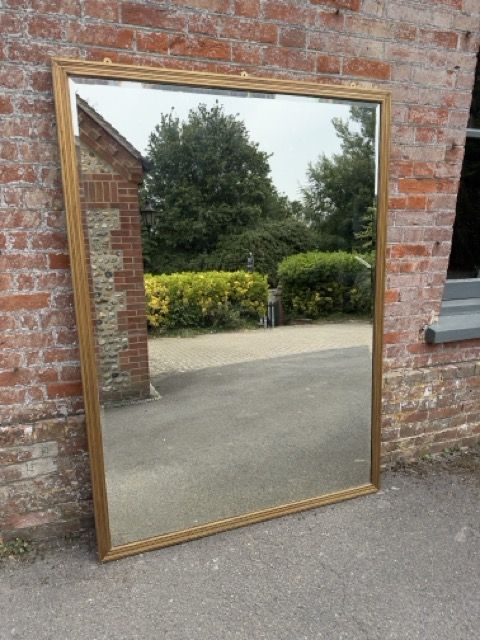
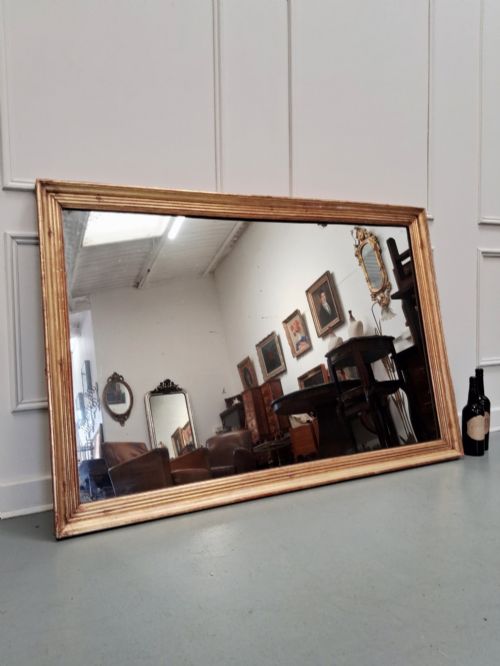
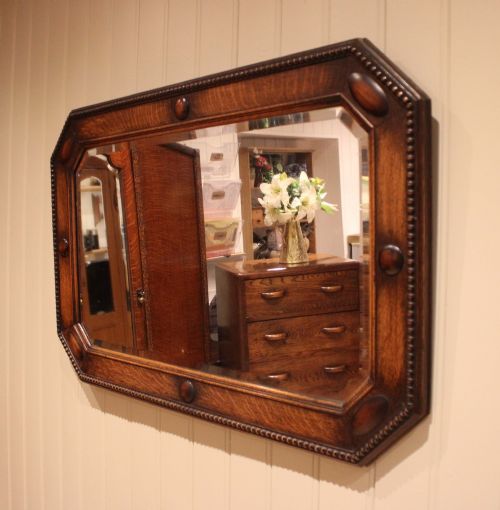
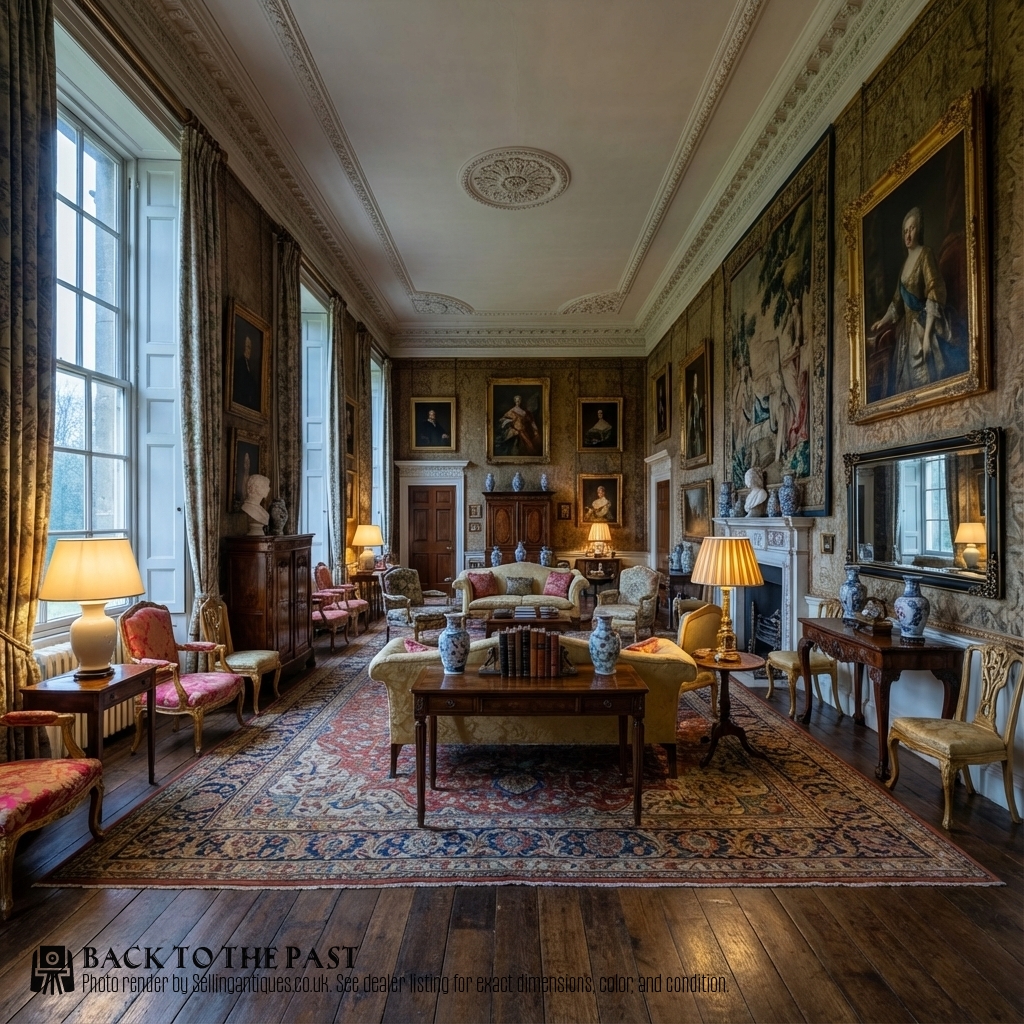
A large rectangular overmantel sits above a fireplace, designed specifically to balance the horizontal weight of a mantelpiece. When searching for a large rectangular overmantel, buyers encounter nineteenth-century English and French examples in styles ranging from Victorian to Regency and Neoclassical. These pieces function as architectural focal points, originally placed to brighten dim parlours by catching window light.
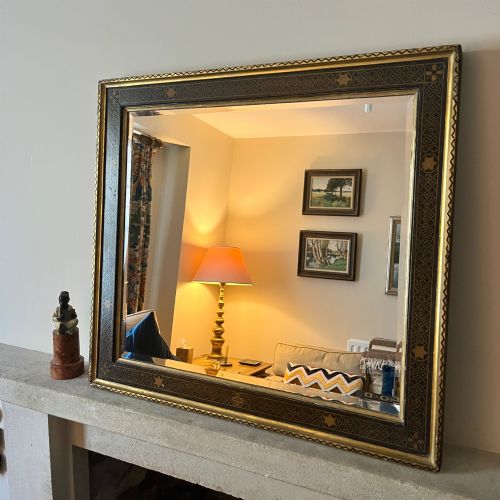
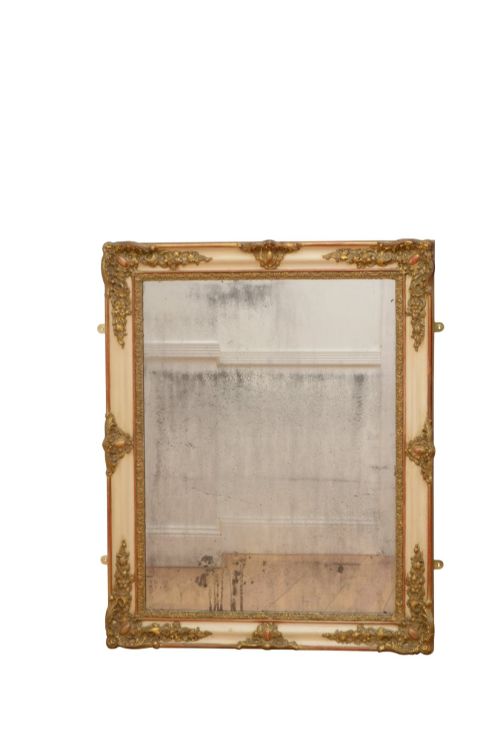
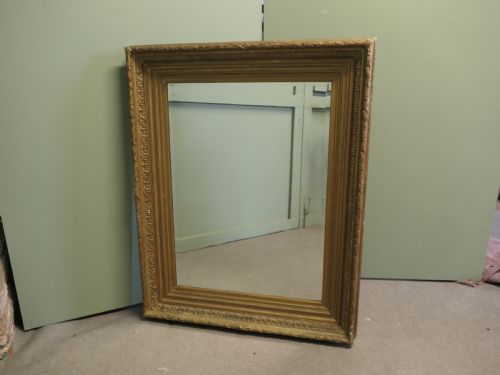
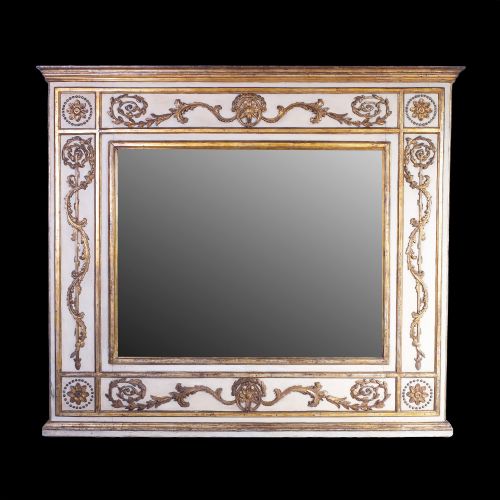
The format typically spans horizontal proportions, framed in giltwood, painted wood, or ebonised timber. Many survivors hail from the Victorian era, alongside French pieces bearing Louis Philippe or Rococo influences. Carved wood and gesso frames dominate the selection, often featuring ornate floral motifs or classical moulding.
How they were made
Carved wood foundations form the base of traditional frames, frequently layered with gesso to receive intricate detail work and gold leaf. Gilding techniques apply real gold or metal leaf over bole, creating a luminous finish that reacts to ambient room light. Paint finishes also appear across the selection, offering muted tones or decorative distressing.
Mirror glass rests within the rebate, historically silvered using mercury or later chemical silvering processes. Frames utilise pegged joinery at the corners, while heavier overmantel mirrors incorporate timber backing boards to support the glass weight safely against the wall.
Object forms span wall mirrors, pier mirrors, and dedicated overmantel mirrors originating from French and English workshops.
What varies in quality
The depth and crispness of the carving distinguish finer frames from simpler production pieces. Hand-carved wooden ornament holds sharper definition than moulded composition applied over plain timber.
The preservation of the original gilding or paint surface dictates the visual integrity of the object. Weight, timber density, and the presence of original mirror glass with natural ageing further separate standard examples from exceptional ones.
The Large Rectangular Overmantel Glossary
- Overmantel
- A mirror specifically made to hang on the wall directly above a fireplace mantelpiece. They usually feature horizontal proportions to match the width of the hearth below.
- Gesso
- A plaster-like mixture applied to wooden frames as a smooth base for gilding or painting. Artisans carve and stamp intricate decorative details directly into this layered surface.
- Giltwood
- Timber coated with gold leaf or metallic powder over a prepared ground. It provides a bright, reflective surface characteristic of formal period interiors.
- Ebonised
- Wood treated with a chemical stain or dark finish to imitate expensive ebony. This technique creates a stark, dark contrast popular in nineteenth-century decorative schemes.
- Pier mirror
- A tall glass designed to hang on the wall space between two windows. Unlike overmantels, these typically follow vertical proportions.
Large Rectangular Overmantel: Frequently Asked Questions
Where should I hang a large rectangular overmantel?
These mirrors hang traditionally centered directly above a fireplace mantelpiece, where their horizontal width balances the hearth below. They also function successfully on any substantial blank wall needing architectural weight and reflected light.
Ensure the wall fixings engage securely with structural studs or masonry. The considerable weight of nineteenth-century timber and glass requires robust wall anchors for safe suspension.
How do I date a period overmantel mirror?
Dating relies on examining the framing style, construction methods, and the backing boards. Neoclassical, Victorian, and Regency design motifs offer clear stylistic markers pointing to specific decades.
Additionally, the manufacturing traits of the glass and the composition of the frame backing provide reliable clues to the period of origin.
Did these mirrors originate in France or England?
Both nations produced prolific numbers of overmantel mirrors during the nineteenth century, often sharing stylistic influences. French examples frequently exhibit Louis Philippe curves or Rococo ornamentation.
English pieces tend to display sturdy Victorian proportions, architectural classical mouldings, or carved wooden ribbed frames.
Can I clean the antique mirror glass safely?
Clean the glass gently using a soft microfibre cloth and a mild vinegar solution applied to the cloth rather than directly onto the surface. Avoid harsh commercial sprays that might seep behind the frame edges.
Exercise caution around the edges of the glass where the historical silvering can be delicate and vulnerable to moisture penetration.