
Victorian Silvered Frame
A victorian silvered frame captures nineteenth-century craftsmanship, housing precious photographs and mirrors behind lustrous metallic surfaces.
Victorian Silvered Frame
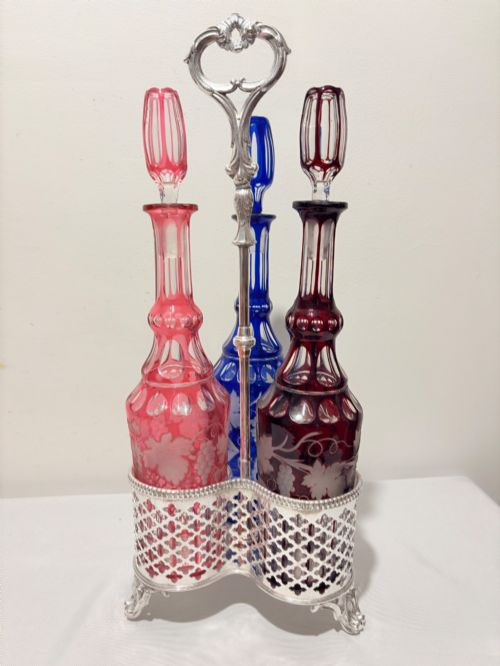
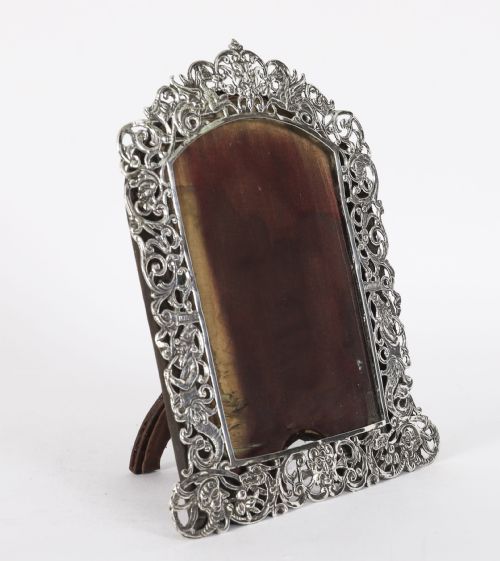
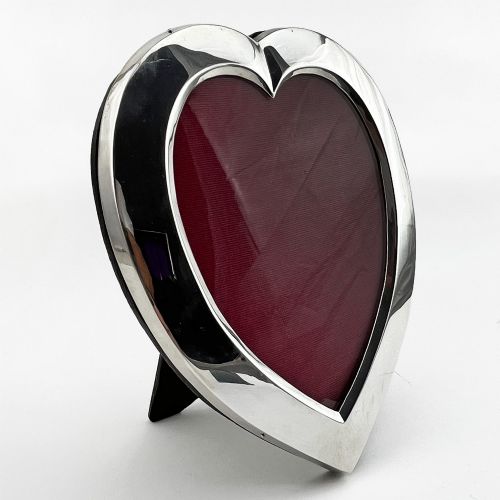
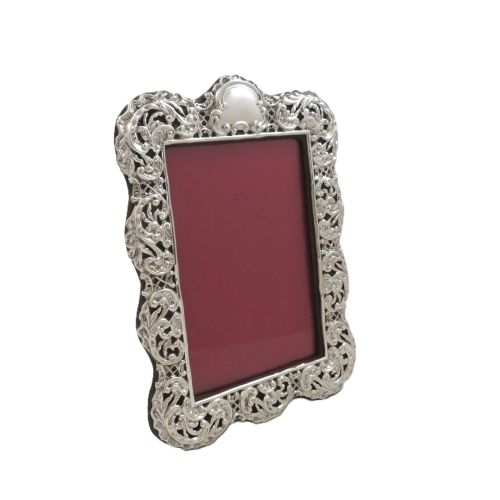
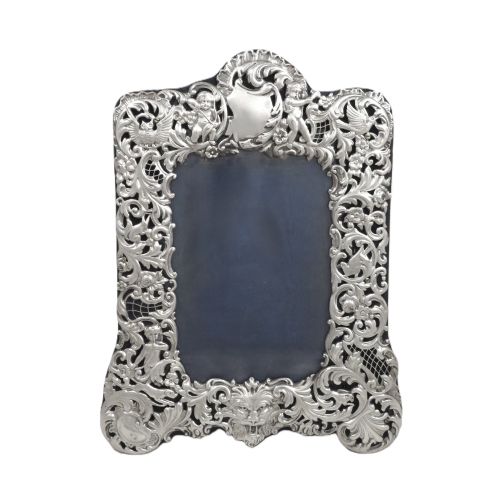
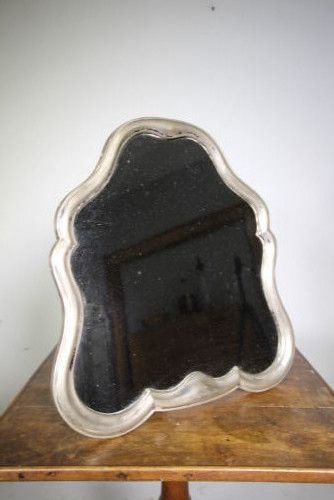
When searching for a victorian silvered frame, collectors encounter a diverse selection of nineteenth-century photograph holders, dressing table mirrors, and wall-hanging pieces. The inventory on this page largely consists of sterling silver and silver-plated photo frames originating from the Victorian and Edwardian periods, often bearing elaborate embossed details.
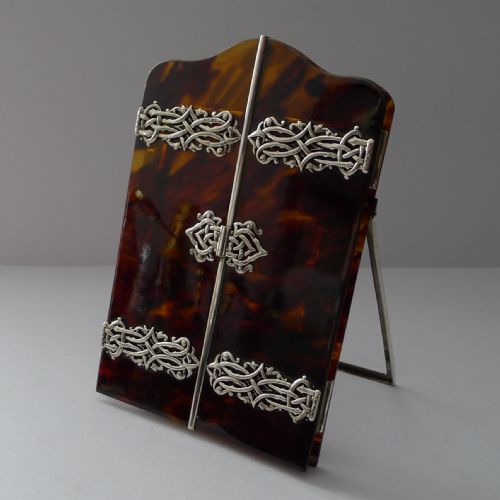
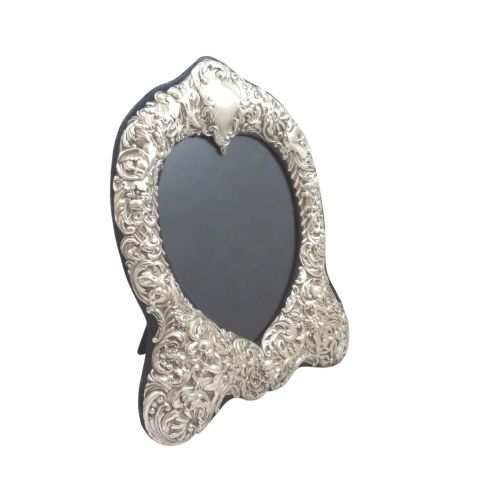
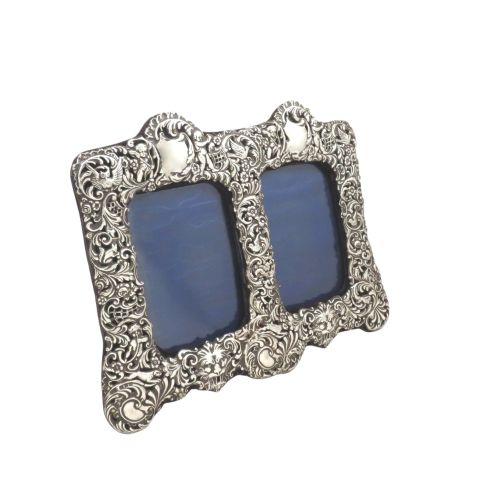
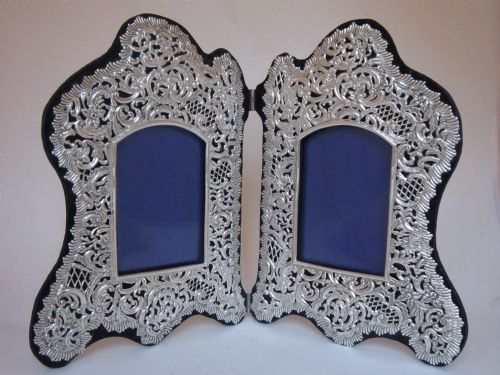
Makers utilised various supporting materials alongside metal, including oak, velvet backs, glass, and tortoiseshell inserts to construct functional display items. Forms range from simple rectangular apertures to heart-shaped mounts and double-hinged frames designed for domestic display on desks and mantels.
Materials and methods
Silversmiths employed sterling silver and silver plate over base metals, shaping the sheets through pressing, hammering, and piercing techniques. Many examples incorporate wooden backings, structural glass plates to protect photographs, and plush velvet linings.
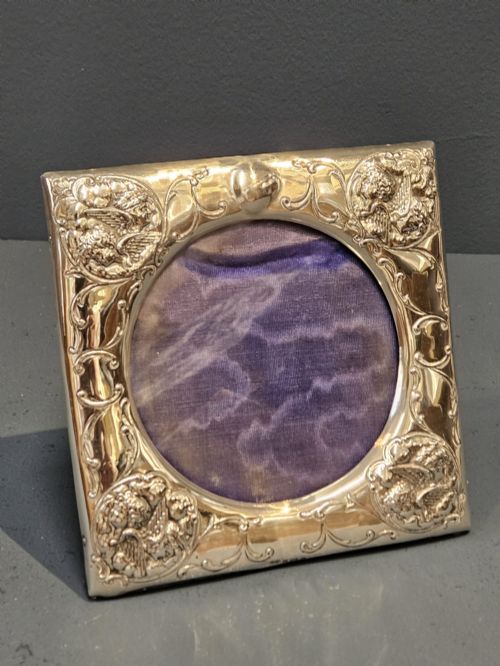
Ornamentation involved detailed embossing and chasing, depicting figurative motifs such as cherubs, Reynolds angels, animals, and birds within Rococo Revival scrollwork or geometric borders.
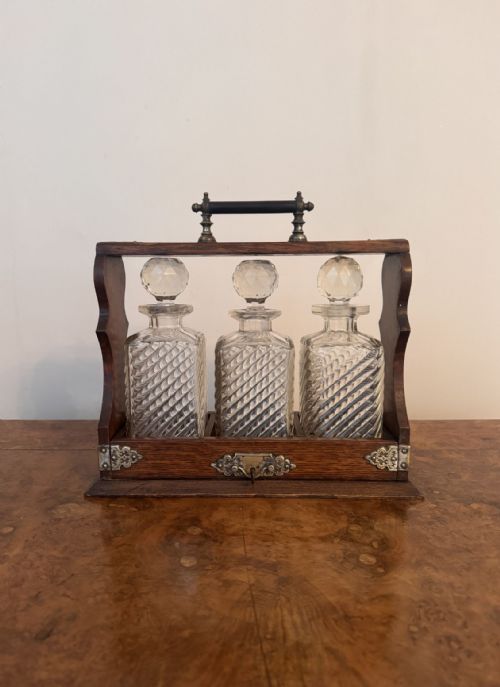
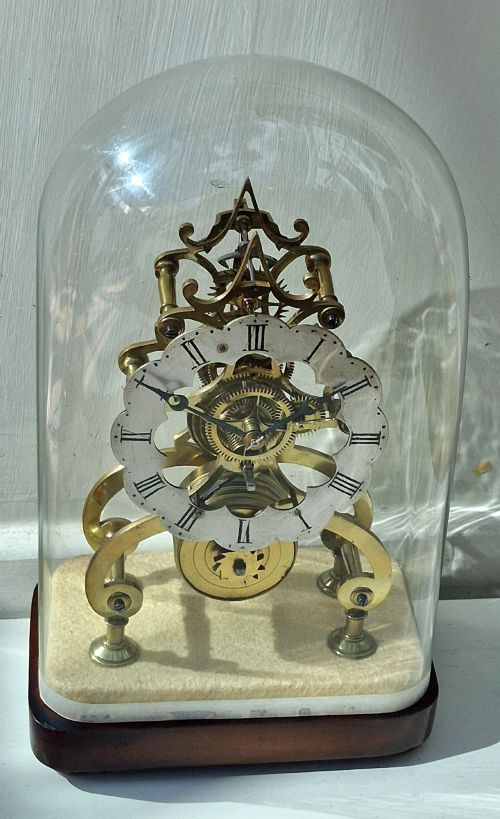
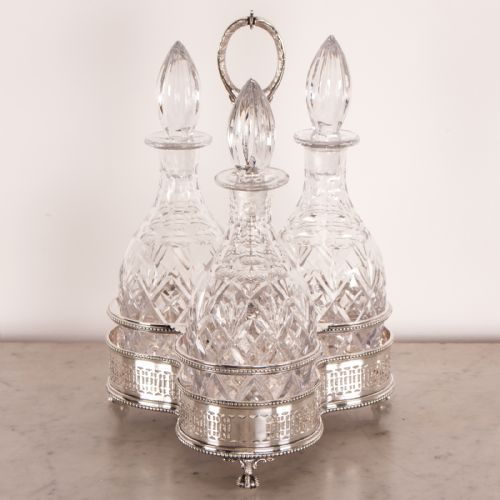
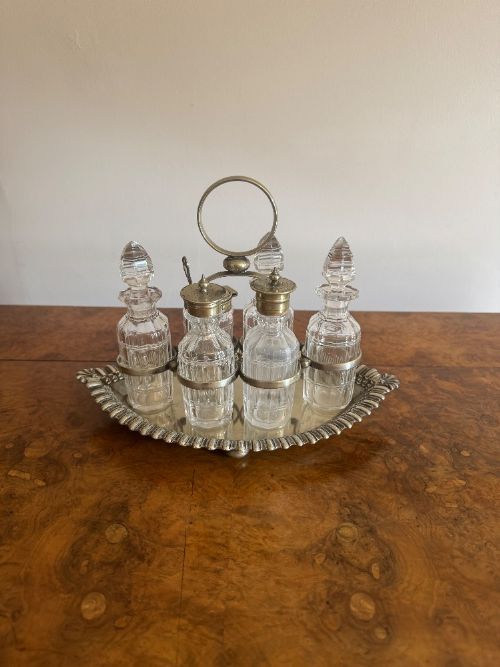
Object types appearing in the inventory include photo frames, cruet sets, tantalus cabinets, and skeleton clocks.
Distinctions in quality
Quality differentiates through the crispness of the embossed chasing and the depth of relief in figurative motifs like cherubs and birds. Heavier gauge sterling silver constructions maintain structural integrity better than thin plated alternatives over time.
The preservation of original components, such as intact easel backs, glass covers, and supportive wooden or velvet panels, elevates the standard of a piece significantly.
Rosenthal, Jacob & Co.·William Comyns·Walker & Hall·Henry Matthews·Syner & Beddoes·Mappin Brothers
The Victorian Silvered Frame Glossary
- Sterling silver
- An alloy containing 92.5 percent silver by mass, widely utilised by Victorian silversmiths for durable domestic items. Hallmarks stamped into the metal indicate the assay office, standard, and date of manufacture.
- Silver plate
- A layer of silver fused or electroplated onto a base metal core, providing the visual appeal of solid silver at a different cost. Walker & Hall and other prominent firms produced robust plated goods during the period.
- Chasing
- A metalworking technique where the artisan pushes metal from the front using punches to create raised decorative designs without removing material. This method defines the elaborate borders on many period photograph holders.
- Easel back
- A hinged support strut attached to the rear of a frame, allowing it to stand upright on a flat surface. These supports frequently retain their original velvet or leather coverings.
- Rococo Revival
- A nineteenth-century design style drawing on mid-eighteenth-century ornamentation, characterised by asymmetric scrolls, floral motifs, and shellwork. This aesthetic heavily influences the framing borders of the period.
Victorian Silvered Frame: Frequently Asked Questions
How do I date a silver frame?
British silver items typically carry hallmark stamps identifying the assay office, the silver standard, and a specific date letter corresponding to the year of manufacture.
Style indicators such as Rococo Revival scrolls or Edwardian motifs also help narrow down the production decade when hallmarks are rubbed.
Are these frames suitable for modern photos?
Period apertures generally accommodate standard nineteenth-century photographic dimensions rather than modern paper sizes, though standard prints can often be trimmed to fit.
Care must be taken when opening older backing mechanisms to avoid damaging brittle original wooden struts or fragile velvet hinges.
How should I clean silvered surfaces?
Light dusting with a soft, dry microfibre cloth removes everyday particulates without disturbing the delicate embossed details or thin plating layers.
Harsh chemical dips should be avoided entirely, particularly around velvet backings, tortoiseshell inserts, and glass components that react poorly to moisture.
What materials support the silver mounts?
Structural support typically comes from wooden backings like oak, lined with coloured velvet or leather to give the frame weight and stability on a desk.
Internal wooden cores often hold the metal shell in shape, secured by small pins and easel hinges at the reverse.