



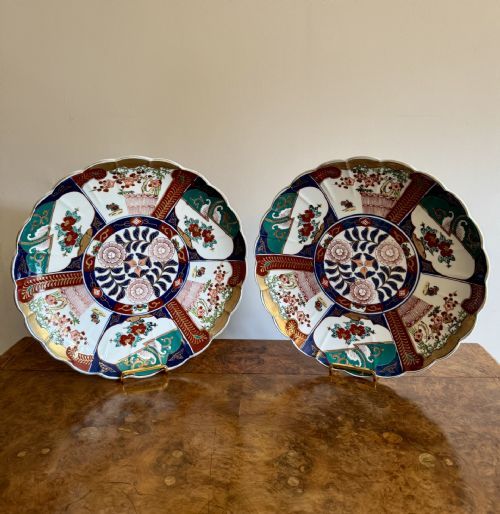


Large Porcelain Wall Dish
A large porcelain wall dish brings striking colour and scale to a room, drawing the eye directly to centuries of ceramic artistry.
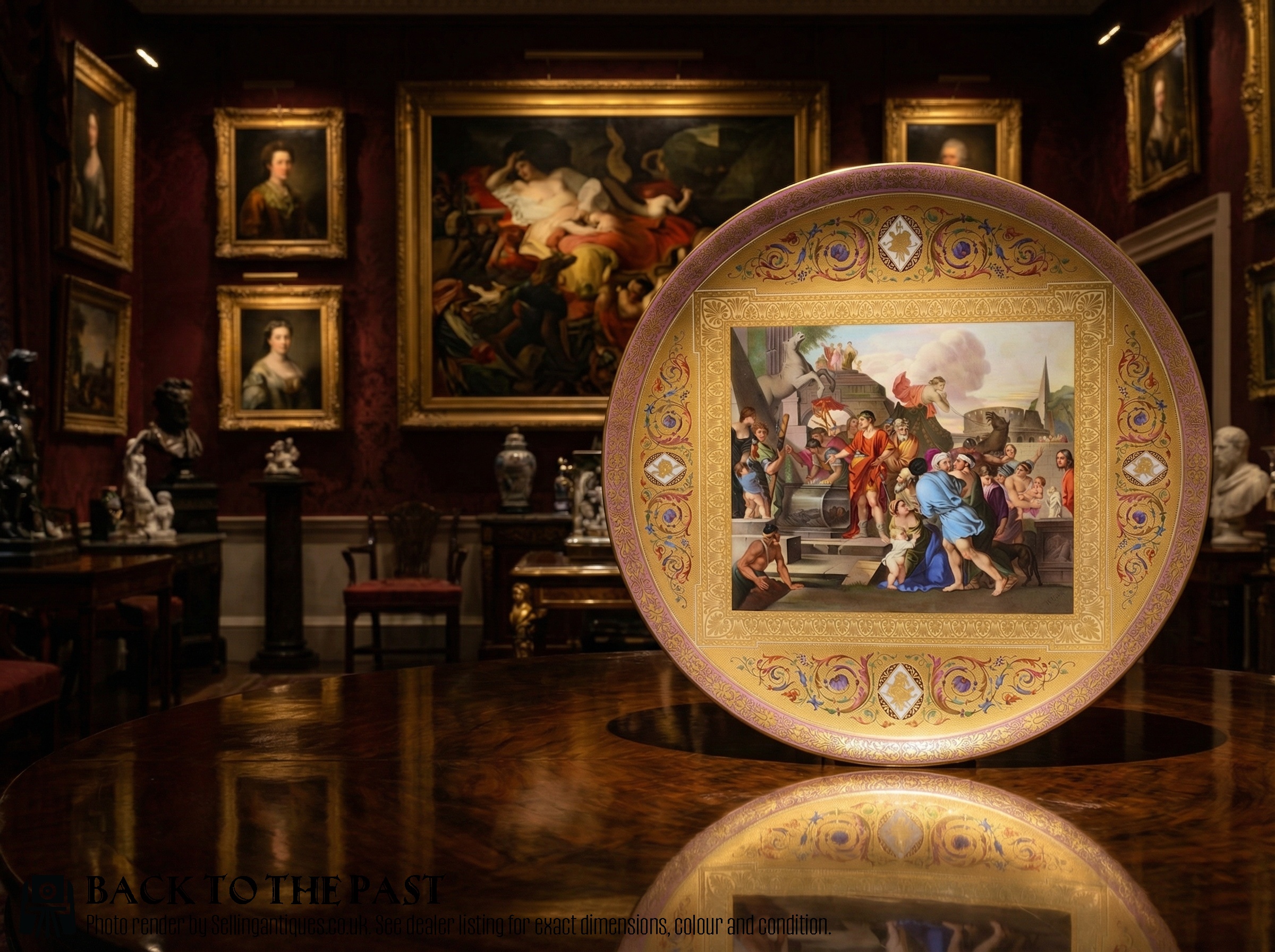
Large Porcelain Wall Dish
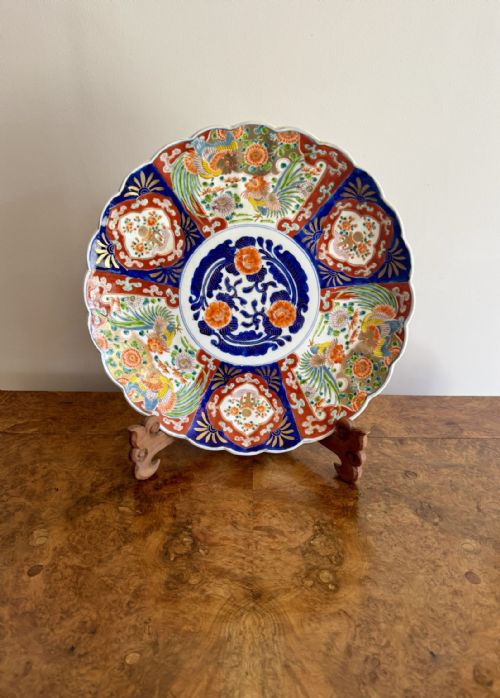
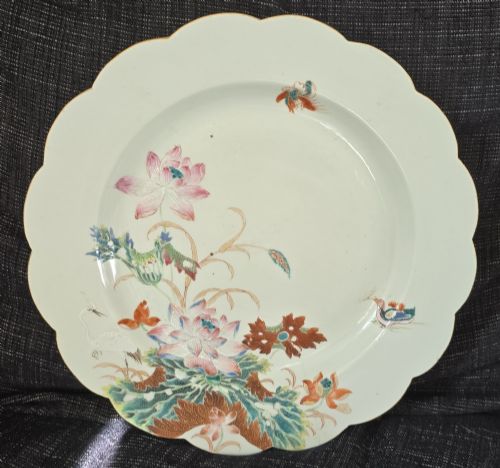
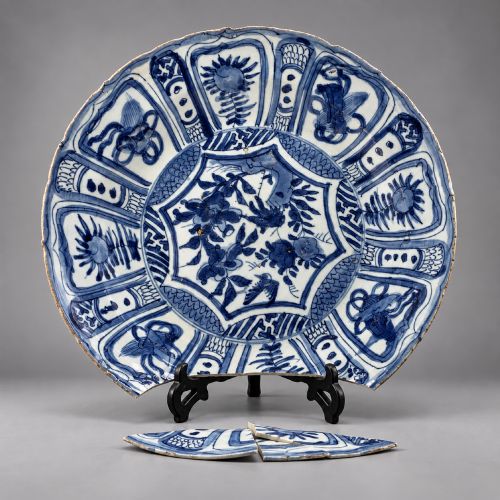
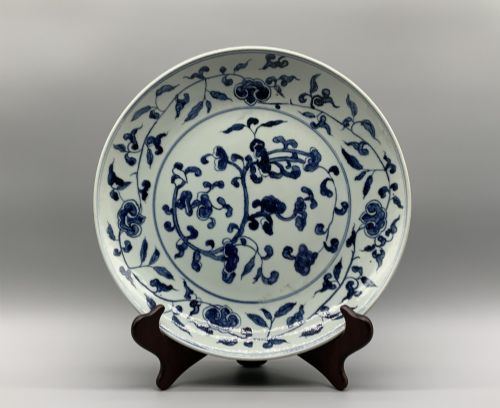
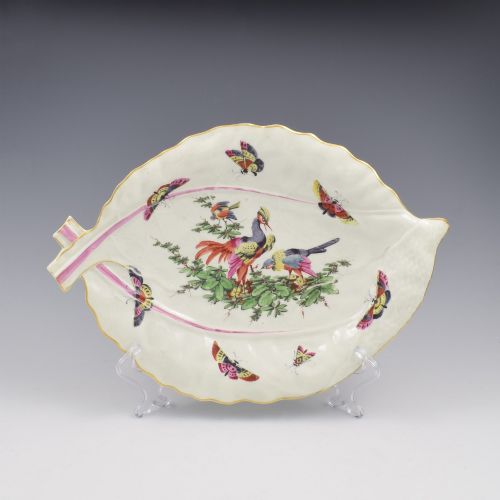
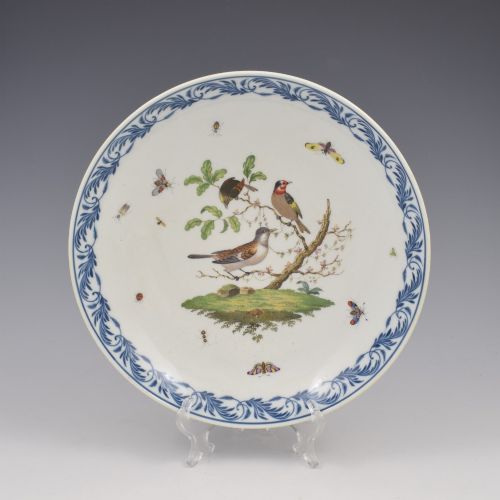
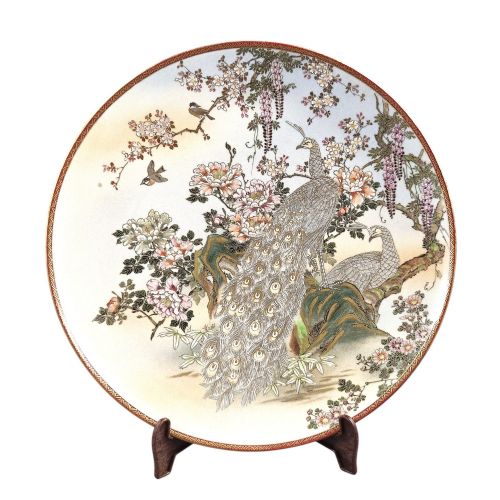
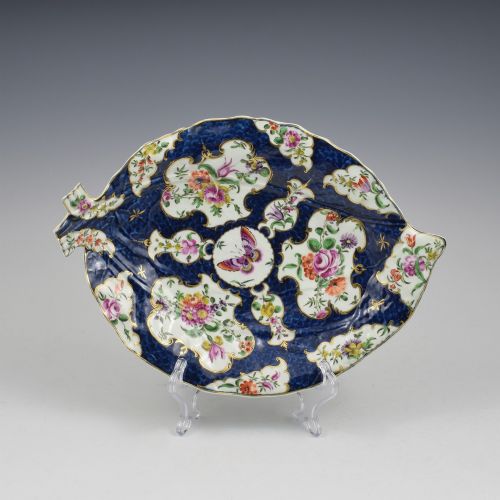
When you search for a large porcelain wall dish, you encounter substantial decorative plates and chargers intended primarily for display rather than dining. These pieces range significantly in origin, taking the form of robust Japanese Imari chargers from the Meiji period, vibrant Chinese blue and white porcelain, and finely painted European porcelain from factories such as Vienna and Worcester.
The selections span multiple centuries, capturing the distinct aesthetic shifts from the Kangxi period and Edo period through to the late nineteenth century and early twentieth century. You will frequently find Japanese Arita wares alongside European ornithological leaf dishes and narrative plates depicting historical or mythological scenes.
These items serve as focal points in interior settings, often featuring drilled foot rings or bespoke hanging adaptations designed to secure heavy ceramic bodies safely to vertical surfaces. The forms encompass deep circular chargers, square plates, and foliate leaf shapes that showcase expansive painted compositions.
How they were made
Makers shaped these porcelain bodies from fine ceramic clay before applying cobalt glaze under the surface or building rich designs with overglaze enamels. Artisans then fired the pieces at high temperatures to fuse the vitreous materials and achieve a durable, glossy finish.
Many examples incorporate detailed hand painting enhanced by gold leaf and gilt highlights, adding metallic brilliance to the fired colours. Techniques such as moriage relief work and intricate blue and white underglaze transfer or brushwork define the decorative surfaces across both Asian and European output.
Koi carp and the Seven Lucky Gods share these ceramic surfaces with stern European monarchs, proving that porcelain walls hold eclectic company.
What varies in quality
The standard of a large porcelain wall dish rests on the precision and confidence of the brushwork, the vibrancy of the enamels, and the crispness of the porcelain body. Superior examples display meticulously detailed figural or ornithological motifs, harmonious colour palettes, and balanced compositions that fill the expansive surface without clutter.
The technical skill required to fire a heavy ceramic charger without warping or surface blemishes distinguishes finer pieces from simpler production. Additionally, the presence of delicate gilding, refined potting, and distinct period signatures elevates the artistic merit of individual items.
Meissen Porcelain·Vienna Porcelain·Bluett and Sons London
The Large Porcelain Wall Dish Glossary
- Charger
- A large decorative plate or dish, typically measuring over thirty centimetres in diameter, used for display on tables or walls rather than for serving food.
- Imari
- A style of Japanese export porcelain originating from Arita, traditionally characterised by a palette of underglaze blue, iron red, and gilt highlights.
- Overglaze enamels
- Coloured glass powders painted onto a previously fired and glazed porcelain surface, requiring a subsequent low-temperature firing to fix the pigments.
- Cobalt glaze
- A deep blue metallic oxide pigment applied beneath the transparent glaze before the main high-temperature kiln firing.
- Moriage
- A decorative ceramic technique using piped clay slip to build up raised designs and textures on the surface before glazing and painting.
Large Porcelain Wall Dish: Frequently Asked Questions
How were large porcelain wall dishes displayed historically?
Historically, large chargers and decorative plates were stood upright on sideboards, dresser shelves, or mounted directly onto walls using specialised wiring or clips. This allowed households to showcase expensive imported ceramics and detailed hand-painted artwork as prominent interior decoration.
Over time, makers and owners adapted heavy chargers by adding suspension holes or custom metal brackets to the reverse. This ensured the secure vertical presentation of substantial ceramic plates without compromising their visual appeal.
How can I tell a Meiji period Japanese charger apart from earlier examples?
Meiji period Japanese chargers, particularly those dating from the late nineteenth century, often display denser, more exuberant compositions with varied colour palettes, including satsuma wares and intricate moriage relief work. The production scale during this era also reflected strong international export demands.
Earlier pieces from the Edo period or seventeenth century generally exhibit heavier potting, restrained cobalt painting, and distinct potting characteristics associated with traditional Arita kilns. Examining the foot ring, glaze pooling, and weight provides further clues to the date of manufacture.
Are these large dishes suitable for everyday dining use?
Large porcelain wall dishes and chargers are primarily designed for decorative display rather than active culinary service. Their expansive surfaces, historical significance, and delicate overglaze enamels or gilt details make them vulnerable to modern cutlery and frequent handling.
Displaying these pieces on walls or stable stands preserves their painted surfaces and structural integrity. Utilising proper mounting hardware ensures they remain secure decorative focal points within a room.