




Large Pine Storage Chest
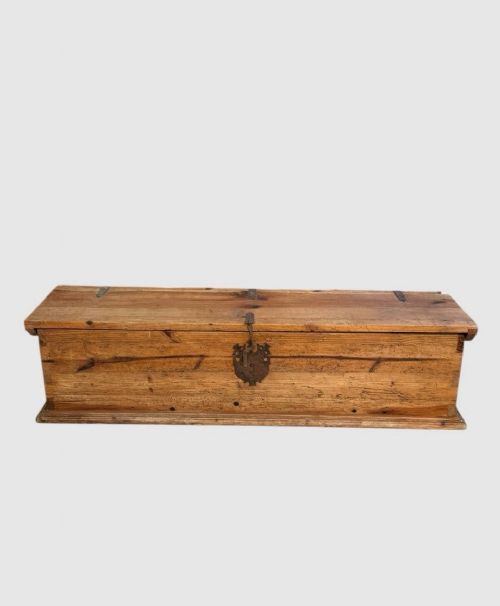
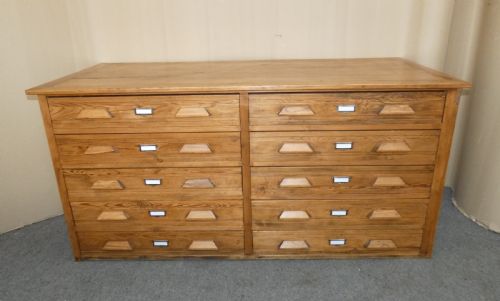
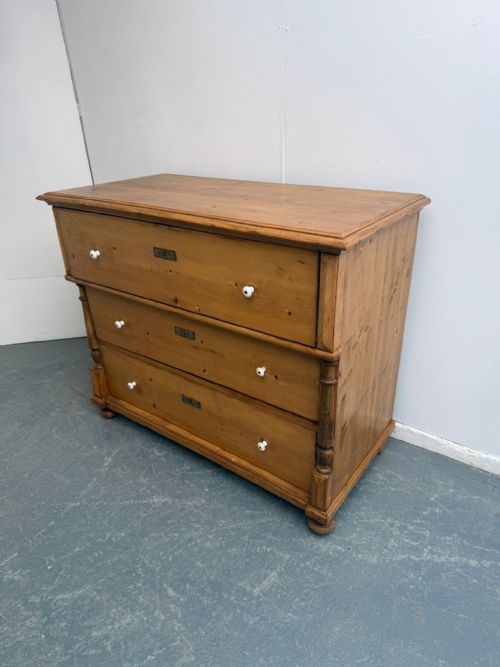
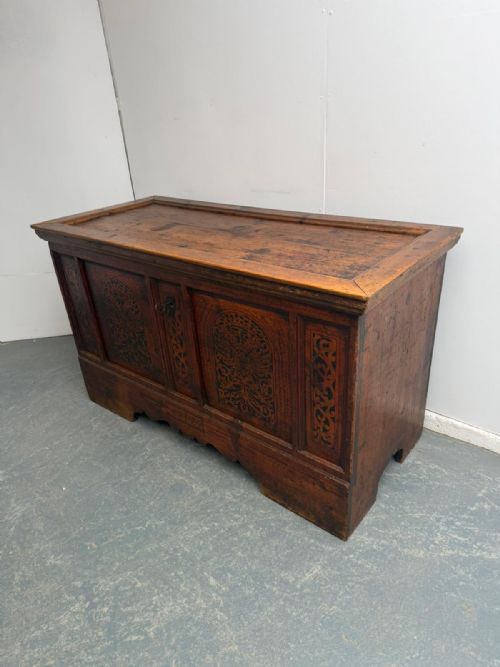
These large pine storage chest pieces are robust utilitarian boxes and drawer units built for heavy domestic use across the nineteenth and early twentieth centuries.
Large Pine Storage Chest
When you search for a large pine storage chest, you encounter a variety of heavy utilitarian forms including blanket boxes, blanket chests, marriage trunks, coffer boxes, and multi-drawer chests originating primarily from the Victorian and Georgian periods alongside early twentieth-century examples.
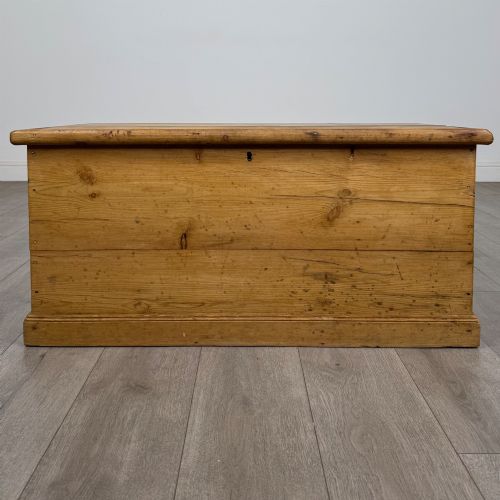
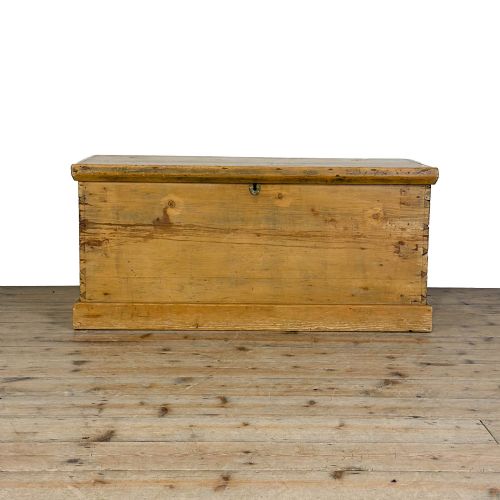
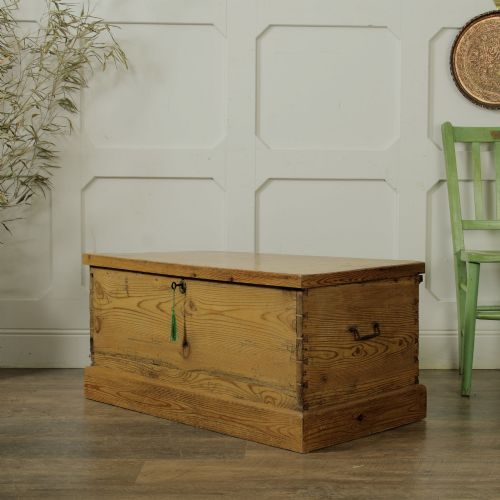
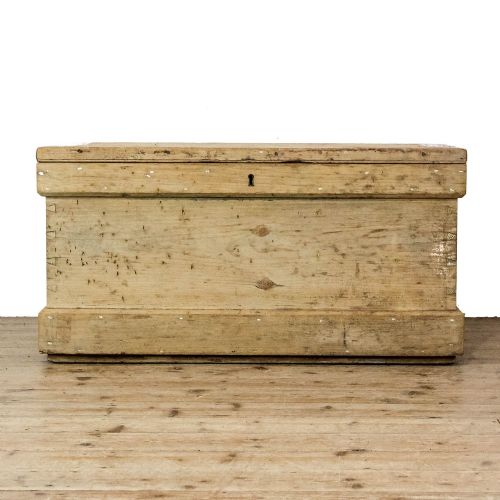
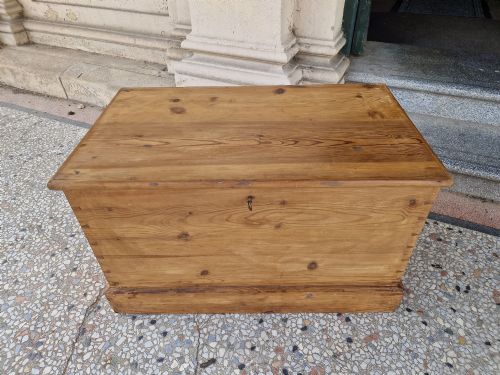
The most common versions on this page are sturdy nineteenth-century blanket boxes, tool chests, and large storage trunks constructed from solid pine or pitch pine, often featuring traditional internal compartments or drawers for domestic organisation.
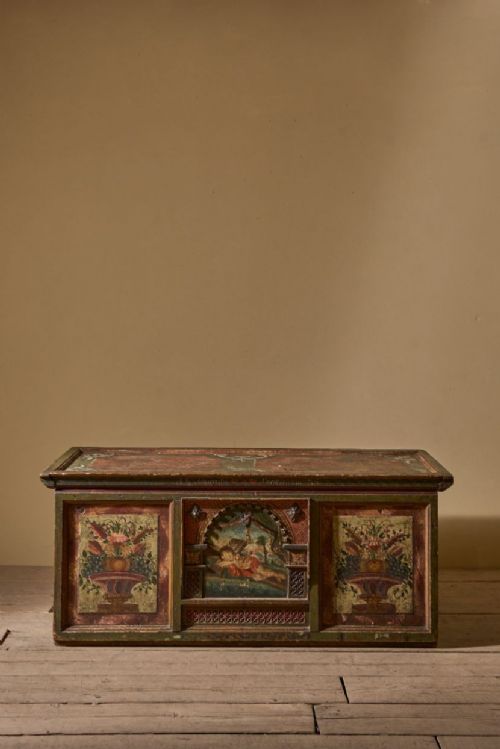
Beyond simple lidded trunks, the evidence includes substantial multi-drawer configurations such as banks of drawers, shop fittings, and Wellington chests, alongside painted regional pieces from Dutch and Hungarian traditions.
Materials and Construction
These pieces are constructed predominantly from solid pine and dense pitch pine, selected for structural strength and resilience during decades of daily household or workshop service.
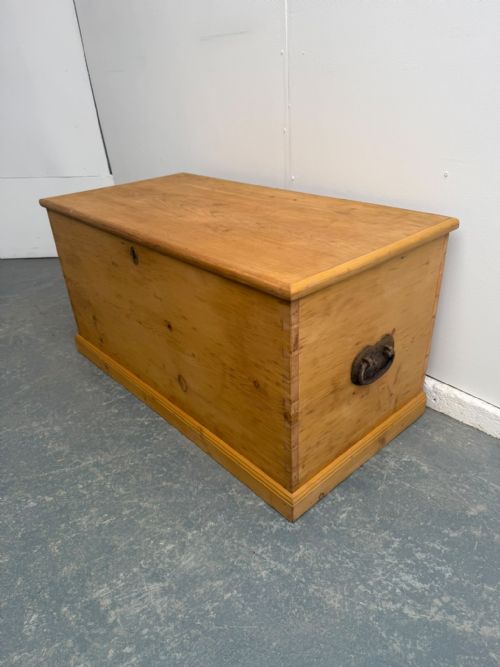
Metal hardware plays a crucial functional role, with iron, brass, and painted or unpainted metal bindings, hinges, and carrying handles reinforcing the corners and lids of heavy trunks.
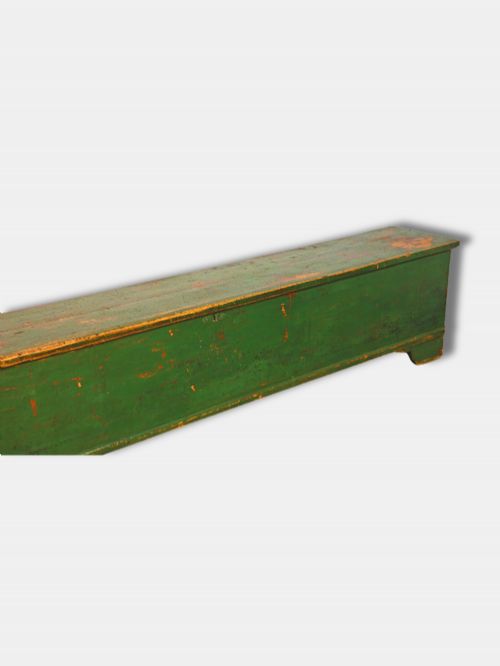
Surface finishes range from stripped and waxed natural wood to layers of historical paint, pigment, and decorative colour, particularly on Hungarian and Dutch examples.
Listings feature pieces spanning the Georgian, Victorian, and Edwardian periods, constructed from pine, pitch pine, iron, brass, and applied pigment.
The Spectrum of Quality
Quality in these storage pieces rests upon the integrity of the original construction, the thickness of the pine boards, and the retention of period-correct hardware such as iron bindings and brass handles.
Pieces that retain their original painted surfaces, untouched patination, or specialised internal fittings command greater interest than those stripped down or heavily restored in later decades.
The Large Pine Storage Chest Glossary
- Blanket Box
- A large rectangular container traditionally used for storing bedding and textiles. These are often fitted with hinged lids and internal till boxes.
- Mule Chest
- A traditional storage chest featuring one or more functional drawers built into the base beneath the main lidded compartment. This form bridges the gap between a trunk and a chest of drawers.
- Pitch Pine
- A dense, resinous variety of pine timber known for its durability and distinct grain pattern. It was frequently utilised for heavy-duty Victorian furniture and industrial storage.
- Coffer
- A heavy wooden box or chest traditionally used for storing valuables or household goods. They often feature robust boarded construction and iron reinforcement.
- Wellington Chest
- A tall, vertical chest of drawers secured by a hinged locking stile on one side. This mechanism locks all drawers simultaneously.
Large Pine Storage Chest: Frequently Asked Questions
What is a large pine storage chest used for?
These large pieces were historically built to hold heavy household textiles, blankets, tools, or personal belongings in domestic and workshop settings.
Today, they function as practical living room or bedroom storage furniture that doubles as a coffee table or bench seating.
How do I identify a Victorian pine chest?
Victorian examples typically exhibit solid pine construction, hand-cut dovetail joints on drawers, and heavier proportions compared to lighter modern reproductions.
Look for period-specific hardware such as cast iron carrying handles, brass escutcheons, and aged patination on the waxed or painted surfaces.
Are these chests painted or stripped wood?
The inventory includes both natural waxed pine and pieces featuring original or later paint finishes, such as painted marriage trunks and Hungarian regional furniture.
Many nineteenth-century trunks were stripped of their old paint during later decades, while others retain significant traces of historical pigment and colour.
What is the difference between a trunk and a mule chest?
A standard trunk consists of a single lidded compartment accessed from the top, sometimes containing a small internal till box for smaller items.
A mule chest incorporates one or more functional drawers beneath the main storage well, offering easier access to stored linens without lifting the heavy lid.