
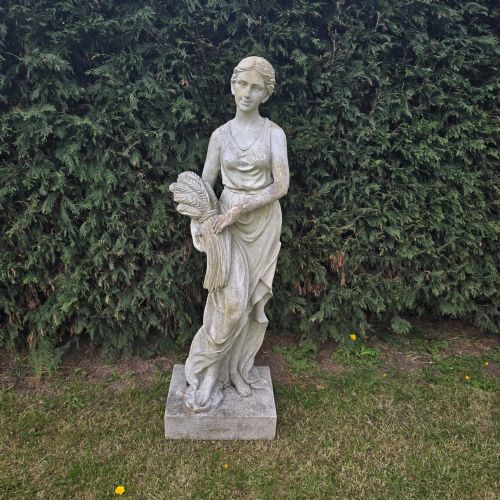


Large Outdoor Stone Sculpture
Large outdoor stone sculpture brings weight and classical presence to gardens, turning open lawns and terraces into formal architectural spaces.
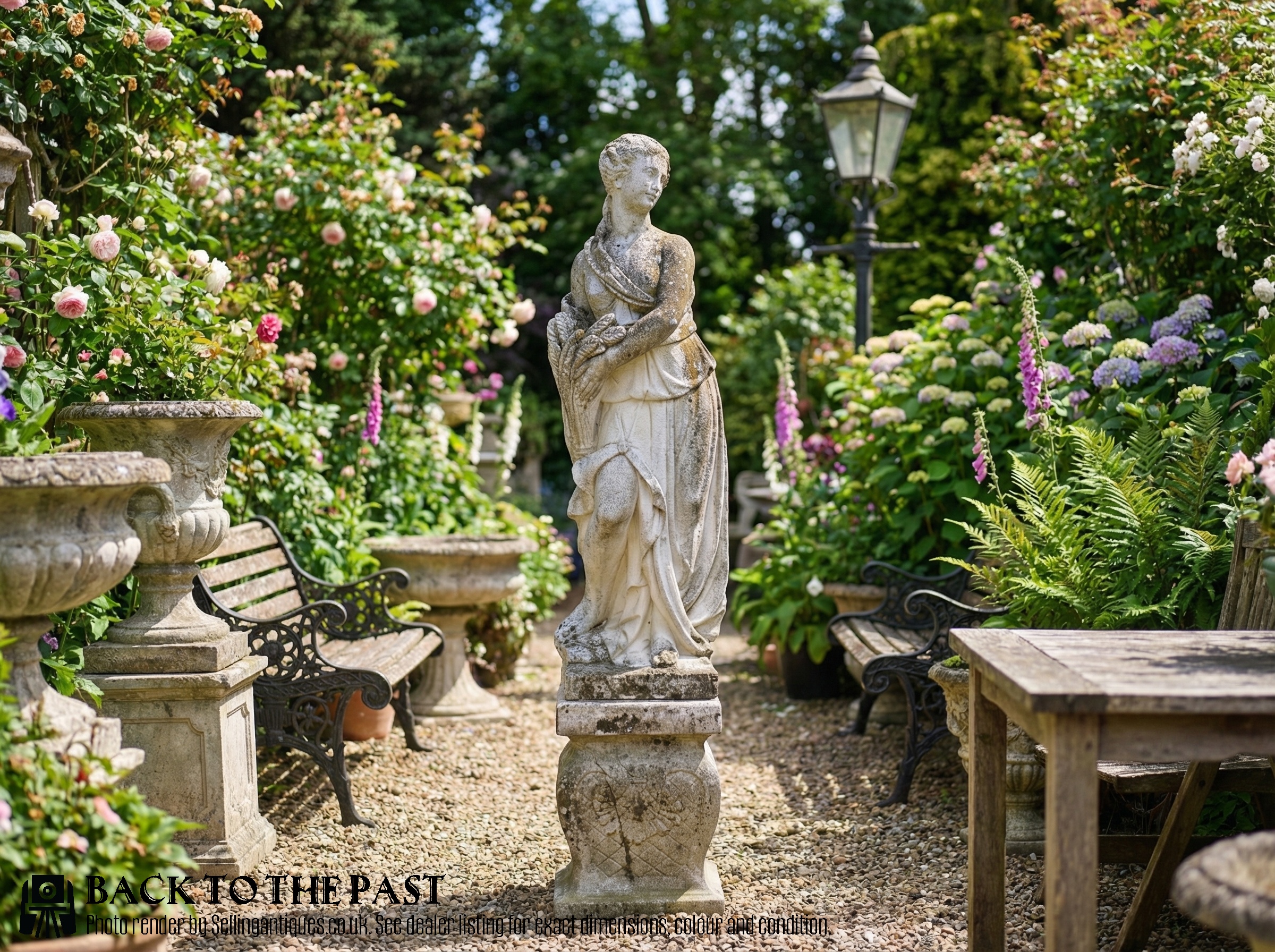
Large Outdoor Stone Sculpture
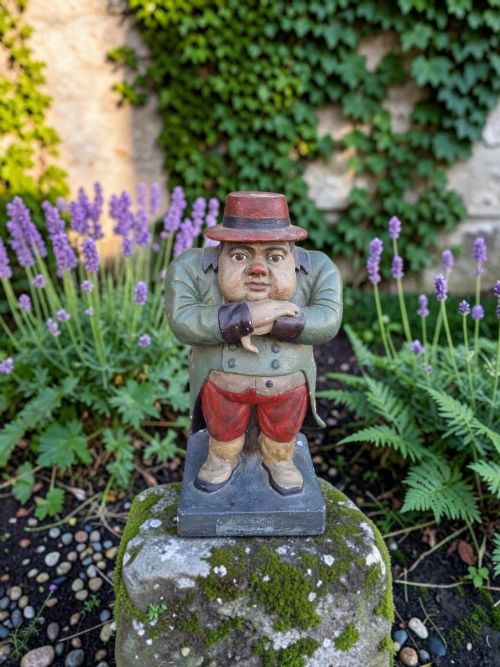
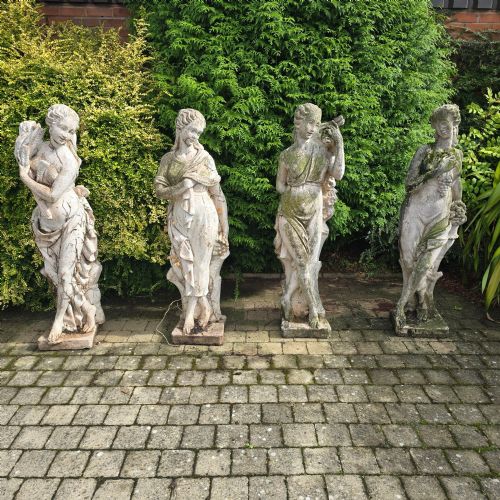
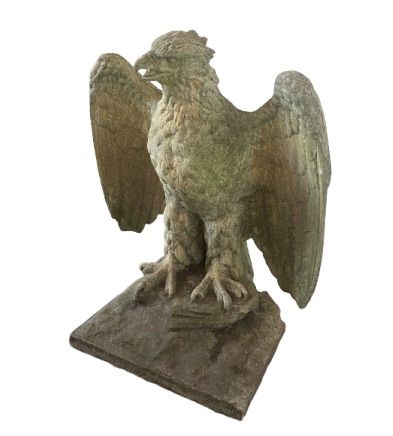
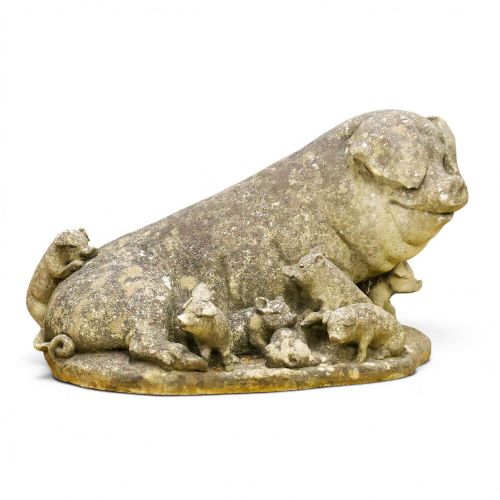
A large outdoor stone sculpture comprises substantial garden statuary, pier finials, and figurative groups designed to anchor landscapes from the nineteenth and twentieth centuries. Buyers encounter classical figures such as the Four Seasons and individual ladies, alongside heraldic animals including eagles and lions.
The selection ranges from Neoclassical and Classical Revival compositions to Victorian and English Country traditions. Pieces appear as single statues on plinths or in matched pairs intended for gates and terraces.
How they were made
Makers utilised cast, reconstituted, composite, and composition stone poured into moulds to capture intricate classical details efficiently during the twentieth century. These cast materials weathered naturally outdoors over decades.
Earlier and grander pieces involve hand-carved solid marble and moulded buff terracotta or salt-glazed pottery fired in kilns. These solid materials required skilled banker masonry and ceramic firing.
Listings feature twentieth-century cast stone alongside nineteenth-century Italian marble and salt-glazed pottery.
What varies in quality
Quality rests in the crispness of the modelling and the depth of the carving, distinguishing sharp classical drapery from soft, indistinct cast forms. Proportions and anatomical accuracy in figurative and animal subjects separate standard garden ornaments from distinguished works.
The integrity of the material matters profoundly, with dense hand-carved marble and well-fired terracotta holding edge detail distinctly better than degraded composite mixes.
Hurlford Kilmarnock
The Large Outdoor Stone Sculpture Glossary
- Reconstituted stone
- Aggregate stone dust mixed with a binder and cast in a mould to simulate natural stone. It provides a durable medium for garden statuary.
- Pier finial
- An architectural ornament placed on top of a gate pier or wall post. Pairs frequently frame grand entrances.
- Terracotta
- Fired clay moulded into sculptural forms. It offers a warm buff or red tone suited to garden settings.
- Neoclassical
- A style drawing on ancient Greek and Roman art. It dominates the figurative statues and architectural elements in this selection.
Large Outdoor Stone Sculpture: Frequently Asked Questions
Where should I place large stone sculptures?
Position statues at the end of garden vistas, on pedestals, or flanking paths to create focal points. Pairs of finials work best mounted on gate piers or terrace walls.
Ensure the ground beneath is level and capable of supporting substantial weight, particularly with marble and solid cast stone pieces.
How do I clean outdoor stone?
Wash surfaces gently with water and a soft brush to remove dirt and organic growth without damaging the patina. Avoid harsh chemical cleaners that strip the weathered surface.
Allow lichens and moss to remain if you prefer an established, aged appearance on reconstituted stone and marble.
Are these pieces frost resistant?
Most cast and reconstituted stone pieces tolerate winter weather if drainage is adequate and water does not pool in crevices. Marble and terracotta generally withstand normal conditions but benefit from monitoring during hard freezes.
Elevate statues slightly off damp ground during winter months where possible to prevent moisture absorption.
How do I date a stone sculpture?
Examine the style, mounting holes, and weathering patterns to determine age within nineteenth and twentieth-century periods. Cast stone pieces often reflect the architectural tastes of the nineteen-thirties and nineteen-fifties.
Compare surface textures and tooling marks with documented examples from the same era to confirm attribution.