

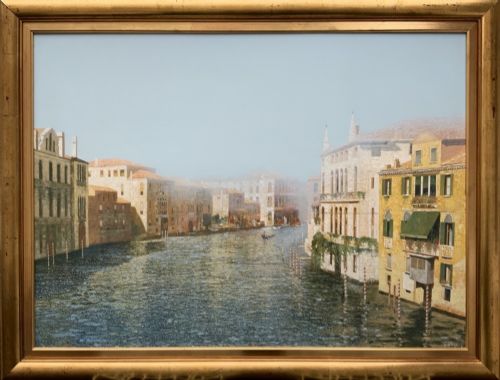
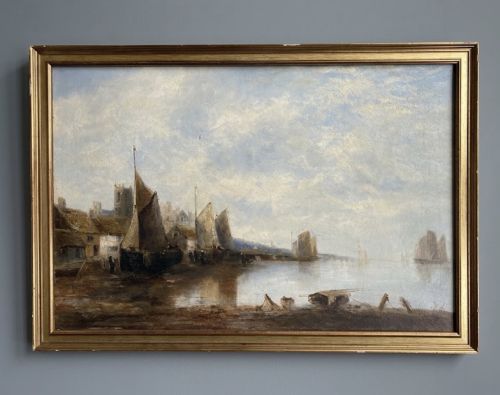
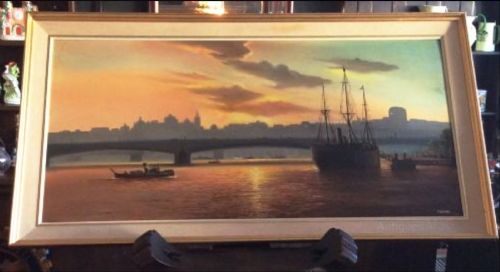
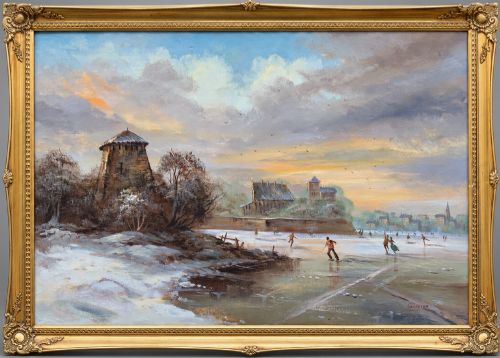
Large Landscape Painting Canvas
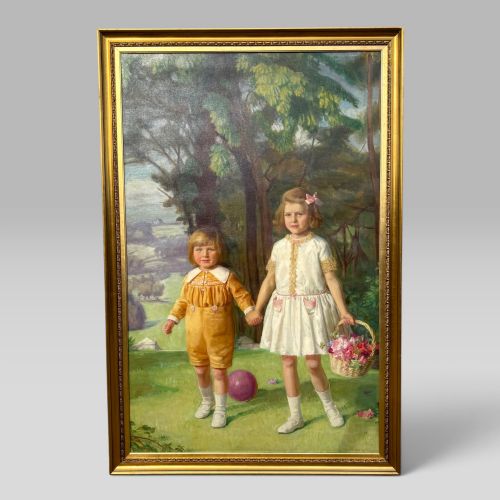
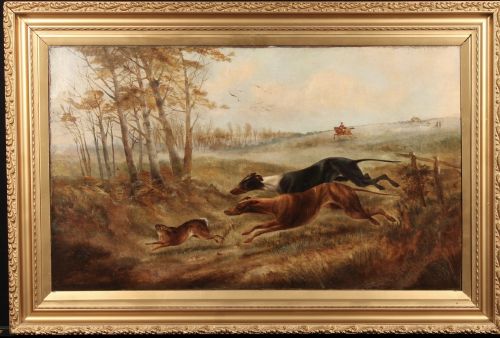
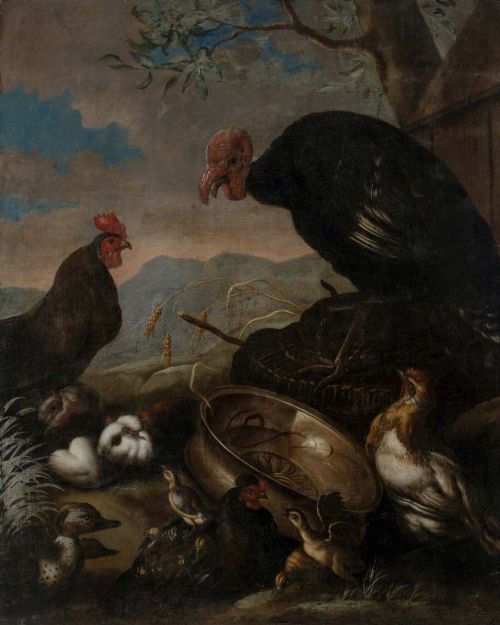
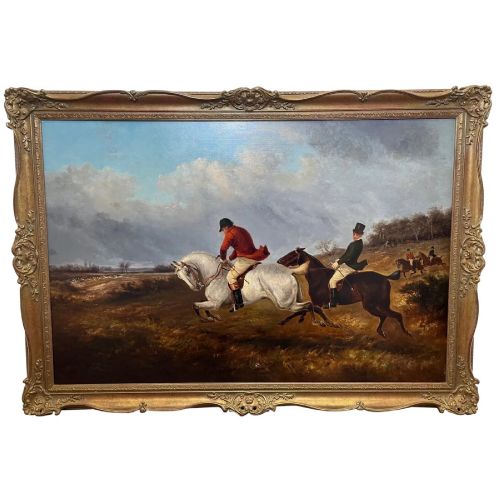
When you search for large landscape painting canvas, you find substantial works built on oil paint and stretched linen.
Large Landscape Painting Canvas
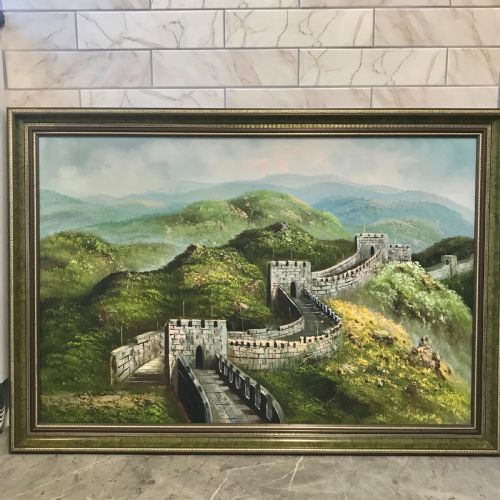
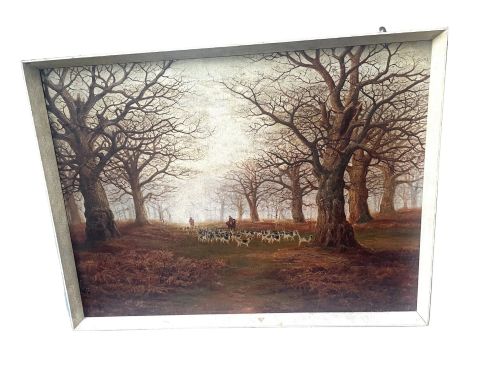
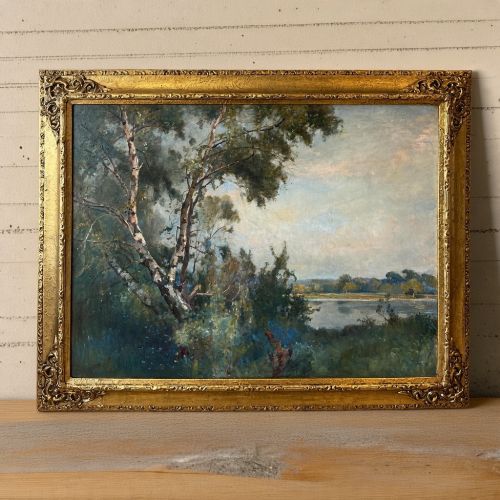
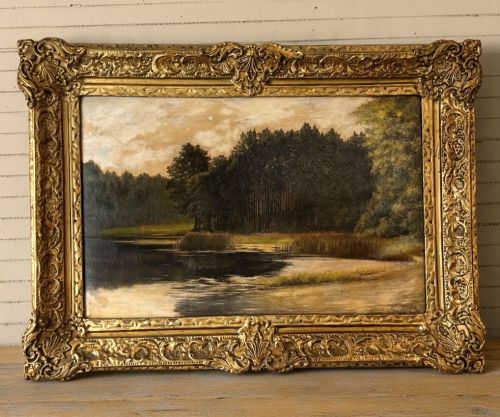
A large landscape painting canvas brings expansive outdoor views, river valleys, and rural scenes directly onto interior walls. These works span centuries of artistic output, ranging from Victorian interpretations of the British countryside to mid-century abstract compositions.
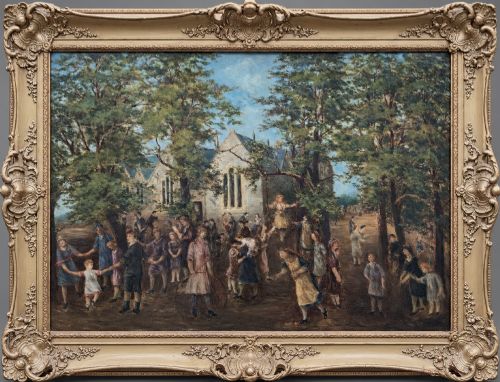
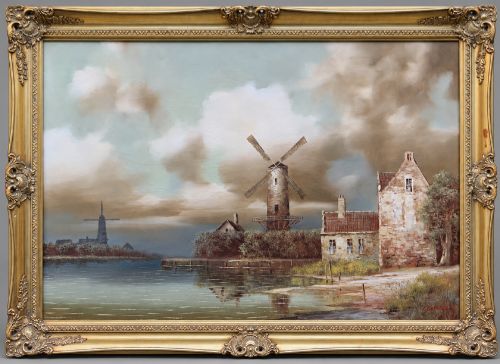
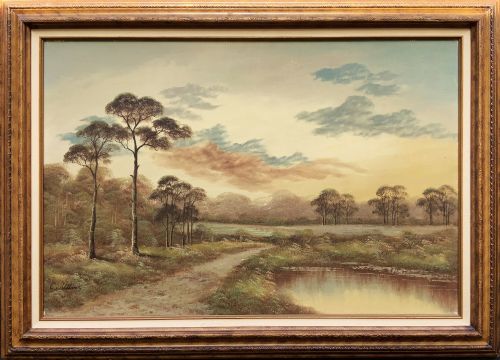
The pieces listed here appear in various formats, including panoramic marine seascapes, wooded lakes, and pastoral settings. Many retain their original frames of gilt wood or gesso, completing the presentation of the artwork.
The selection on this page draws heavily from nineteenth-century realism and twentieth-century vintage production. Buyers encounter Dutch winter scenes, French cityscapes, and Highland landscapes scaled for prominent display.
Factors that separate works
Quality rests in the handling of light, atmospheric depth, and the confidence of the brushwork across the canvas. Superior pieces capture movement and atmosphere with distinct painterly skill rather than mechanical precision.
The integrity of the canvas support and the preservation of the original pigment layers influence the standing of an artwork. Works that retain their original gilt wood frames without heavy modern restoration hold greater visual harmony.
Large Landscape Painting Canvas Retail Price Guide 2026
Typical asking prices for large landscape painting canvas among the pieces listed under this phrase on Sellingantiques today, from the lower quarter to the upper quarter. They describe what is for sale here now, not the wider market.
Listings feature works spanning from the seventeenth century through to the 1960s, executed in oil on canvas with gilt wood framing.
William Miller Frazer·Siegfried Bendixen·George Armfield·Thomas Smythe·Robert Cleminson·Thomas Sidney Cooper·Gabriel Dauchot·Herbert Royle·William Sydney Cooper
The Large Landscape Painting Canvas Glossary
- Canvas
- A heavy woven fabric, typically linen or cotton, stretched tightly across a wooden frame to serve as the foundation for oil paintings.
- Gesso
- A plaster-like mixture applied to wooden frames as a smooth base before gilding or painting.
- Gilt Wood
- Wood treated with a thin layer of gold leaf or metallic gilt finish, commonly used on nineteenth-century picture frames.
- Impasto
- A technique where oil paint is laid thickly on the canvas, standing out from the surface and retaining the marks of the brush or palette knife.
- Oil Paint
- A slow-drying paint made with pigmented powder suspended in a drying oil, typically linseed oil.
Large Landscape Painting Canvas: Frequently Asked Questions
How do I hang a large canvas securely?
Heavy framed oil paintings require robust wall anchors and picture hooks rated for substantial weight. Fix the fixings directly into wall studs where possible to support the combined mass of the canvas and wooden frame.
Position the centre of the canvas at standard eye level to ensure proper balance within the room. Allow adequate clearance from direct heat sources to protect the oil paint and linen support.
How do I clean an antique oil painting?
Dust the surface gently using a soft, dry artist's brush to remove loose particles without disturbing the pigment. Avoid using water, household cleaners, or damp cloths on the canvas.
Professional conservators should handle deeper cleaning, varnish removal, or the repair of tears. Commercial cleaning products can permanently strip historical oil layers.
How do I date a nineteenth-century landscape?
Examine the weave of the canvas, the construction of the wooden stretcher frame, and the style of the gilt wood moulding. Nineteenth-century works often feature hand-hammered tacks and dense, oxidized oil pigments.
Signatures, exhibition labels, and biographical details of the artist provide further chronological anchors. Compare the handling of light and subject matter with documented works from the same decade.
Where should I place a landscape canvas?
Display these works on primary interior walls with stable temperature and humidity levels. Avoid areas exposed to direct, harsh sunlight that can fade delicate oil pigments over time.
Pair the scale of the painting with appropriate furniture placement, such as above a mantelpiece or a large sideboard. Ensure the surrounding wall space allows the composition to breathe without visual clutter.