



Mid Century Asian Art
Mid century asian art brings together striking paintings, textiles and rugs from across the continent, offering rich colour and traditional craftsmanship.
Mid Century Asian Art
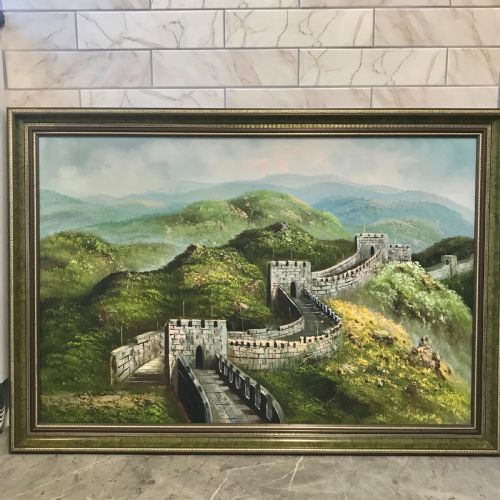
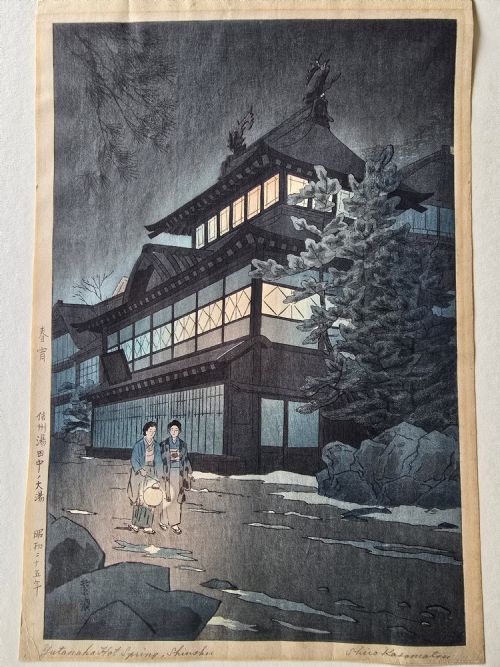
Mid century asian art encompasses a diverse range of works, from mid century realism oil paintings to delicate Japanese woodblock prints and intricate textiles. Buyers searching this phrase encounter everything from large canvas depictions of landmarks to traditional ink and watercolour albums created by notable artists.
Dated works stretch from the mid-nineteenth century through to the mid-twentieth century and beyond. This broad span allows collectors to acquire both nineteenth-century floor coverings and modernist paintings from the mid-1900s.
Materials and techniques
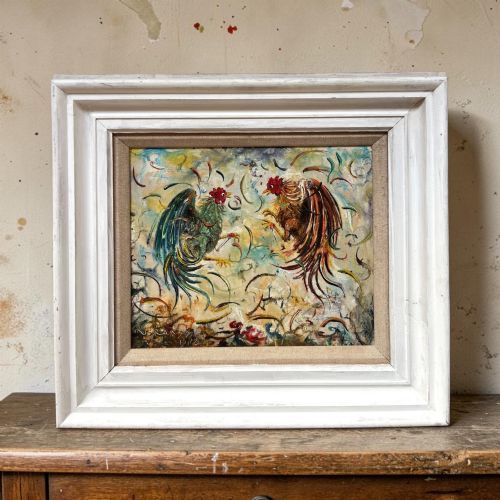
Makers utilised traditional mediums including oil paint and canvas for large pictorial scenes, alongside watercolour and ink applied to paper for detailed portraits and albums. Woodblock printing techniques produced coloured prints on paper, capturing fine lines and deliberate pigments.
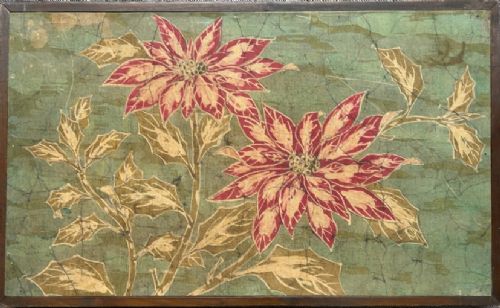
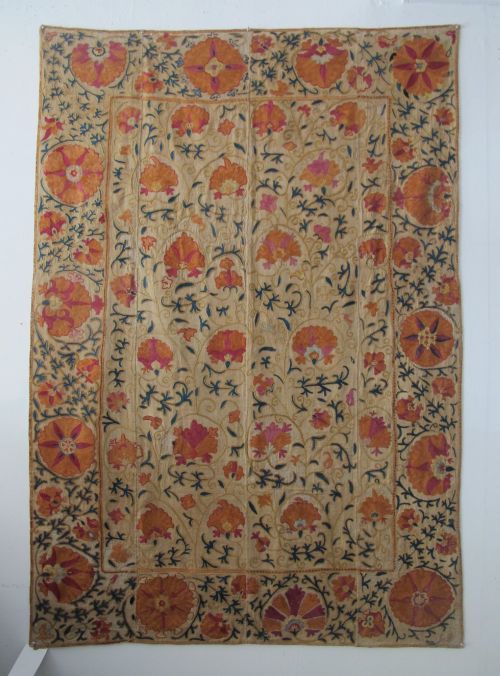
Textiles and floor coverings rely heavily on natural fibres such as cotton and silk. Artisans employed complex embroidery techniques to create elaborate suzanis and framed batik panels, while rugs incorporate woven wool or silk structures.
Mid Century Asian Art Retail Price Guide 2026
Typical asking prices for mid century asian art among the pieces listed under this phrase on Sellingantiques today, from the lower quarter to the upper quarter. They describe what is for sale here now, not the wider market.
Listings span the nineteenth and twentieth centuries, featuring materials from oil paint and canvas to raw silk and cotton.
Distinctions in quality
Quality in these works rests on the precision of the execution and the handled medium, whether that is the brushwork in an oil painting or the tightness of silk embroidery on a suzani. Original artist signatures and seals often elevate the standing of paintings and albums.
The preservation of delicate materials like paper and silk dictates the condition and visual impact of prints and textiles. Finer pieces maintain strong, unfaded pigments and intact structural borders across rugs and wall hangings.
Misran D.S·Shiro Katamatsu·Ya Ming
The Mid Century Asian Art Glossary
- Woodblock print
- A technique where an image is carved into a wooden block, inked, and pressed onto paper to create multiple impressions. Japanese examples often feature layered coloured inks.
- Suzani
- A type of embroidered tribal textile originating from Central Asia, traditionally made on cotton or silk foundation fabrics. These large wall hangings or covers display dense needlework.
- Batik
- A wax-resist dyeing method applied to cloth, creating intricate patterned panels. Framed examples showcase floral or geometric motifs.
- Pillar rug
- A specific form of carpet designed in Northern China to wrap around architectural columns. They feature traditional regional patterns and pile weaves.
Mid Century Asian Art: Frequently Asked Questions
What defines mid century asian art?
These pieces include paintings, prints, rugs and textiles created across Asia during the mid-twentieth century alongside earlier traditional works. They reflect diverse regional aesthetics ranging from modernist realism to classical embroidery.
Buyers exploring this category will find works executed in oil, watercolour, ink, silk and cotton. Each object carries the specific cultural and technical traditions of its origin.
How do I care for silk and paper art?
Works on paper, such as watercolour albums and woodblock prints, require protection from direct sunlight to prevent fading. Framing them behind UV-filtering glass helps preserve the ink and pigments.
Textiles like suzanis and batik panels benefit from gentle handling and stable indoor humidity away from direct heat sources.
What is a pillar rug?
Pillar rugs are elongated carpets produced in Northern China to wrap around wooden structural columns in temples or halls. Their dimensions are narrow and tall rather than square or rectangular.
These rugs combine thick pile weaving with traditional motifs suited to cylindrical display.