



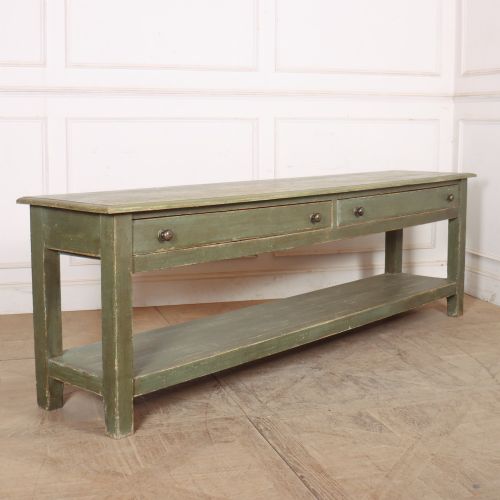


Large Kitchen Dresser
A large kitchen dresser anchors a room with open display shelves and deep storage cupboards, holding centuries of utility in pine and oak.
Large Kitchen Dresser
A large kitchen dresser serves as the principal storage and display unit in a domestic interior, combining lower cupboards with upper plate racks or shelving. When searching for a large kitchen dresser, buyers encounter substantial pieces designed to hold heavy tableware, provisions, and household linens.
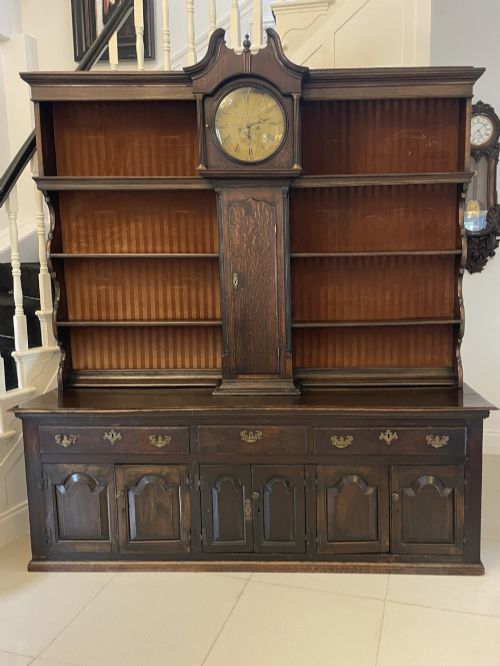
The pieces appearing on this page span the eighteenth, nineteenth, and early twentieth centuries, with a strong prevalence of Victorian pine and earlier oak examples. Common formats range from open dresser bases and housekeeper's cupboards to tall structures featuring glazed display sections or built-in clock cases.
Origins vary from English country houses to Welsh farmhouses and continental workshops in France, Denmark, and Hungary. Buyers find both natural wood finishes - such as waxed pine and figured oak - and historic painted surfaces that show decades of domestic use.
How they were made
Cabinet makers constructed these substantial frames primarily using native softwoods like pine alongside durable hardwoods such as oak, walnut, and chestnut. Joinery typically relied on pegged mortise and tenon joints for structural strength, ensuring the framework could support heavy tiers of shelving or a rack of ceramic plates.
Surfaces were finished according to regional custom and domestic fashion, utilising hand-mixed oil paints, traditional wax polishes, or left as bare scrubbed wood. Iron and brass hardware - including drop handles, latches, and hinges - were forged or cast by hand to secure heavy doors and drawers.
Listings feature eighteenth-century oak and walnut alongside nineteenth-century Victorian pine, incorporating regional forms from England, Wales, France, Denmark, and Hungary.
What varies in quality
Quality in these large utility pieces rests on the integrity of the original timber and the restraint of subsequent restoration. Retaining original backboards, unaltered hardware, and untouched historic paint finishes elevates a piece above those stripped or heavily rebuilt in later decades.
Proportion and scale dictate the distinction between standard utilitarian furniture and exceptional country house examples. Pieces featuring harmonious breakfront lines, well-defined cornices, and integrated rack superstructures demonstrate superior joinery and thoughtful design by regional makers.
The Large Kitchen Dresser Glossary
- Dresser base
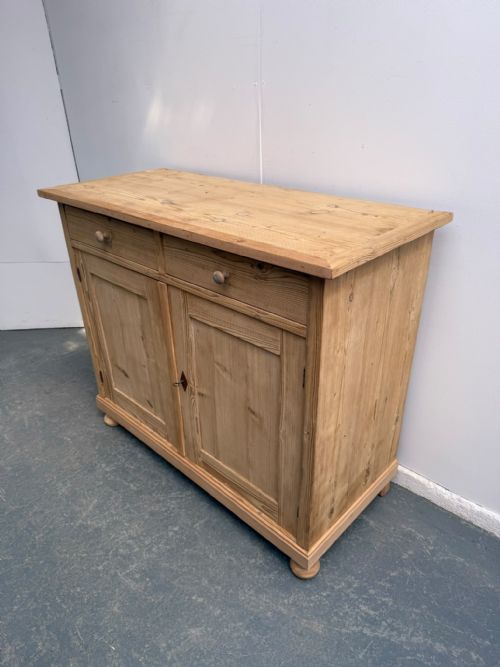
- The lower section of a kitchen dresser featuring cupboards and drawers without the upper plate rack. This form often functions independently as a sideboard or serving table.
- Housekeeper's cupboard
- A tall, enclosed storage cabinet traditionally used for linens and dried goods rather than display. These pieces usually feature multiple panelled doors enclosing interior shelving.
- Potboard
- An open lower shelf fitted between the legs of a dresser base, designed originally for storing heavy pots and pans off damp stone floors.
- Bread slide
- A pull-out wooden tray integrated into the cabinetry, historically used for cooling baked loaves or preparing food in a busy scullery.
- Rack
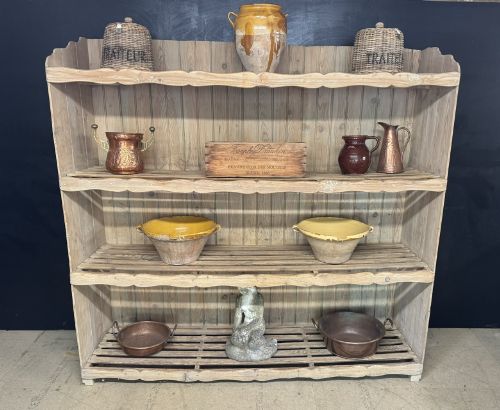
- The upper shelved superstructure of a dresser designed to display plates and platters upright against a panelled or boarded back.
Large Kitchen Dresser: Frequently Asked Questions
How do I clean a waxed pine dresser?
Maintain waxed pine surfaces by dusting regularly with a soft, dry cloth to prevent grit accumulation. Apply a quality natural beeswax periodically to nourish the wood and preserve the warm patina.
Avoid using household chemical sprays or excess water, as moisture can penetrate softwoods and damage historic wax coatings.
Are dresser racks removable?
Many large kitchen dressers were constructed in two separate sections, featuring a distinct lower base and an upper rack that simply rests on top. This two-piece design facilitated transport through narrow farmhouse doorways.
Larger or earlier examples may incorporate fixed upper superstructures secured directly to the wall or integrated into the main frame.
What is the difference between a Welsh dresser and an English dresser?
Welsh dressers traditionally emphasise open display space with deep plate racks built onto sturdy oak or pine bases. They frequently originated in rural regions where pottery needed to be displayed and accessed easily.
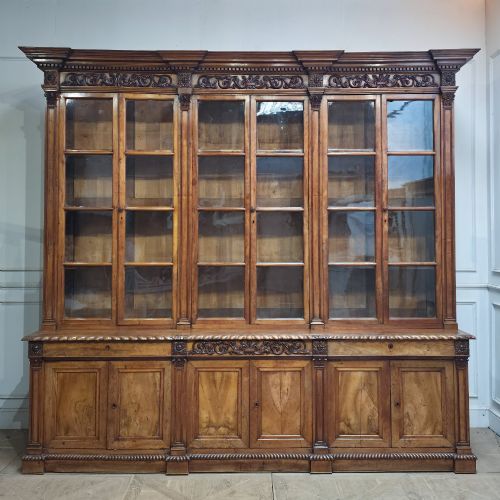
English country house variants often incorporate more enclosed storage, such as breakfront configurations, housekeeper cupboards, or glazed upper bookcase sections.
How can I date an old pine dresser?
Examine the construction methods, such as the use of hand-cut dovetails on drawer construction and early-style saw marks on interior boards. Hardware types, timber shrinkage, and the presence of historic layers of paint or original wax offer further clues to age.
Comparing structural proportions against documented vernacular furniture styles helps narrow down whether a piece belongs to the Georgian, Victorian, or later periods.