
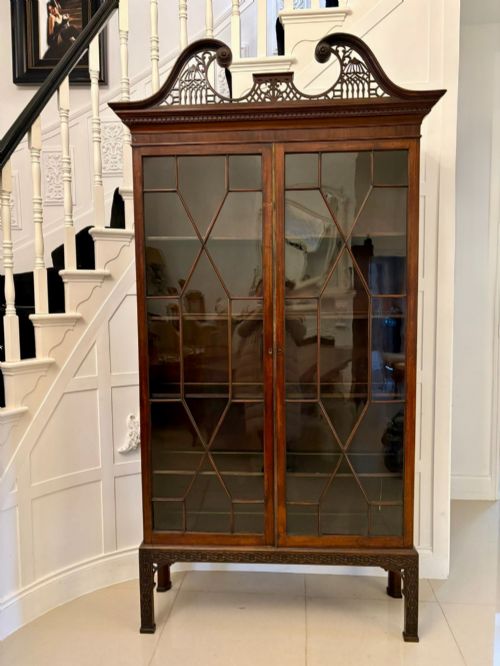
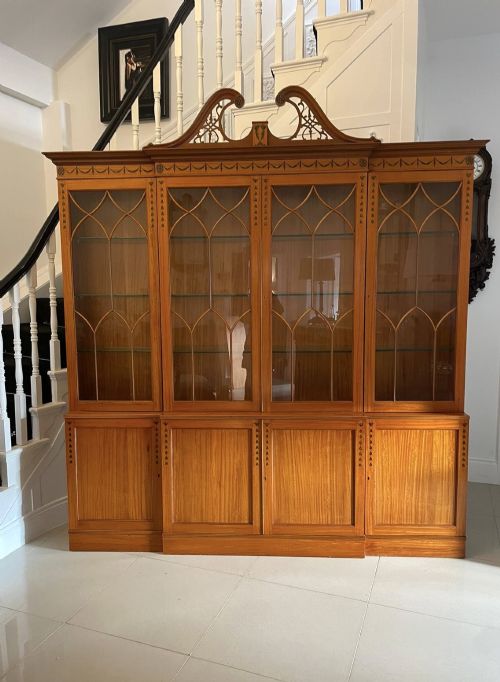
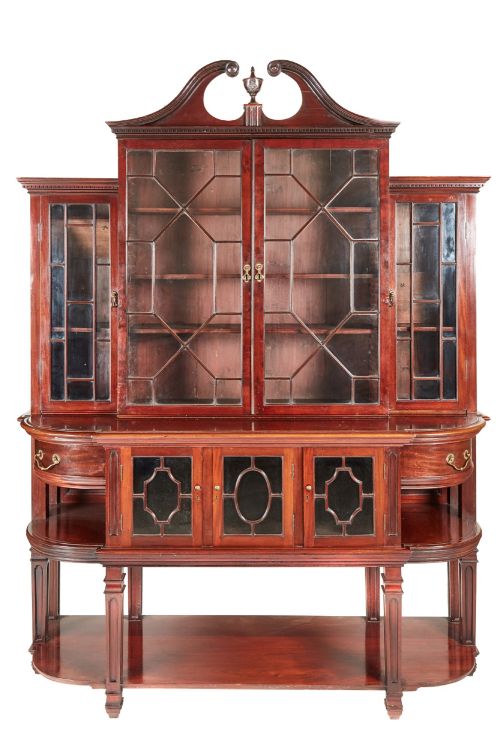
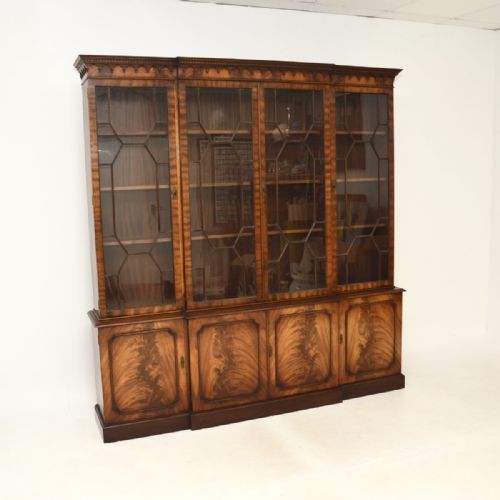
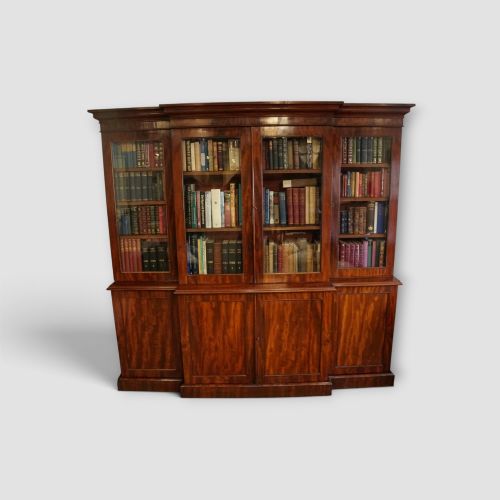
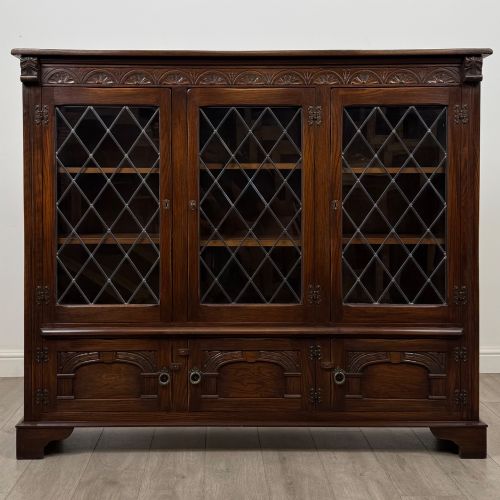
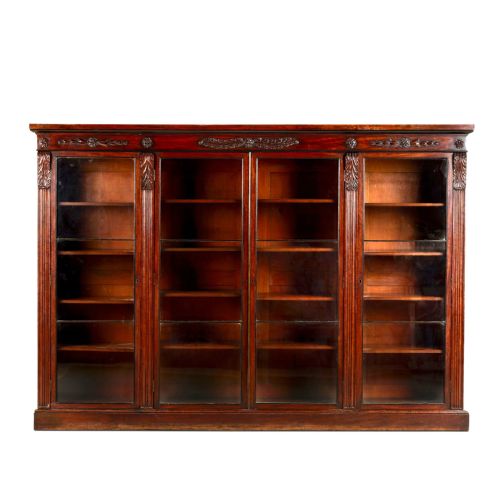
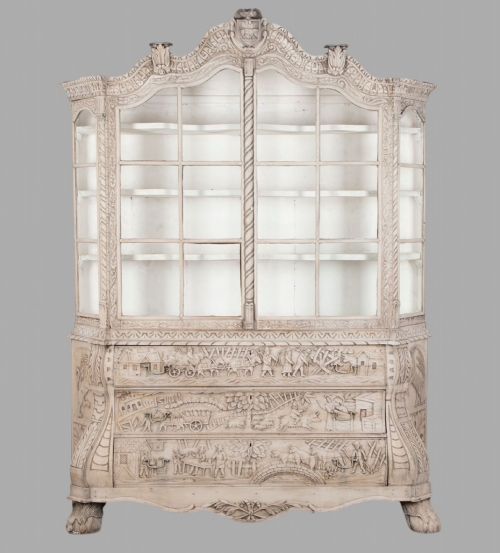
Large Glazed Cabinet
When you search for a large glazed cabinet, you are looking at substantial display pieces and libraries designed to house books and porcelain behind glass.
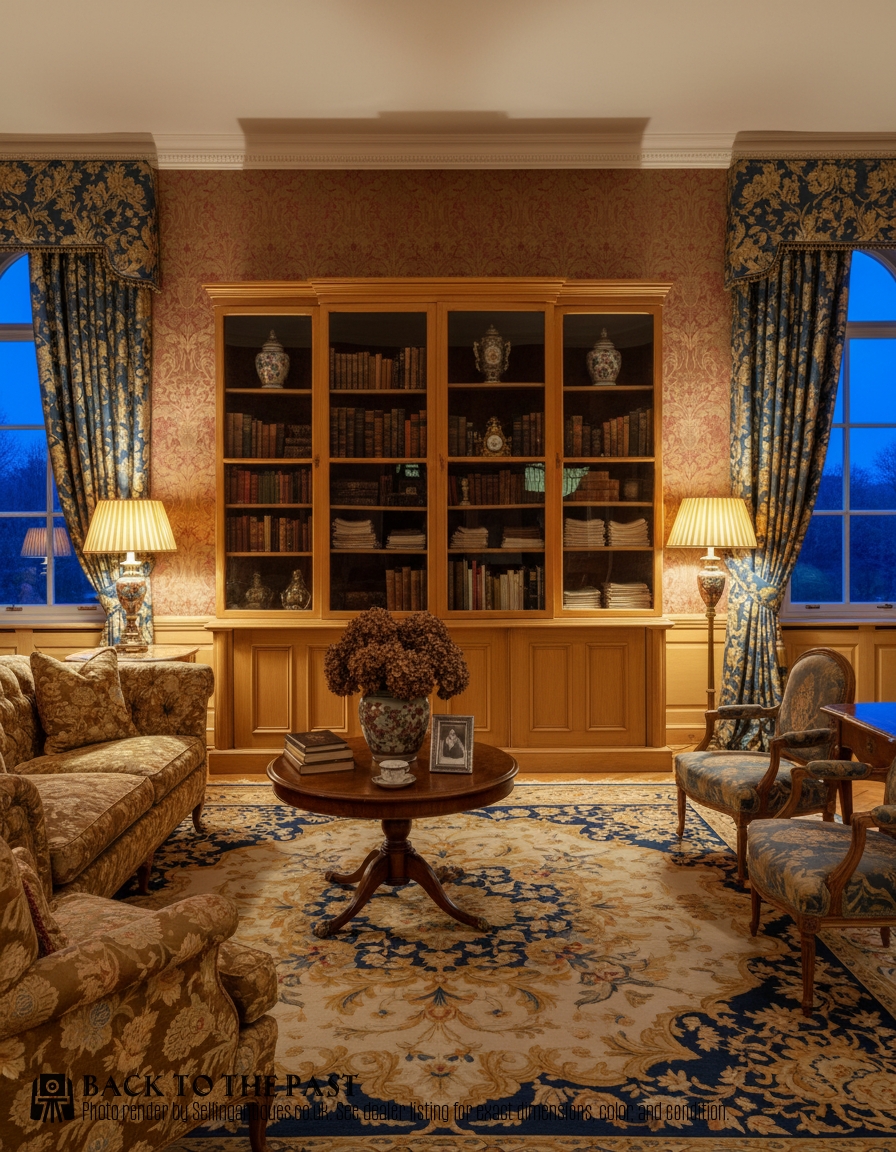
Large Glazed Cabinet
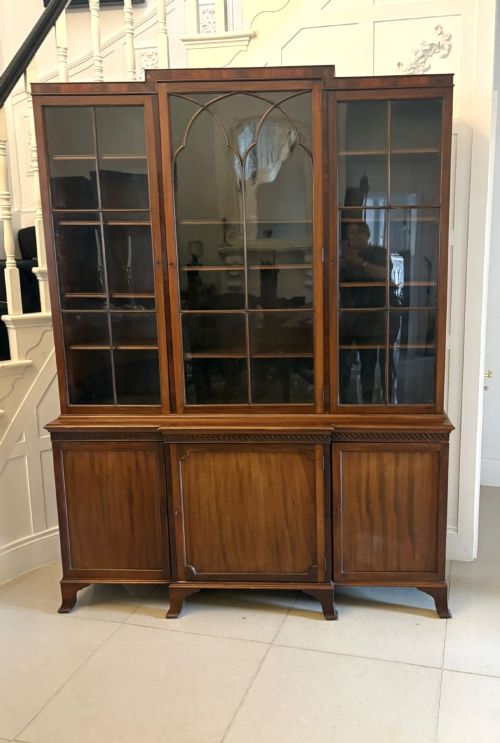
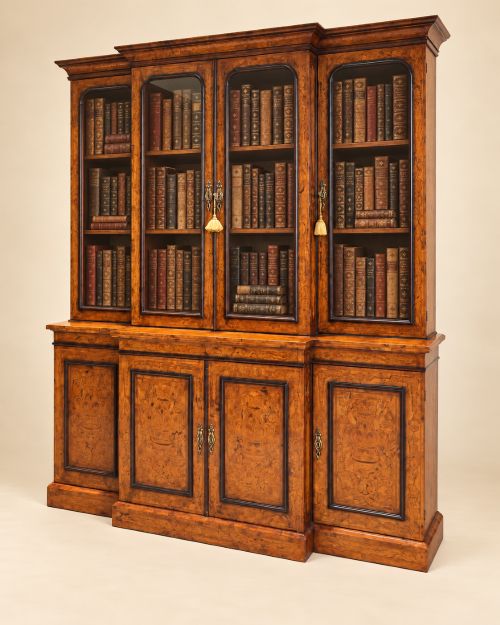
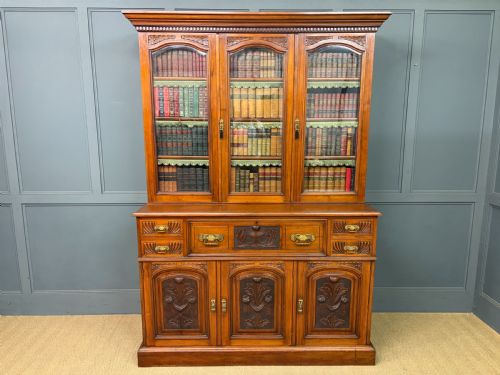
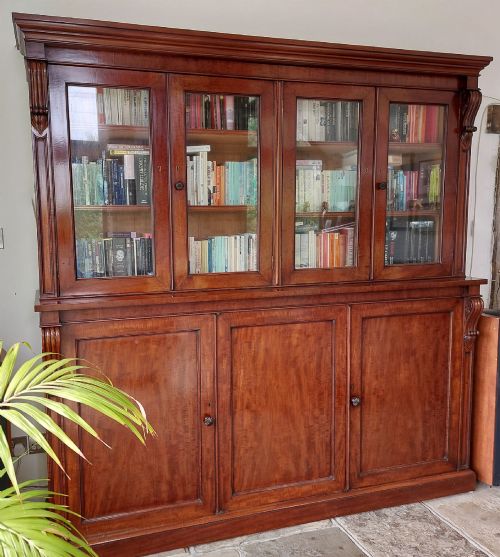
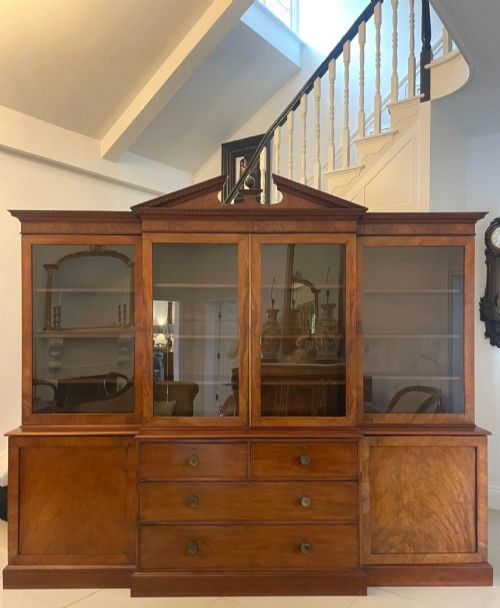
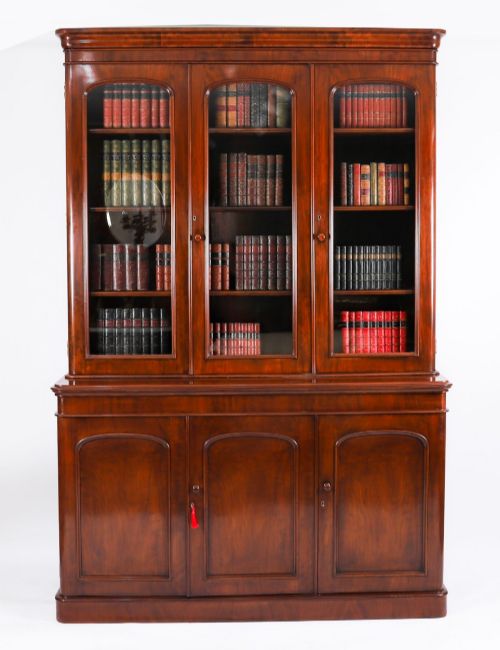
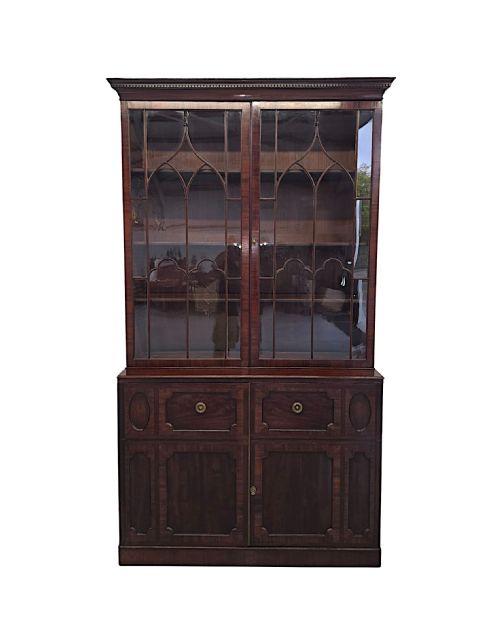
A large glazed cabinet encompasses tall bookcases, breakfront library pieces, and display cabinets originating primarily from the nineteenth and early twentieth centuries, alongside eighteenth-century examples. These substantial items serve to protect and exhibit contents through glass doors, taking forms such as breakfronts, credenzas, and kitchen dressers.
Victorian and Edwardian versions appear frequently alongside earlier Georgian styles, constructed in formats ranging from multi-door library bookcases to wall-hanging display cases. Makers from these eras adopted styles spanning from Gothic Revival to Jacobean Revival and Chinese Chippendale.
Origins stretch across English, French, Dutch, and German workshops, utilising proportions suited for grand rooms, high ceilings, and institutional spaces like schools and colleges.
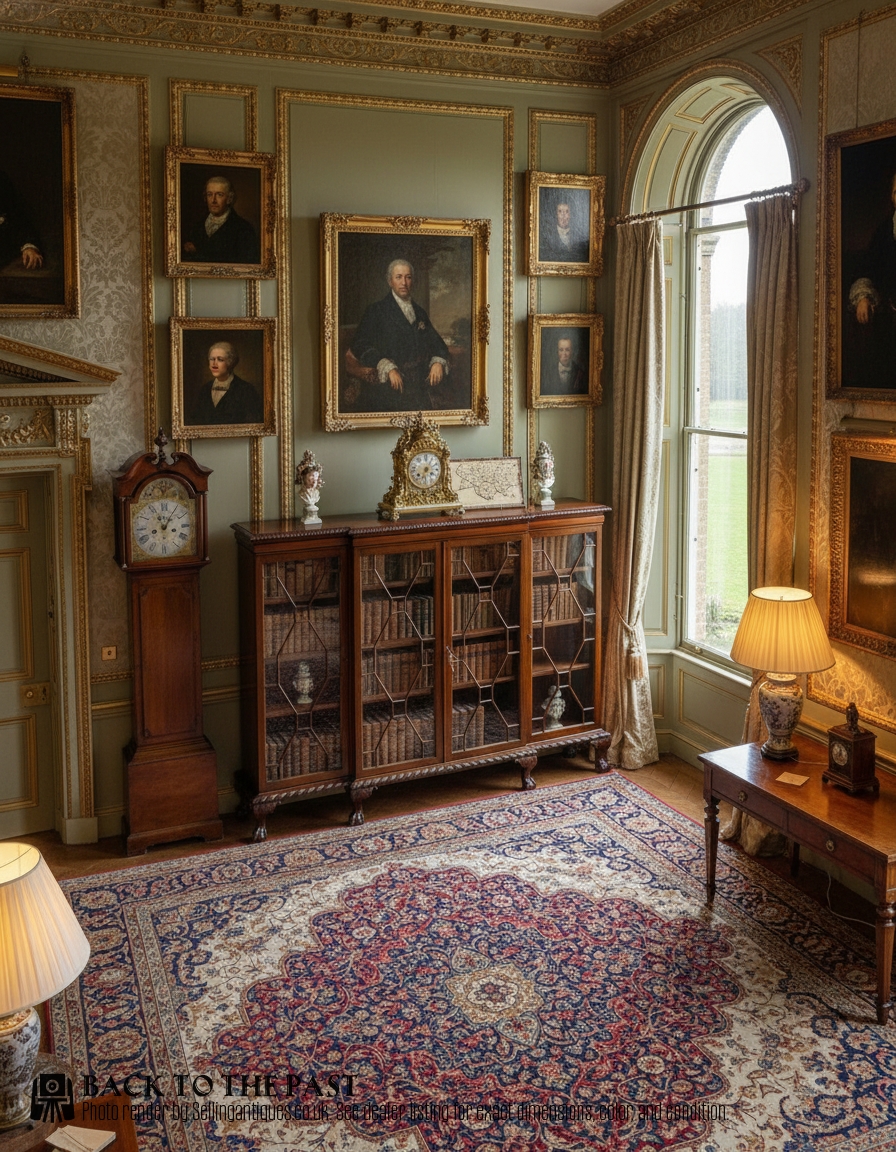
The Spectrum of Quality
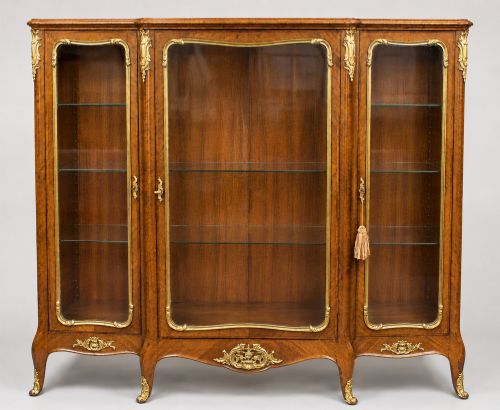
Distinctions across the range rest on the selection of timber, such as figured mahogany or flame veneers, matched against the precision of structural joinery and applied ornamentation. Cabinets boasting hand-carved detailing, ormolu mounts, or original painted decoration demonstrate superior workshop execution.
Proportion and scale dictate the hierarchy of pieces, where breakfront configurations with intricate astragal glazing and integrated secretaire drawers command greater architectural presence than simpler utility cabinets.
Large Glazed Cabinet Retail Price Guide 2026
Typical asking prices for large glazed cabinet among the pieces listed under this phrase on Sellingantiques today, from the lower quarter to the upper quarter. They describe what is for sale here now, not the wider market.
Even school libraries needed grandeur, as proven by large oak cabinets built to withstand generations of studious teenagers.
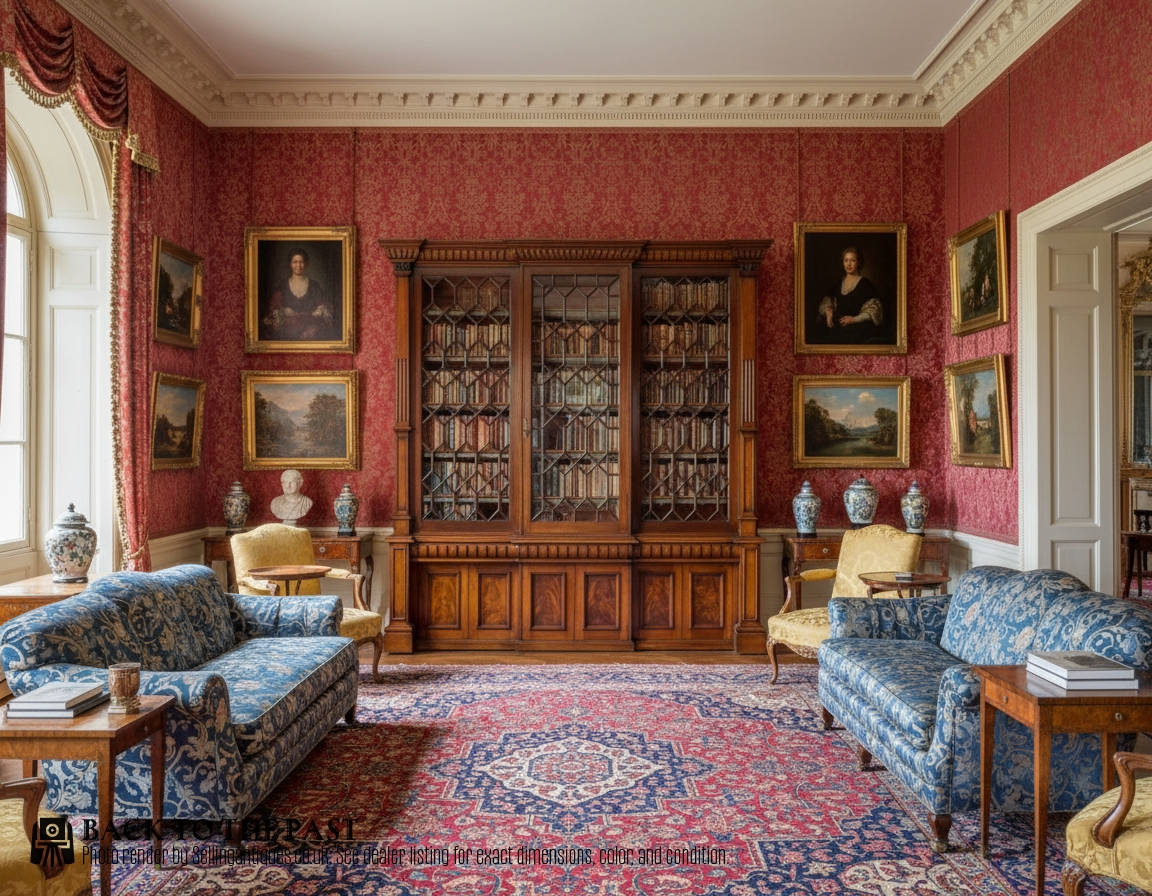
Wylie and Lochhead
The Large Glazed Cabinet Glossary
- Breakfront
- A cabinet design where the central section projects forward from the flanking wings, creating visual depth across the facade. This architectural layout appears frequently in large library bookcases.
- Astragal glazed
- A door construction where wooden bars divide the glass pane into smaller geometric lights. These bars shape the classic grid pattern seen on period bookcase doors.
- Secretaire
- A cabinet incorporating a pull-down writing drawer fitted with small interior compartments and pigeonholes. Such fittings transform a standard bookcase into a dual-purpose library piece.
- Marquetry
- The decorative craft of applying thin pieces of wood veneer to form pictorial or geometric patterns on furniture surfaces. Satinwood and walnut cabinets frequently display this inlay work.
- Ormolu
- Gilded bronze mounts applied to furniture as decorative enrichment, typically found on fine nineteenth-century vitrines and display cabinets.
Large Glazed Cabinet: Frequently Asked Questions
How do I style a large glazed cabinet?
Balance books vertically and horizontally behind the glass doors, interspersing them with ceramics and framed objects to prevent visual heaviness. Leave adequate negative space on shelves to highlight the timber frame and backboards.
Position the cabinet against a substantial wall where its height and breakfront proportions can anchor the room. Ensure interior lighting enhances the display without generating excessive heat near sensitive materials.
Are these cabinets suitable for modern homes?
These pieces require generous floor space and high ceilings, making them ideal for living rooms, studies, or large dining areas. Their internal depth accommodates large book collections and substantial display items.
Consider the clearance needed for doors to open fully, particularly on breakfront or multi-door formats. Knockdown pine versions offer practical solutions for tighter access routes during delivery.
How do I care for antique wood and glass?
Maintain stable room humidity to prevent timber from warping and veneer from lifting off the carcase. Dust wooden surfaces regularly with a dry cloth and apply appropriate wax sparingly.
Clean glass panes with standard solutions while avoiding overspray onto timber or gilt bronze mounts. Check door hinges and locks periodically to ensure smooth operation.
How do I identify the period of a cabinet?
Examine the timber selection, construction methods behind drawers, and styling cues such as astragal bar thickness or carved motifs. Georgian and Regency pieces typically show different cabinet-making signatures compared to later Victorian Gothic or Edwardian revivals.
Look for secondary timbers inside carcases and backboards, which often clarify the region and era of manufacture. Hardware styles and original painted decoration provide further clues to dating.