
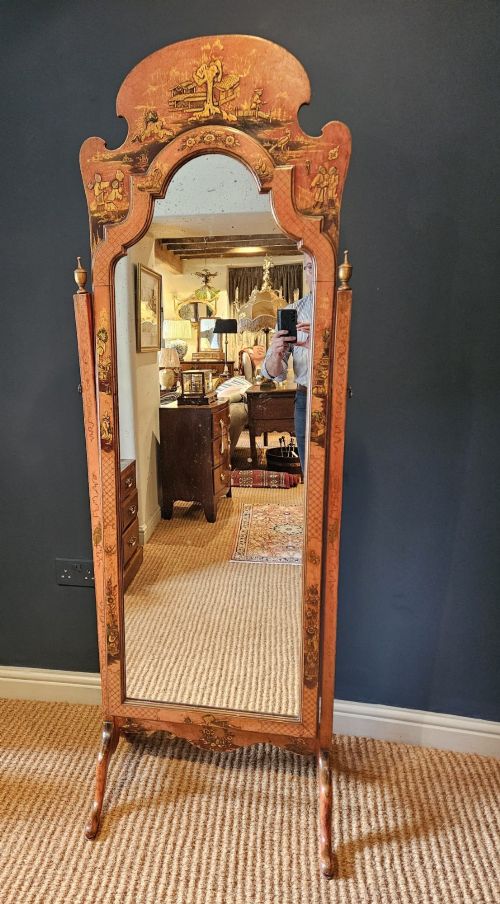
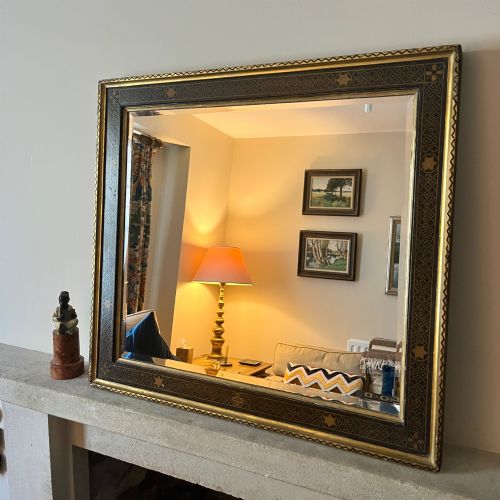
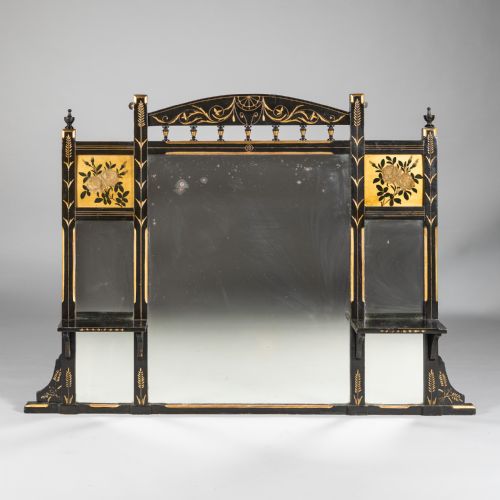
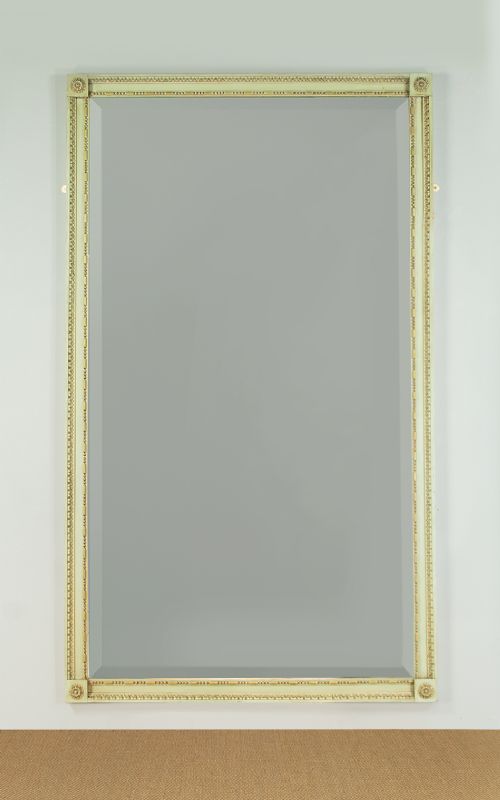


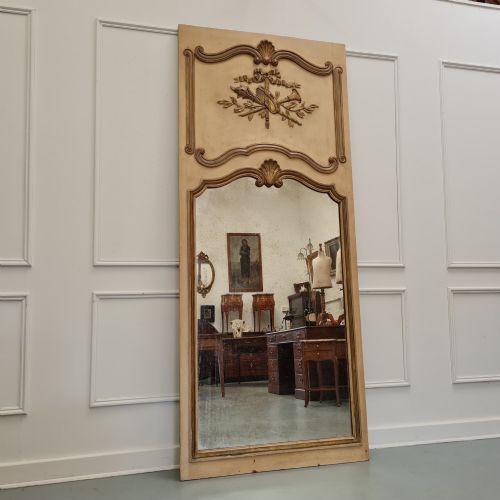
Large Gilt Painted Mirror
Choosing a large gilt painted mirror brings substantial nineteenth-century presence and reflective light into a room through carved wooden frames finished in gold leaf and paint.
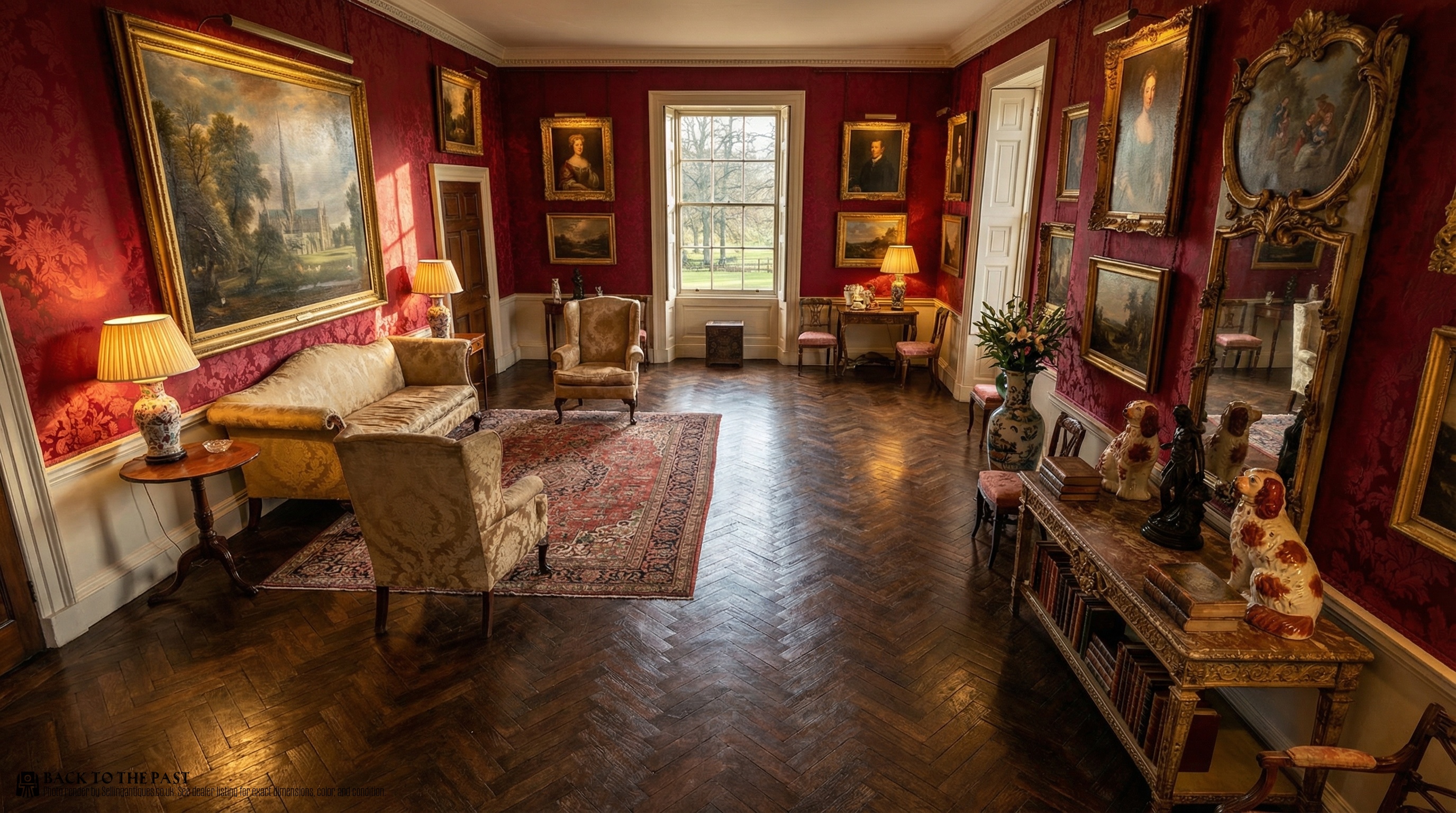
Large Gilt Painted Mirror
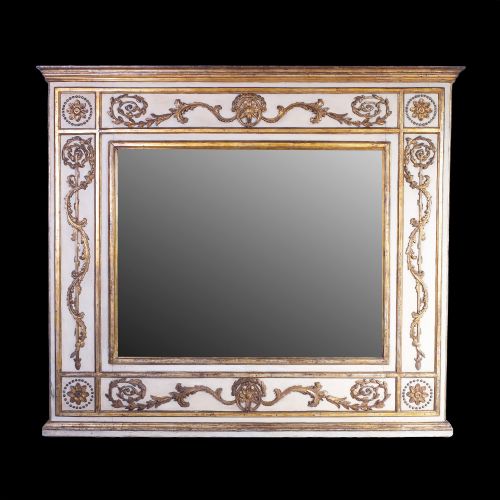
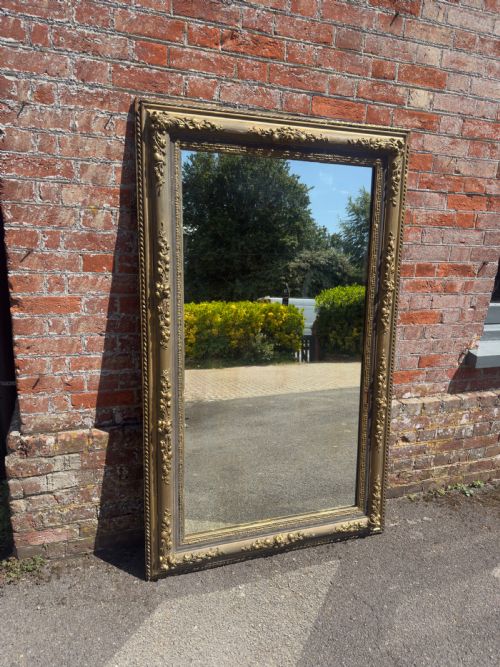
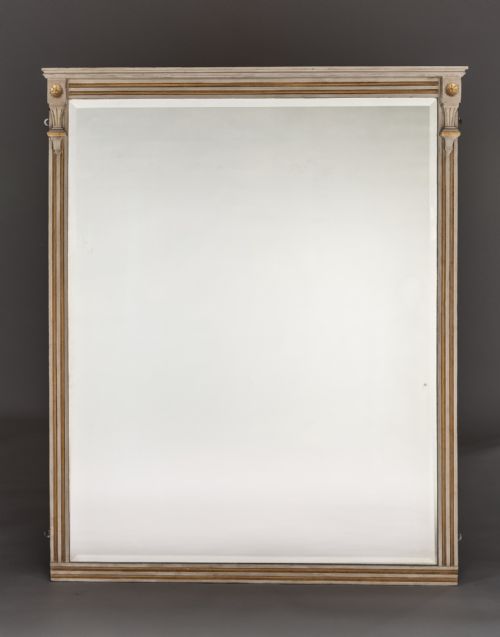
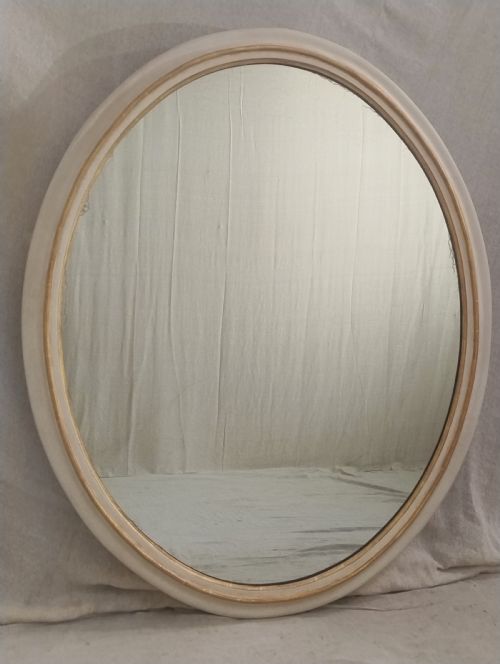
A large gilt painted mirror serves as a dominant architectural focal point, frequently hung above a fireplace mantel or positioned as a full-length wall piece. These heavy frames originate predominantly from nineteenth-century English and French workshops, encompassing styles from the Regency period through to Victorian revivalism.
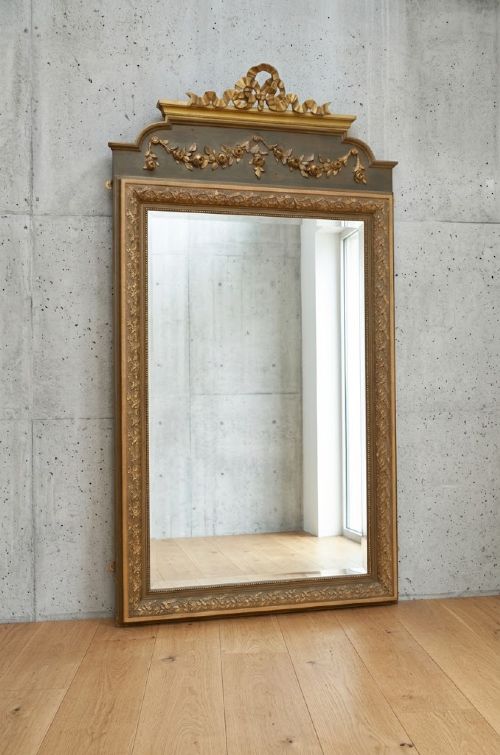
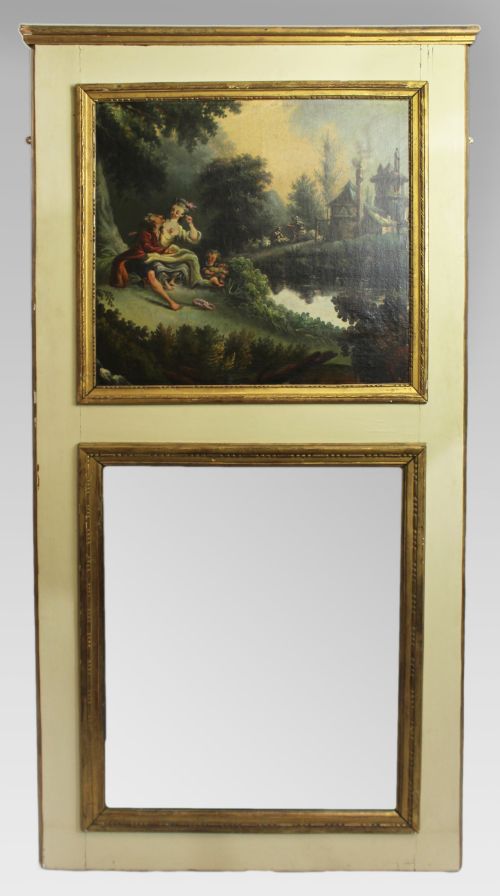
The category spans several distinct object types, with overmantel mirrors and French trumeau panels appearing most frequently alongside pier mirrors, cheval glasses, and decorative picture frames. Trumeau variants often incorporate an oil painting or decorative relief panel directly above the glass plate.
Framing details range from restrained classical mouldings to elaborate rococo carvings, ribbon crests, and architectural rope twists. Pieces from the aesthetic movement introduce ebonised elements alongside parcel-gilt highlights.
How They Were Made
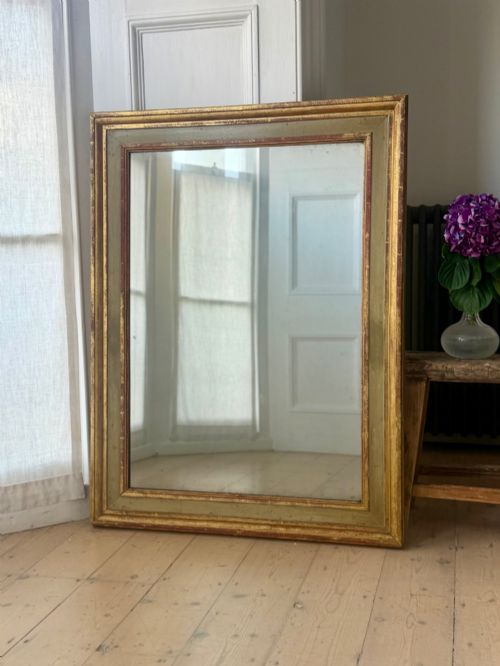
Carved timber foundations, typically pine or hardwood, form the structural core of these frames, overlaid with sculpted gesso to build up intricate relief ornament and scrollwork. Artisans applied thin sheets of gold leaf or metal leaf to designated areas while leaving other portions painted in white, olive green, black, or natural wood tones.
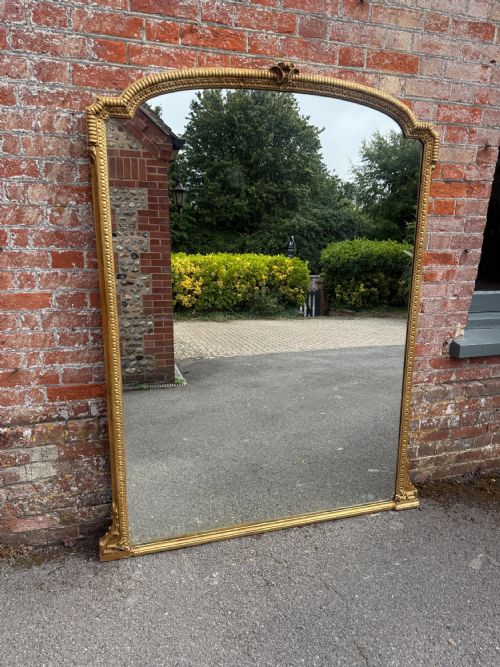
Reflective surfaces consist of heavy mirror glass, occasionally retaining original mercury backing or displaying period foxing and etching. Frames secured their panels using traditional joinery and backboards, often accompanied by hand-carved crests and shaped top arches.
Several mirrors retain pastoral oil paintings and cheerful cherub reliefs watching over the room.
What Varies In Quality
Quality rests in the crispness of the original gesso and wood carving, where deep, hand-tooled depth distinguishes superior work from shallow or cast ornament. The integrity of the surface finish matters equally, distinguishing pieces with original gilding and integrated paint from later overpainted layers.
Proportion and scale dictate the visual impact, with grander architectural frames balancing heavy timber construction against balanced decorative detailing. Surviving original glass plates and untouched backboards elevate the integrity of a piece within the historical range.
Nosotti
The Large Gilt Painted Mirror Glossary
- Gesso
- A plaster-like mixture applied to wood frames and carved before gilding or painting. This material allowed artisans to achieve sharp, intricate relief ornament.
- Trumeau
- A decorative wall mirror featuring an integrated painting or carved wooden panel positioned above the glass plate. These French panels traditionally decorated drawing rooms between windows.
- Parcel Gilt
- A finish where only specific raised portions of a frame receive gold leaf, while the remainder carries paint or ebonising. This technique highlights particular carved details.
- Overmantel
- A wide mirror designed specifically to hang directly above a fireplace mantel. These horizontal formats often echo the architectural proportions of nineteenth-century hearths.
- Mercury Glass
- An older mirror plate manufacturing method producing a speckled, atmospheric reflection known as foxing. Age creates these distinctive dark patches within the glass.
Large Gilt Painted Mirror: Frequently Asked Questions
How do I hang a heavy overmantel mirror safely?
These substantial frames require secure fixing directly into wall studs or masonry using heavy-duty brackets suited to their considerable weight. Professional installation ensures the timber and gesso structure remains supported.
Positioning the piece at the correct height above a mantelpiece balances the visual weight of the room while preventing strain on the hanging hardware.
What is the difference between an overmantel and a pier mirror?
Overmantel mirrors are built with horizontal proportions specifically to span the width of a fireplace mantel. Their frames often feature shaped or arched tops designed to fit architectural chimney breasts.
Pier mirrors are taller and narrower, traditionally manufactured to hang on the wall space between two windows. They frequently incorporate full-length glass plates and vertical symmetry.
How can I tell if the gilding and paint are original?
Original finishes show natural signs of ageing, wear, and craquelure consistent with nineteenth-century materials beneath any accumulated dust. Under close inspection, later overpainting often appears flat and masks the finer details of the gesso carving.
Examining the interface between the wood, gesso, and gold leaf reveals the layered build-up characteristic of period workshop methods.