

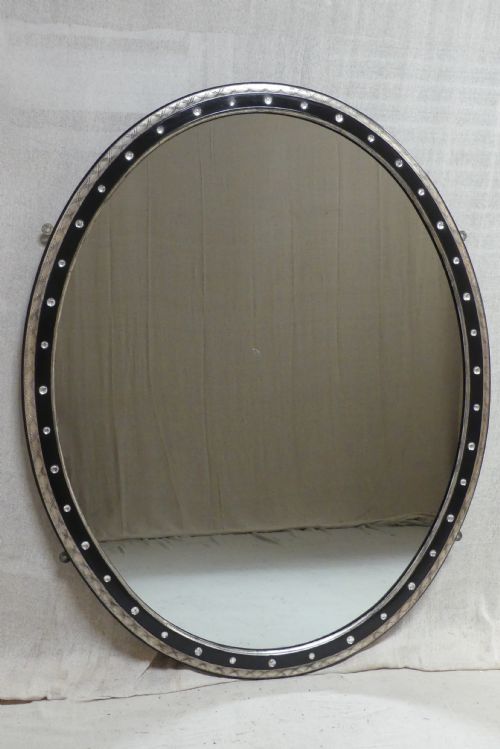


Parcel Gilt Wall Glass
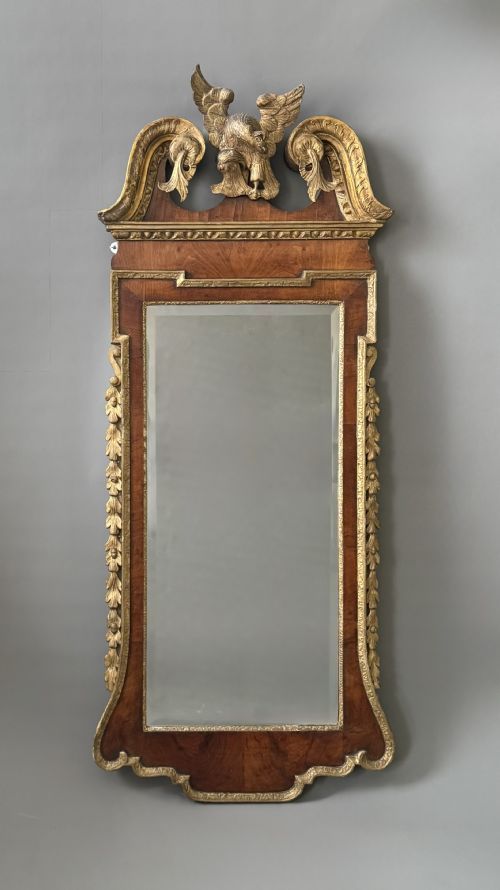
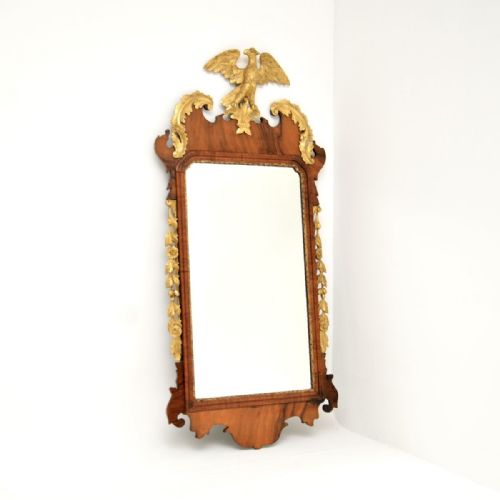
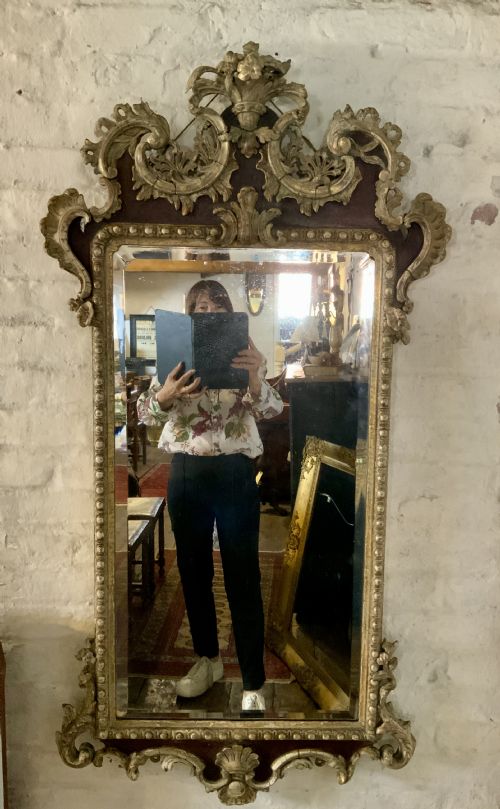
A parcel gilt wall glass brings warmth to a room through selective gold leaf highlights upon rich mahogany, walnut or painted timber frames.
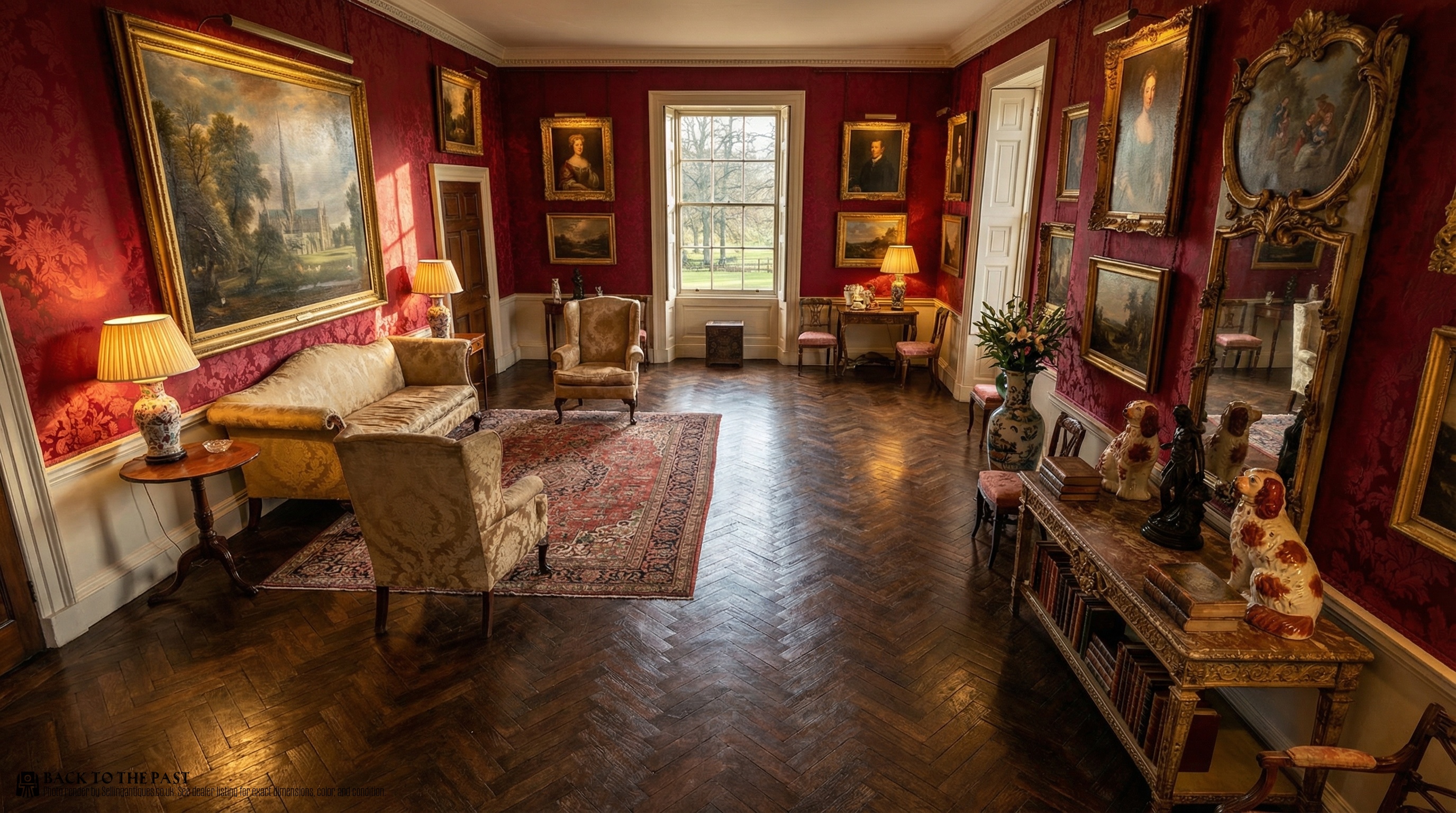
Parcel Gilt Wall Glass
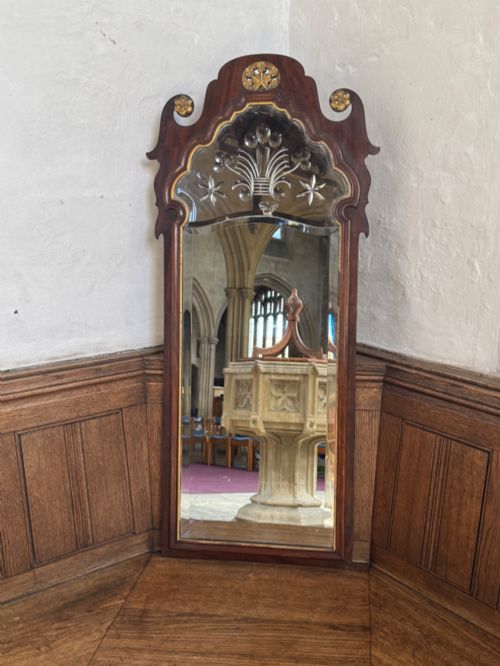
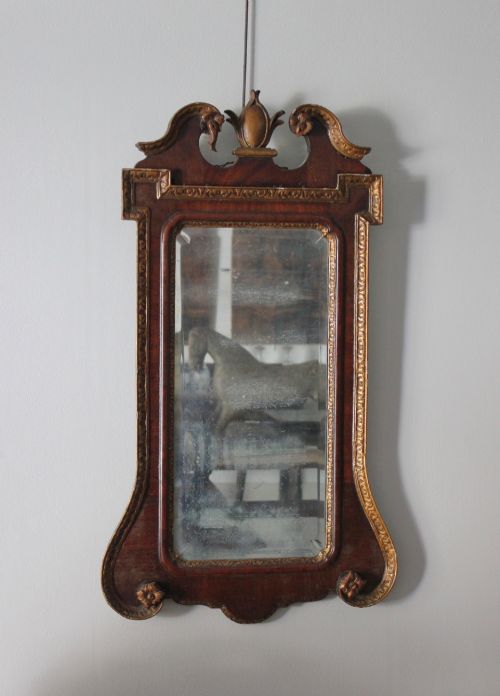
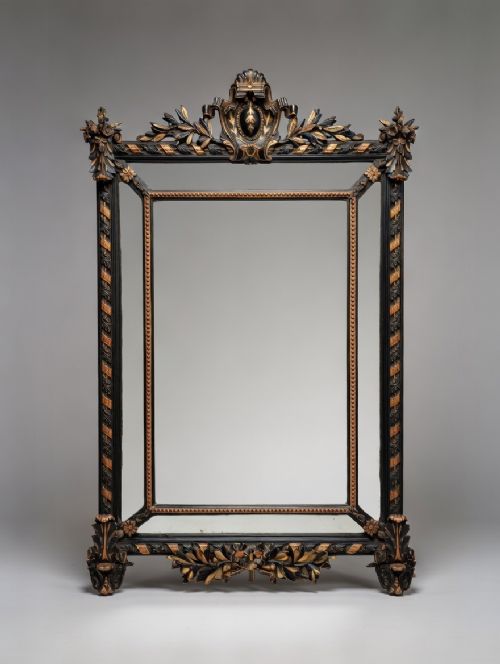
A parcel gilt wall glass is a decorative looking glass designed to hang in reception rooms, featuring carved wooden frames selectively highlighted with gold leaf. When searching for a parcel gilt wall glass, buyers encounter diverse forms ranging from compact Georgian fretwork pieces to large Victorian overmantels and French trumeaux.
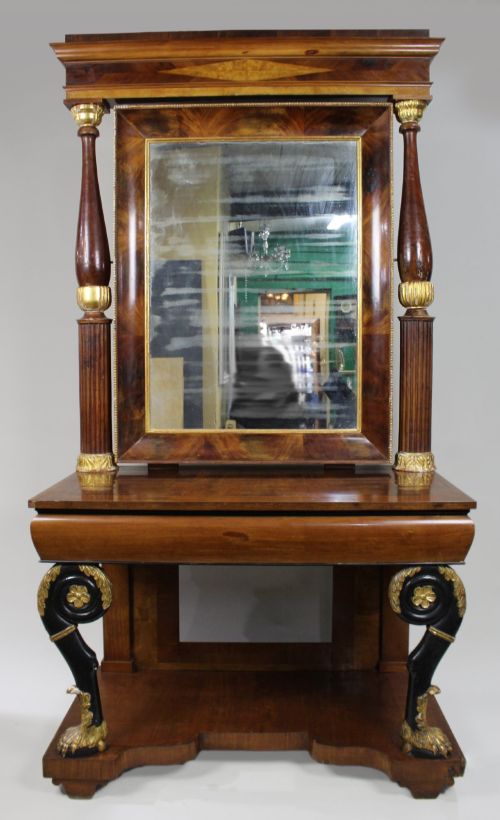
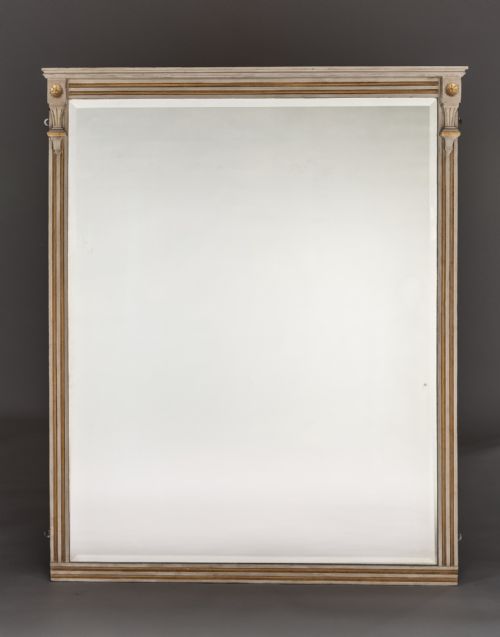
The selection on this page centres heavily on Georgian and Victorian examples, alongside later revivals spanning the eighteenth, nineteenth and early twentieth centuries. Common configurations include pier mirrors designed for placement between windows, console tables paired with matching glass, and substantial overmantel mirrors intended for chimney breasts.
Timbers vary notably across the periods, with walnut and mahogany dominating the earlier eighteenth-century items while painted finishes, oak and ebonised woods emerge in later Victorian iterations. Buyers frequently select these mirrors to introduce vertical proportion, reflected light and traditional craftsmanship into domestic interiors.
How They Were Made
Craftsmen built the structural frames using native and imported hardwoods like mahogany, walnut and oak, often shaping them with intricate fretwork scrolls or architectural pediments. Joinery methods relied on traditional pinned mortise and tenon joints to stabilise the wooden carcase before surface decoration commenced.
Guilders applied thin sheets of gold leaf onto a prepared gesso base layer to highlight specific carved details such as mouldings, floral motifs or edge beads against the dark wood ground. Mirror plates were traditionally silvered by hand, resulting in subtle surface variations and deep reflections distinct from modern float glass.
The inventory encompasses diverse regional cabinet-making traditions, including Welsh craftsmanship alongside English and French provincial workshops.
What Varies in Quality
The quality of a parcel gilt wall glass rests fundamentally upon the crispness of the hand-carved woodwork and the depth of the timber grain visible beneath the polish. Fine examples display sharp undercut foliage and meticulously proportioned fretwork rather than soft, mechanical mouldings.
The preservation of the original surface finish and gilding dictates the standing of a piece within its period. Mirrors retaining their early or original glass plates alongside untouched gilt highlights command greater appreciation from collectors seeking authenticity.
William Kent
The Parcel Gilt Wall Glass Glossary
- Parcel gilt
- Woodwork decorated with gold leaf applied only to specific carved areas while the rest of the timber remains polished or painted. This technique creates a striking contrast between the bright metallic highlights and the dark grain of walnut or mahogany.
- Gesso
- A plaster-like material composed of chalk and glue applied to wood frames to provide a smooth foundation for gilding. Skilled artisans carved intricate details directly into this hardened white ground before applying gold leaf.
- Pier glass
- A tall mirror specifically proportioned to hang on the narrow pier of wall space situated between two windows. These mirrors frequently incorporate console tables placed directly beneath them.
- Trumeau
- A decorative wall mirror combined with a painted panel or oil painting, originating in France. They were designed to fit flush against architectural wall panelling.
- Fretwork
- Thin wood panels pierced with decorative patterns using a fretsaw, commonly found on eighteenth-century mirror frames. This technique adds delicate linear detail without adding excessive weight to the hanging structure.
Parcel Gilt Wall Glass: Frequently Asked Questions
Where should I hang a parcel gilt wall glass?
These mirrors suit placement above a fireplace mantelpiece, in a hallway, or between tall windows to maximise reflected natural light. Their formal proportions make them natural focal points in reception rooms.
Ensure the wall construction supports the considerable weight of hardwood and glass frames by utilising appropriate fixings suited to the specific wall type.
How do I care for antique mirror glass?
Clean mirror plates gently using a soft, dry microfibre cloth to remove dust without disturbing historic silvering edges. Avoid commercial liquid glass cleaners that might seep behind the frame and damage the backing.
Keep the mirrors away from direct sunlight and damp environments to protect both the wooden carcase and the delicate gold leaf parcel gilding.
What is a trumeau mirror?
A trumeau is a distinct style of wall glass featuring an integrated decorative panel positioned above the mirror plate. These panels often display painted pastoral scenes or classical motifs.
Originating in French interior design, they were built to complement specific architectural proportions within formal drawing rooms.
How do I distinguish eighteenth-century mirrors from later revivals?
Eighteenth-century examples typically display hand-cut timber construction, distinct tool marks on the reverse, and mirror plates with subtle bevelling or age-related foxing. Revival pieces from the Victorian and Edwardian eras often utilise machine-sawn timber and more uniform glass plates.
Examining the underlying gesso composition and the wear patterns on the gold leaf also helps clarify the actual period of manufacture.