

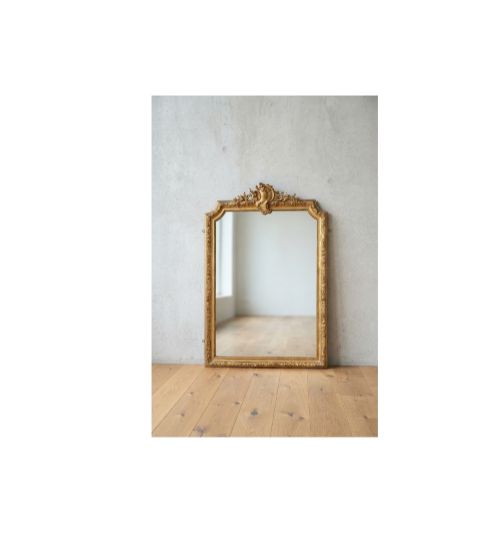

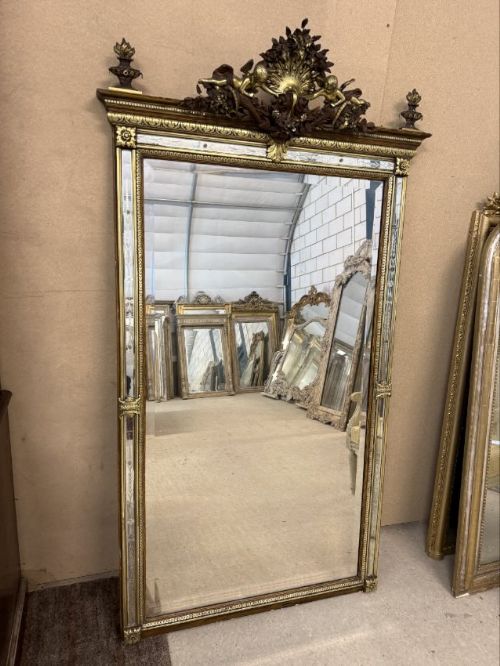
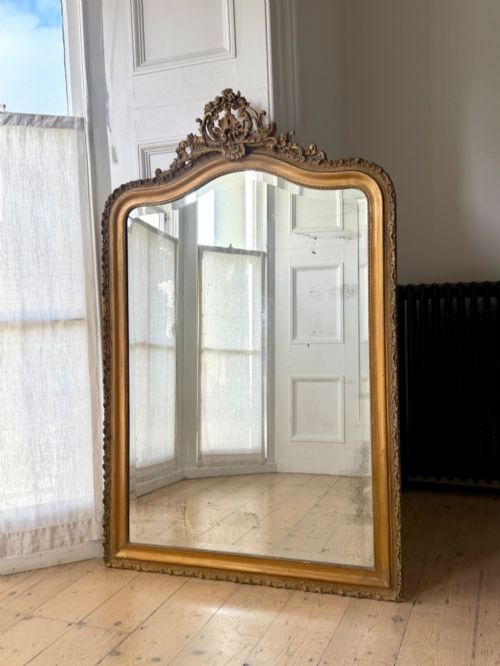
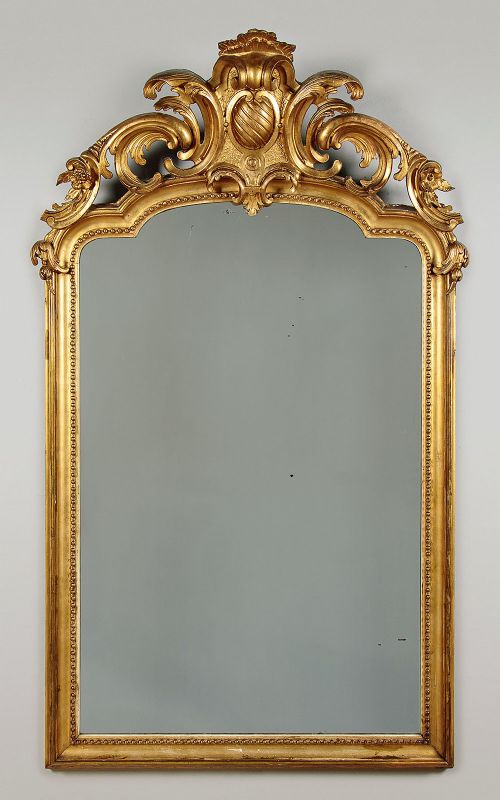
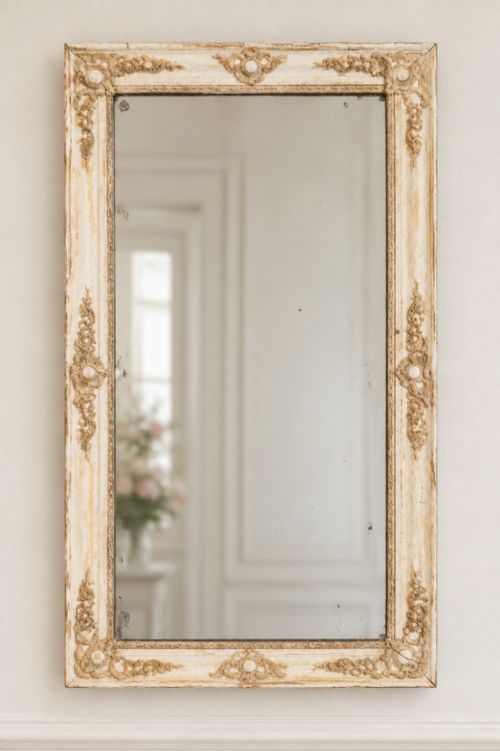
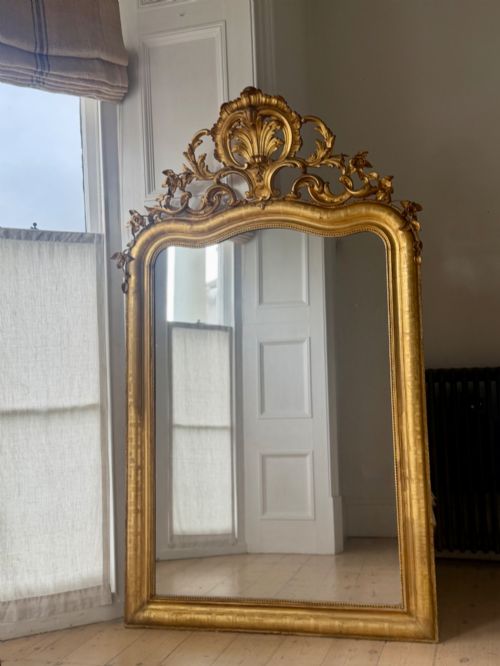
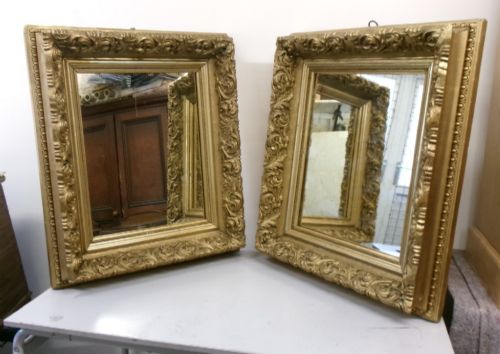
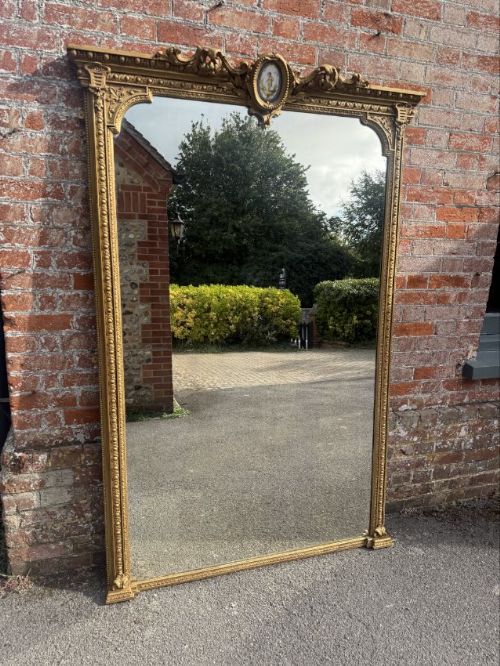
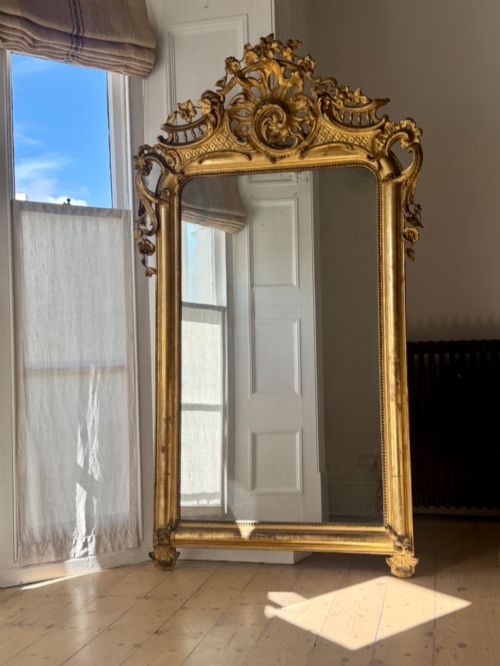
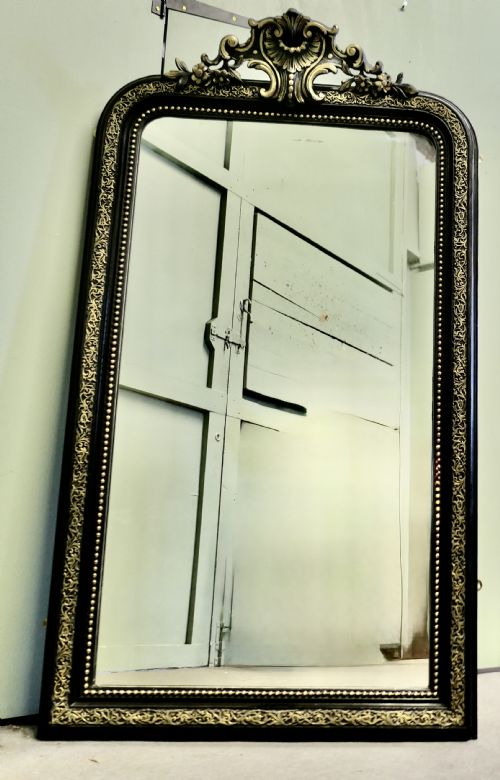
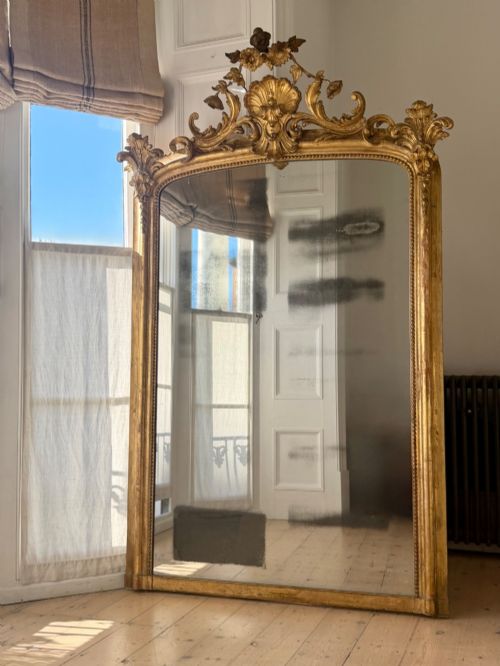
Large French Pier Glass
A large french pier glass anchors a room with height and reflection, bringing light between windows or above a mantel.
Large French Pier Glass
When you search for a large french pier glass, you look at tall wall mirrors designed to stand between windows or above fireplaces in grand interiors. These pieces stretch upwards to draw natural light deep into reception rooms and parlours.
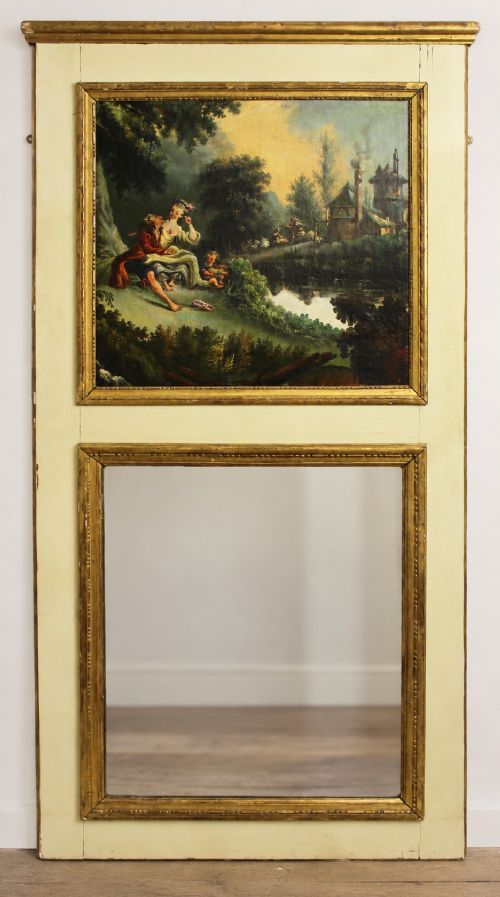
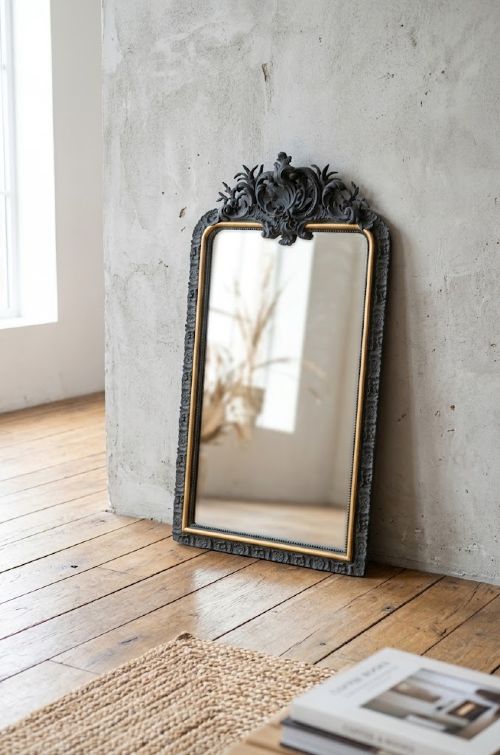
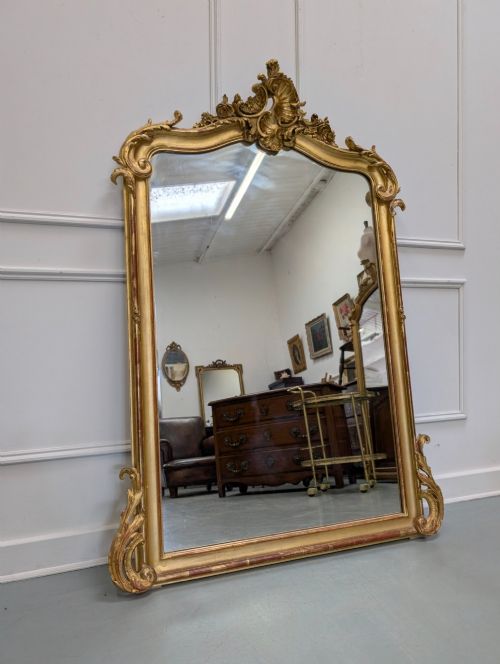
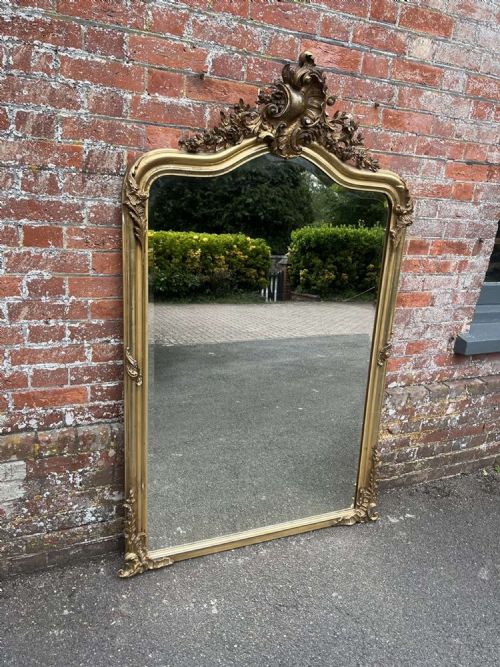
You meet versions spanning the eighteenth century through to nineteen hundred, with nineteenth-century interpretations predominating on this page. Common formats include architectural trumeau panels incorporating oil paintings, arched top frames, and tall rectangular formats.
The regional origins and stylistic vocabulary draw heavily on French Chateau, Empire, and Rococo Revival traditions. Makers constructed these mirrors to dominate a wall through sheer vertical scale and ornate gilding.
How they were made
Carved wood and gesso form the structural base for the most ornate decorative frames, providing a dense substrate for intricate relief work. Artisans applied gold leaf, silver leaf, or paint over these carved wooden carcasses to achieve lustrous metallic finishes.
Early examples utilise mercury glass plates, which produce a distinct mottled reflection and deeper silvering tone than modern float glass. Trumeau variants integrate hand-painted pastoral oils directly into the wooden framework above the main mirror plate.
Large French Pier Glass Retail Price Guide 2026
Typical asking prices for large french pier glass among the pieces listed under this phrase on Sellingantiques today, from the lower quarter to the upper quarter. They describe what is for sale here now, not the wider market.
Some mirrors incorporate hidden pastoral oil paintings above the glass, letting owners enjoy both fine art and a reflection simultaneously.
What varies in quality
The depth and crispness of the wood carving separate standard decorative frames from exceptional pieces. Hand-carved relief work holds sharp contours and intricate undercut details, whereas lower-tier examples rely on softer moulded composition ornaments.
The preservation of the original mercury glass plate and its silvering contributes heavily to historical authenticity and visual depth. Intact original gilding layered over gesso commands greater regard than later overpainting or heavy restoration.
The Large French Pier Glass Glossary
- Pier glass
- A tall mirror specifically designed to hang on the narrow wall space between two windows. These pieces often sat above a pier table.
- Trumeau
- A decorative architectural wall panel that combines a mirror plate with an oil painting or carved wooden motif above. They gained popularity in eighteenth-century French interiors.
- Gesso
- A plaster-like mixture applied to a wooden frame to create a smooth surface for gilding or painting. Deep relief details were often modelled directly in this material.
- Mercury glass
- A double-walled glass blown object or flat mirror plate silvered with a mercury amalgam between the glass layers. It creates a characteristic dark, foxed reflection.
- Giltwood
- Timber that has been coated with a thin layer of gold leaf. It forms the primary metallic finish seen on formal nineteenth-century frames.
Large French Pier Glass: Frequently Asked Questions
Where should I hang a large french pier glass?
These tall mirrors work best positioned between two windows or mounted above a principal fireplace mantel. Their vertical proportions elongate wall space and maximise ambient light.
Ensure the wall construction supports substantial weight, as carved wooden and gesso frames carry considerable heft. Secure heavy mounting brackets directly into wall studs.
What is mercury glass?
Mercury glass refers to mirror plates silvered using a mercury and tin amalgam process common before modern chemical silvering arrived. This technique produces a deep, reflective surface that ages with dark spots.
Collectors prize genuine mercury plates for the atmospheric, foxed appearance they develop over centuries. This mottled quality distinguishes antique glass from modern replacements.
How do I date a french pier glass?
Dating relies on examining the frame construction, wood types, and the characteristics of the glass plate. Eighteenth-century models display hand-carved details and heavy mercury plates, while later nineteenth-century examples often utilise applied composition ornaments.
Stylistic markers like neoclassical symmetry or Rococo Revival asymmetry provide further chronological context. Tracing the evolution of gilding techniques helps confirm the period of manufacture.