
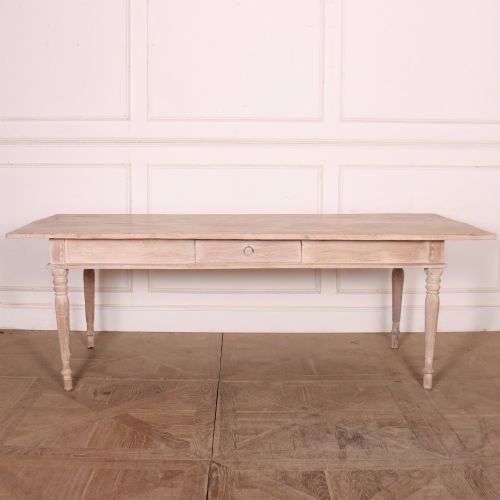
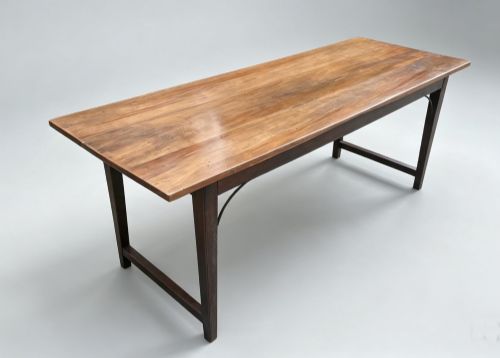
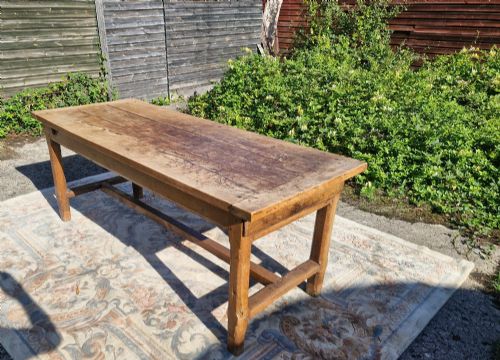
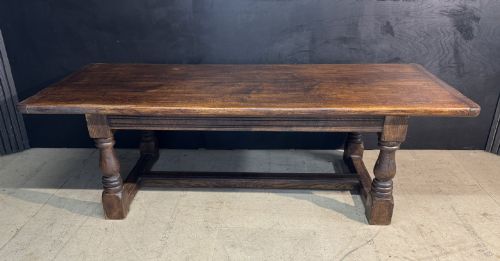
Large Farmhouse Table
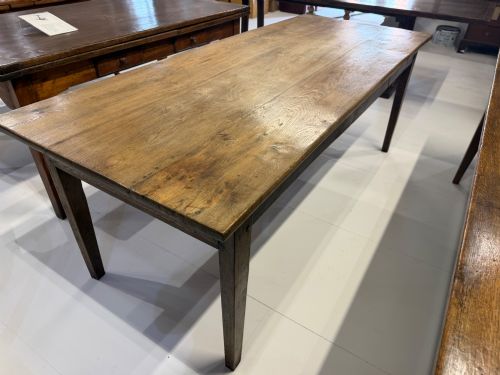
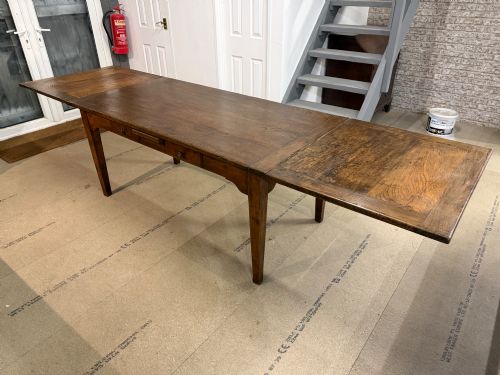
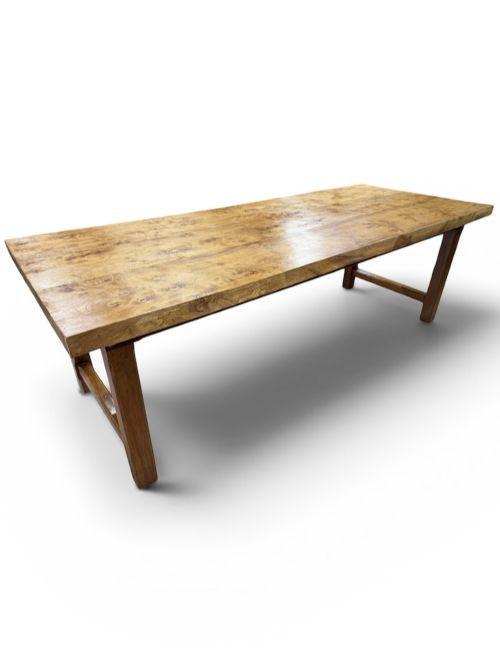
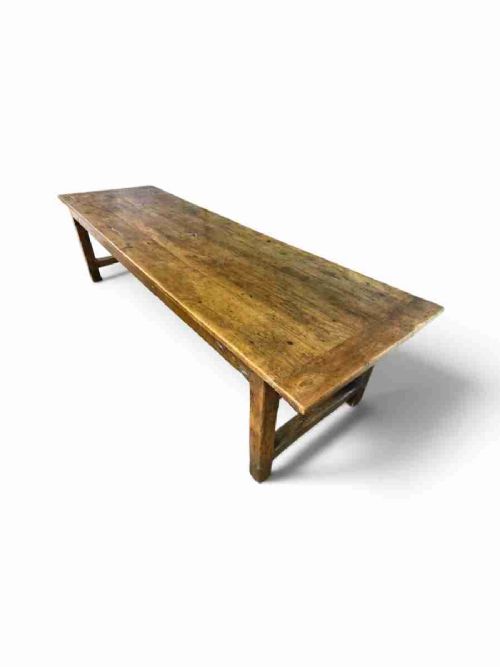
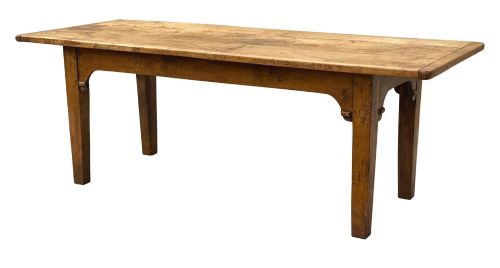
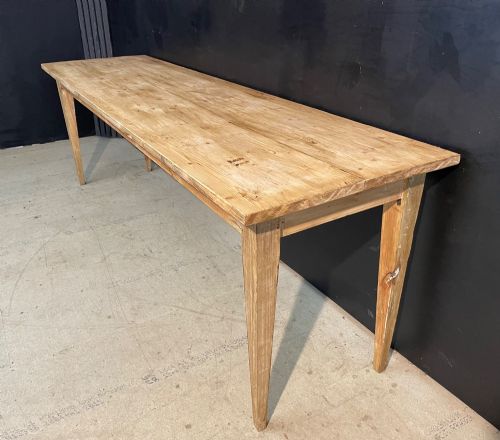
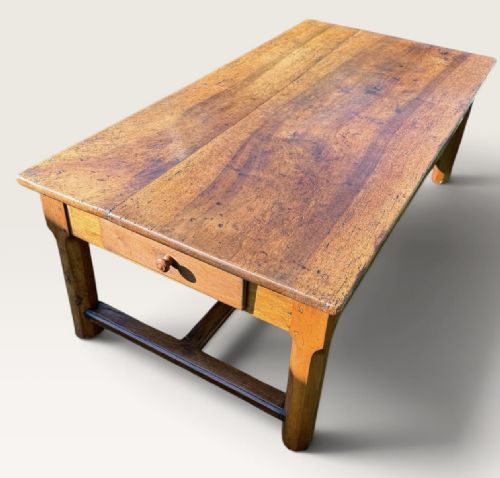
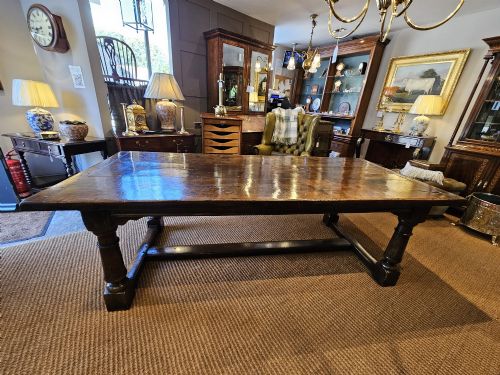
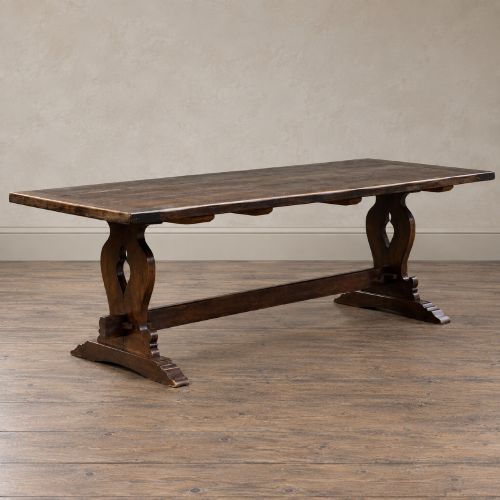
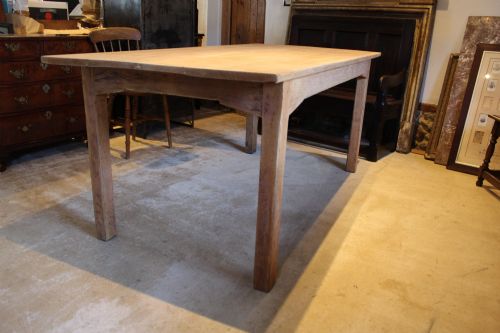
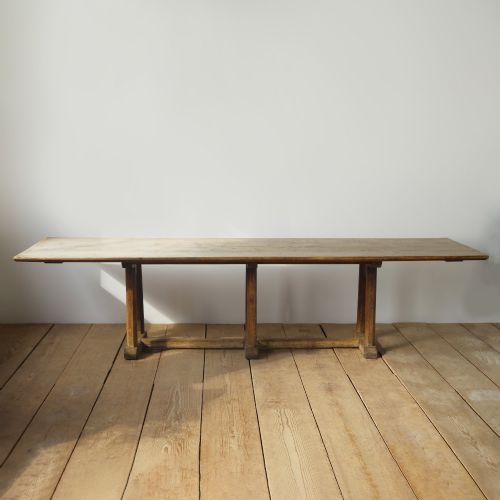
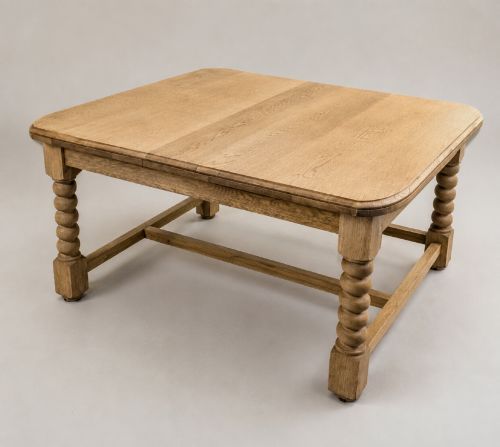
A large farmhouse table anchors the kitchen or dining room with heavy timber construction, offering generous proportions built for daily gatherings and long use.
Large Farmhouse Table
A large farmhouse table serves as a central hub for food preparation and communal dining, appearing predominantly in robust timber forms across the listings. These pieces emerge from the 18th century through to the early 20th century, capturing rustic country and provincial styles from English and French origins.
Buyers encounter heavy refectory formats, harvest boards, and scullery designs intended for active domestic spaces. Oak, pine, elm, and cherrywood dominate the surviving examples, reflecting the utilitarian needs of historical kitchens and dining rooms.
How They Were Made
Constructed primarily from solid hardwoods and softwoods like oak, pine, elm, and cherrywood, these tables utilise thick plank tops joined by sturdy stretchers and sturdy legs. Carpenters relied on pegged mortise and tenon joints to withstand the heavy weight and constant movement demanded by daily farm life.
Surfaces show varying levels of hand-planing, visible grain patterns, and occasional traces of historical paint or wax finishes. The combination of durable timber species and traditional joinery ensures structural longevity across centuries of domestic service.
Some historical work tables still carry the faint, permanent stain of long-forgotten pastry flour and spilled fruit juices.
What Varies in Quality
Quality rests upon the selection of timber, the integrity of the original construction, and the preservation of surface character. Tables featuring single-board or double-board tops in dense hardwoods like oak or fruitwood command attention for their structural permanence and balanced proportions.
The degree of original hardware, minimal alterations to the underframe, and a deep patination accumulated through age separate utilitarian workshop pieces from finer domestic examples. Proportions that retain their original height and unaltered stretchers indicate superior historical integrity.
The Large Farmhouse Table Glossary
- Refectory table
- A long, narrow dining table traditionally used in monasteries and large country houses. They feature sturdy legs connected by a low longitudinal stretcher for added stability.
- Harvest table
- A narrow wooden table designed to be easily moved and cleared during seasonal agricultural gatherings. These typically offer long rectangular proportions to seat many people.
- Stretcher
- A horizontal wooden bar connecting the legs of a table to prevent them from bowing outward under heavy weight. It provides vital structural support in large timber furniture.
- Patina
- The surface sheen and colour acquired by wood through decades of handling, polishing, and exposure to light. It serves as an indicator of age and consistent use.
- Mortise and tenon
- A traditional woodworking joint where a projecting tongue fits snugly into a matching cavity to lock two pieces of timber together securely without metal fasteners.
Large Farmhouse Table: Frequently Asked Questions
How do I clean a wooden farmhouse table?
Wipe surfaces gently using a slightly damp cloth with mild soap, avoiding harsh chemical sprays that strip historical finishes.
Dry the timber immediately afterwards with a soft cloth to protect the grain and preserve the natural patination.
Can these large tables fit modern dining spaces?
Their substantial length and depth require open floor plans with enough clearance around all sides for chairs and movement.
Measuring the room thoroughly before purchase ensures the piece does not overwhelm the domestic layout.
What is the difference between oak and pine tables?
Oak provides a dense, heavy hardwood surface with prominent grain patterns suited for formal refectory settings and heavy daily use.
Pine offers a softer, lighter softwood option often associated with painted finishes, scullery drawers, and provincial country kitchens.
How can I tell the age of the timber?
Examine the underside of the top boards and the joinery marks for signs of hand-sawing, adze work, and pegged construction.
Variations in board width and uneven wear patterns help distinguish 18th and 19th-century examples from later reproductions.