


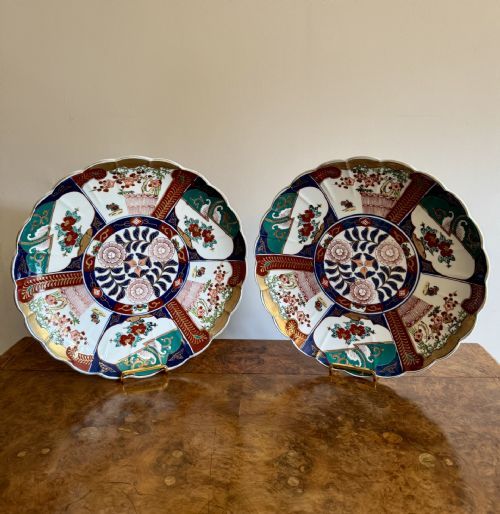

Large Decorative Wall Platter
A large decorative wall platter brings bold scale and historical narrative to an interior, drawing the eye instantly through intricate surface design.
Large Decorative Wall Platter
A large decorative wall platter is a substantial display piece designed primarily for vertical suspension rather than dining use. These items manifest in numerous forms including chargers, large plates, and circular trays.
Buyers encounter works originating from varied global traditions spanning the nineteenth and early twentieth centuries. Japanese Imari porcelain and intricate cloisonné enamel examples appear frequently alongside European earthenware and Middle Eastern metalwork.
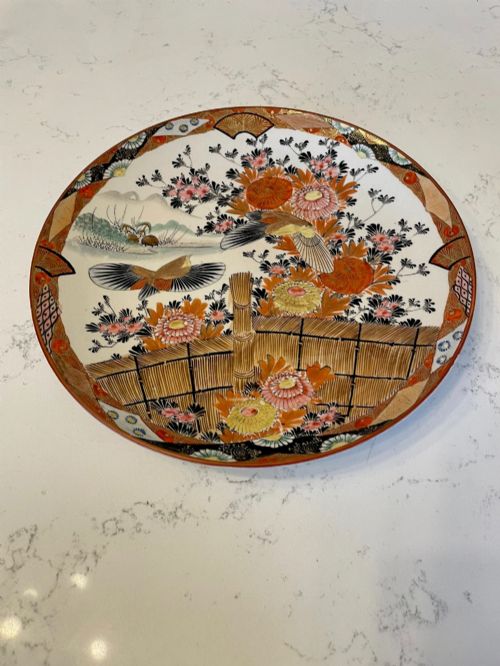
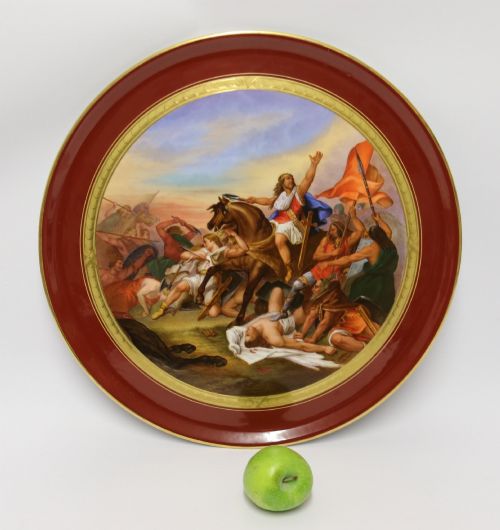
The objects serve as striking focal points in a room, offering rich visual narratives from historical battle scenes to classical Japanese flora and fauna.
How they were made
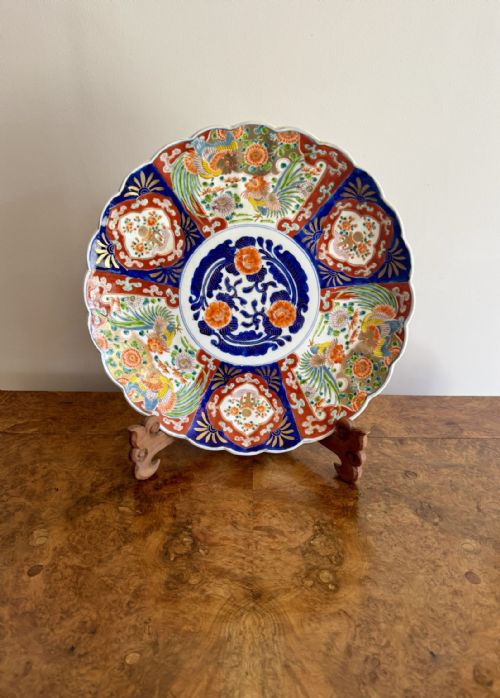
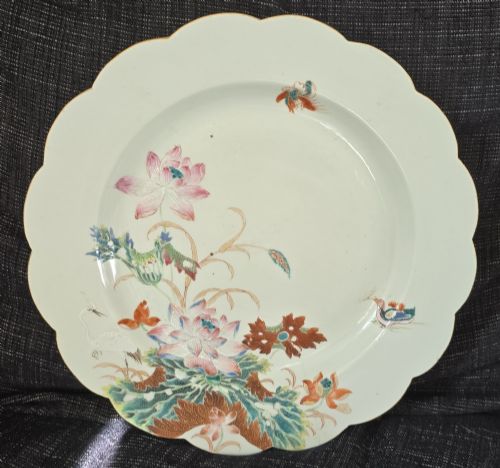
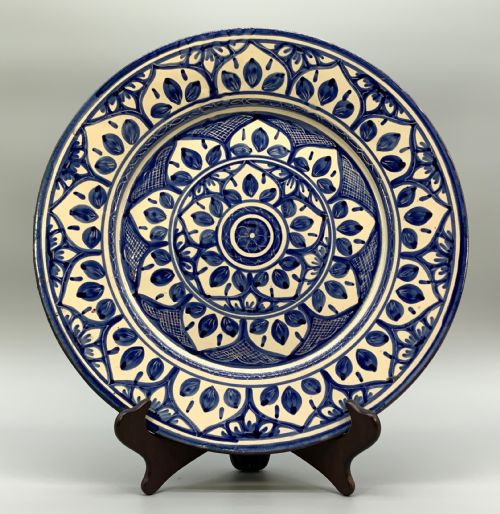
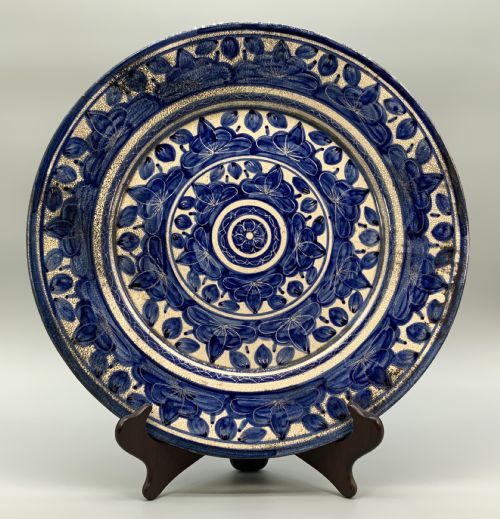
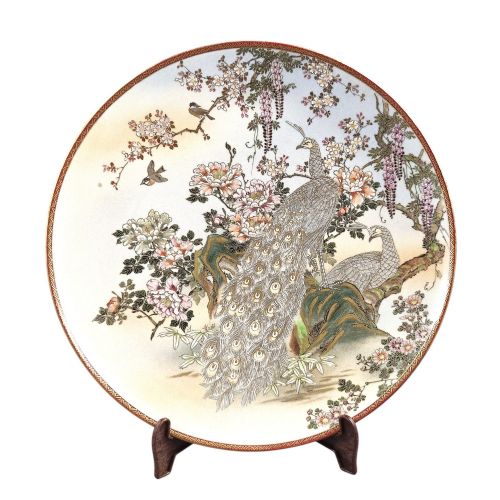
Ceramic and porcelain pieces utilise skilled hand-painting, cobalt blue underglazes, and vibrant polychrome enamels fired at high temperatures. Artisans of the Meiji period and European potteries applied meticulous detail directly onto the clay body.
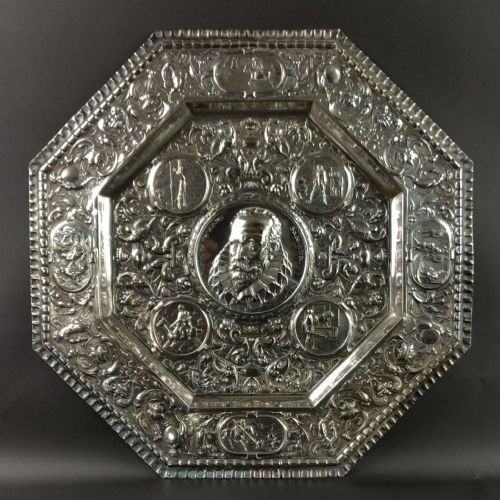
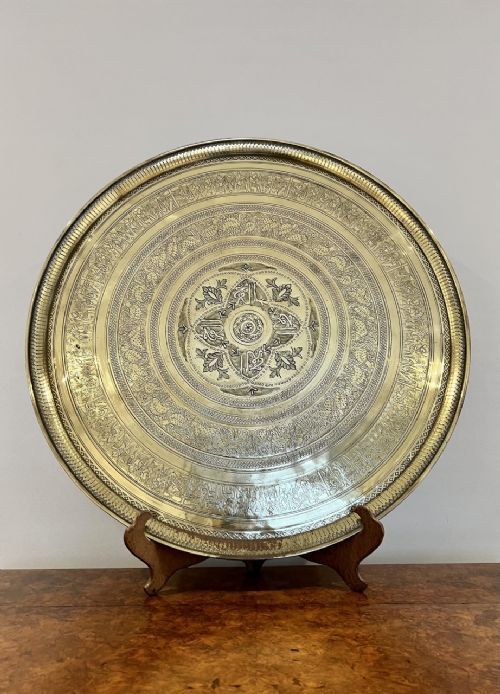
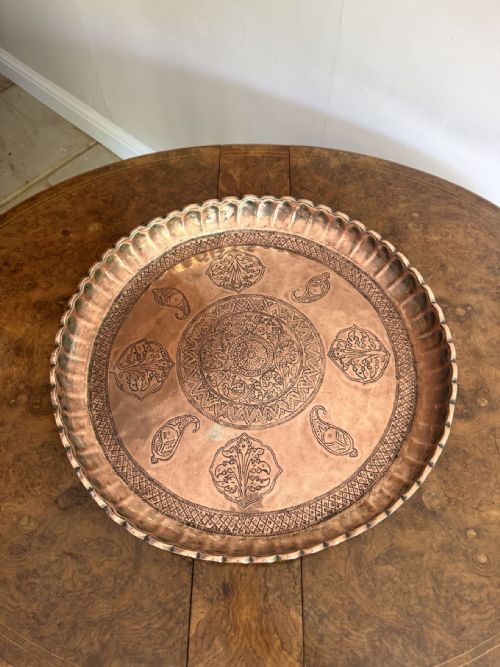
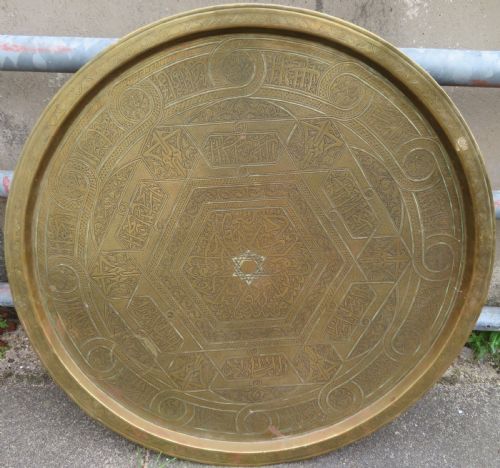
Metal vessels employ techniques such as repoussé, engraving, and mixed metal inlay. Cairo Ware objects demonstrate complex brass and copper work, while cloisonné relies on delicate wire enclosures filled with colourful enamel pastes.
Several platters boldly feature owls, dragons, and carp swimming upstream, proving that nineteenth-century artisans loved animals with attitude.
What varies in quality
The refinement of the hand-painted brushwork or the precision of metal wirework dictates the visual impact of the piece. Superior examples display depth, proportion, and clarity in their narrative scenes or natural motifs.
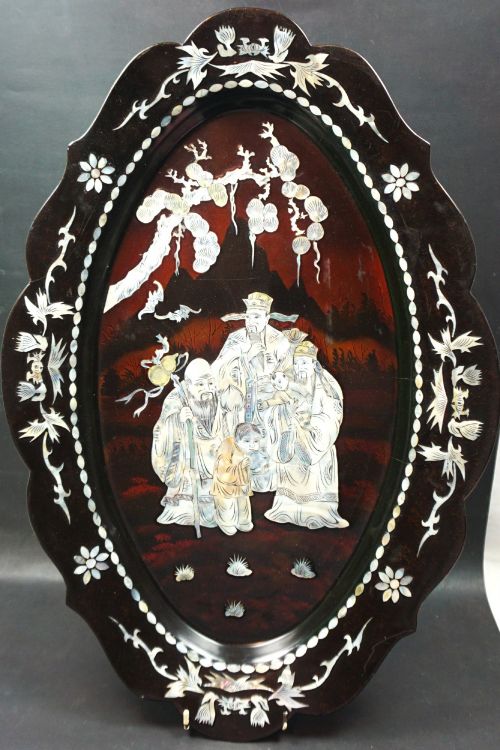
Material richness elevates certain works, particularly those incorporating intricate mother-of-pearl inlay, gold leaf accents, or mixed metal combinations that demonstrate exceptional artisan competency.
The Large Decorative Wall Platter Glossary
- Imari
- A style of Japanese porcelain featuring characteristic underglaze blue and iron red, often enriched with gilt. These wares were heavily exported to Europe.
- Cloisonné
- An enamel technique where thin metal wires form raised compartments on a base, which are then filled with coloured paste and fired.
- Repoussé
- A metalworking method where the artisan hammers the reverse of a sheet to create a raised design on the front.
- Charger
- A large ornamental plate historically used for ceremonial purposes or table service, later adapted primarily for display.
- Cairo Ware
- Late nineteenth-century metalwork originating from Egypt, typically comprising brass or bronze inlaid with silver and copper in Islamic geometric patterns.
Large Decorative Wall Platter: Frequently Asked Questions
Are these platters meant for food?
Most antique pieces function strictly as decorative display items rather than functional tableware. Glazes from the nineteenth century may contain lead, and delicate surfaces easily sustain damage from cutlery.
Enamel, brass, and lacquered wood items require careful preservation away from kitchen moisture and heat. Enjoy them purely for their artistic and historical merit on the wall.
How do I identify Japanese Imari?
Japanese Imari porcelain typically presents a distinct palette of cobalt blue, burnt orange, and bright white, frequently highlighted with gold leaf. The surface designs often incorporate floral motifs, brocade patterns, and panels of birds or landscapes.
Examining the foot ring and the underside reveals unglazed clay characteristics typical of nineteenth-century production methods. These visual traits distinguish true Asian export porcelain from later European imitations.
How should I clean metal trays?
Preserving engraved brass, copper, and mixed metal trays involves gentle dusting with a soft, dry cloth. Avoid abrasive metal polishes that strip away historical patinas and damage inlaid details.
Keeping the pieces away from direct sunlight and damp environments prevents oxidation and tarnishing. Professional conservation advice helps maintain the integrity of delicate lacquered or inlaid surfaces.