



Large Chinese Porcelain Bowl
A large chinese porcelain bowl brings centuries of mastery in glaze and pigment straight to the table, offering generous proportions and striking hand-painted detail.
Large Chinese Porcelain Bowl
When you search for a large chinese porcelain bowl, you encounter substantial ceramic vessels created for dining, display, and ceremony across multiple dynasties and export periods. These pieces span centuries of production, from the Ming and Wanli periods through the Qing dynasty and into the nineteenth and twentieth centuries.
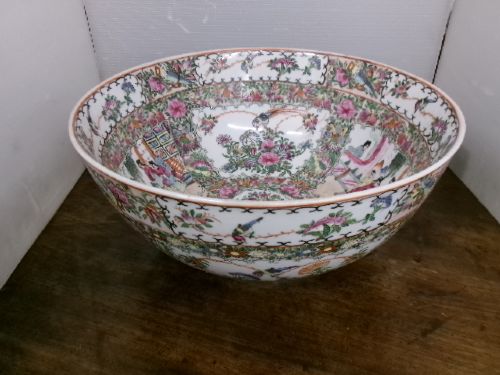
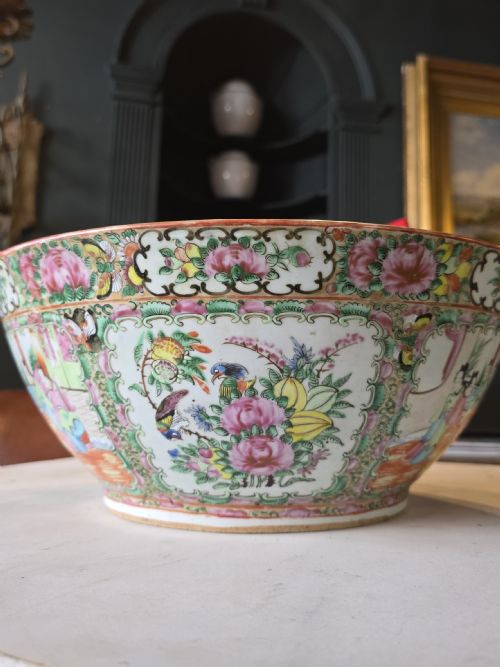
The most common examples you will meet on this page are nineteenth-century Cantonese and Rose Medallion punch bowls, alongside eighteenth-century export wares. These domestic and ceremonial forms range from deep fish bowls and jardinieres to wide punch bowls and brush washers.
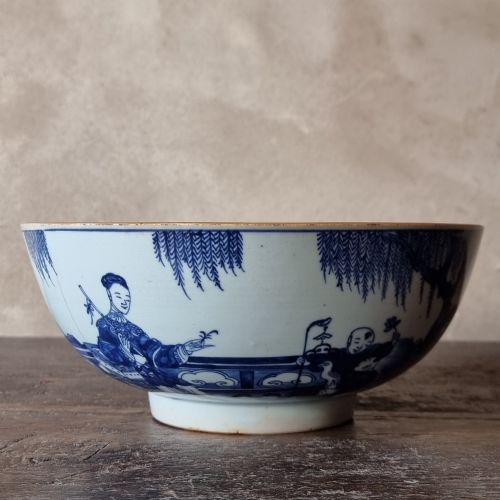
Makers shaped these vessels for both local scholarly use and international trade, resulting in diverse decorative schemes including blue and white motifs, famille rose enamels, and monochrome glazes. Each piece reflects the aesthetic priorities of its specific period of manufacture.
How they were made
Potters shaped refined white clay bodies on the wheel or within moulds before applying specialised liquid glass formulations. These surfaces were often painted using cobalt blue underglaze or enriched with overglaze enamels, gold leaf, and gilding.
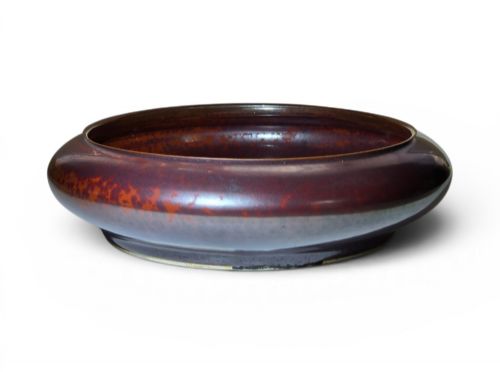
Kiln workers fired these ceramic vessels at high temperatures to vitrify the porcelain body and fuse the decorative pigments into the glaze. Specialised finishes such as iron rust glaze, crackle glaze, and qingbai glaze required precise temperature control and chemical composition.
Several fish bowls double as aquatic estates where goldfish once swam in imperial splendour.
What varies in quality
The distinction between standard commercial export wares and superior examples rests on the crispness of the potting and the control of the kiln firing. Master potters achieved thinner walls, balanced proportions, and stable glazes free from major distortion.
Artistic execution separates ordinary decoration from exceptional painting. Precision in hand-painted motifs, depth of cobalt blue tone, and delicacy of overglaze enamel work determine the visual power and standing of each vessel.
The Large Chinese Porcelain Bowl Glossary
- Famille Rose
- A major palette of opaque overglaze enamels introduced in the Qing dynasty, characterised by pink and rose colours derived from colloidal gold. This technique allowed for nuanced shading and detailed pictorial scenes.
- Punch Bowl
- A large vessel traditionally used for mixing and serving communal drinks during social gatherings. These wide bowls often featured elaborate exterior and interior painted scenes.
- Canton
- A major trading port in southern China where porcelain blanks from northern kilns were painted for the export market. Canton decoration often combined vibrant greens, pinks, and gilt motifs.
- Qingbai
- A pale blue-green translucent glaze developed during earlier dynasties and continued in later periods. It pools gracefully in carved or incised decorative recesses.
- Kraak
- A style of Chinese export porcelain produced mainly in the Wanli period, typically featuring panelled borders and central motifs of birds, flowers, or landscapes.
Large Chinese Porcelain Bowl: Frequently Asked Questions
How do I date a large chinese porcelain bowl?
Dating relies on stylistic markers, potting characteristics, and decorative palettes that align with specific imperial reigns or export eras. Examination of the foot ring, base markings, and wear patterns also provides vital chronological context.
Changes in enamel chemistry and cobalt blue pigment help separate eighteenth-century examples from nineteenth-century Cantonese production. Comparing the vessel to documented pieces from periods like Qianlong or Wanli clarifies its age.
Were these bowls used for food?
Many large bowls, particularly punch bowls and export basins, served practical functions at dining tables for serving communal drinks or food. Others were created strictly for ceremonial display, water storage, or scholarly pursuits.
Dishes designated as fish bowls or jardinieres held water and plants, while brush washers functioned in scholarly settings for calligraphy tools. Examining the interior wear helps reveal the original utilitarian purpose.
What is Rose Medallion?
Rose Medallion is a distinct style of Cantonese export porcelain featuring segmented panels filled with figures, birds, and flowers arranged around a central medallion. This decorative scheme became immensely popular during the nineteenth century.
The palette relies heavily on pink enamels combined with green foliage and gold gilt highlights. This dense, colourful arrangement covers both the interior and exterior surfaces of the vessels.
How do I display a large bowl safely?
Displaying a substantial ceramic vessel requires a sturdy, level surface that adequately supports the entire diameter of the base. Placing the bowl away from high-traffic edges prevents accidental contact and structural strain.
Using a custom-fitted wooden stand distributes weight evenly and elevates the piece for optimal viewing. Maintaining stable indoor humidity prevents stress on older glazes and body materials.