



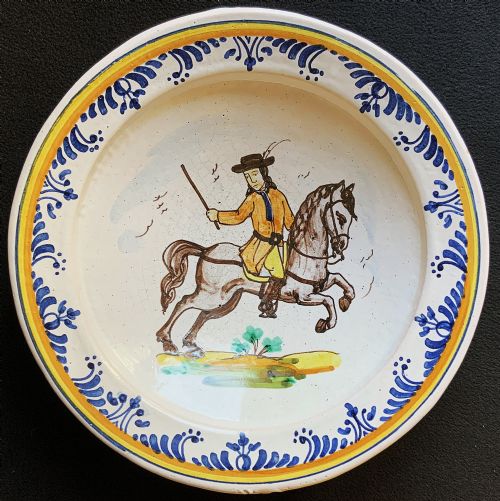
Large Ceramic Wall Dish
When you search for a large ceramic wall dish, you find impressive decorative chargers and plates spanning multiple centuries and continents.
Large Ceramic Wall Dish
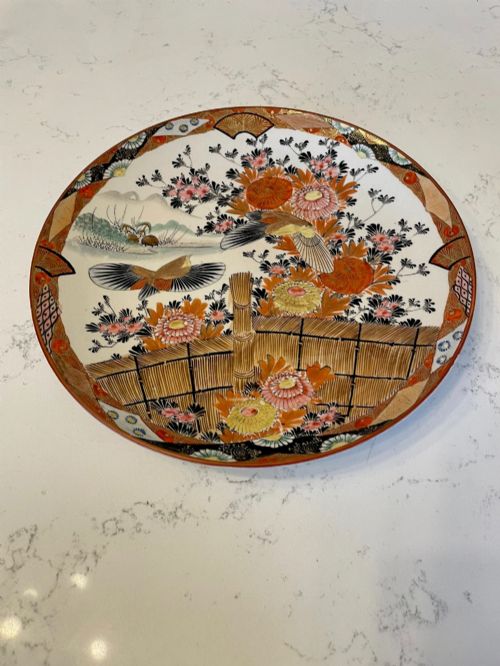
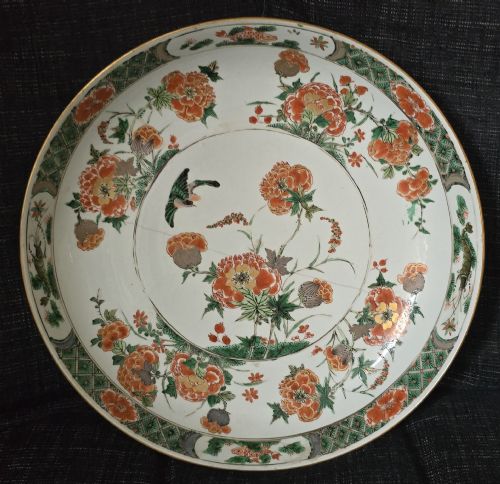
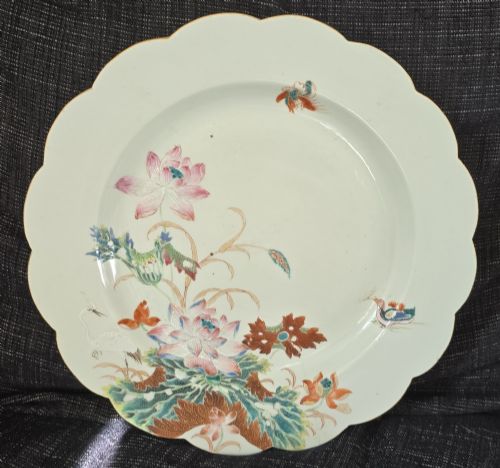
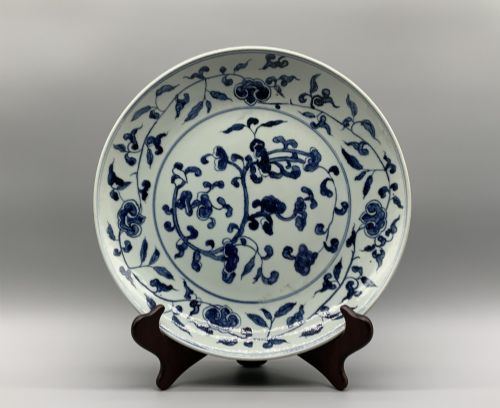
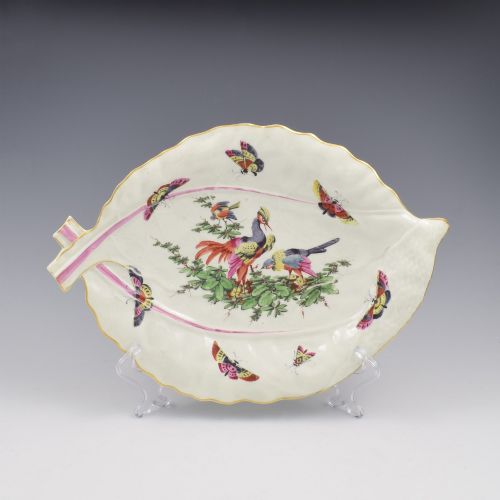
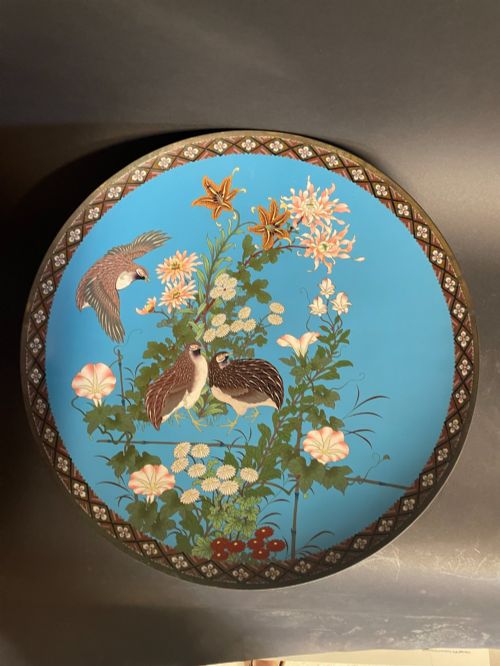
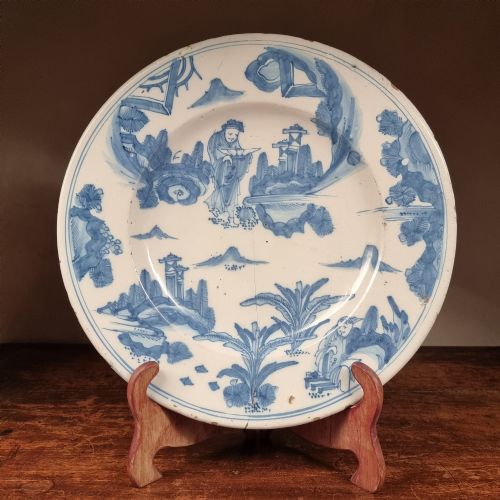
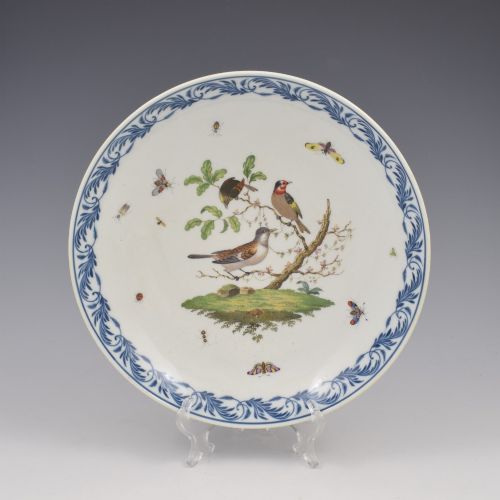
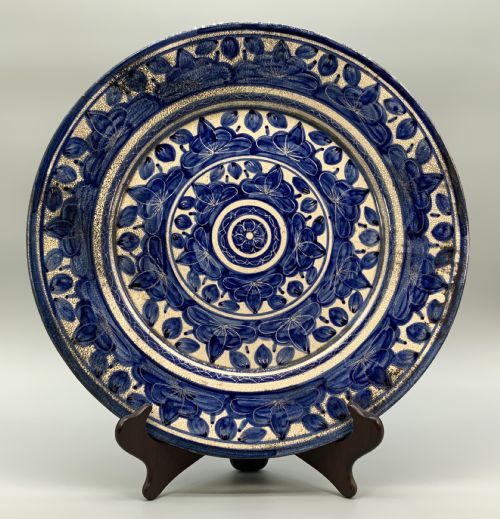
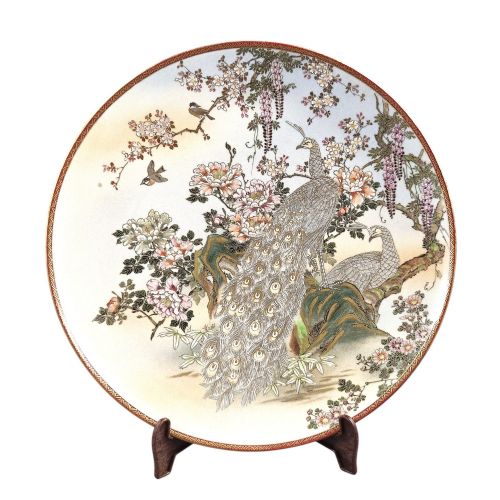
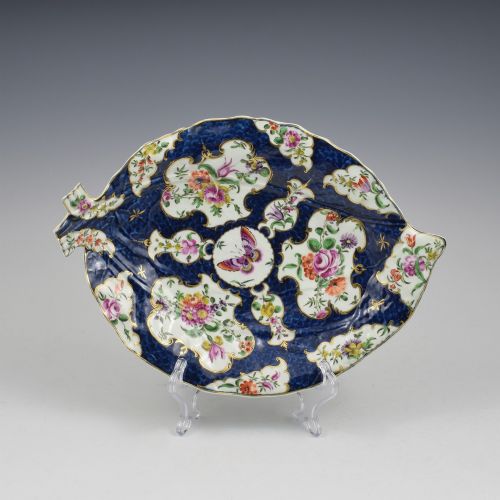
A large ceramic wall dish brings substantial presence to a room through broad diameters designed originally for display on sideboards or walls. The pieces on this page encompass antique chargers, deep plates, and broad platters spanning the seventeenth to the twentieth century.
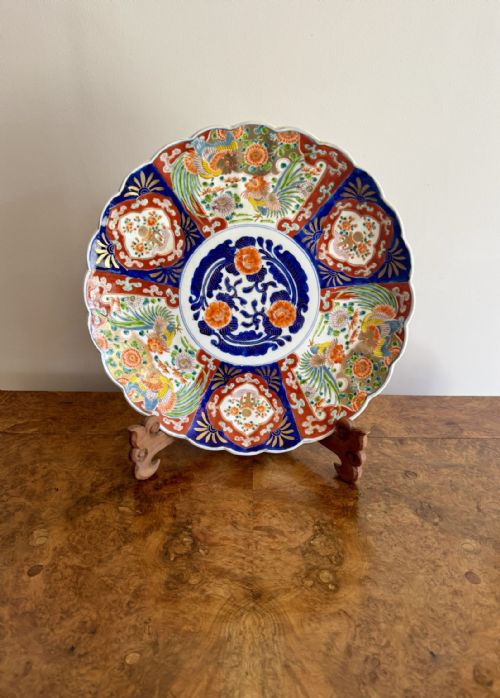
Japanese Imari wares and Chinese export porcelain dominate the selection, alongside European tin-glazed earthenwares such as Dutch, Spanish, and English Delft. Collectors also encounter Victorian and Art Deco pieces featuring tubelined designs or pictorial historical scenes.
Origins stretch from Edo period Japan and Qing dynasty China to nineteenth-century European factories and continental workshops. These varied origins mean a buyer can select everything from cobalt blue seventeenth-century Kraak plates to colourful Meiji period Satsuma chargers.
Materials and Construction
Makers shaped these broad surfaces using earthenware, porcelain, and faience bodies, applying opaque tin glazes or translucent porcelain glazes as a ground for painting. Pigments range from underglaze cobalt blues to rich polychrome enamels and applied gold leaf.
Techniques span hand-painted cobalt decoration on Chinese and Dutch pieces, intricate Moriage relief work on Japanese Satsuma wares, and raised tubelined clay lines on twentieth-century English earthenware. Many pieces underwent high-temperature kiln firings to fuse complex mineral pigments into the glaze.
Listings span periods from the seventeenth century through the Victorian era up to the Art Deco nineteen-thirties.
Distinctions in Quality
Quality rests in the crispness of the hand-painted detail and the depth of the glaze, separating carefully executed studio or factory pieces from mass-produced wares. Brushwork on top-tier examples shows supreme confidence, particularly in intricate floral panels, figurative court scenes, and ornithological subjects.
The preservation of delicate surface decoration, original enamel colours, and gilt highlights without excessive rubbing defines the finer examples. Furthermore, the structural integrity of these wide, heavy ceramic bodies during historical firing processes distinguishes exceptional survivals from standard production.
Meissen Porcelain·Charlotte Rhead Crown Ducal
The Large Ceramic Wall Dish Glossary
- Charger
- A large decorative plate or dish, typically exceeding thirty centimetres in diameter, traditionally displayed upright on a wall or dresser.
- Tin-Glazed Earthenware
- Pottery coated with a white tin-oxide glaze that provides an opaque background for painted ceramic decoration.
- Imari
- A style of Japanese export porcelain characterised by a palette of underglaze blue, iron red, and gilt highlights.
- Kraak
- A type of Chinese export porcelain from the late Ming dynasty featuring panels of radial decoration surrounding a central motif.
- Tubelining
- A ceramic decoration technique where liquid clay is squeezed through a nozzle onto a flat surface to outline a design before glazing.
Large Ceramic Wall Dish: Frequently Asked Questions
How were large ceramic wall dishes displayed historically?
Historically, large chargers and dishes sat upright on sideboards, buffets, or dining tables as symbols of wealth and taste.
Over time, owners also hung them directly on walls using wire frames or fitted wall hooks to showcase intricate painted patterns.
What is the difference between Delft and Imari?
Delft refers to European tin-glazed earthenware featuring blue and white or polychrome geometric and floral designs.
Imari denotes Japanese porcelain decorated with a distinct palette of cobalt blue, iron red, and gold leaf.
How do I care for an antique ceramic dish?
Display these heavy pieces securely using padded wall brackets or stable plate stands designed for broad diameters.
Dust them gently with a dry, soft cloth and avoid using chemical cleaning products on historical enamel or gilt surfaces.
Can I hang a heavy charger on the wall safely?
Hanging requires a sturdy, well-secured wall fixture that matches the substantial weight of large earthenware or porcelain bodies.
Using professional mounting brackets distributes the load evenly across the rim and base without stressing the ceramic.