




Large Ceramic Floor Vase
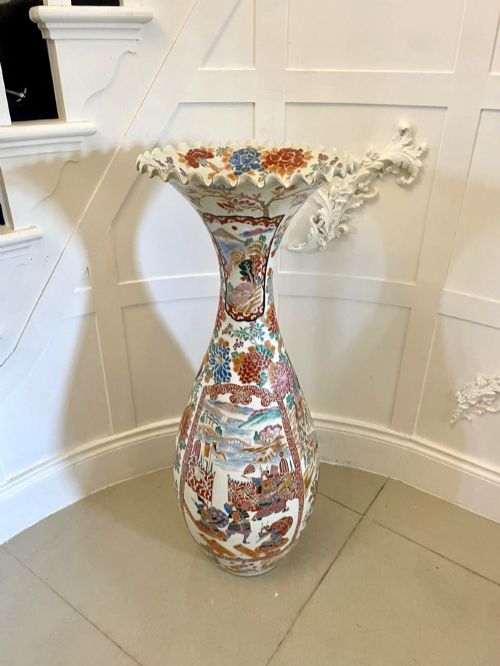
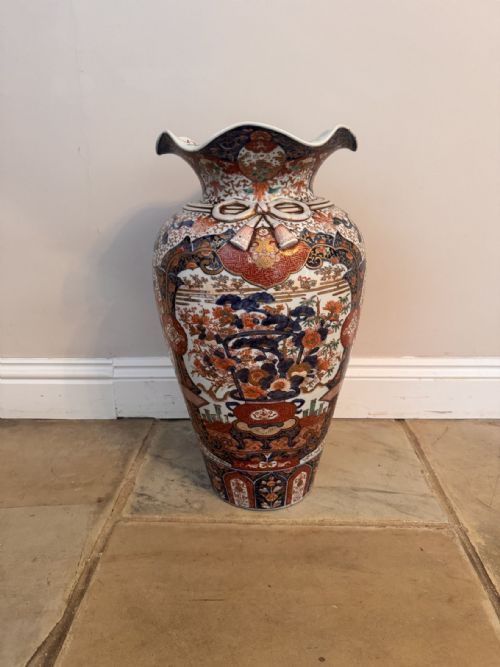
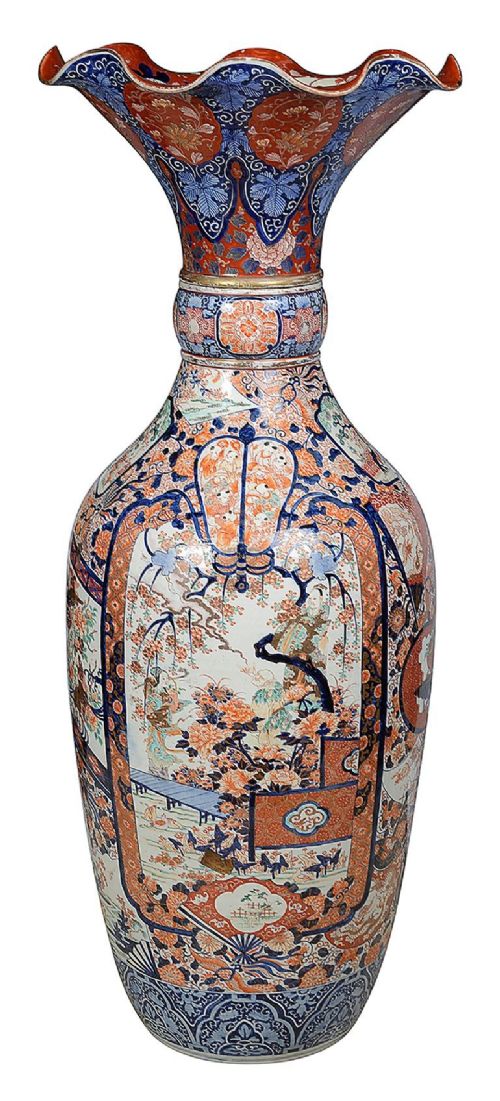
A large ceramic floor vase commands a room with sheer scale, drawing the eye instantly to intricate glazes and painted panels.
Large Ceramic Floor Vase
A large ceramic floor vase stands as a striking focal point in any interior space, originating from various global traditions spanning the nineteenth and early twentieth centuries. When searching for a large ceramic floor vase, buyers encounter substantial vessels produced in Asia and Europe, designed specifically to fill grand spaces rather than sit upon modest tables.
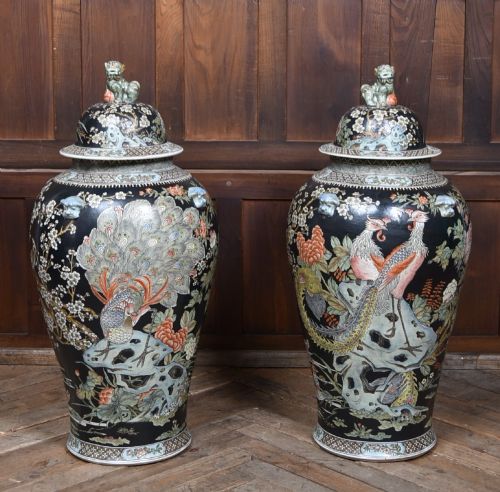
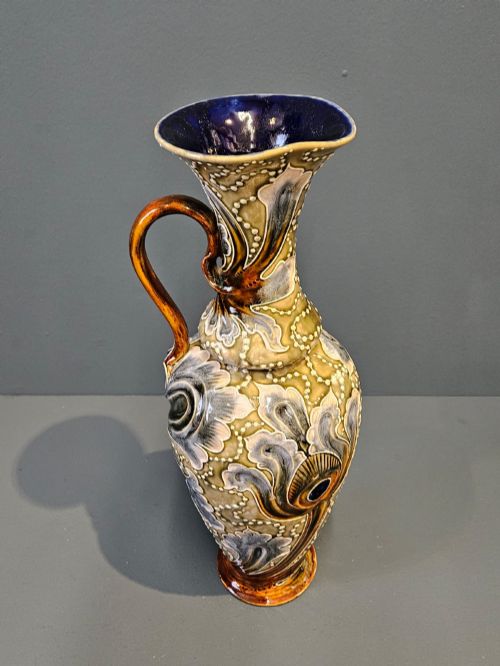
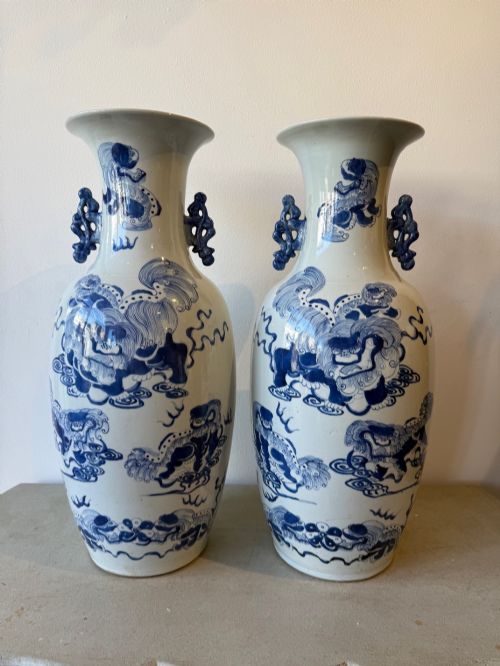
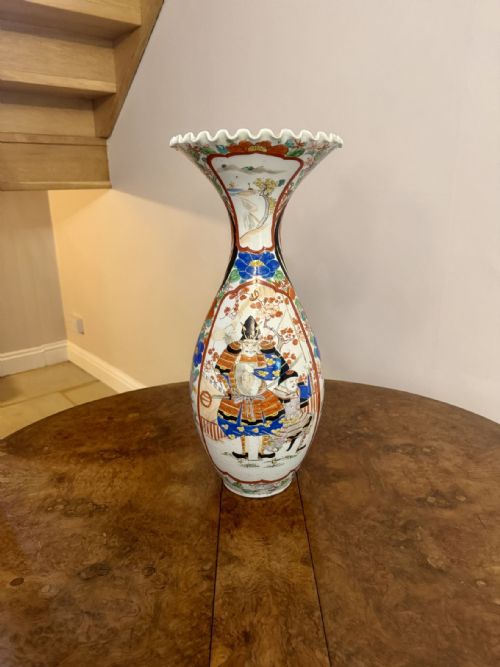
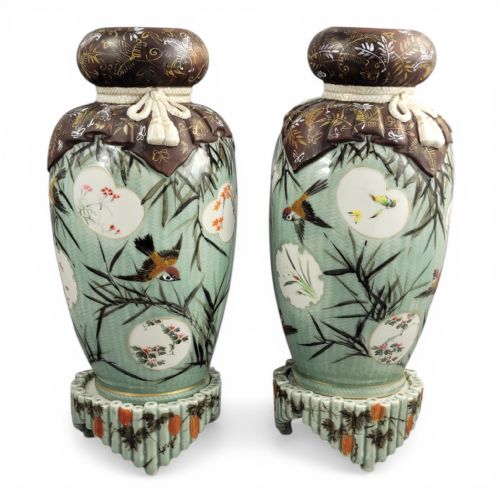
The selection ranges from Japanese Imari and Satsuma wares to Chinese porcelain and British art pottery, each demonstrating impressive height. Many examples survive in matched pairs, offering symmetry for hallways, stairwells and principal reception rooms.
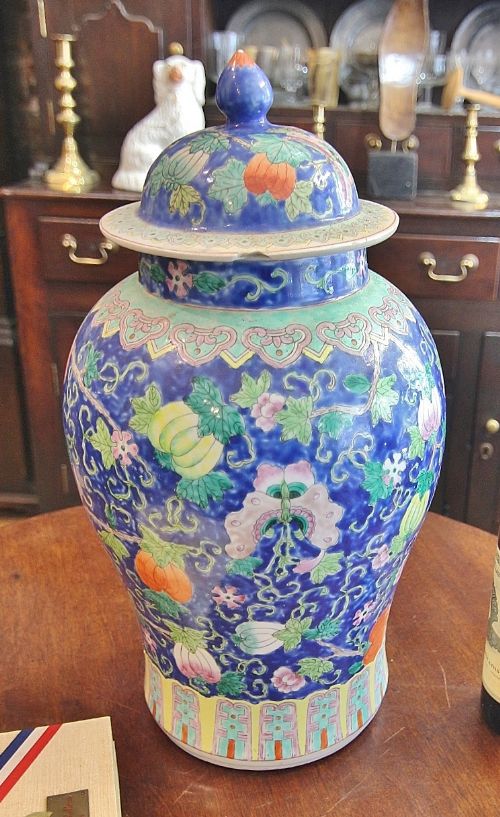
Forms include traditional floor standing jars, lidded vessels, ewers and monumental amphorae. These objects frequently incorporate distinct regional aesthetics, encompassing intricate enamel palettes, cobalt blue painting and crisp moulded details.
How They Were Made
Makers utilised durable ceramic bodies, including earthenware, porcelain, stoneware and ironstone, shaped to withstand the structural demands of exceptional height. Potters often threw these large forms in sections before joining them securely prior to firing.
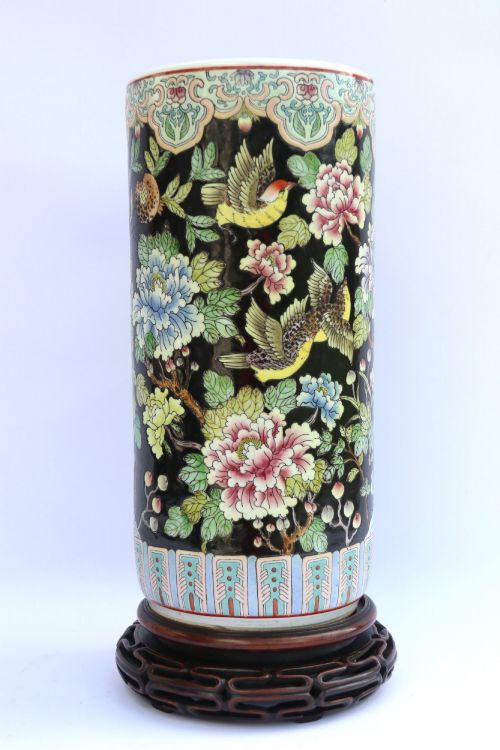
Surface decoration involved rich glazes, hand-painted enamel pigments and occasional applications of gold leaf or gilt. Some pieces incorporate complementary elements such as carved wooden stands or applied lacquer panels to support the heavy ceramic bodies.
Several monumental floor vessels stand nearly five feet tall, requiring more ceiling clearance than the average doorway.
What Varies in Quality
Quality rests primarily in the crispness of the potting, the ambition of the scale and the control demonstrated during the high-temperature firing process. Finer pieces maintain structural true alignment despite their monumental proportions, avoiding the slumping or warping common in lesser kilns.
The precision of the hand-painted enamels and the depth of the glaze separate standard production wares from exhibition-grade pieces. Superior examples display meticulous brushwork, vibrant colour retention and harmonious integration with original stands or covers.
Doulton Lambeth Ware·Brannam Art Pottery·Kato Sanhei·Kinkozan·Masons Ironstone
The Large Ceramic Floor Vase Glossary
- Imari
- A traditional Japanese style of porcelain decorated in underglaze blue and overglaze red, gold and black. These palettes originated in the Edo period and proved immensely popular for export.
- Satsuma
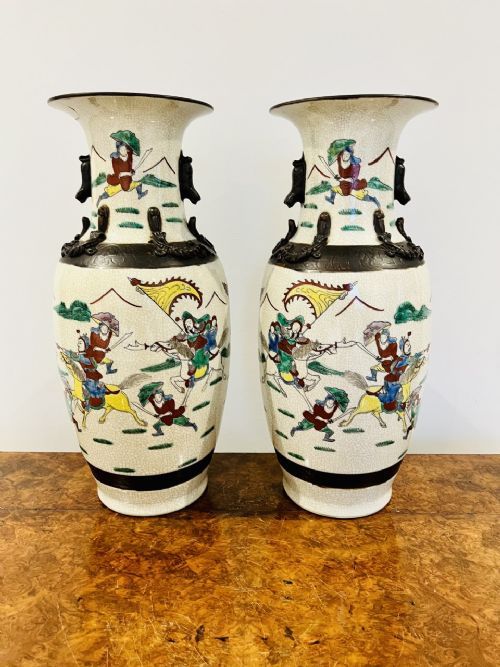
- A type of Japanese earthenware characterised by a pale, ivory-coloured cracked glaze and intricate polychrome enamel designs often enhanced with gilt. Collectors prize these for their detailed figural and floral scenes.
- Famille Rose
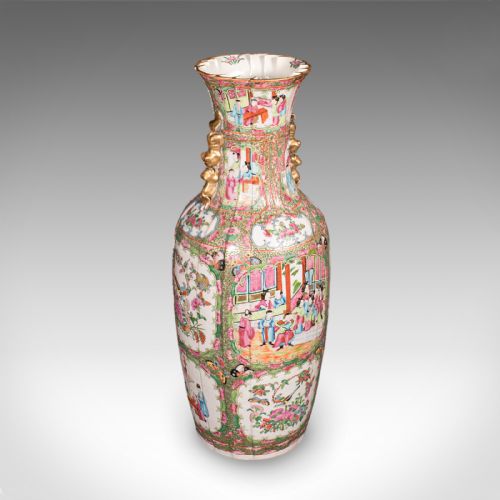
- A major palette of Chinese ceramic glazes introduced in the Qing dynasty, distinguished by opaque pink or rose enamels derived from colloidal gold. This classification includes soft pink tones alongside greens and yellows.
- Ewer
- A large jug with a wide spout and a looped handle, traditionally used for holding water or wine before evolving into purely decorative display pieces. Many antique ceramic examples match accompanying basins.
- Stoneware
- A robust ceramic pottery fired at high temperatures until vitrified, rendering the body impermeable to liquids without requiring a traditional glaze. Salt-glazed variants acquire a distinctive textured surface resembling orange peel.
Large Ceramic Floor Vase: Frequently Asked Questions
Where should I place a floor vase?
These tall vessels suit spacious hallways, corners of reception rooms and wide landings where their height remains visible without blocking pathways.
Pair them symmetrically beside fireplaces or beneath large consoles to anchor the surrounding furniture.
Can I put fresh flowers inside?
Most antique floor vases function primarily as decorative art objects rather than waterproof containers for heavy water arrangements.
Using a modern inner vessel or liner protects the historic ceramic body and interior glaze from moisture damage.
How do I clean a large vase?
Dust the exterior gently with a dry, soft microfibre cloth to prevent accumulation within recessed glaze details and painted panels.
Avoid abrasive cleaning solutions or soaking the base, particularly where gilt or wooden stands are present.
Are original stands important?
Matching wooden or porcelain stands provided with the vessel enhance historical integrity and proper weight distribution.
Original bases support the heavy ceramic base and complement the overall silhouette intended by the maker.
How do I distinguish Imari from Satsuma?
Imari pieces consist of hard porcelain decorated with deep underglaze blues combined with vibrant iron red and gold.
Satsuma items utilise earthenware bodies featuring distinctive creamy cracked glazes painted with dense polychrome figures.