


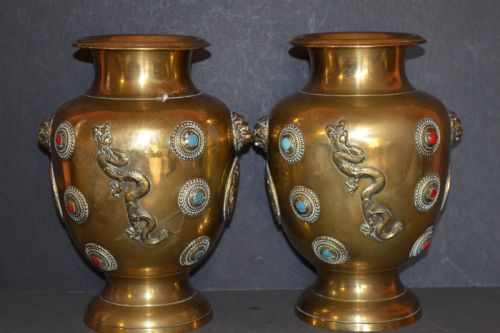


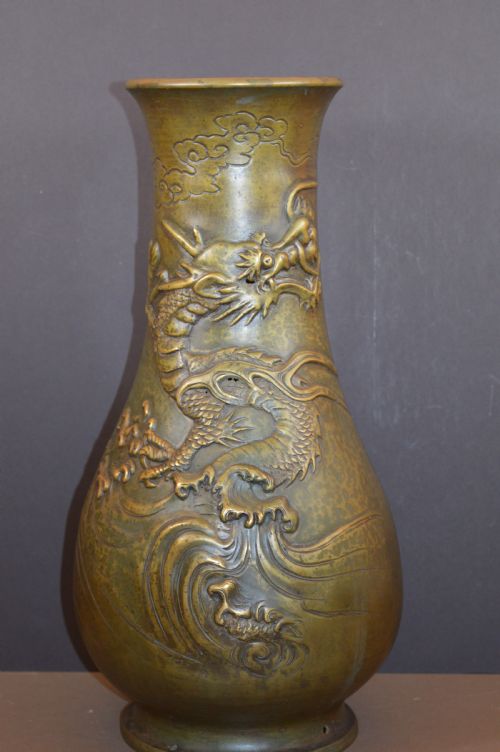


Large Bronze Dragon Urn
A large bronze dragon urn brings weight and ancient ceremony to a room, cast in solid metal with coiled mythical beasts.
Large Bronze Dragon Urn
A large bronze dragon urn is a substantial vessel shaped for display, garden use, or temple ritual, frequently encountered as a matched pair.
These pieces emerge from the nineteenth century, spanning Victorian Britain, the Meiji period in Japan, and the Qing dynasty in China.
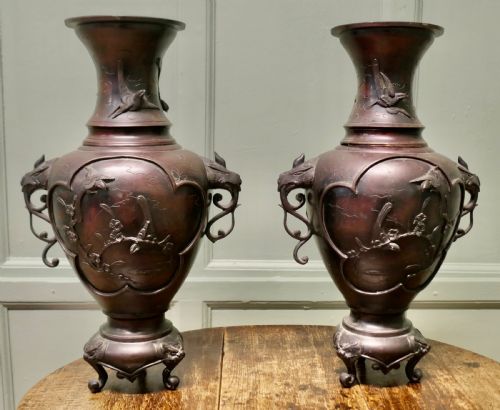
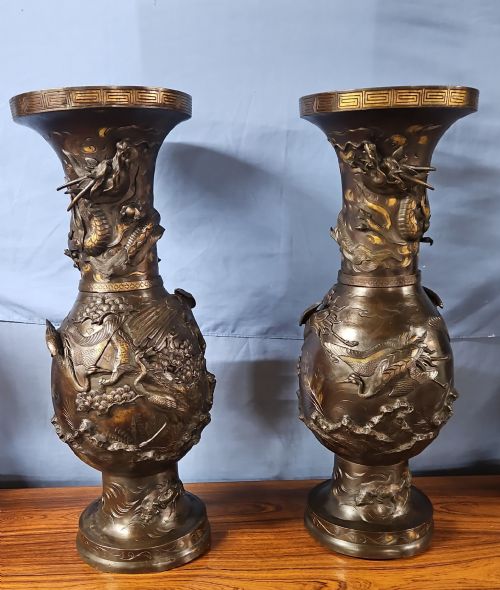
Forms range from baluster vases and jardinieres to monumental garden temple urns and usubata flower containers.
Materials and Casting Techniques
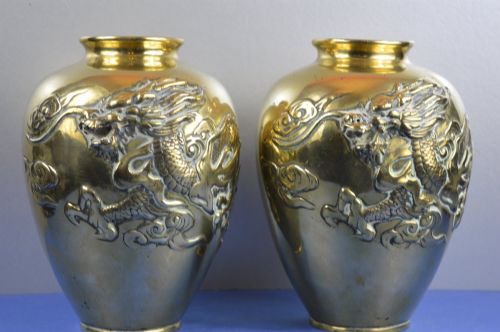
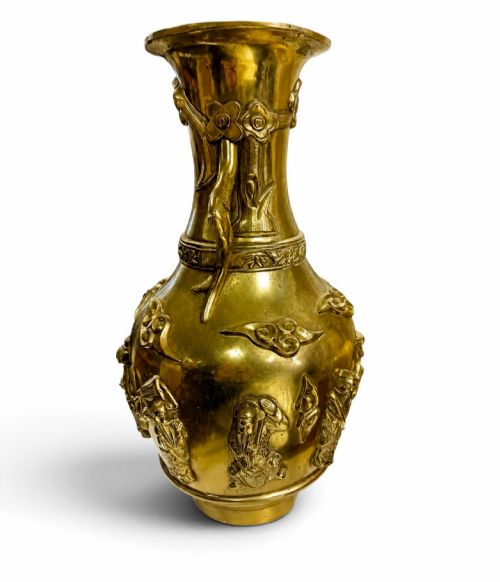
Casting utilises heavy bronze, copper alloy, and brass, often finished with gilt or dark patination and accented with turquoise and coral.
Decoration relies on high-relief modelling of dragons and Daoist immortals, alongside champleve enamel work.
The listings show nineteenth-century metalwork spanning Qing China and Meiji Japan, alongside Tibetan and Himalayan copper alloy pieces.
Assessing Craftsmanship and Detail
Quality rests in the crispness of the high-relief chasing and the deliberate heft of the metalwork, distinguishing display pieces from utilitarian vessels.
Surface treatments such as verdigris, gilding, and controlled patination determine the visual depth of the bronze body.
The Large Bronze Dragon Urn Glossary
- Baluster
- A tall vase form with a rounded body and a narrow neck. This shape provides a stable base for heavy cast metal.
- Champleve
- An enamelling technique where troughs are dug in the metal surface and filled with paste before firing. This adds colourful detail to the bronze body.
- Usubata
- A Japanese bronze vessel specifically designed for flower arrangement with a broad top plate. These pieces often serve ceremonial or garden functions.
- Jardiniere
- A large ornamental pot or urn for holding plants. These objects sit on floors or stands in interior and exterior settings.
- Patinated
- Treated chemically to give the metal surface an aged colour or tone. This finish protects the bronze while enhancing its visual character.
Large Bronze Dragon Urn: Frequently Asked Questions
Where should I place a large bronze dragon urn?
These vessels suit entrance halls, garden terraces, or large reception rooms where their substantial weight and scale create a focal point.
Pairs often work well flanking a fireplace or doorway, while single monumental urns sit comfortably on stone pedestals or floor stands.
How do I clean a bronze urn?
Dust the surface regularly with a soft, dry cloth to prevent dirt from settling into the deep relief carvings and crevices.
Avoid chemical polishes or water, as these can strip the original patination and damage applied elements like gilding or enamel.
Are these urns waterproof?
While many pieces originated as temple vessels or garden planters, soldered or cast seams can change over time with prolonged exposure to moisture.
It is wise to use a removable inner liner if you intend to display fresh plants and water inside antique metal urns.
How do I distinguish Chinese from Japanese pieces?
Chinese vessels from this period frequently feature archaic motifs, altar forms, and specific reign marks such as Xuande references.
Japanese Meiji pieces often display naturalistic flora and fauna alongside high-relief dragon figures and distinct patination styles.