


Large Blue White Serving Plate
A large blue white serving plate brings generous scale and cobalt decoration to the table, combining practical utility with striking domestic display.
Large Blue White Serving Plate
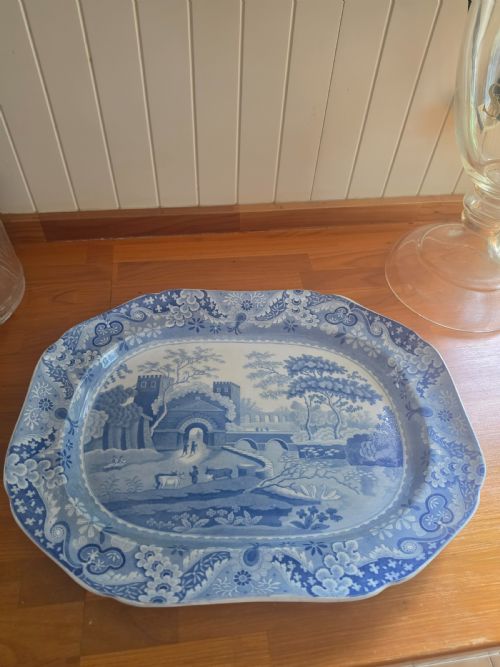
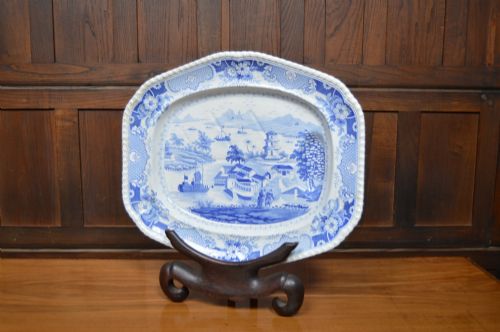
A large blue white serving plate is typically encountered as a substantial meat platter, charger, or meat plate designed for substantial dining tables. These objects span periods from the seventeenth century through the Victorian era, offering broad circular or octagonal surfaces suited to grand presentation.
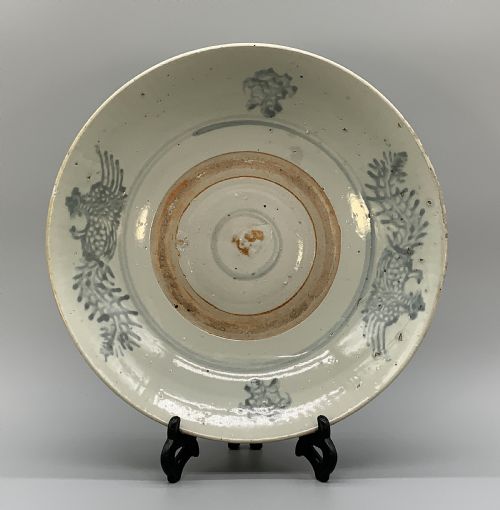
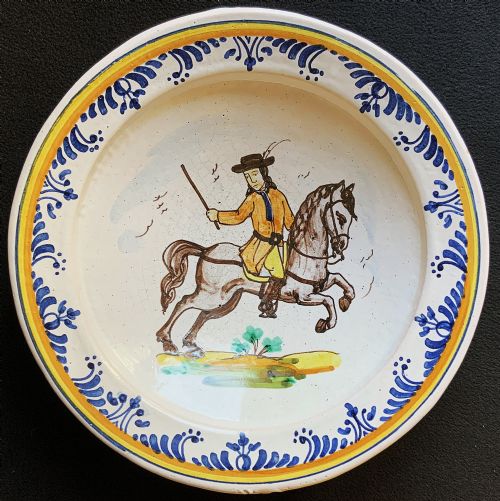
The versions most frequently met on this page date from the nineteenth century, including Victorian transferware and robust ironstone bodies. English factories dominate the selection, alongside occasional continental tin-glazed earthenware and earlier Chinese export porcelain.
Production methods and materials
Potters relied upon earthenware, ironstone, and porcelain bodies, which were shaped into heavy platters and fired to high temperatures to ensure durability. Ironstone provided a particularly dense, stone china fabric capable of supporting enormous platters without warping.
Decoration was achieved through cobalt glaze applied beneath the surface or via transfer printing, a technique that transferred intricate pictorial scenes from copper plates onto the ceramic body. Subsequent glazing sealed the pigment, creating a glossy, permanent finish.
Materials documented across the inventory include porcelain, earthenware, ironstone, and cobalt glaze.
Factors separating standards of production
Quality rests in the crispness of the transfer print and the depth of the cobalt colour, where blurred lines indicate worn plates or hurried manufacture. Heavier ironstone bodies denote robust utility, whilst finer porcelain and delftware prioritise delicate aesthetic refinement.
The presence of specialised forms, such as integral drainers or bespoke heraldic crests, elevates a piece from standard domesticware to high-status commission. Potteries known for superior paste formulation and artistic transfer designs consistently achieve sharper definition across their output.
Spode·Copeland and Garrett·Minton·Don Pottery·Mason·Elkin Knight and Bridgwood·Herculaneum Pottery
The Large Blue White Serving Plate Glossary
- Transferware
- Earthenware or ironstone decorated by transferring a printed design from an engraved copper plate onto the ceramic surface. This technique revolutionised mass production in the nineteenth century.
- Charger
- A large decorative plate or platter traditionally used for ceremonial dining or placed beneath other courses. They measure significantly wider than standard dinner plates.
- Ironstone
- A heavy, durable ceramic patented in the nineteenth century to imitate Chinese porcelain. It resists chipping and forms the base of many large serving dishes.
- Cobalt glaze
- A metallic oxide colourant producing a rich blue shade that withstands high kiln temperatures. It remains stable beneath transparent glaze, ensuring long-lasting vibrancy.
- Tin-glazed earthenware
- Pottery coated with an opaque white glaze containing tin oxide, providing a smooth background for painted decoration. It is characteristic of early faience and delftware.
Large Blue White Serving Plate: Frequently Asked Questions
How were large blue white serving plates used?
These large vessels served joints of meat at the centre of the table, catching juices in recessed wells or separate drainers.
They transitioned easily from dining service to wall hanging or cabinet display when not in active use.
How do I date a transferware platter?
Makers' marks stamped into the ceramic base often provide registry diamonds or specific factory ciphers indicating exact production years.
Style of border, pattern name, and the weight of the ironstone or earthenware body also offer reliable chronological clues.
Can I use antique platters for serving food?
Most antique earthenware and ironstone bodies remain structurally sound for presenting cold foods, meats, or dry items.
Glazes from earlier centuries may contain minute craquelure, so hand washing protects the historic surface from modern detergents.
What is the difference between a charger and a platter?
Chargers are generally flat, wide decorative plates traditionally placed beneath other service pieces during formal dining.
Platters feature oval or octagonal shapes with shallow wells specifically designed to hold carved roasts and poultry.