

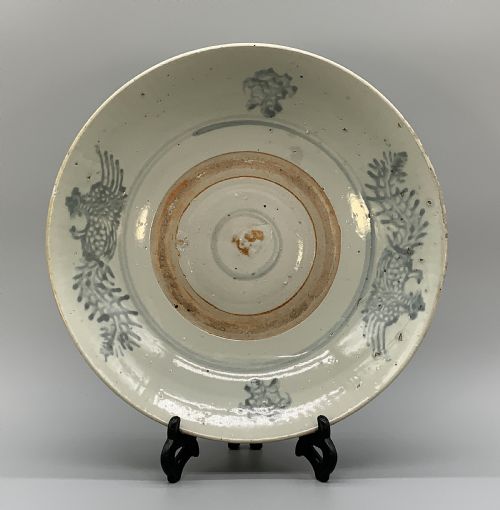


Large Blue White Platter
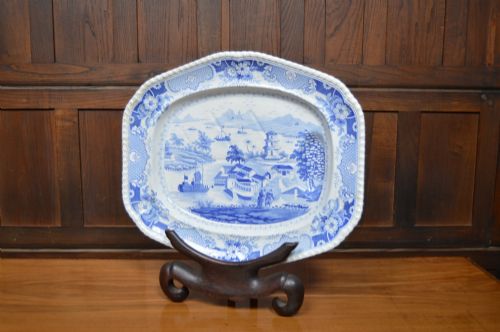
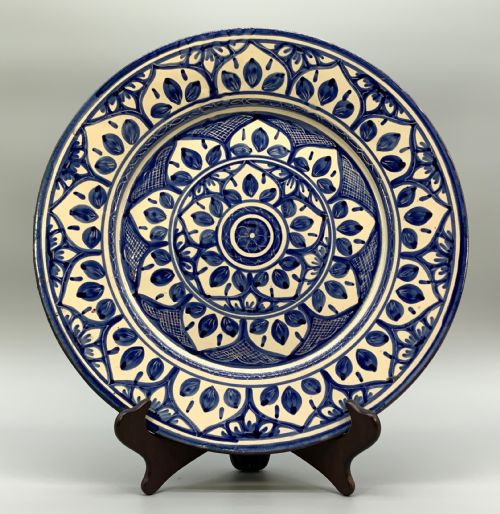
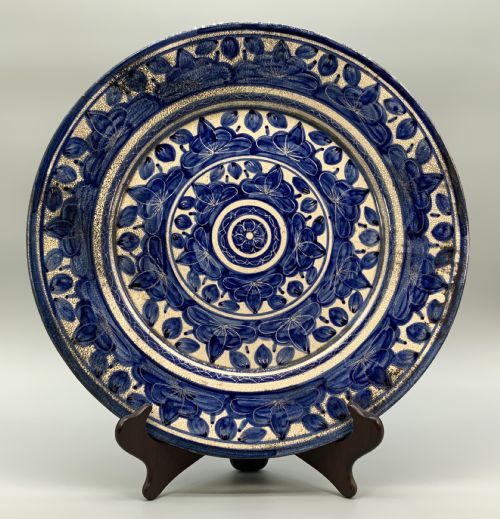
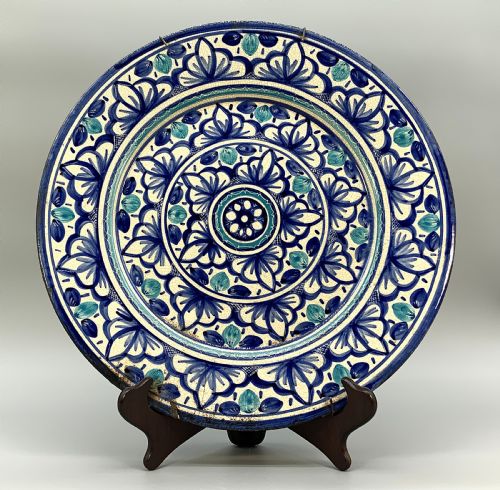
A large blue white platter serves as a commanding table centrepiece or wall display, combining scale with intricate cobalt decoration.
Large Blue White Platter
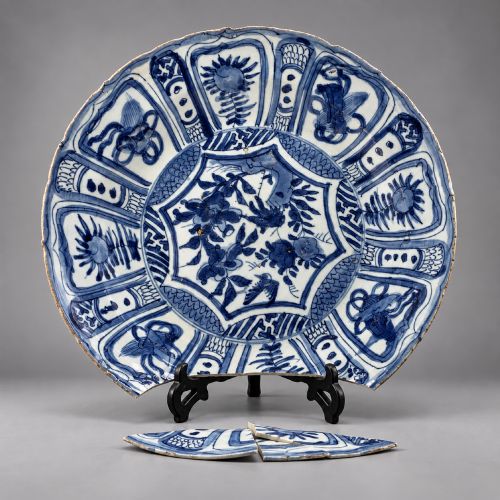
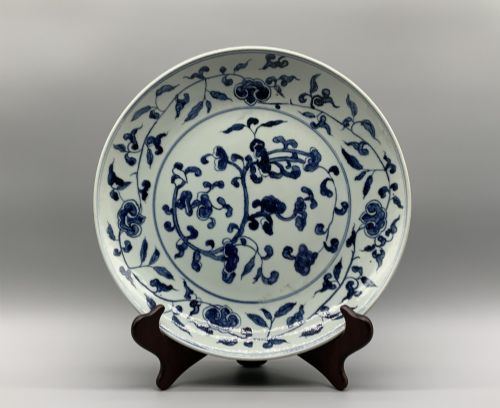
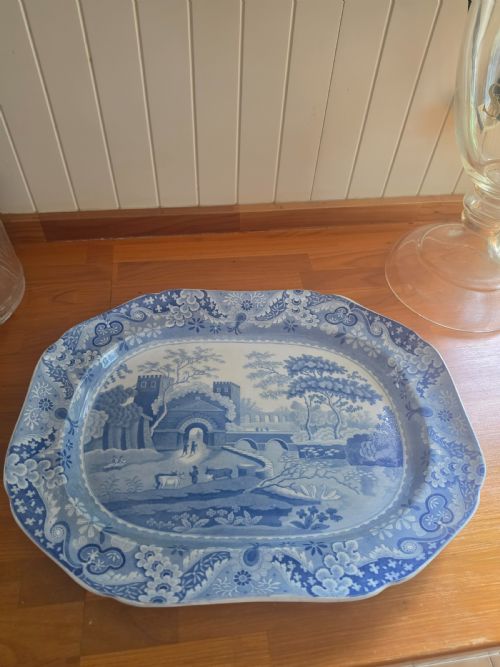
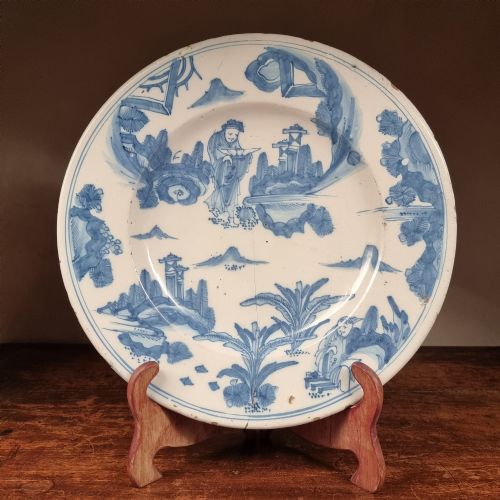
A large blue white platter encompasses substantial ceramic dishes created for serving joints of meat or displaying as chargers across centuries of domestic life. The examples met on this page span English earthenware and ironstone, Dutch and continental delft, Chinese porcelain, and Japanese Imari ware.
English production is heavily represented by nineteenth-century transfer-printed meat platters and Victorian ironstone dishes, often featuring named topographical or scenic patterns. Alongside these, seventeenth and eighteenth-century Chinese and Japanese porcelain chargers bring painted cobalt designs and substantial diameters to the selection.
Evaluating the Pieces
Quality rests upon the clarity of the cobalt application and the crispness of the transfer print or hand-painted brushwork. Sharp detailing in complex scenes and deep, uniform blue tones distinguish superior items from dull or blurred examples.
The integrity of the ceramic body and the smoothness of the glaze surface further define the standard of a piece. Well-balanced proportions and minimal kiln distortion set apart the most accomplished chargers and meat platters.
Listings span seventeenth-century Chinese porcelain and delftware alongside nineteenth-century English ironstone, pearlware, and transfer-printed earthenware.
Spode·Minton·Copeland and Garrett·Don Pottery·Thos Fell·Ashworths
The Large Blue White Platter Glossary
- Charger
- A large decorative plate or shallow dish intended primarily for display on a wall or sideboard rather than daily dining service. These items often measure considerable diameters and feature elaborate painted or printed motifs.
- Transferware
- Pottery decorated by applying a printed design from an engraved copper plate onto tissue paper and then pressing it onto the unglazed or biscuit-fired ceramic body. This technique allowed intricate pastoral and architectural scenes to be reproduced consistently.
- Pearlware
- A refined earthenware developed in the late eighteenth century featuring a subtle bluish glaze that pooled in recesses to create a whiter appearance overall. It served as a direct precursor to later nineteenth-century ironstone and whiteware bodies.
- Delft
- Tin-glazed earthenware produced in imitation of imported Chinese porcelain, characterised by a porous buff body covered in an opaque white glaze painted with cobalt blue. Production centres included England and continental Europe.
- Imari
- Japanese porcelain decorated in underglaze blue and contrasting overglaze enamels, typically featuring rich floral and botanical arrangements within panelled borders.
Large Blue White Platter: Frequently Asked Questions
How were these platters used originally?
These large dishes served grand dining tables for presenting roasted meats, game, and large communal portions during formal meals. Meat platters often incorporated recessed channels and draining wells to collect juices.
Larger chargers were frequently reserved for display on sideboards or hung on walls to showcase the wealth and taste of the household through imported porcelain or decorative earthenware.
How do I hang a heavy charger?
Hanging a large ceramic dish requires a sturdy, adjustable spring-loaded wire hanger that distributes the weight evenly across the rim without exerting pressure on vulnerable areas. The wall fixing must engage directly with a stud or utilise a proper masonry plug.
Ensure the diameter and weight capacity of the selected hanger match the specific dimensions of your ceramic piece before mounting it securely.
How do I tell transferware from hand-painted pieces?
Transferware exhibits a fine, repeating dotted matrix or stippled line pattern when examined closely under magnification, resulting from the engraved copper plate used in production. The outlines remain uniform across multiple examples of the same pattern.
Hand-painted pieces show individual brushstrokes, variations in line thickness, and subtle pooling of the cobalt pigment where the artist applied the colour directly to the ceramic body.
Can these platters still be used for serving food?
Most antique ceramic platters can safely present cold foods, bread, or fruit during occasional gatherings, provided the glaze remains intact and stable. Avoid using them in microwaves, dishwashers, or conventional ovens.
Due to the age of the glaze and potential historical repairs, daily culinary use is generally discouraged in favour of decorative display or light entertaining.