

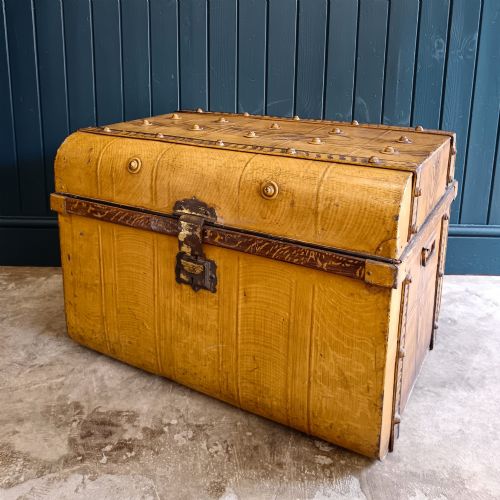
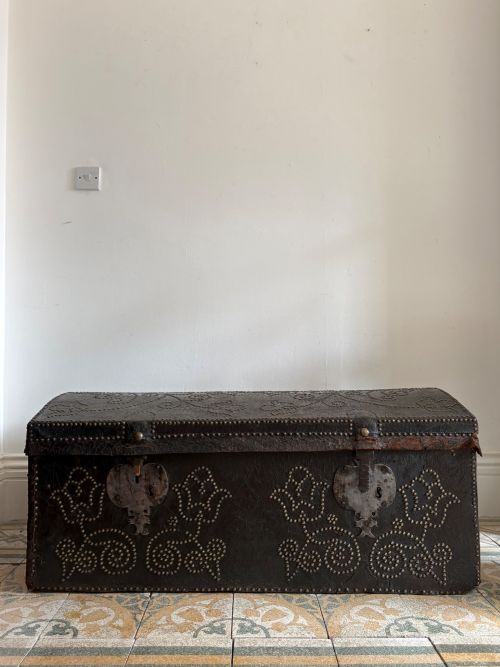
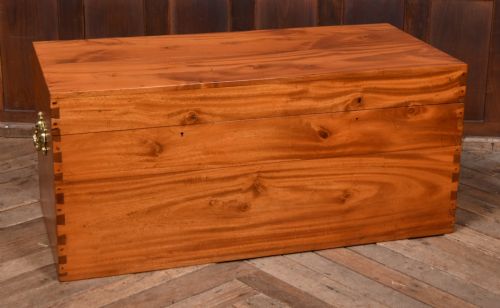
Large Storage Trunk
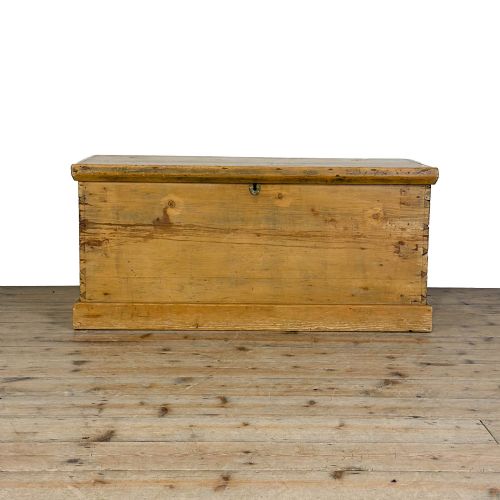
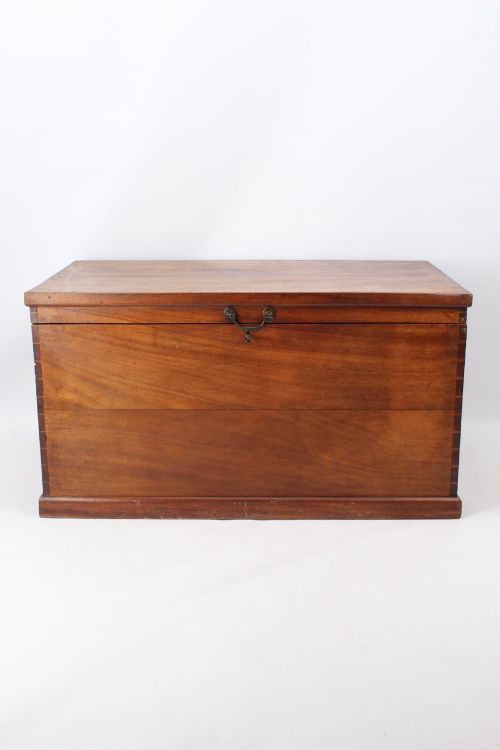
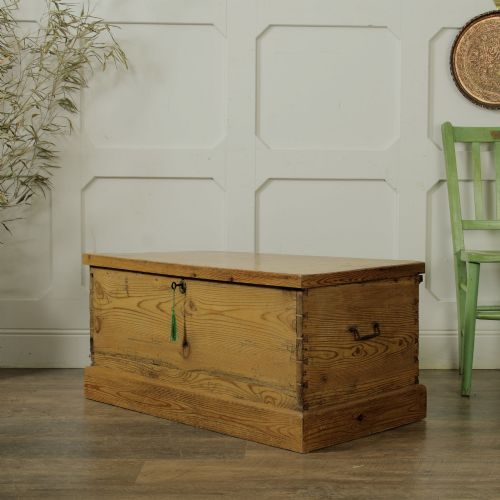
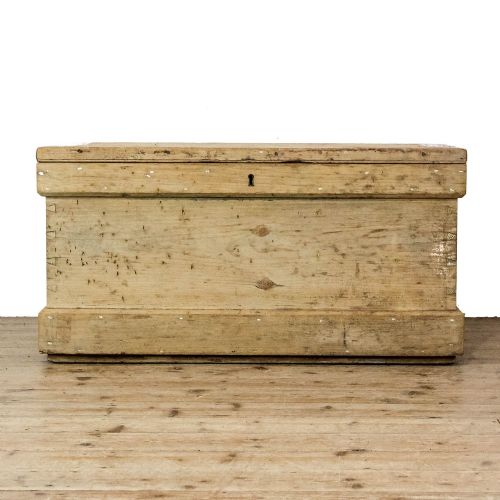
A large antique storage trunk brings heavy character and sturdy utility into a room, offering deep space for blankets, linens, and household gear.
Large Storage Trunk
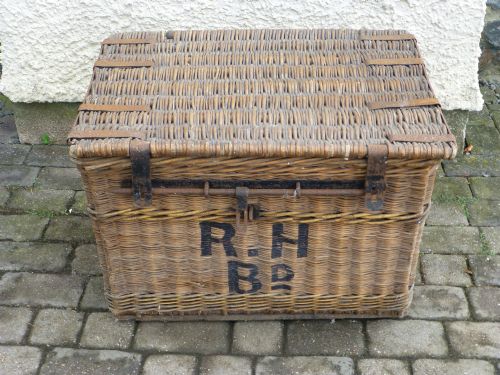
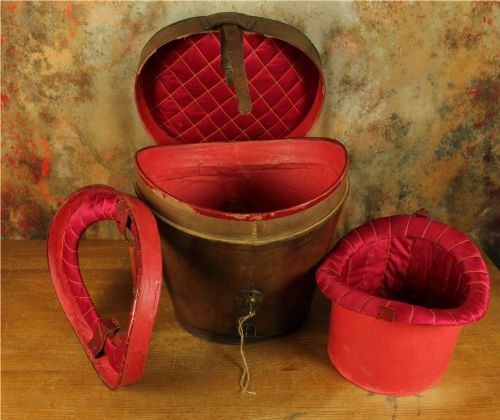
A large antique storage trunk serves as a robust receptacle for household belongings, developed across centuries from simple timber coffers to specialised travel luggage. When searching for a large antique storage trunk, buyers encounter substantial pieces built to withstand the rigours of domestic life, sea voyages, and military campaigns.
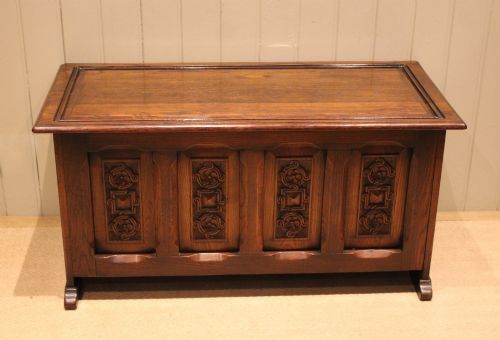
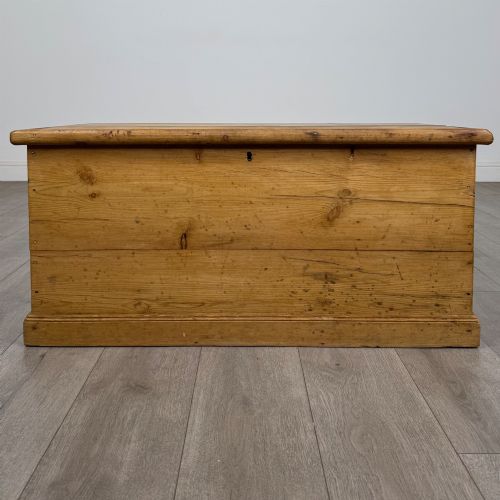
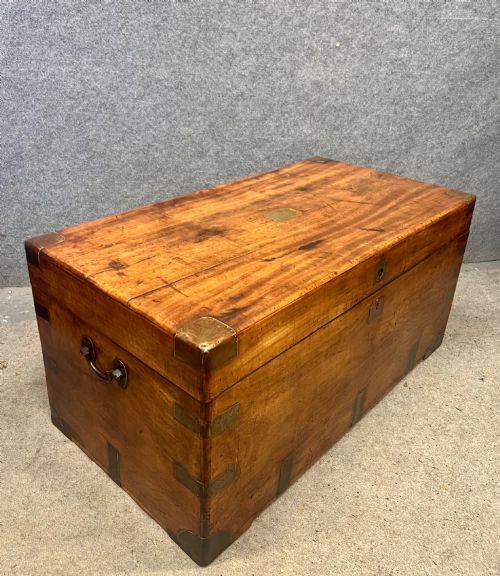
The selections span significant eras, with heavy presence from the 18th century, Victorian period, and 17th century. Forms range from rustic pine blanket boxes and carved oak coffers to brass-bound camphor wood chests and iron-strapped travelling trunks.
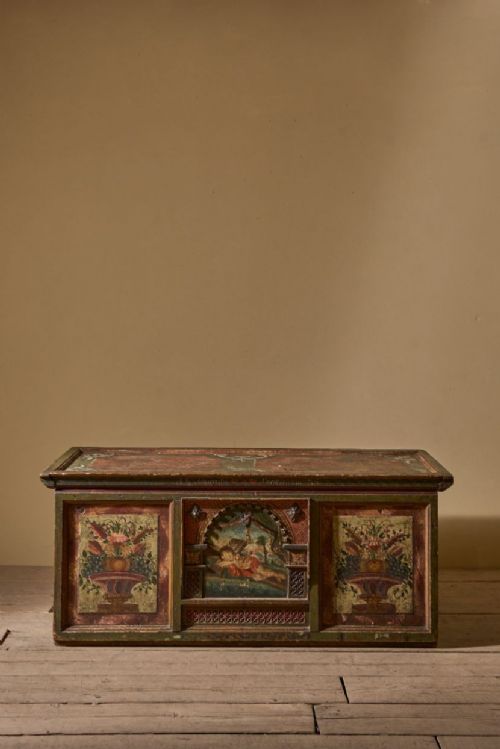
Origin and regional style shape these pieces profoundly, introducing Dutch leather-studded domes, Hungarian painted marriage boxes, and Anglo-Indian campaign chests into the mix. Domestic pine versions sit alongside exotic teak and camphor variants designed for distant transit.
Materials and construction methods
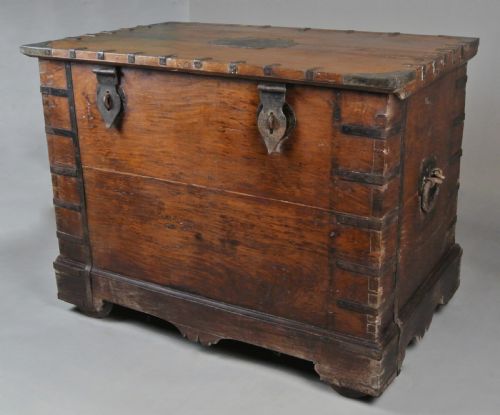
Carpenters utilised durable native timbers such as oak, pine, and pitch pine for domestic storage, often employing sturdy dovetail joints and solid panels to bear heavy loads. Iron hinges, brackets, and heavy locks reinforced the corners and lids of utilitarian boxes designed for regular transit.
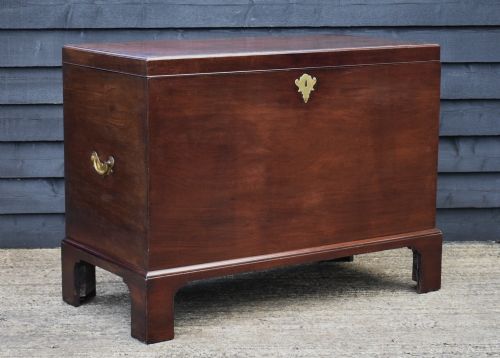
Exotic woods like teak, camphor wood, and ebony appeared in pieces built for overseas transport, naturally resisting insects and damp conditions. Brass bound corners, strapwork, and flush inset handles protected the edges of campaign chests and colonial trunks from the knocks of long journeys.
Surface treatments varied from simple wax and polish to intricate hand-painted finishes, folk art decoration, and leather covering studded with brass nails. Interior additions like internal candle tills, small drawers, and upholstered linings distinguished refined domestic storage from basic utility boxes.
A genuine Hungarian marriage chest brings bright folk art teal into the room, whispering of long-ago village celebrations.
Distinctions in quality and execution
Quality reveals itself in the integrity of the timber selection and the precision of the joinery, distinguishing heavy utilitarian containers from finely finished household furnishings. Superior pieces display thoughtful proportions, well-fitted internal drawers, and original hardware rather than crude replacements.
The survival of original surface finishes - whether deep patinated wax on oak, early paint on Hungarian marriage chests, or polished brass mountings - determines the visual authority of the piece. Craftsmanship in carved decoration, hand-cut dovetails, and robust forging elevates standard storage boxes into notable examples of period cabinet-making.
Hallett & Sons
The Large Storage Trunk Glossary
- Coffer
- A heavy wooden chest traditionally used for storing valuables, linens, or documents. These sturdy receptacles often feature carved panels and hinged lids.
- Camphor wood
- An aromatic timber prized for its insect-repellent properties, frequently utilised in trunks built for colonial trade and sea travel. The distinct scent helps preserve stored textiles.
- Campaign chest
- A portable set of drawers or a trunk designed to dismantle or travel easily with military officers. They typically incorporate brass corners and recessed carrying handles.
- Mule chest
- A traditional storage chest featuring one or more drawers built into the base beneath the main compartment. This design bridged the gap between basic blanket boxes and full chests of drawers.
- Dowry chest
- A decorative storage trunk prepared for a bride, often painted or carved to celebrate a marriage. These pieces frequently displayed regional folk art motifs.
- Strapwork
- Metal bands or reinforcement straps of iron or brass fixed across the exterior of a trunk to strengthen the structure. They provided vital protection during transit.
Large Storage Trunk: Frequently Asked Questions
How were large antique storage trunks originally used?
These robust containers served vital roles in domestic and travel life, protecting valuable textiles, blankets, clothing, and household goods from dust and damp. Utilitarian versions travelled on ships and military campaigns, while refined oak coffers and painted marriage chests held family heirlooms in country houses.
Over generations, their primary function shifted from portable luggage and secure storage to prominent interior furniture. Today, owners frequently place them at the foot of beds, use them as coffee tables, or position them in hallways for everyday storage.
What materials should I expect to find?
Construction materials vary depending on the intended origin and purpose of the trunk. Domestic British pieces rely heavily on oak, pine, and pitch pine, often featuring iron or brass hardware for reinforcement.
Trunks built for overseas transport or colonial use typically employ dense tropical timbers such as teak and camphor wood. Exterior finishes range from plain wax and rich patination to detailed folk painting, leather cladding, and decorative brass studding.
How do I tell different periods apart?
Early pieces from the seventeenth and eighteenth centuries often feature heavy oak construction, hand-carved panels, and pegged joinery associated with traditional coffer making. Nineteenth-century examples frequently showcase pine construction, dovetail joints, and specialised hardware tailored for travel and domestic utility.
Stylistic markers also indicate age, such as Regency painted decoration, Victorian brass binding, or Edwardian industrial construction. Examining the types of hinges, locks, and internal layout helps confirm the approximate era of manufacture.
Can I use an antique trunk as a coffee table?
Placing a large trunk in the centre of a room as a coffee table is a practical way to combine surface utility with hidden storage space. Their flat lids and substantial proportions make them well-suited for holding books, trays, and daily items.
When using an antique trunk in this way, consider the height and surface finish to ensure it suits your seating arrangements. Ensure the lid remains stable and check that the hinges support occasional weight without straining the historic timber.
How do I care for historic wood and metal?
Maintaining these pieces involves protecting the historic timber and metal hardware from extreme temperature fluctuations and direct sunlight. Regular dusting with a soft cloth and occasional application of traditional wax helps preserve the natural patina of the wood.
Avoid placing damp items directly onto untreated interior surfaces, especially in camphor wood or pine boxes. Gentle care ensures the original fixings, hinges, and painted finishes remain stable for everyday living.