



Large Rug
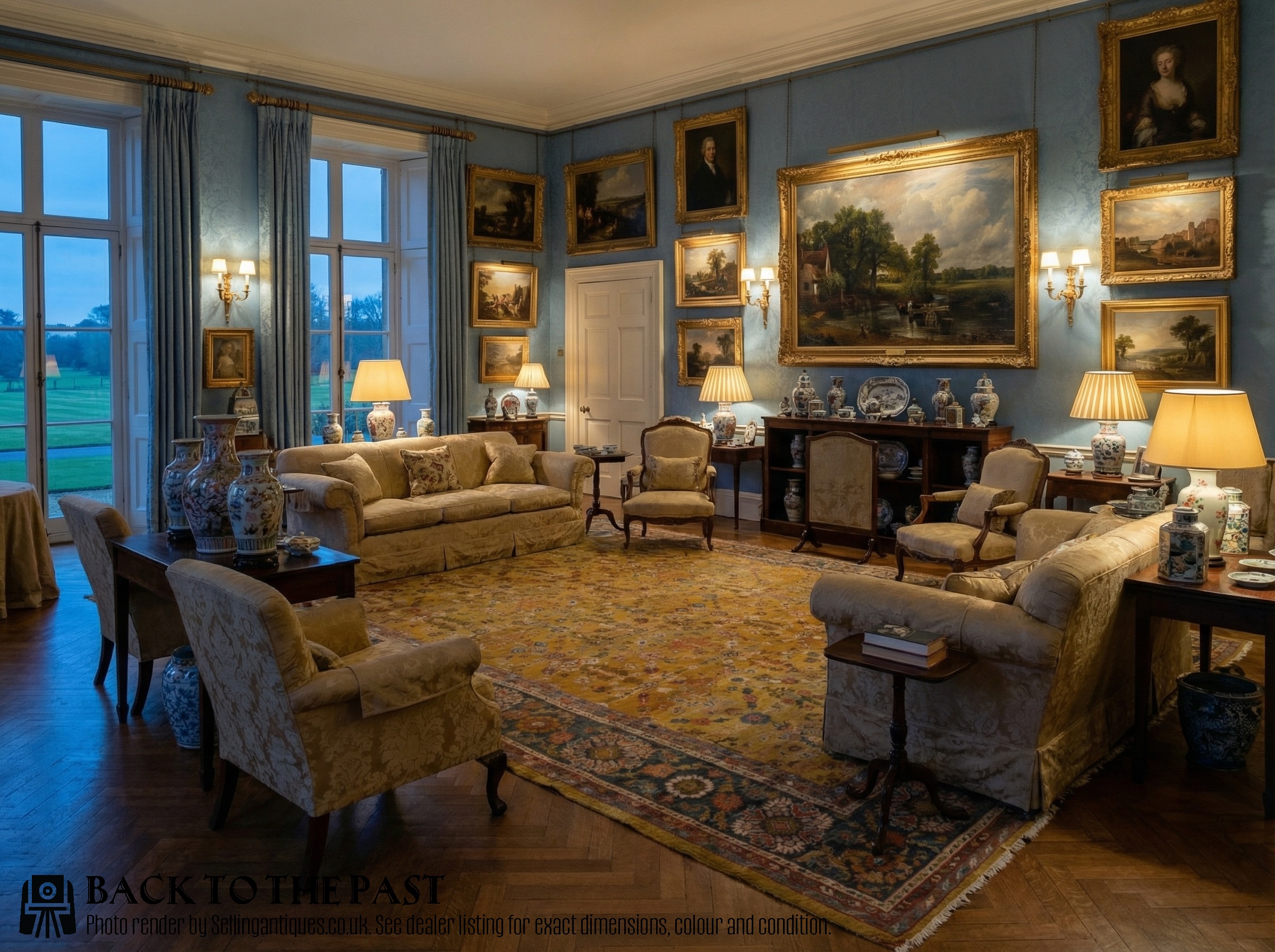
A large antique rug anchors a major room, bringing centuries of hand-knotted heritage and rich regional character directly to your floor.
Large Rug
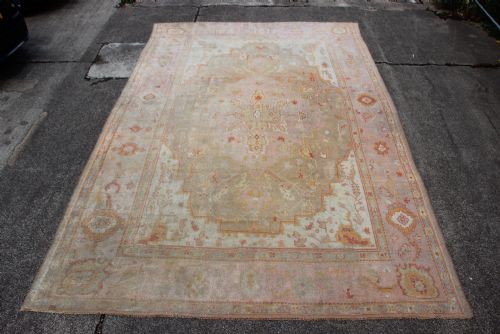
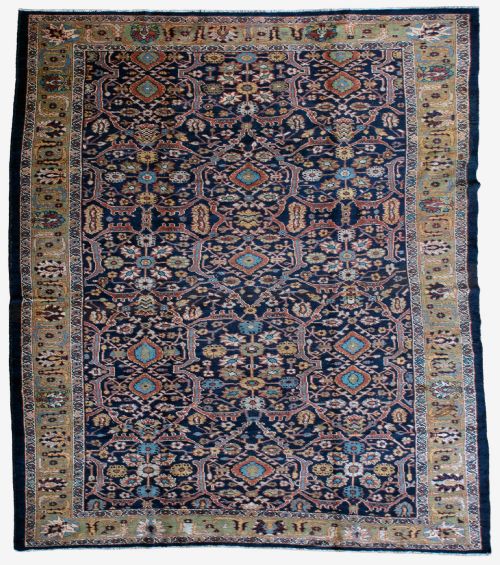
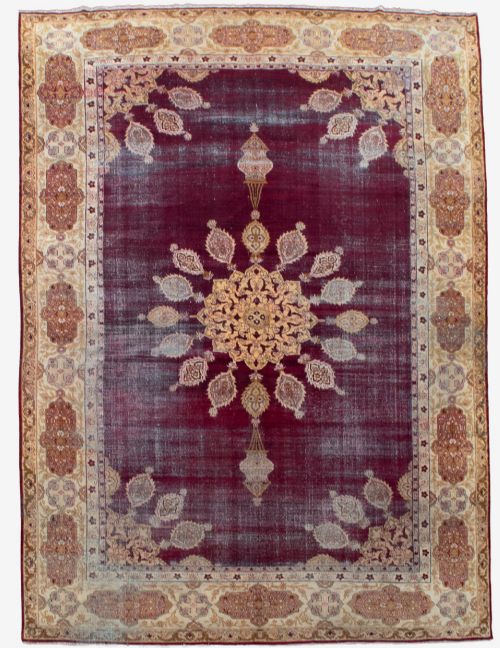
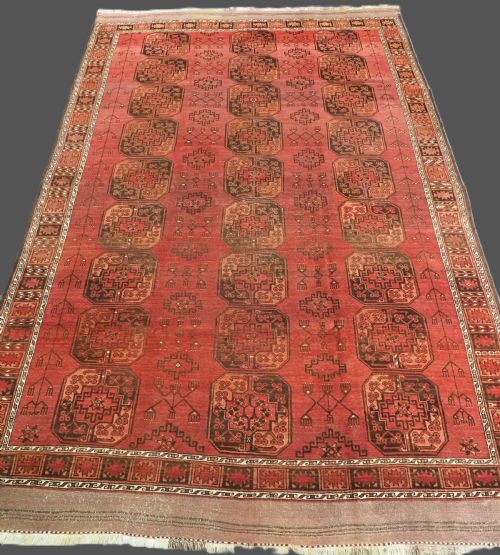
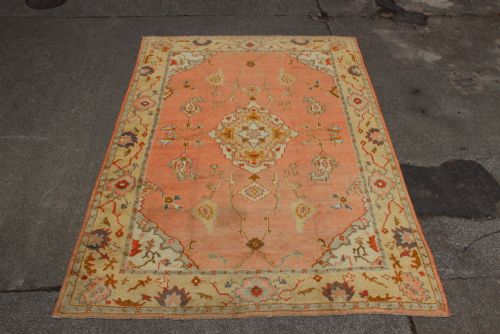
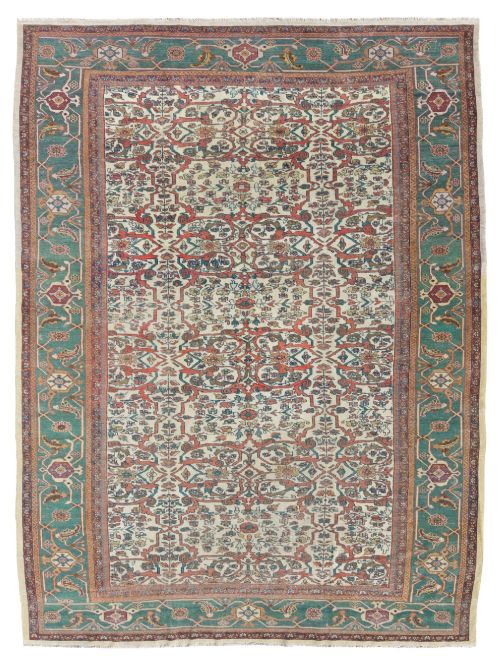
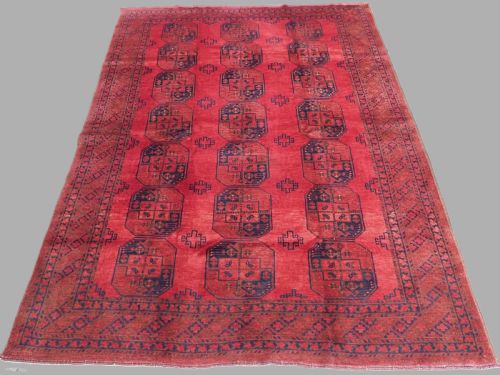
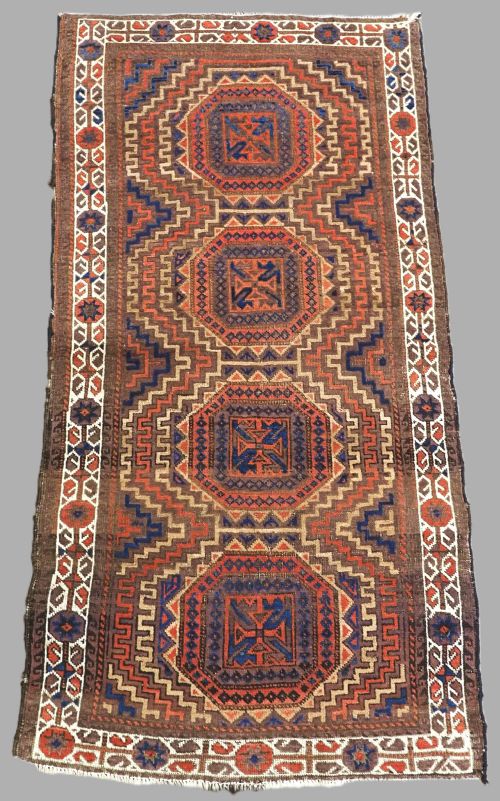
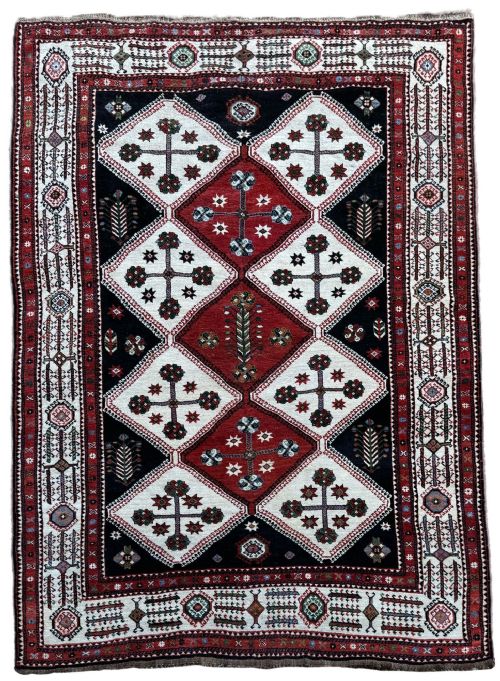
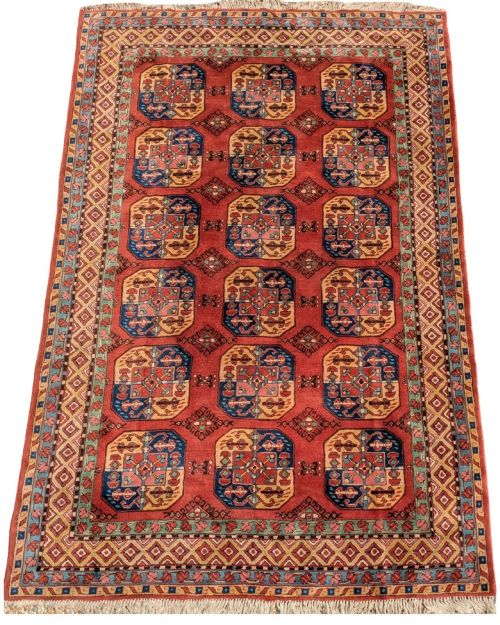
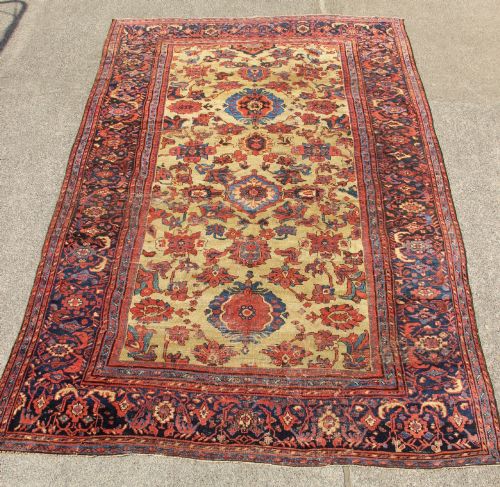
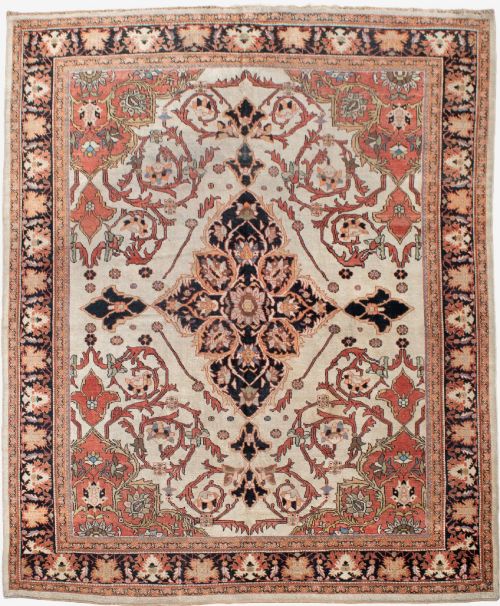
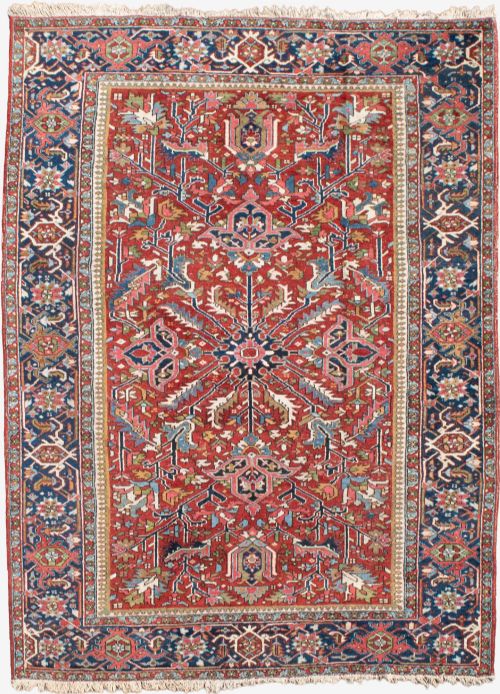
When searching for a large antique rug, buyers encounter generous floor coverings originating primarily from Persian, Turkish, Turkmen and Caucasian weaving traditions. These substantial pieces span the nineteenth and early twentieth centuries, encompassing room-sized carpets, village formats and grand country house rugs.
The selections represented here showcase named regional types such as Heriz, Mahal, Oushak and Ersari, alongside nomadic tribal formats. They provide structural warmth and historical depth, functioning as foundational elements within traditional and contemporary interiors alike.
How they were made
These textiles rely principally on wool foundations and pile, occasionally combined with cotton warps and wefts depending on the workshop or tribal origin. Natural dye sources yielded deep reds, warm indigos and earthy neutrals that age gracefully over generations.
Weavers knotted the pile by hand onto vertical or horizontal looms, applying geometric or curvilinear motifs unique to their specific region or tribe. Flatweave techniques also appear in utilitarian kilim formats, completing a diverse spectrum of historic textile construction.
Large Rug Retail Price Guide 2026
Typical asking prices for large rug among the pieces listed under this phrase on Sellingantiques today, from the lower quarter to the upper quarter. They describe what is for sale here now, not the wider market.
Country house carpets sometimes carry the joyful evidence of antique feline pacing along favourite sunlit borders.
What varies in quality
Knot density and structural integrity distinguish finer room-sized carpets from simpler village productions, reflecting the skill of the original weaver. Precision in the execution of intricate medallions and border patterns also separates standard output from exceptional workshop pieces.
The purity and saturation of the dyestuffs influence the visual impact of the textile as it ages under light. Preservation of original borders and balanced symmetry across a large format contribute significantly to the standing of any individual carpet.
Haji Jalili
The Large Rug Glossary
- Gul
- A repeating octagonal medallion motif frequently found in Turkmen and Baluch tribal carpets. These repeating primary motifs often indicate the specific clan or weaving group.
- Herati
- A classic fine floral lattice pattern composed of a central rosette framed by curving leaves. This design appears widely across Persian and Anatolian workshop carpets.
- Warp
- The stationary vertical threads stretched onto the loom before knotting begins. Cotton and wool are the primary materials utilised for this foundational grid.
- Weft
- The horizontal threads passed across the warps between rows of knots to secure the pile. Dense beating of these horizontal elements creates a sturdy structure.
- Medallion
- A large central decorative ornament dominating the field of the carpet. Traditional weavers balanced these focal shapes with elaborate corner spandrels.
Large Rug: Frequently Asked Questions
How do I clean a large antique rug?
Gentle surface brushing and professional specialist immersion washing preserve the historic wool pile without breaking down the natural foundation fibres. Regular rotation ensures even exposure to foot traffic and ambient light.
Avoid harsh modern chemical detergents or domestic carpet shampooers, which strip natural lanolin from the wool. Specialist care maintains both the structural integrity and the subtle tones of nineteenth-century dye work.
Are these rugs suitable for high traffic areas?
Traditional hand-knotted room-sized carpets were constructed for daily domestic utility using durable wool pile over sturdy foundations. Proper placement over a quality underlay absorbs impact and protects the historic textile from premature wear.
Heavy hallways and living rooms accommodate these sturdy weaves well when protected from excessive moisture and direct blazing sunlight. Periodic rotation distributes physical stress evenly across the entire surface.
How do I identify a tribal rug from a workshop carpet?
Village and tribal pieces display asymmetrical geometric guls, spontaneous colour shifts, and bolder, less rigid designs executed on simpler looms. They reflect nomadic traditions and localized weaving practices passed down through generations.
Workshop carpets exhibit refined curvilinear florals, balanced symmetry, and precise botanical motifs such as the Herati pattern. These urban productions utilised professional cartoon drawings to guide master weavers.
What is the best underlay to use?
A breathable, high-friction natural rubber or felt underlay prevents slipping while allowing air circulation beneath the dense wool pile. This protective layer cushions the textile against hard subfloors and reduces friction between the knots.
Avoid solid synthetic non-slip pads that trap moisture and potentially damage delicate nineteenth-century cotton foundations. Correct cushioning extends the active lifespan of any large floor covering.