
Large Jug
A large antique jug brings weight and domestic history to a room, functioning as a commanding centrepiece or a practical vessel for water, wine, and flowers.
Large Jug
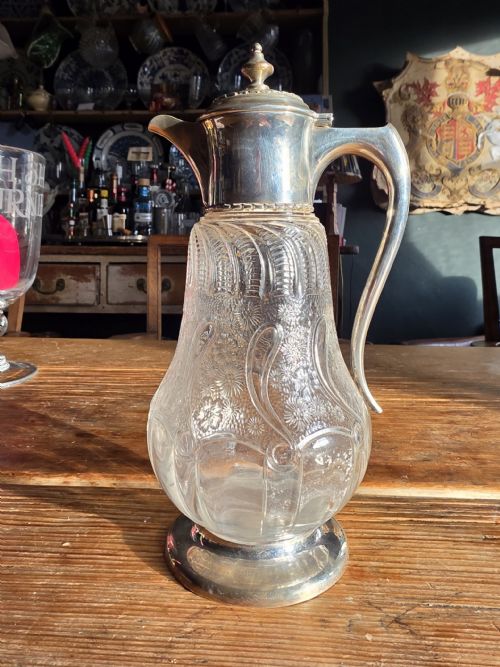
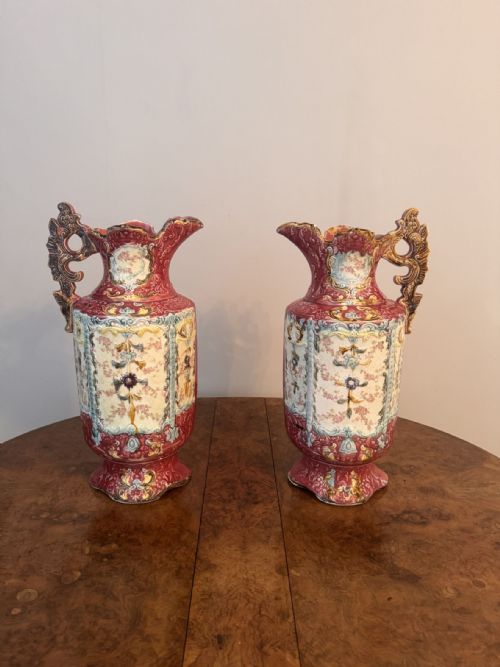
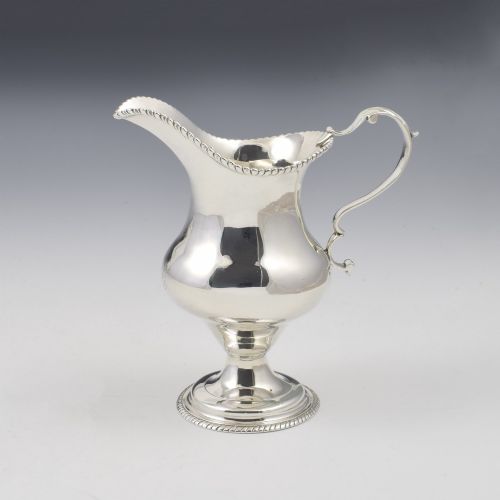
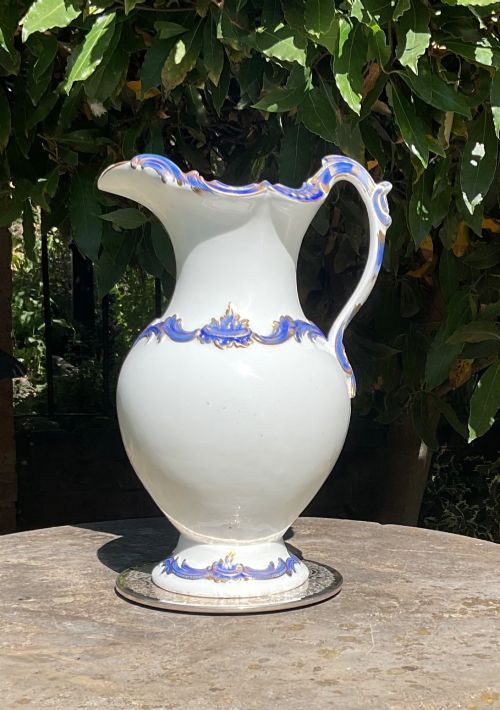
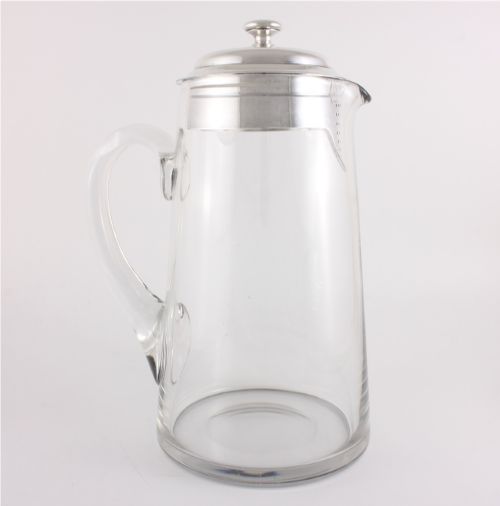
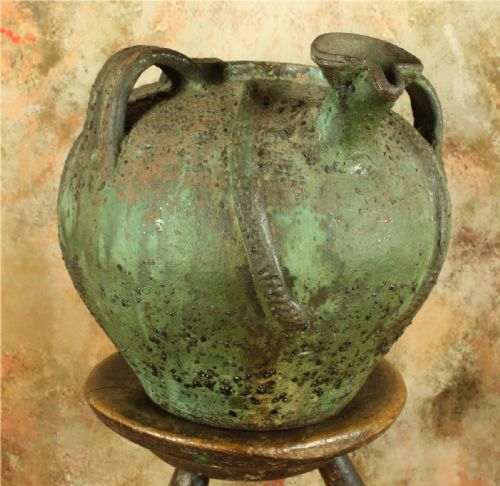
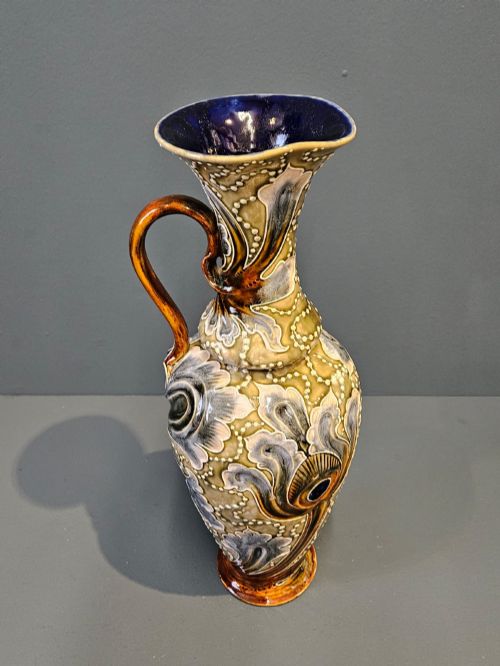
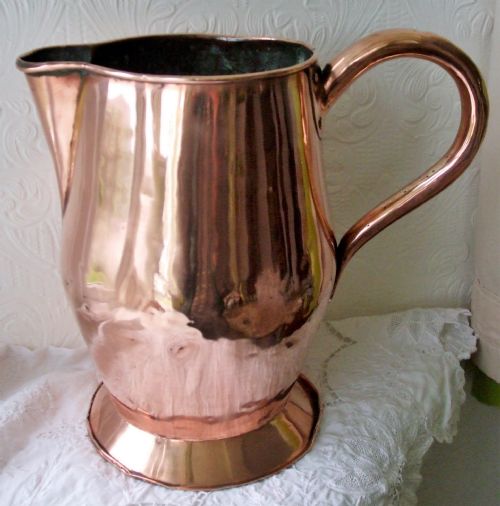
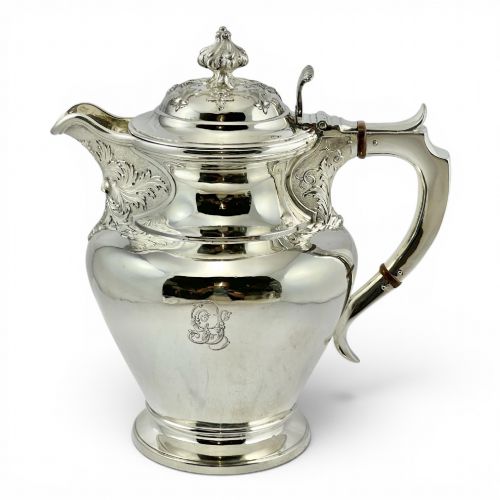
A large antique jug encompasses a diverse array of substantial hollow vessels designed for holding liquids, ranging from everyday domestic utilitarian items to highly ornate decorative display pieces. When exploring this category, a buyer encounters everything from robust 17th-century stoneware saltglaze flagons and copper harvest measures to refined Victorian porcelain water pitchers and sterling silver claret jugs.
The selection frequently spans the Georgian, Victorian, and Edwardian eras, reflecting changes in social dining, hospitality, and interior decoration over three centuries. Common forms include tall ewers, bulbous beer steins, handled creamers, and capacious water vessels, originating from English potteries, continental European workshops, and silversmiths alike.
Makers and manufacturers represented across these examples include notable British potteries such as Doulton Lambeth and Masons, alongside continental porcelain houses and metalware specialists. Whether fashioned for the tavern, the dining table, or the parlour cabinet, these items survive as functional testaments to historical craftsmanship.
How they were made
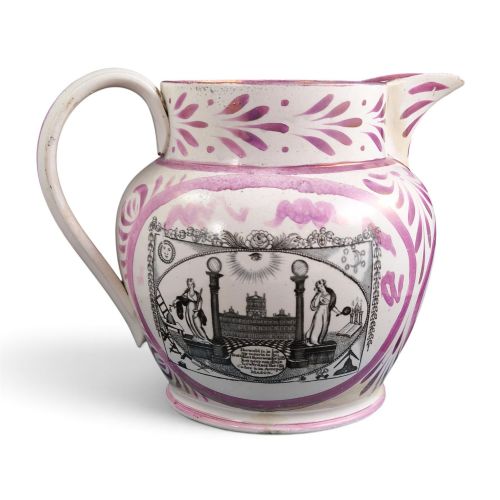
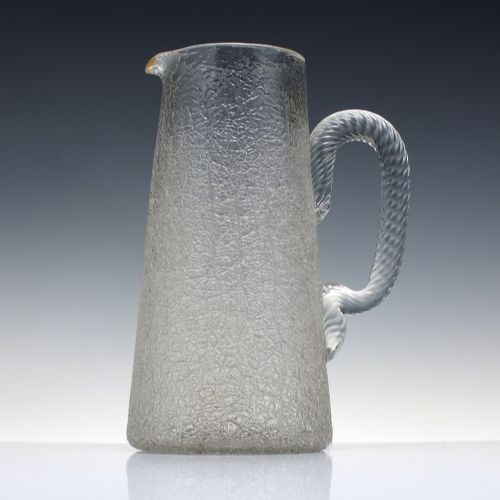
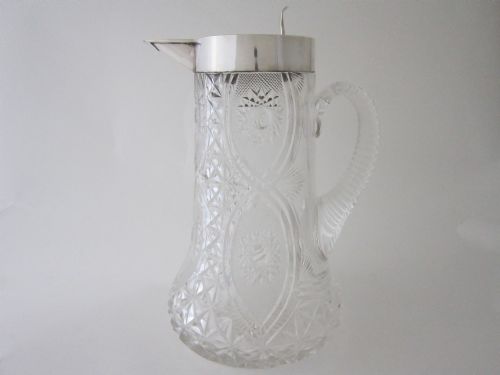
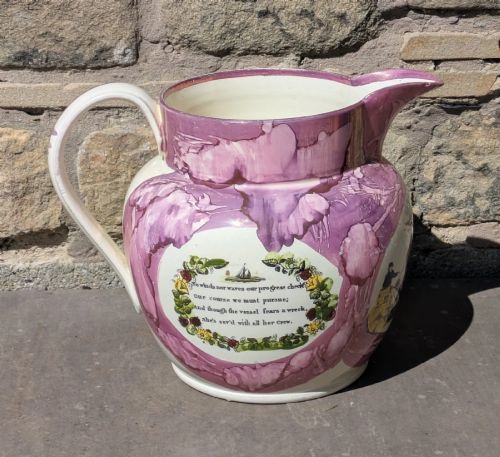
Pottery and ceramic examples rely on traditional throwing and moulding techniques, often finished with salt-glazes, tin-glazes, or vibrant lustre finishes applied before high-temperature kiln firing. Stoneware and earthenware pieces frequently feature relief-moulded ornamentation depicting historical scenes or mythological motifs, while delicate glass versions involve free-blowing, overshot trails, and precision cut crystal decoration.
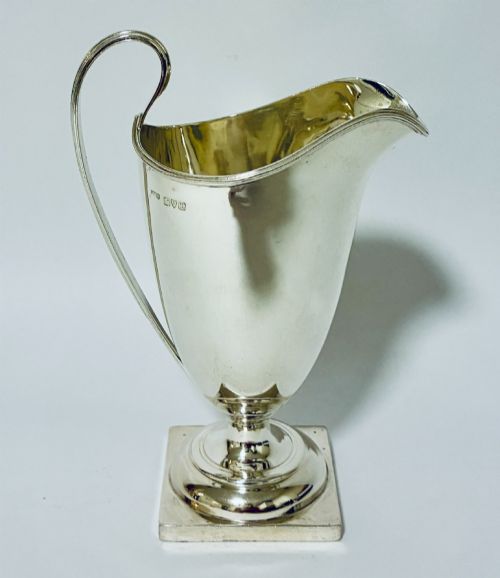
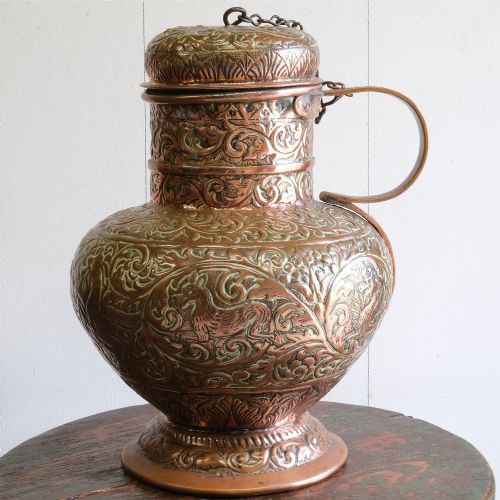
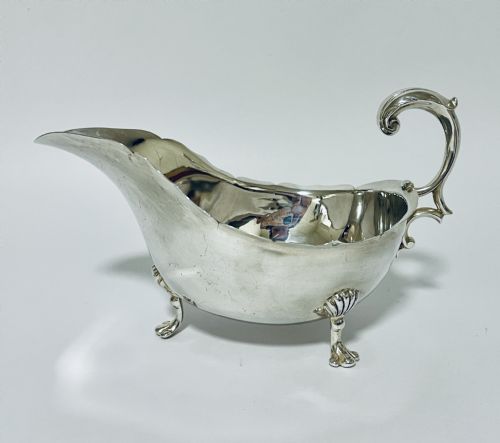
Metal vessels demonstrate contrasting methods of construction, utilising heavy-gauge sheet copper, brass, and pewter shaped by hand-beating, riveting, and soldering. Silver pieces combine silversmithing techniques such as raising, casting for handles, and intricate hand-chasing or engraving to produce formal tableware.
Several copper jugs bear the physical dents and scars of centuries of tavern service and kitchen use.
What varies in quality
The distinction between standard utility items and premier examples rests upon the ambition of the design and the precision of execution by the maker. Superior ceramic and glass pieces display crispness in relief-moulded details, well-balanced proportions, and sophisticated glaze applications without excessive distortion from the kiln.
For metalware and silver, weight, gauge thickness, and the integrity of joints and handles dictate the standard of the piece. Master silversmiths and renowned copper workshops achieved clean lines, secure hand-riveting, and balanced heft that separate exceptional presentation pieces from routine workshop production.
Stalker and Mitchison·Charles Meigh·A.E. Grey and Co·David Andersen·Royal Worcester
The Large Jug Glossary
- Ewer
- A large jug or pitcher with a wide spout and a curved handle, traditionally used for holding water for hand-washing or serving wine at formal meals.
- Stoneware
- A robust, vitrified ceramic fired at high temperatures until impervious to liquids, frequently salt-glazed and associated with utilitarian historical vessels.
- Lustreware
- Pottery decorated with a metallic glaze that produces an iridescent, reflective sheen when fired in a reducing atmosphere.
- Claret jug
- A specialised drinking vessel, typically formed from cut glass or crystal mounted with sterling silver mounts and a hinged lid, popular during the Victorian and Edwardian periods.
- Slipware
- Pottery decorated with a liquid clay mixture applied to the unfired body before glazing, creating simple linear or patterned designs.
Large Jug: Frequently Asked Questions
How were large jugs used historically?
Large jugs served practical roles in domestic and commercial settings, transporting and serving water, beer, milk, and wine at the table or in the tavern.
Heavier stoneware and metal vessels were utilised for bulk storage and measuring harvests, while delicate porcelain and silver iterations occupied prominent places in formal dining rooms.
How do I distinguish Victorian from Georgian pieces?
Georgian pieces generally favor neoclassical restraint, lighter silver forms, and simpler creamware bodies reflecting 18th-century domestic habits.
Victorian items often display heavier ornamentation, including elaborate relief-moulding, Gothic influences, and robust Doulton stonewares reflecting industrial manufacturing capabilities.
Can I use antique jugs for serving drinks?
Many ceramic, glass, and silver jugs remain fully functional for serving water or wine at modern tables provided they lack structural damage.
Porcelains and metals with historical linings or porous earthenware require careful hand-washing and consideration of their age before active daily use.
What materials are most common?
The category encompasses a wide mix of earthenwares, stonewares, copper, pewter, sterling silver, and blown or cut glass.
Earthenware and copper dominate utility forms, whereas silver and crystal represent formal dining accessories.