


Large Frame
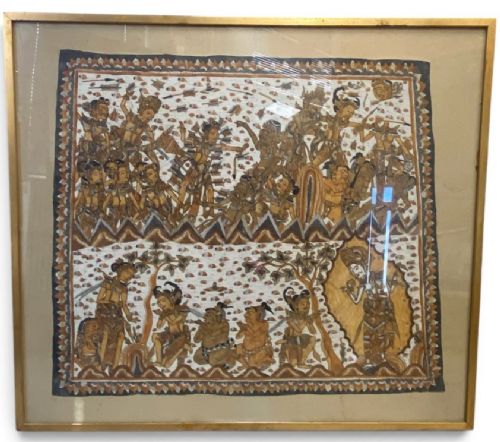
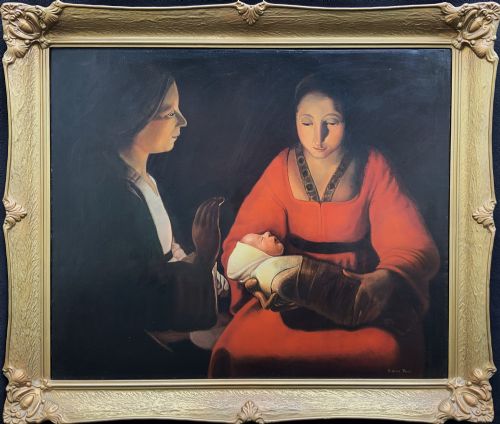
A large antique frame defines a room, enclosing oil paintings, mirrors, and maps with centuries of craft.
Large Frame
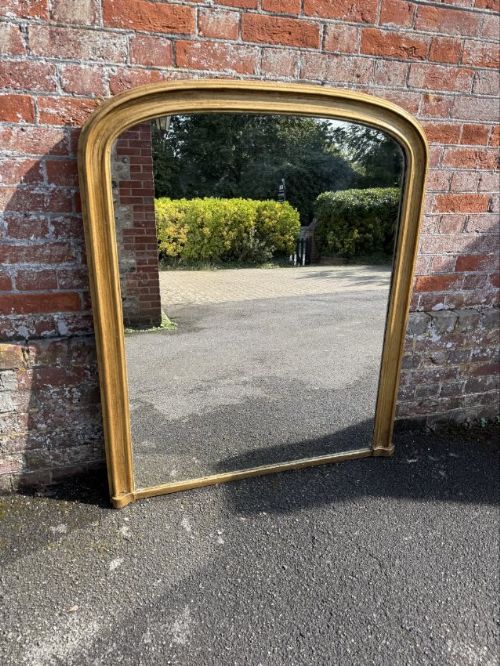
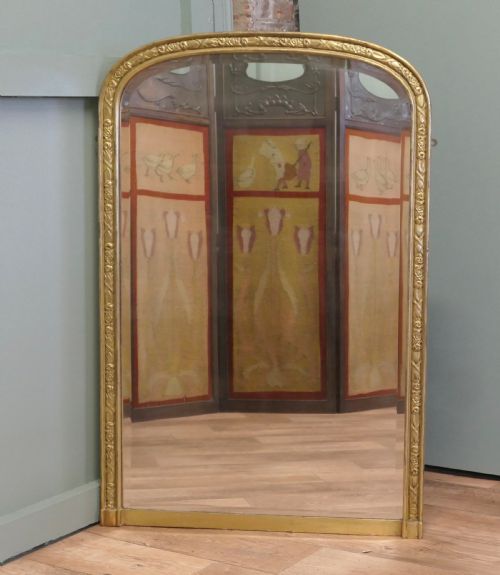
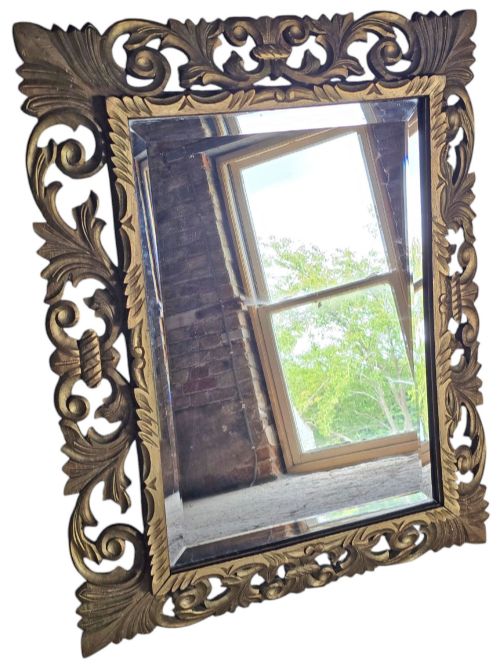
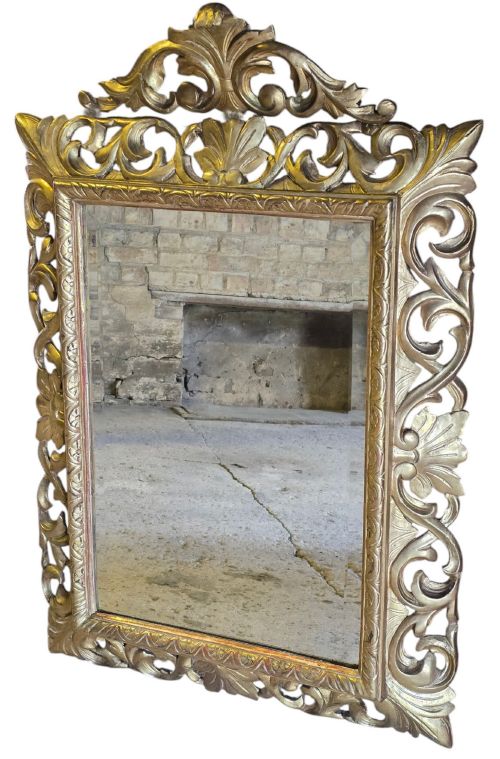
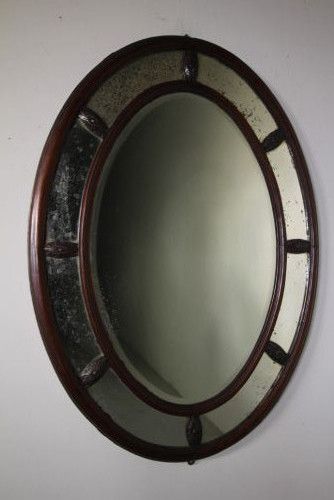
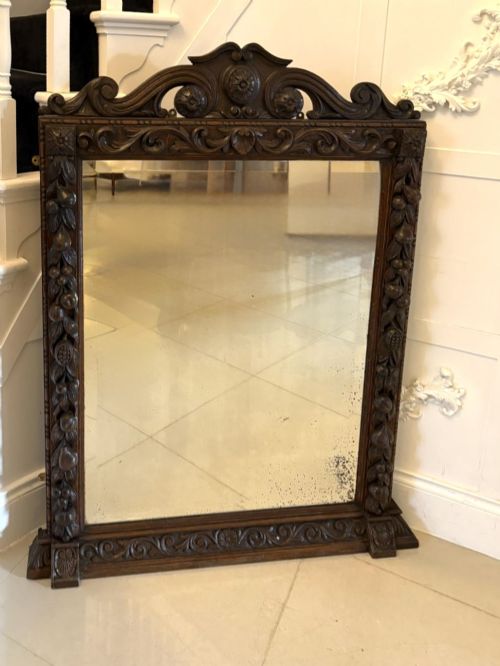
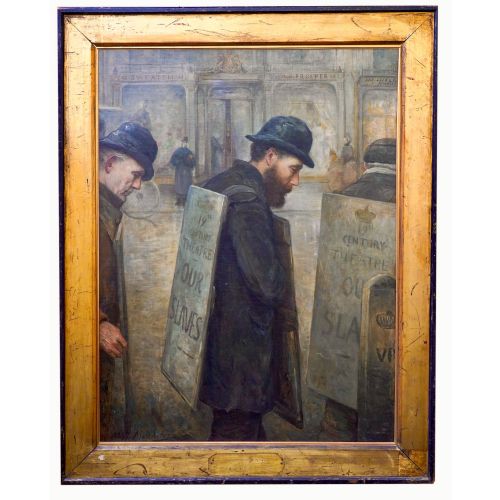
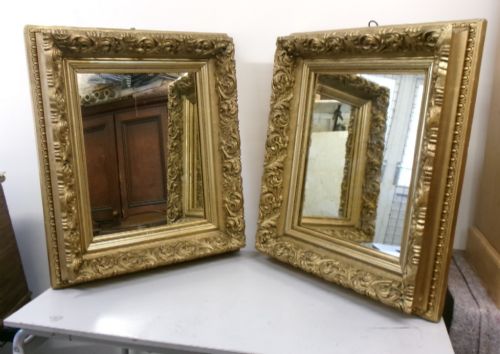
A search for a large antique frame reveals substantial wall mirrors, overmantle mirrors, and picture frames originating from the Georgian, Victorian, and Edwardian eras. These objects serve both functional reflective purposes and decorative roles as grand statement pieces in domestic interiors.
How they were made
Carvers shaped solid timber foundations, frequently utilising oak, mahogany, or softwoods, before applying layers of plaster-based gesso to build up high-relief ornament. Artisans then brushed or laid gold leaf over these prepared surfaces to achieve a luminous metallic finish.
Makers constructed robust pine or oak carcases to support heavy mercury glass plates or thick oil canvases, securing the backs with timber panels. Corner joints utilised traditional joinery methods to withstand the substantial weight of the overarching timber and gesso decoration.
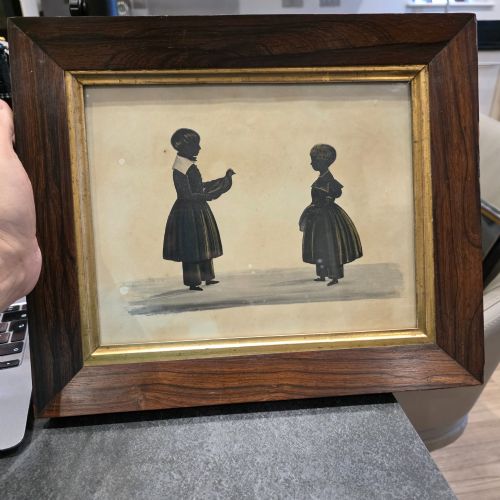
One persistent frame once held a portrait of two girls where one stubbornly guards a pet bird.
What varies in quality
The depth and crispness of hand-carving distinguish superior examples from standard production pieces, particularly where gesso enrichment meets the wooden substrate. Artisans who invested hours in undercutting foliage, ribbons, or rope twist motifs produced sharper definition than those relying on simpler moulded applications.
Originality of the surface finish and the glass plate dictates the integrity of a piece. Retaining the initial gold leaf or genuine mercury mirror plate with appropriate age patination indicates a higher tier of preservation compared to modern re-gilding or replacement glass.
Richard Sebastian Bond·Felix Stone Moscheles·Georges de La Tour·Sir Joshua Reynolds·Charles Nosotti
The Large Frame Glossary
- Gesso
- A plaster-like mixture applied to wood frames to create a smooth surface for gilding or deep relief carving.
- Overmantle mirror
- A wide mirror specifically designed to hang above a mantelpiece or fireplace.
- Giltwood
- Timber that has been coated with gold leaf or gold paint across its visible decorative surfaces.
- Mercury glass
- A type of double-walled glass blown in the nineteenth century, silvered with a mercury amalgam between the layers.
- Pier glass
- A tall mirror designed to fit on the wall between windows, often placed above a pier table.
Large Frame: Frequently Asked Questions
Where should a large overmantle mirror hang?
These mirrors traditionally sit directly above a drawing room fireplace to reflect light and anchor the hearth within the room. Their generous scale allows them to command the entire wall elevation.
Positioning them at eye level ensures they balance adjacent furniture and architectural proportions without overwhelming the surrounding space.
How do I identify a nineteenth century frame?
Nineteenth century frames typically display hand-carved wooden foundations layered with thick gesso and finished with genuine gold leaf. Examining the corner mitres and the reverse construction reveals period joinery methods.
Original pine backboards and aged fixings further confirm the age and manufacturing techniques of the Victorian era.
What is mercury glass in antique mirrors?
Mercury glass refers to silvered glass produced during the nineteenth century using a mercury solution poured between double-walled blown glass globes before cutting. This process creates a distinctive mottled and dark reflection.
Modern replacement mirrors lack this characteristic depth and historical surface oxidation.
Can heavy antique frames be hung safely?
Hanging heavy timber and gesso frames requires professional wall fixings secured directly into masonry or substantial timber studs. The sheer weight of nineteenth century giltwood demands robust picture wire and heavy-duty brackets.
Consulting a professional installer ensures the structural load distributes evenly across the wall surface.