
Large Buffet
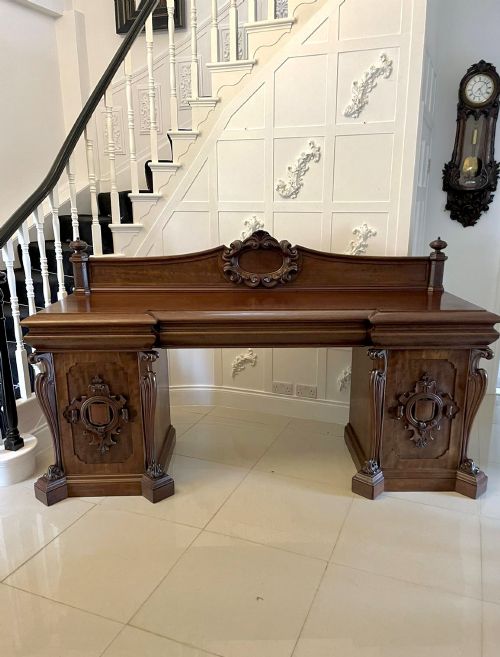
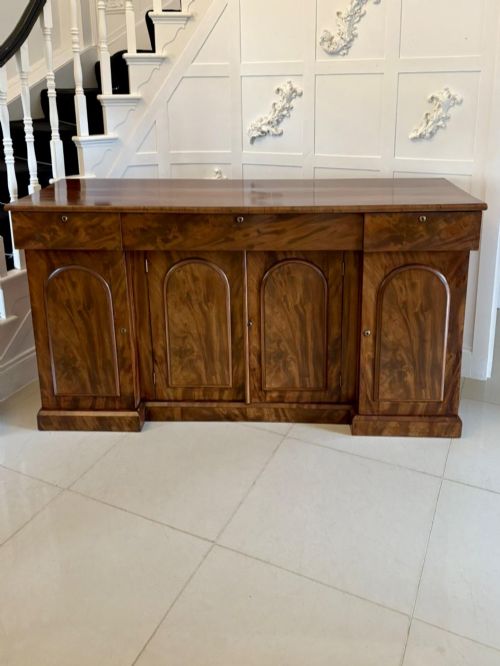
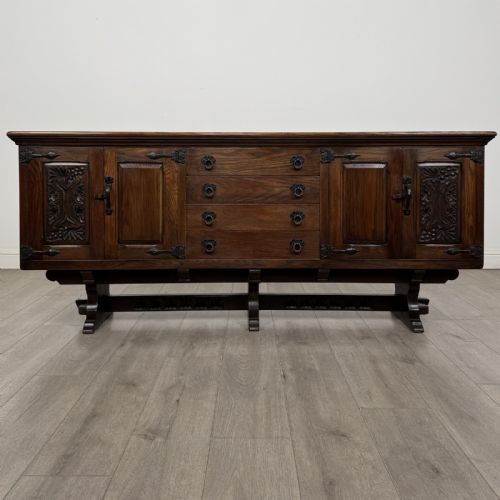
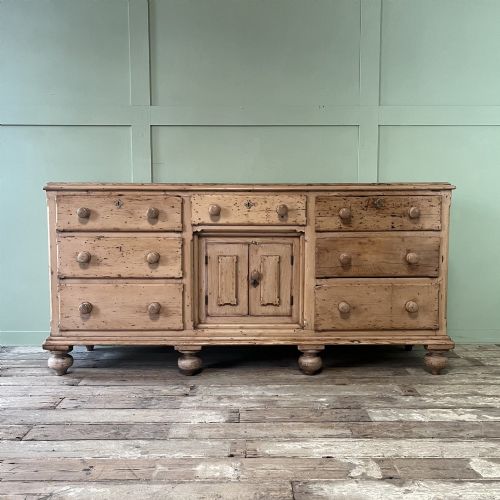
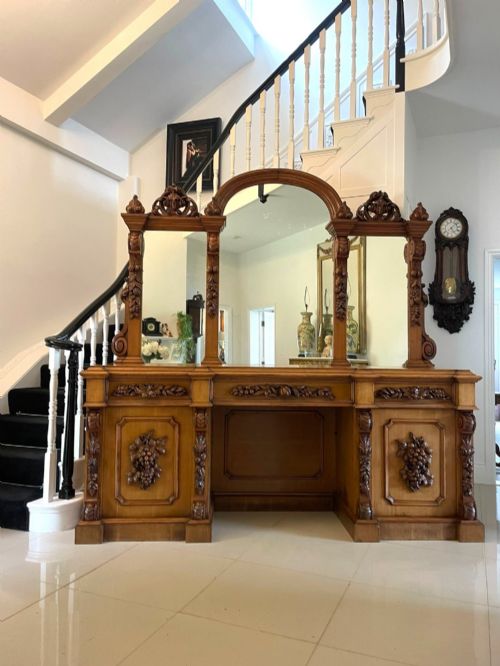
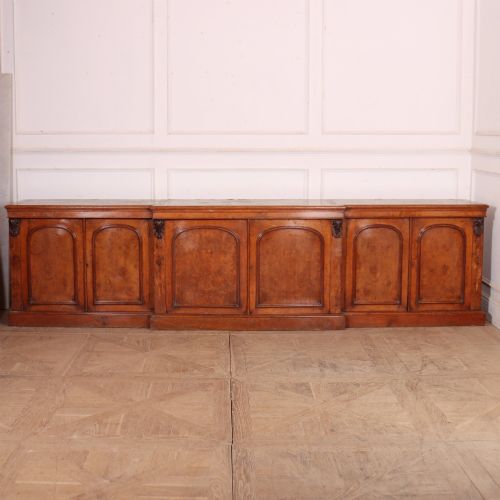
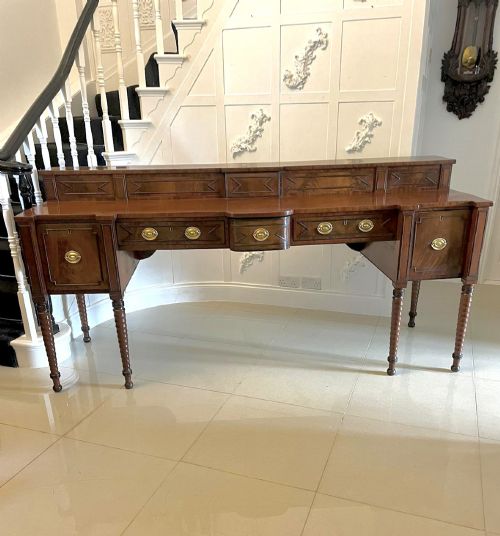
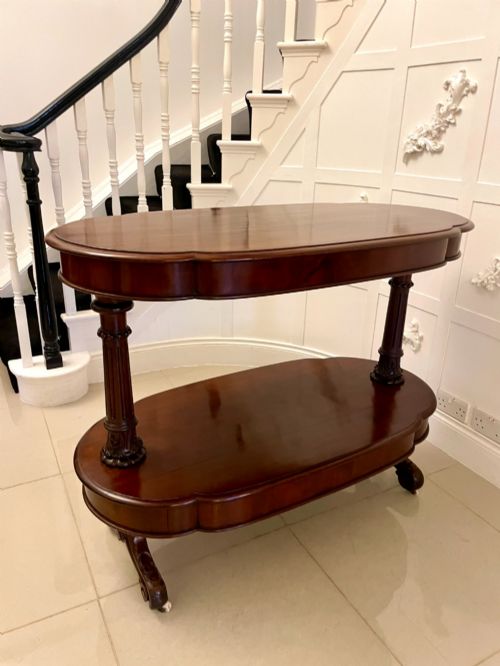
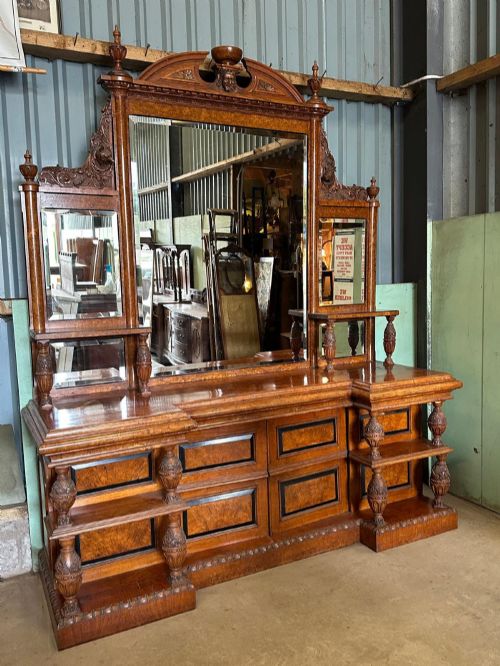
A large antique buffet anchors a room with timber presence, offering generous storage and serving space for the serious collector.
Large Buffet
A large antique buffet stands as a substantial dining room furnishing designed for food service and display. These pieces appear in forms such as sideboards, dresser bases, serving tables, and enfilades.
The selections available span multiple centuries and stylistic revivals, with particular representation from the Victorian and Edwardian eras. Pieces originating from Scottish and English workshops frequently feature alongside continental examples.
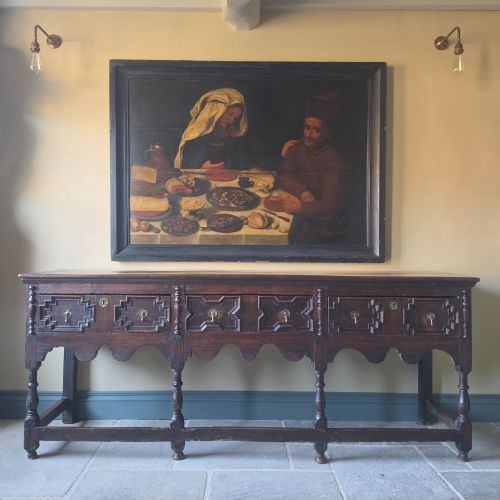
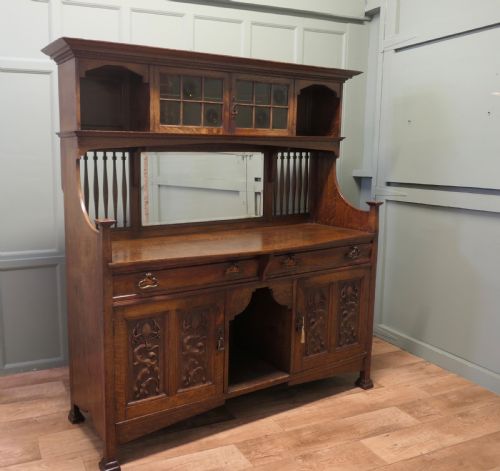
Makers utilised various regional designs, ranging from austere country pine and oak to formal breakfront configurations. Buyers encounter both mirror-backed variations and low-profile serving consoles.
Materials and construction
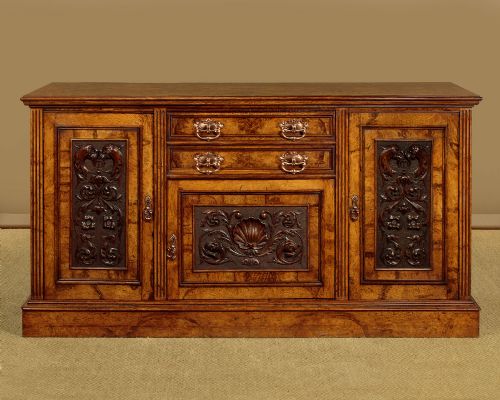
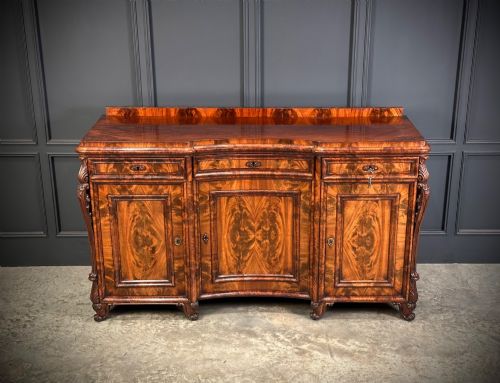
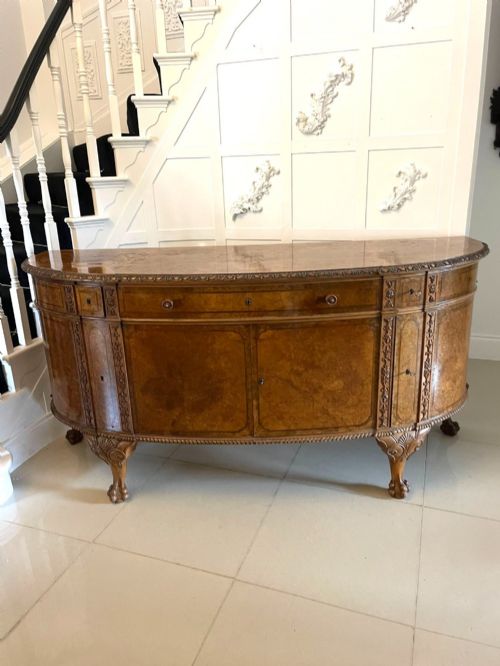
Carpenters constructed these large buffets predominantly from hardwoods like mahogany, oak, and walnut. Decorative veneers such as flame mahogany, burr walnut, and pollard oak provided striking grain patterns across expansive doors and drawer fronts.
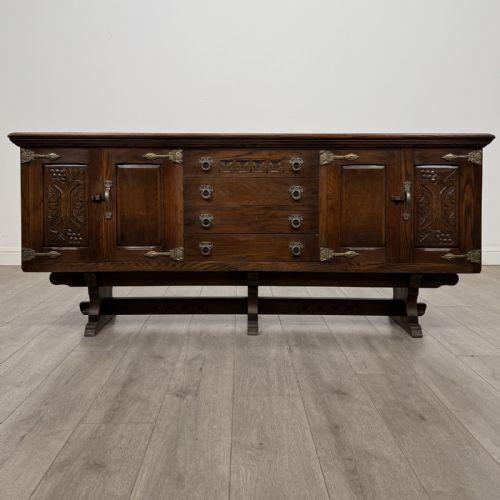
Secondary timbers like pine appear in internal partitions and drawer linings. Brass hardware, including handles and hinges, frequently accents the primary wood, while occasional examples incorporate glass panels or marble tops.
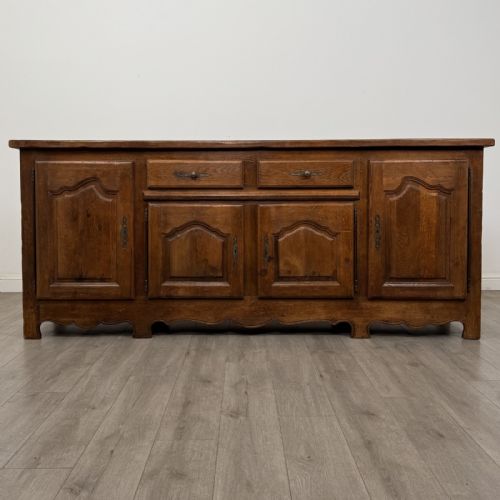
The furniture forms range from Scottish stage-back servers and country house dresser bases to French enfilades and Edwardian breakfront sideboards with paw feet.
Evaluating craftsmanship
Quality rests in the selection of timber figures and the precision of the cabinetmaker's joinery. Superior examples display book-matched veneers and tightly fitted dovetailed drawers that operate smoothly within their frames.
Carved ornamentation reveals the hand of a skilled artisan rather than mechanical replication. Heavy proportions require sound structural integrity, particularly where mirror backs or extensive upper tiers add considerable weight.
Shapland and Petter
The Large Buffet Glossary
- Breakfront
- A cabinet design where the central section projects forward from the flanking outer sections. This architectural arrangement creates depth and visual rhythm across the facade.
- Dresser base
- A low-standing cabinet featuring drawers and cupboards, historically used for food preparation and storage in domestic kitchens or dining rooms.
- Flame mahogany
- A veneer cut from the fork of the mahogany tree where the branch joins the trunk. It produces a fiery, undulating pattern highly prized in formal cabinetry.
- Pollard oak
- Timber taken from trees that were cut back to the trunk to promote dense, branching growth. This process yields a swirling, highly figured burr grain.
- Enfilade
- A long sideboard or cabinet designed to sit flush against a wall, frequently associated with continental dining rooms.
Large Buffet: Frequently Asked Questions
Where should I place a large buffet?
These substantial pieces demand adequate wall space and clearance in a dining room or wide hallway. They function best against a primary wall where their depth and height remain balanced with the surrounding architecture.
Positioning away from direct heat sources protects the timber and delicate veneers from drying and cracking over time.
How do I maintain the timber surface?
Routine upkeep involves dusting with a soft, dry cloth to prevent particulate buildup on carved details and polished surfaces. Periodic application of quality wax preserves the moisture and sheen of antique mahogany, oak, and walnut.
Avoid placing damp items or unsealed pottery directly on the wood to prevent water rings and staining.
What is the difference between a buffet and a sideboard?
While both terms describe serving furniture, a buffet traditionally emphasises food service and lower storage capacity. Sideboards often incorporate upper plate racks, mirror backs, or pedestals designed for display.
Historical usage varied by region, leading to considerable overlap in how makers categorised these heavy dining room pieces.
How do I identify Victorian examples?
Victorian pieces frequently display heavier proportions, dark mahogany or carved oak construction, and elaborate decorative elements like mirror backs or Gothic motifs. The scale tends to be imposing, reflecting the architectural tastes of the nineteenth century.
Construction details such as machine-sawn timber elements alongside hand-cut joinery help confirm the period of manufacture.