


Oak Mirror Chiffonier
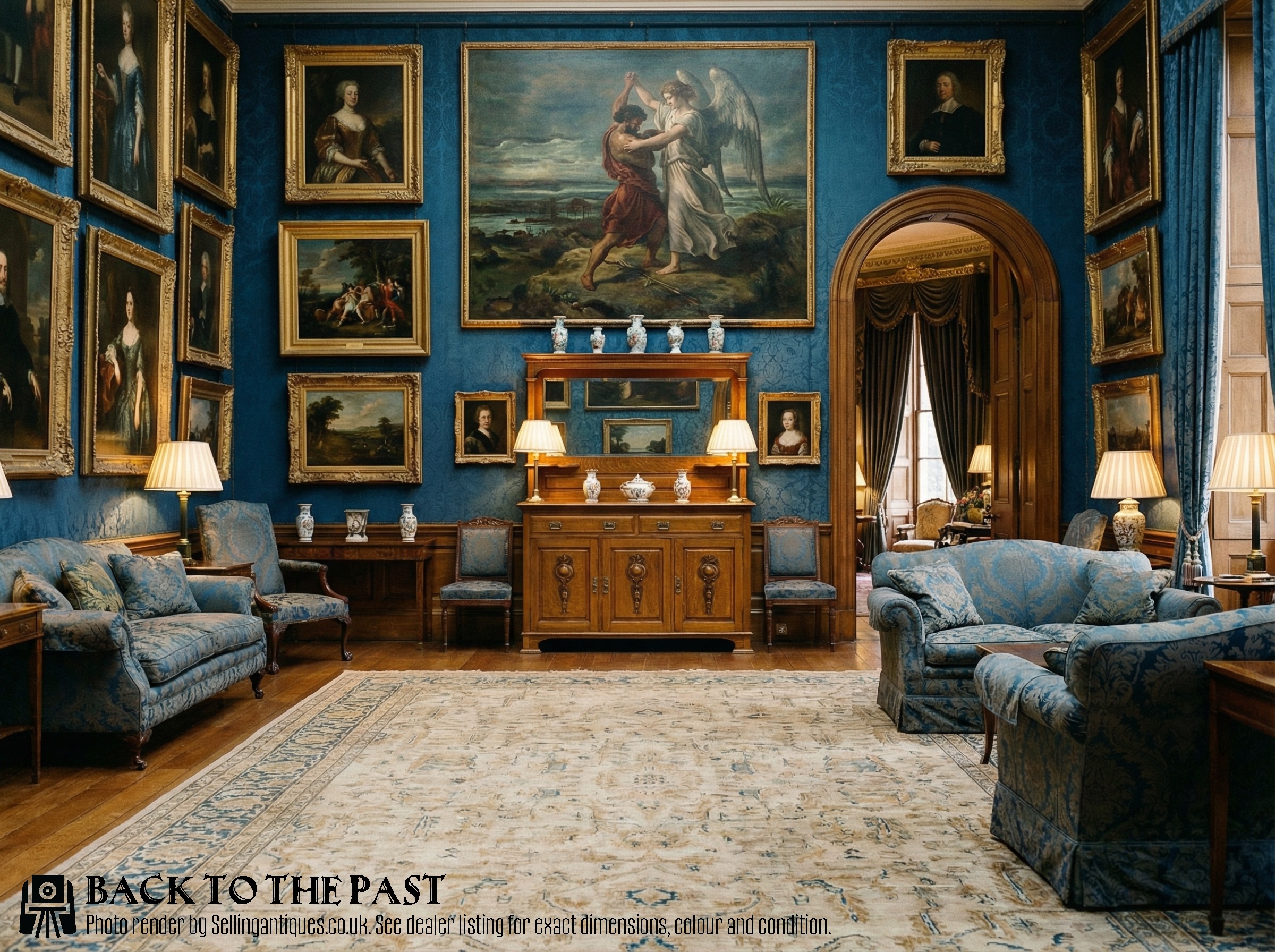
An oak mirror chiffonier brings rich timber and glass together to anchor a room.
Oak Mirror Chiffonier
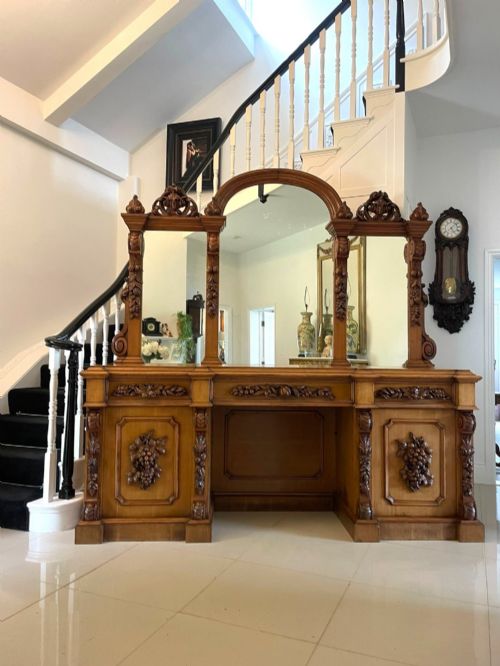
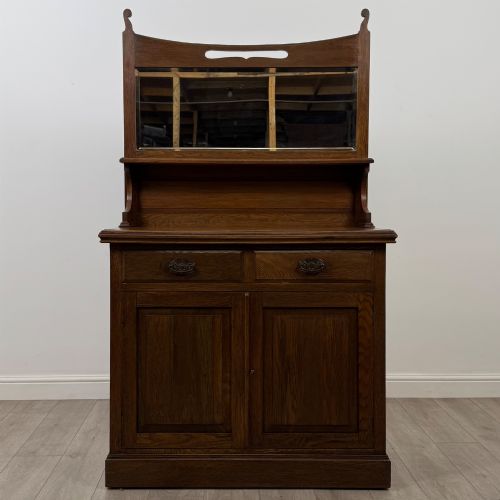
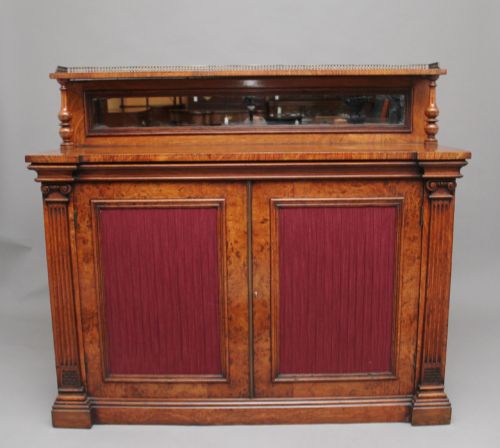
An oak mirror chiffonier combines storage cabinets and display surfaces with an integrated mirror back, serving primarily as a sideboard or buffet within dining and living spaces. These pieces emerge chiefly from the Victorian and Edwardian eras, spanning the late nineteenth century into the early twentieth century.
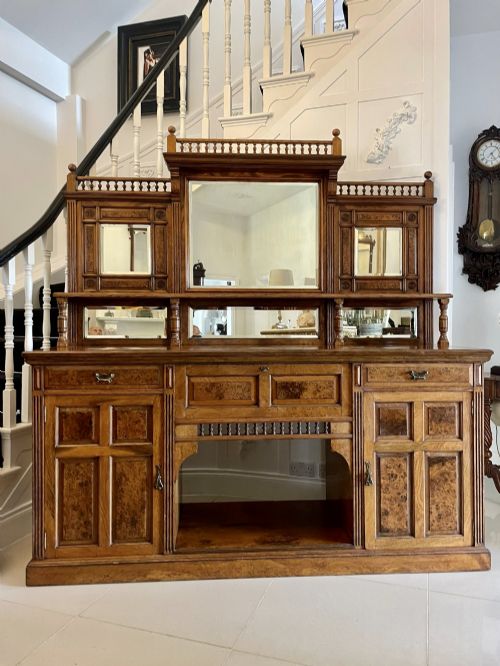
The versions most commonly met on this page are substantial Victorian and Edwardian sideboards fashioned from oak and pollard oak, often featuring carved details and upright mirror glass. Forms range from straightforward English oak cabinets to more elaborate Arts and Crafts and Aesthetic Movement designs.
Makers and workshops of the period produced these hybrid chiffoniers and sideboards to hold dining silver, linen, and glassware while reflecting light into the room through bevelled or plain mirror plates. They stand as robust examples of late nineteenth and early twentieth century domestic furniture.
Materials and construction methods
Cabinet makers utilised solid oak and distinctive pollard oak veneers, selecting timber with tight grain patterns and striking natural burls. Secondary timbers such as pine occasionally appear in internal carcase construction and drawer linings.
Glass forms a central component, set into wooden frames as mirror plates above the main sideboard surface to bounce light around the interior. Brass and copper hardware, including drop handles and key escutcheons, provide functional metallic accents against the dark wood.
Joinery methods rely on traditional frame and panel construction for doors and carcases, complemented by hand carving on structural friezes and pediments. Ebonised wood details sometimes appear to contrast with the golden or brown tones of the primary oak.
The mirror glass in these chiffoniers has spent over a century quietly reflecting breakfast toast and family arguments.
Variations in quality
The selection of timber grain heavily dictates the visual appeal of an oak mirror chiffonier, with figured pollard oak and matched veneers marking out superior cabinet work. Plain, utilitarian planks indicate more modest domestic production without decorative ambition.
Carving depth and execution separate standard commercial output from exceptional pieces attributed to known makers such as James Schoolbred or Garnett and Sons. Crisp, undercut foliage and well-proportioned architectural mouldings reveal the hand of skilled artisans rather than routine factory assembly.
Garnett & Sons
The Oak Mirror Chiffonier Glossary
- Chiffonier
- A low sideboard or cabinet, typically featuring drawers and cupboards beneath a surface, often topped in this context with a mirror back. It evolved during the nineteenth century as a versatile piece for the dining room or parlour.
- Pollard Oak
- Timber taken from trees that have been pollarded, producing a dense, highly figured grain pattern full of small knots. Cabinet makers prized this wood for decorative drawer fronts and panel veneers.
- Mirror Back
- An upright wooden frame holding a mirror plate attached to the rear of a sideboard or chiffonier. It serves to brighten the room and display decorative objects placed on the ledge beneath.
- Aesthetic Movement
- A late nineteenth century design style that emphasised visual beauty over narrative or moral content, often drawing inspiration from Japanese motifs and dark ebonised finishes. Pieces from this movement display clean architectural lines and subtle contrasting details.
Oak Mirror Chiffonier: Frequently Asked Questions
How do I date an oak mirror chiffonier?
Dating relies on observing the stylistic markers and construction materials recorded across the Victorian and Edwardian periods. Pieces marked as early Victorian or referencing the 1880s often feature rich pollard oak and elaborate carved mirror backs.
Later Edwardian examples from around 1910 tend towards lighter oak tones and simpler structural lines. Comparing the hardware, such as brass and copper handles, also assists in placing the piece within its historical era.
Where should I place a mirror chiffonier?
These large sideboards suit dining rooms, hallways, or living spaces where their surface and storage capacity can be fully utilised. The integrated mirror back works effectively to reflect light and create a sense of depth in the room.
Ensure the wall and floor space can accommodate the substantial proportions typical of nineteenth century oak and mirror combinations.
What woods were used in these sideboards?
Makers relied heavily on oak, including golden oak, light oak, and heavily figured pollard oak for decorative veneer panels. Secondary woods like pine appear in internal components and drawer construction.
Some examples also incorporate ebonised wood details or metal fittings in brass and copper to accent the primary timber surfaces.