




Lalique Opalescent Dish
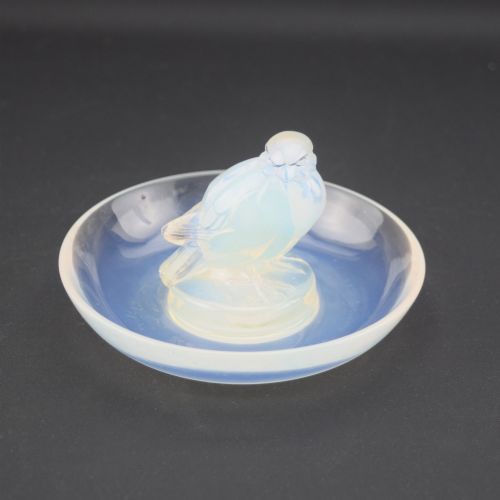
A lalique opalescent dish brings together milk-blue optical effects and sculptural glass forms that catch the light from every angle.
Lalique Opalescent Dish
A lalique opalescent dish encompasses decorative bowls, plates, chargers, and salvers produced during the early twentieth century. These items fall predominantly into the Art Deco period, spanning the 1920s and 1930s.
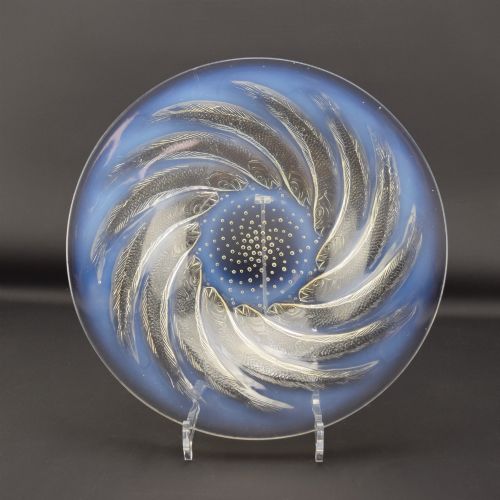
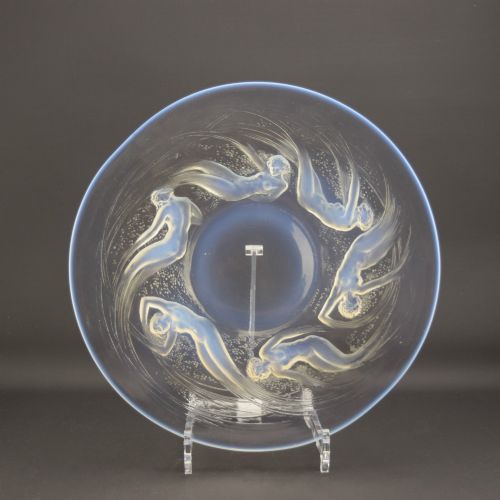
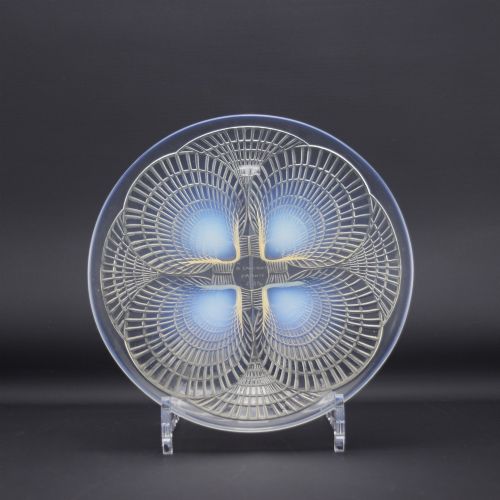
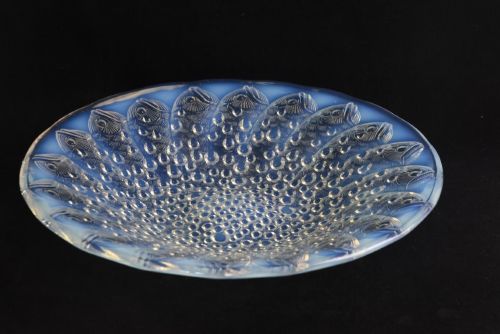
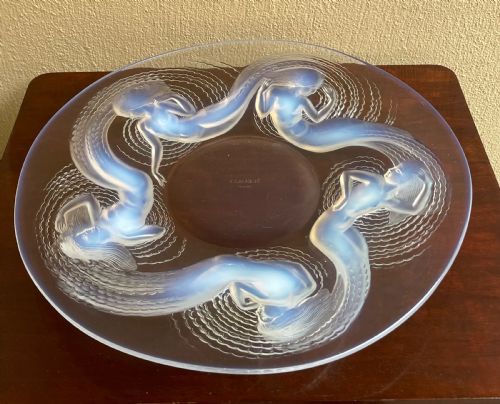
Forms range from shallow bowls and open coupe designs to flat plates featuring moulded aquatic or floral motifs. Buyers encounter named models such as Ondines, Coquilles, and Poissons across the available selection.
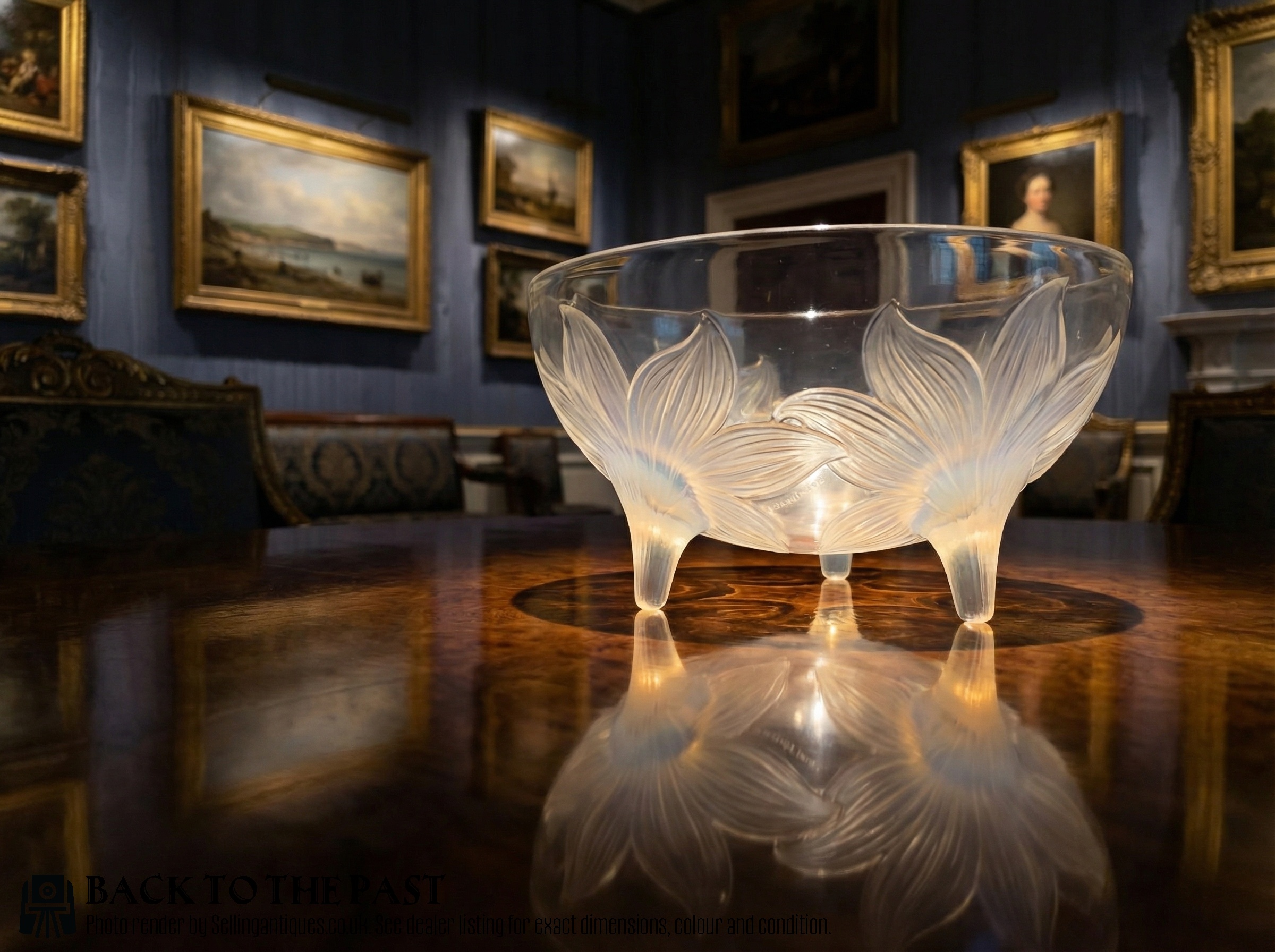
The objects serve primarily as decorative table pieces or shallow display vessels. Their surfaces utilise optical shifts in colour to highlight raised motifs of fish, sirens, and flower heads.
Production materials and techniques
Makers utilised opalescent glass, frosted glass, and pressed glass to achieve the characteristic milky-blue glow. The interplay of transparency and opacity relies on precise cooling and chemical composition.
Moulded glass techniques allow intricate relief decoration such as overlapping shells, swimming fish, and cascading foliage to stand proud of the vessel wall. Subsequent frosting refines the texture of background areas against polished highlights.
Listings feature Art Deco glass works spanning the 1920s and 1930s, utilising opalescent, frosted, and moulded techniques.
Judging quality and execution
Quality rests upon the crispness of the moulded relief and the intensity of the opalescent effect when light passes through the glass. Strong contrast between milky blue highlights and clear or amber-toned depths elevates a piece.
Rene Lalique·Verlys
The Lalique Opalescent Dish Glossary
- Opalescent glass
- Glass that exhibits a milky bluish turbidity when viewed by transmitted light and a yellowish hue by reflected light. This optical property creates the signature glow found on period decorative dishes.
- Coupe ouverte
- An open bowl or coupe form with wide shallow sides. This shape provides a broad canvas for moulded botanical or figurative designs.
- Salver
- A flat plate or tray utilised for display rather than dining. In glass work, these pieces often feature substantial raised borders.
- Frosted glass
- Glass with a textured, matte surface created by acid etching or sandblasting. It contrasts sharply with the translucent or opalescent areas of a design.
Lalique Opalescent Dish: Frequently Asked Questions
What is an opalescent dish?
An opalescent dish is a moulded glass vessel that diffuses light to display a milky-blue glow across its raised surface decoration.
These pieces function primarily as decorative bowls or plates rather than utilitarian tableware.
How do I date a glass dish?
Dating relies on stylistic markers from the Art Deco period alongside specific named design patterns recorded from the 1920s and 1930s.
Form variations and catalogue records help narrow down the production era of individual bowls and plates.
Where were these dishes made?
These decorative items stem from French glassmaking traditions of the early twentieth century.
Master glasshouses utilised specialised moulding and cooling processes to achieve the signature optical effects.
How should I display my bowl?
Display these shallow bowls and chargers where natural or directional light can pass through the glass to activate the opalescent tones.
Placing them on open surfaces or near windows allows the milky-blue highlights to shift throughout the day.