





Vintage Lalique Bowl
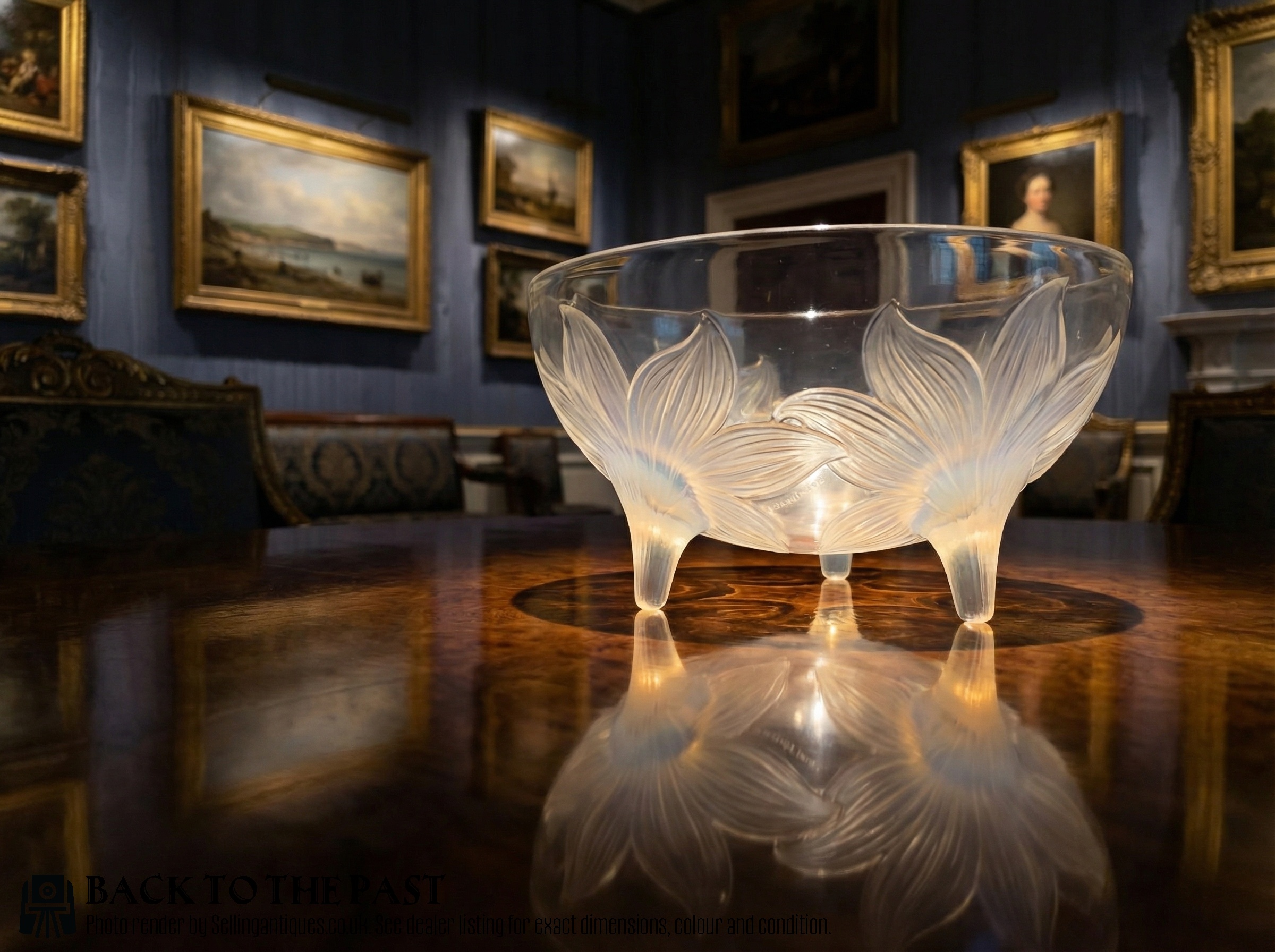
A vintage lalique bowl brings tactile French elegance to a room through sculpted glass and luminous opalescent depth.
Vintage Lalique Bowl
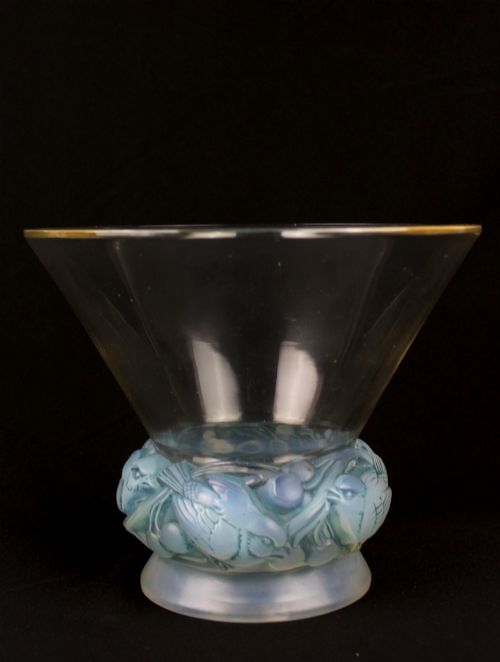
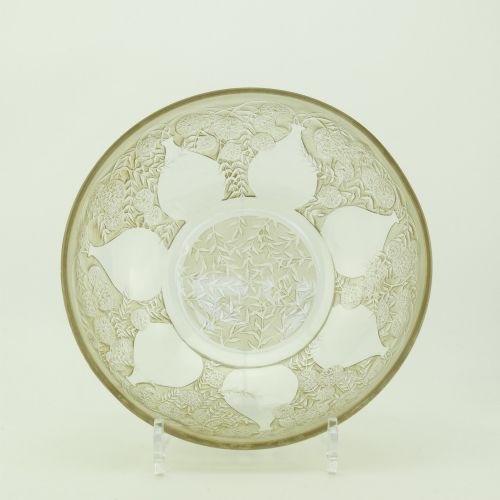
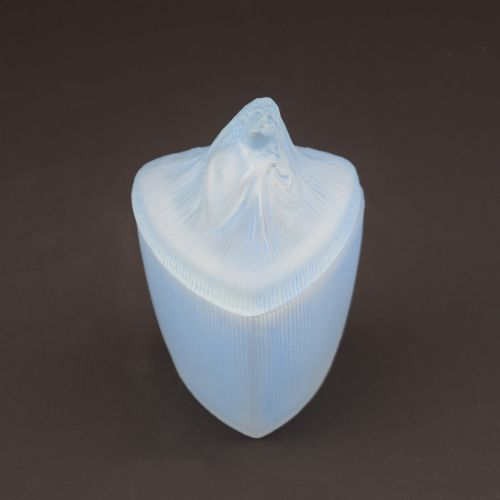
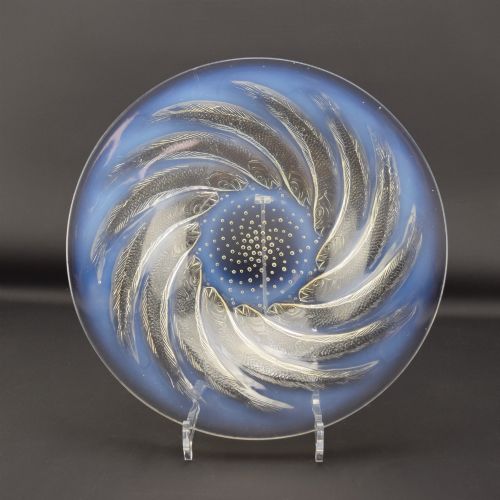
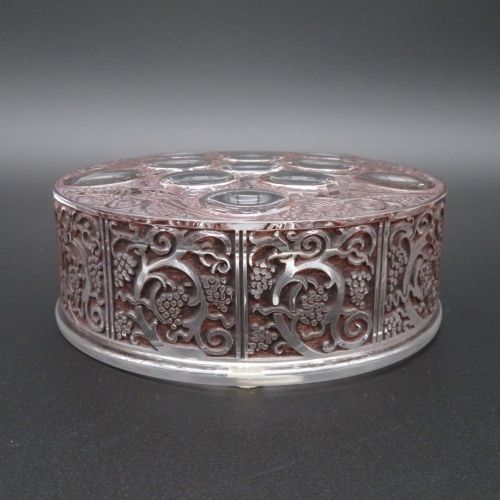
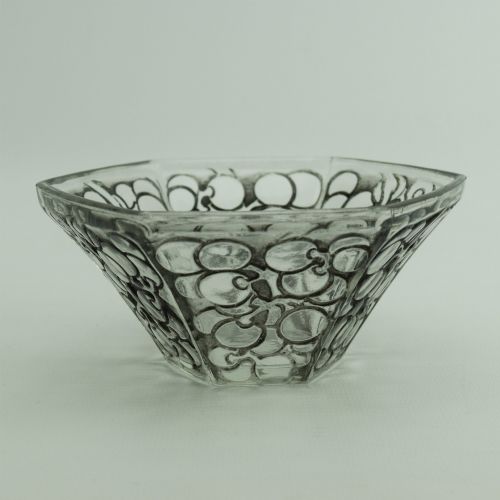
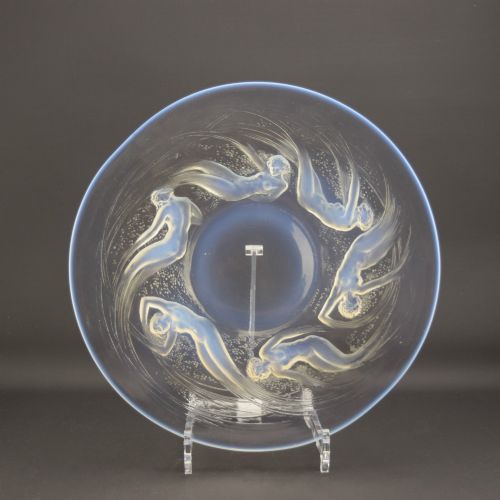
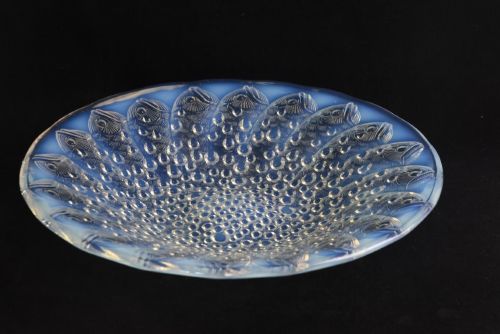
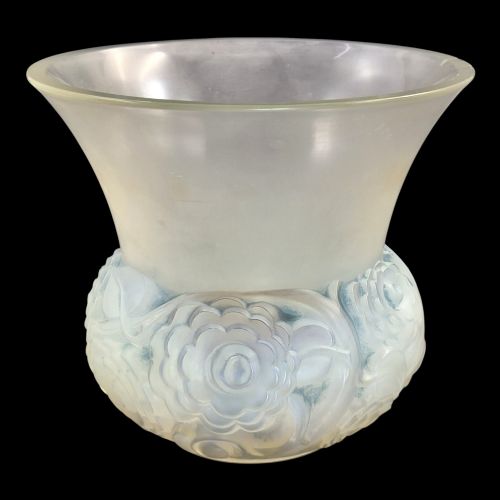
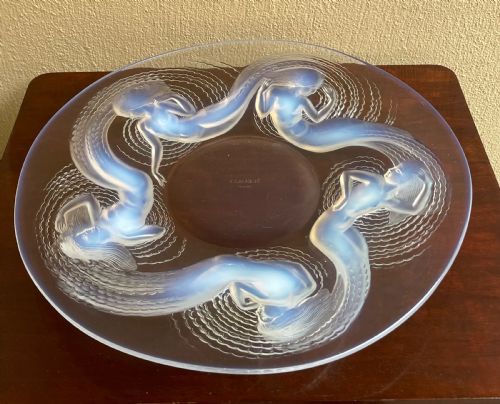
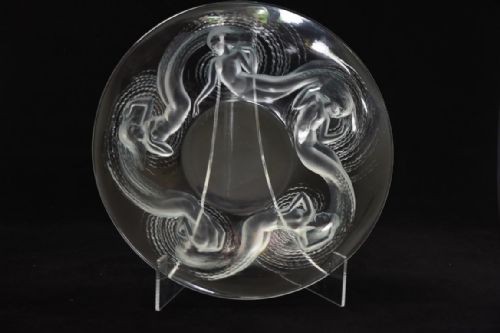
A vintage lalique bowl encompasses decorative bowls, open coupes, shallow dishes and powder boxes originating primarily from the early decades of the twentieth century. These objects span Edwardian and Art Nouveau aesthetics through to the geometric lines of Art Deco, reflecting the changing design language of the studio. Buyers frequently encounter pieces bearing specific named motifs such as Poissons, Ondines, and Calypso.
The forms function primarily as decorative vessels, chargers and powder boxes rather than utilitarian tableware. Many examples utilise low, wide profiles designed to catch light across moulded glass surfaces and relief decoration. The selection relies heavily on French production periods spanning from the nineteen-tens through to the nineteen-thirties.
Materials and technique
Techniques involve working hot glass into moulds to achieve deep relief motifs such as fish, flora and female figures. Selected items incorporate grey staining or enamel work added by hand to accentuate carved lines and recessed details within the floral or abstract patterns.
Vintage Lalique Bowl Retail Price Guide 2026
Typical asking prices for vintage lalique bowl among the pieces listed under this phrase on Sellingantiques today, from the lower quarter to the upper quarter. They describe what is for sale here now, not the wider market.
The inventory spans four distinct production eras: the Edwardian period, the nineteen-tens, the nineteen-twenties, and the nineteen-thirties.
Assessing the pieces
Quality rests on the crispness of the moulded relief and the intensity of the opalescent glow within the glass. Superior examples exhibit sharp definition in intricate details like fish scales, flower petals and figurative elements without blurring or softness from worn moulds. The play of light between transparent areas and frosted or opalescent sections determines the visual impact of the piece.
The success of secondary embellishments such as enamel work or grey staining dictates the refinement of the surface. Stronger items display precise application that complements the underlying glass form without obscuring the tactile qualities of the moulded design.
Rene Lalique
The Vintage Lalique Bowl Glossary
- Opalescent Glass
- Glass that appears milky bluish-white when viewed by transmitted light and yellowish-orange by reflected light. This optical effect gives vintage Lalique bowls their signature depth and luminosity.
- Coupe Ouverte
- An open bowl or shallow vessel form frequently utilised for decorative centrepieces. These open shapes allow moulded motifs around the exterior and interior to catch ambient light.
- Moulded Glass
- Glass formed by pressing molten material into a metal or carved form to create relief decoration. This technique enabled the consistent reproduction of complex botanical and figurative designs.
- Plafonnier
- A ceiling bowl or shallow shade designed to be suspended as a light fixture. Examples share the same moulded glass vocabulary found in table bowls and plates.
Vintage Lalique Bowl: Frequently Asked Questions
How do I identify a genuine piece?
Authentification relies on examining the weight and quality of the moulded glass alongside characteristic opalescent properties. Markings and signatures specific to the maker provide additional confirmation of origin.
Studying the crispness of relief details helps distinguish authentic studio production from later reproductions or alternative glasswork.
Where should I display my bowl?
These decorative bowls suit placement on surfaces where natural light can pass through the opalescent or clear glass. Open forms work well on side tables, cabinets or central display areas.
Positioning items away from heavy foot traffic protects the edges of shallow chargers and powder boxes from accidental impact.
Can I use these bowls for food?
Historical decorative vessels and powder boxes are intended for display rather than modern culinary service. Their delicate pressed glass and crystal surfaces require careful handling.
Utilising these pieces solely for decorative purposes preserves the delicate finishes, staining and enamel work.
How do I clean frosted glass?
Maintenance requires gentle cleaning with warm water and a mild detergent using a soft cloth. Harsh abrasives must be avoided to protect matte and frosted surfaces.
Thorough drying prevents water spots from dulling the intricate relief work found on opalescent and crystal bodies.