
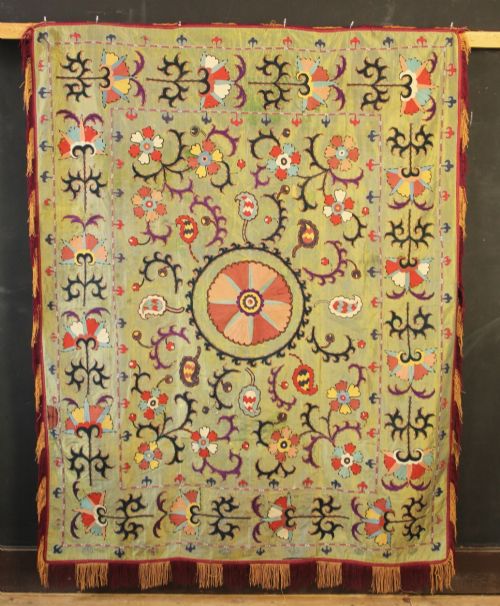


Lakai Suzani Textile
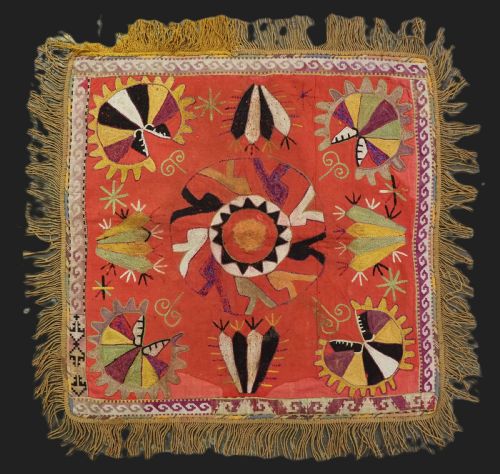
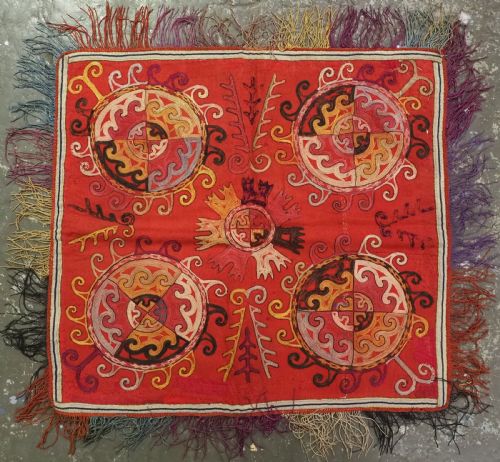
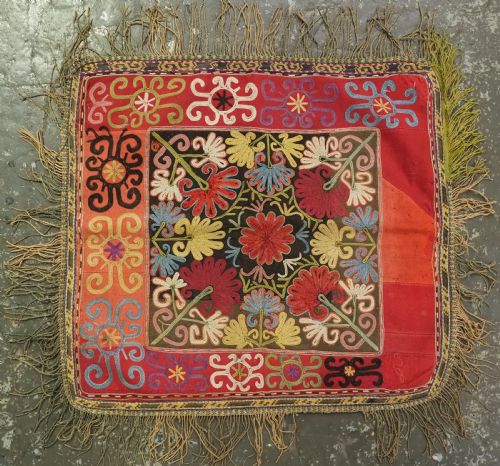
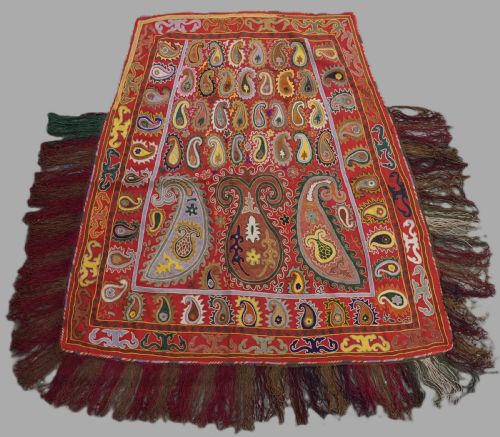
These lakai suzani textile pieces are Central Asian tribal embroideries created for domestic and ceremonial use.
Lakai Suzani Textile
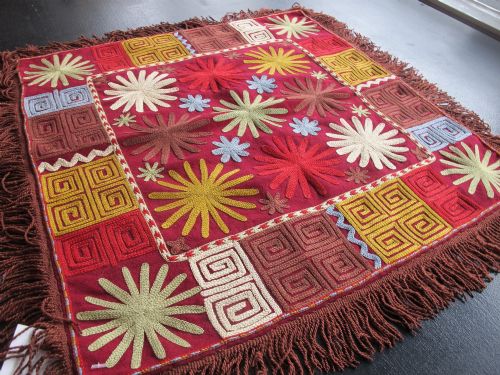
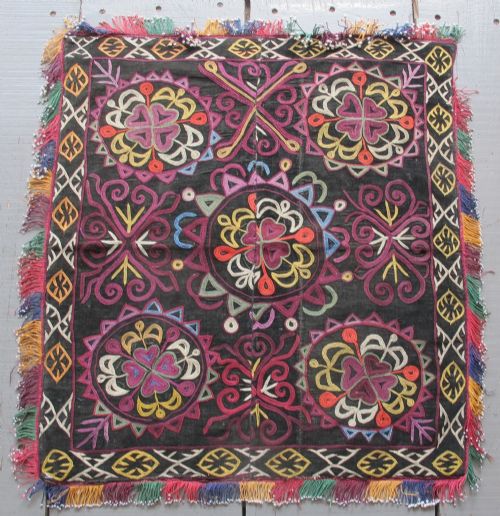
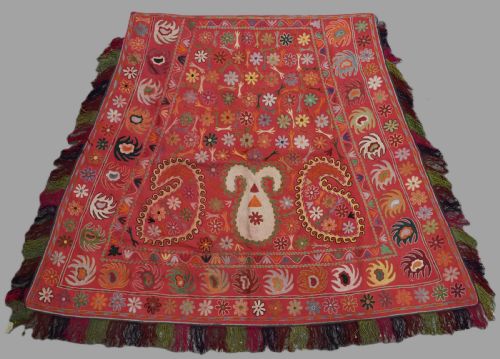
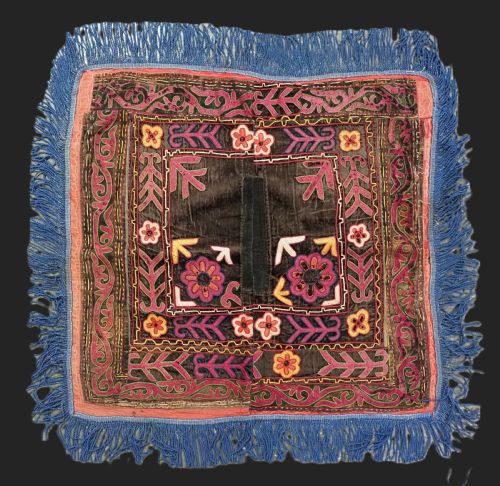
A lakai suzani textile represents the traditional needlework of the Lakai tribe in Uzbekistan, produced across the late nineteenth and early twentieth centuries. These pieces encompass specific forms such as ilgich wall hangings, ceremonial horse and saddle covers, mirror covers, and bed decorations.
The buyer meets various formats on this page, dominated by dowry embroideries intended for wall hanging and functional horse covers from Central Asia. These items originate from periods spanning from eighteen eighty to nineteen twenty.
Materials and construction
The construction relies primarily on silk thread stitched onto supportive foundations of cotton, wool, or velvet grounds. Artisans utilised colourful threads to build dense embroidered surfaces.
Certain panels incorporate additional decorative elements such as glass beads and wool fringe to enrich the textile surface. These material combinations define the visual character of Central Asian tribal work.
Object forms recorded in the inventory include wall hangings, ceremonial horse covers, mirror covers, and bed decorations from Uzbekistan.
Gradations in quality
Quality differences stem from the density and precision of the silk embroidery covering the ground fabric. Finer examples display intricate needlework executed across complex tribal motifs and geometric patterns.
The integrity of the supporting textile, whether cotton, wool or velvet, contributes to the overall standard of preservation. Pieces retaining original wool fringe and glass beads demonstrate higher degrees of completeness.
The Lakai Suzani Textile Glossary
- Ilgich
- A Central Asian embroidered wall hanging traditionally made as part of a bride's dowry. These pieces display tribal motifs typical of Uzbek makers.
- Suzani
- An embroidered textile panel originating from Central Asia, usually worked in silk thread on a cotton or wool ground. The term covers various scales of domestic decoration.
- Nim Suzani
- A half-size suzani textile, smaller than the standard wall hanging format. These compact pieces served specific decorative functions within the traditional interior.
- Torba
- A hanging bag or storage trapping used within nomadic households. They feature tribal embroidery matching the style of larger wall panels.
- Saye Gosha
- A specific type of bed decoration produced by tribal embroiderers in Uzbekistan. These items formed part of traditional domestic furnishings.
Lakai Suzani Textile: Frequently Asked Questions
What is a lakai suzani textile used for?
These textiles served multiple purposes within Central Asian households, functioning primarily as dowry wall hangings, decorative covers, and domestic furnishings. Communities also utilised specific panels as ceremonial horse covers and saddle rugs during tribal gatherings.
Smaller formats included mirror covers and bed decorations designed to enrich the living space. Each piece fulfilled a distinct role in traditional nomadic and settled Uzbek life.
How do I date a lakai suzani textile?
Dating relies on examining the materials, colour palettes, and structural characteristics visible in the embroidery. Pieces on this page originate from periods between eighteen eighty and nineteen twenty.
Stylistic markers specific to Central Asian tribal art help distinguish late nineteenth-century examples from early twentieth-century works. Natural wear and traditional dyeing methods further indicate the age of the textile.
Where do lakai suzani textiles come from?
These embroideries originate from Uzbekistan in Central Asia, specifically associated with the Lakai tribe. Production centres included locations such as Shakrisabz within the region.
Maker communities developed distinct folk art styles that separate their work from other regional embroideries. The geography of Central Asia heavily influenced the nomadic designs and material choices.
How should I care for a textile wall hanging?
Display the textile away from direct sunlight to protect the silk threads and wool grounds from fading. Gentle mounting techniques prevent undue stress on the historic fabric.
Avoid using moisture or chemical cleaners on antique embroidery threads. Regular, careful inspection ensures the preservation of fragile elements like glass beads and fringe.