


Lady Bust Sculpture
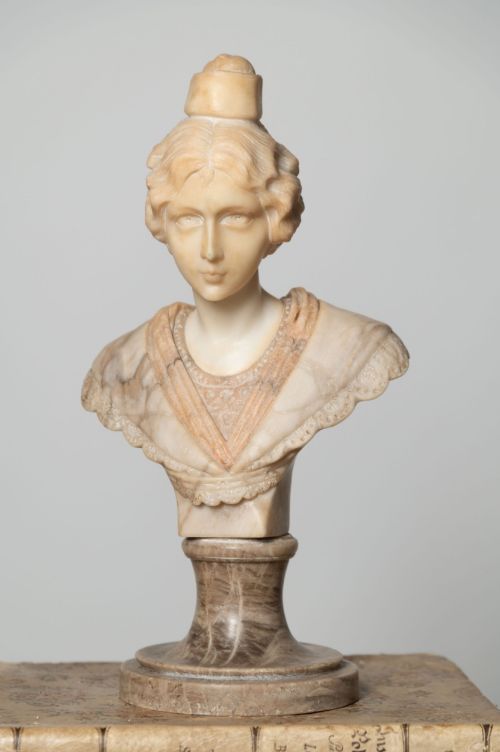
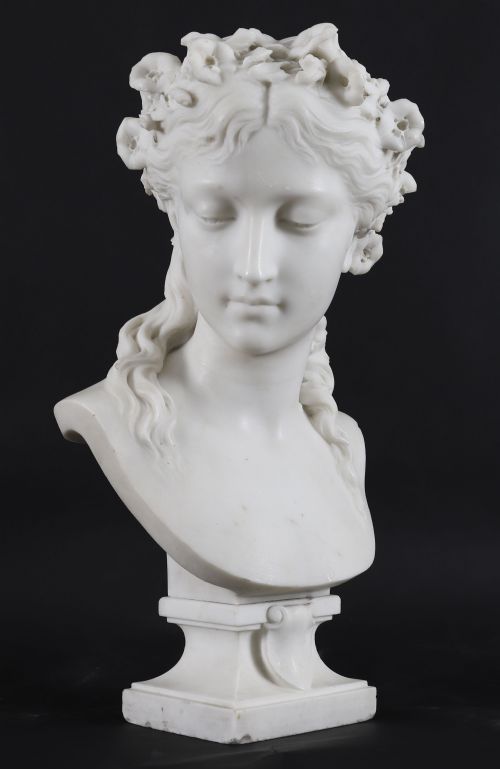
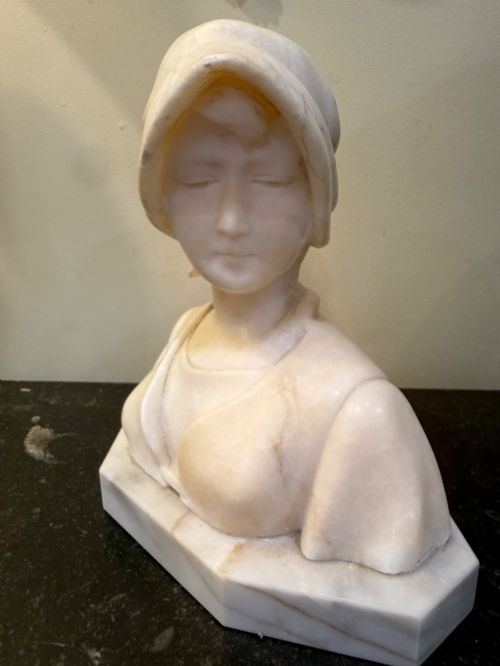
These lady bust sculpture pieces capture female forms across centuries in marble, bronze, and plaster.
Lady Bust Sculpture
A lady bust sculpture depicts the head, neck, and shoulders of a female subject, shaped in materials spanning the eighteenth, nineteenth, and twentieth centuries. These works emerge in styles ranging from Neoclassical and French Classical to Art Nouveau and Art Deco.
The versions most frequently met on this page include nineteenth-century French and English examples carved in marble or cast in bronze and spelter. Alabaster, wood, terracotta, and plaster variations also appear from periods such as the Edwardian era and the nineteen-thirties.
Materials and construction methods
Metal pieces utilise the lost-wax or sand-casting process to shape bronze and spelter into figurative models, often finished with a patinated surface. Plaster and terracotta items employ moulding techniques to capture softer contours in clay and plaster compositions.
Listings feature nineteenth-century French and English sculptures rendered in materials including Carrara marble, alabaster, bronze, spelter, terracotta, and wood.
Judging the quality of a bust
The refinement of the carving separates superior stone and wood sculptures from simpler productions, visible in the natural drape of fabric and the subtle modelling of expression. Signature incisions and foundry marks also indicate workshop standing.
Metal casts differ in the crispness of surface chasing and the depth of patination applied to the bronze or spelter. Heavier bases and finer facial detailing distinguish the upper tier of sculptural works from standard decorative figures.
Eugene Aizelin·Georges Morin·Emmanuel Villanis·J C De Blezer
The Lady Bust Sculpture Glossary
- Carrara marble
- A type of white or blue-grey marble quarried in the city of Carrara in Tuscany, Italy, widely utilised for classical sculpture.
- Spelter
- A zinc alloy cast and patinated to imitate bronze, frequently utilised for decorative figures during the nineteenth century.
- Patinated bronze
- Metal sculpture treated with chemical solutions to produce a coloured surface layer, enhancing depth and detail.
- Alabaster
- A fine-grained, translucent stone softer than marble, often employed for small-scale carving and portrait busts.
- Terracotta
- Baked red clay utilised for modelling sculptural forms before being fired into a durable ceramic body.
Lady Bust Sculpture: Frequently Asked Questions
Where should I place a heavy marble bust?
Heavy stone and marble busts require sturdy furniture such as low sideboards, strong console tables, or dedicated pedestals capable of supporting substantial weight safely.
Positioning the sculpture away from direct heat sources and high-traffic pathways protects the carved surfaces from accidental impacts.
How do I clean a bronze or spelter bust?
Dust metal sculptures gently using a soft, dry lint-free cloth to prevent the accumulation of grit within the recessed chased details.
Avoid applying water, household detergents, or abrasive polishes, as moisture and chemicals can damage patinated metal surfaces.
What distinguishes spelter from bronze?
Spelter is a softer zinc-based alloy that tends to feel lighter and shows wear more readily than copper-alloy bronze castings.
Bronze exhibits greater tensile strength and allows for sharper surface chisel work, retaining patinated finishes over longer periods.
How can I tell if a plaster bust is old?
Older plaster sculptures display natural surface wear, minor chips to edges, and tonal darkening acquired through decades of ambient exposure.
Inspect the base and underside for signs of age, handling marks, and the absence of modern synthetic resins.