
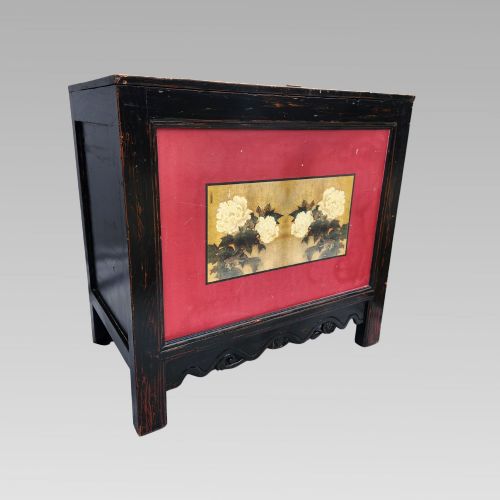


Lacquered Wooden Cabinet
Lacquered wooden cabinet pieces offer striking Asian and European decorative finishes, bringing rich colour and historic craftsmanship to any room.
Lacquered Wooden Cabinet
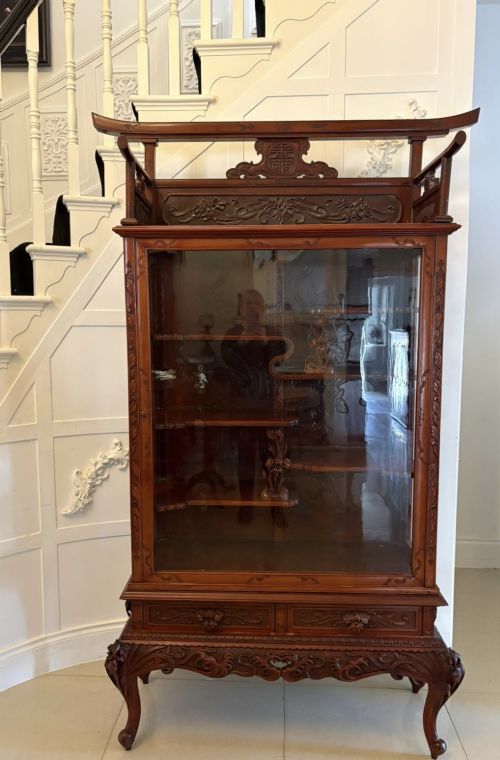
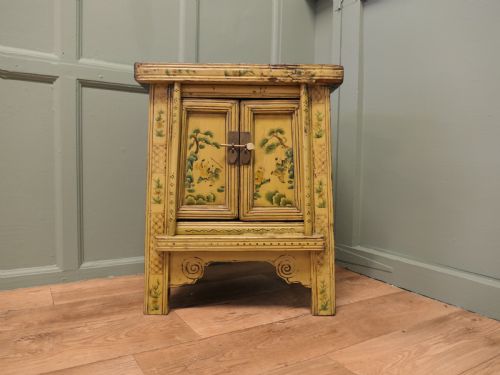
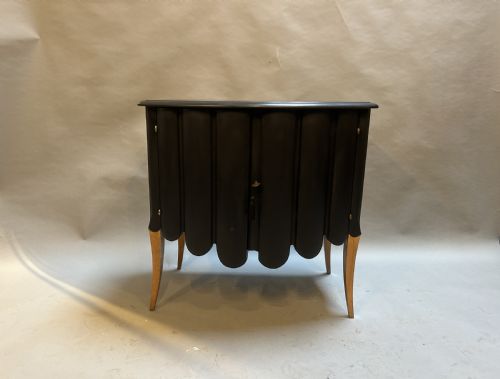
When you search for a lacquered wooden cabinet, you enter a diverse world of storage forms ranging from Chinese marriage cupboards and Japanese tansu chests to Regency chiffoniers and French Art Deco side cabinets. These pieces combine utilitarian storage with elaborate surface decoration, utilising wood structures coated in protective and decorative finishes.
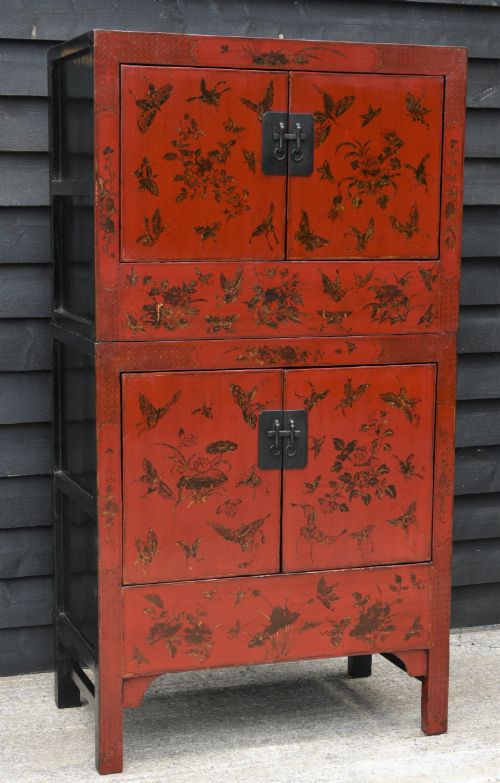
You are most likely to meet nineteenth-century examples on this page, particularly Chinese red or black lacquered side cabinets and Japanese storage chests. Alongside these, nineteenth-century Chinoiserie decorated pieces and Regency Japanned items appear frequently, spanning distinct global traditions and revival styles.
The category encompasses everything from tall display cabinets and monumental cupboards to low table cabinets and chests of drawers. Each variant serves a distinct storage purpose while displaying the characteristic lustre and pigment of its respective period and origin.
How they were made
The construction of these pieces relies on sturdy timber foundations, including elm and kiri wood, which provide stable carcases for subsequent surface treatment. Artisans applied layers of lacquer derived from tree sap, building up durable protective coats that could be polished to a smooth sheen or carved in relief.
Surface ornamentation often incorporated gold leaf, painted details, and intricate inlays to create pictorial scenes or geometric patterns. Iron and brass hardware, such as hinges, plates, and lock boxes, were fitted to secure doors and drawers while adding structural contrast to the lacquered surfaces.
Some Chinese marriage cabinets feature secret compartments designed to hide family documents and wedding gifts from prying eyes.
What varies in quality
Quality in these pieces is dictated by the depth and refinement of the lacquer work and the preservation of the original surface. Finer examples display meticulous hand-applied gold leaf, delicate carving, and well-preserved painted details that retain their original brilliance without excessive later restoration.
Structural integrity and the quality of the underlying timber also set pieces apart, distinguishing robustly joined carcases from those compromised by heavy wear. The sophistication of the hardware, from forged iron tansu mounts to polished brass Regency fittings, further marks the distinction between standard utility items and masterworks.
The Lacquered Wooden Cabinet Glossary
- Chinoiserie
- European decorative style reflecting Chinese artistic influences, popular in furniture decoration and lacquer work. It employs motifs such as pagodas, figures, and landscapes rendered in gold and vibrant pigments on dark grounds.
- Tansu
- Traditional Japanese mobile storage chest, typically constructed from wood with prominent iron hardware. These pieces were designed for domestic utility and organisation.
- Japanned
- European imitation of East Asian lacquer work, developed during the seventeenth and eighteenth centuries. The technique involves applying varnishes and gold dust to simulate oriental lacquer.
- Kiri wood
- Lightweight timber traditionally used in Japanese cabinetry, particularly for tansu chests. Its natural properties help regulate humidity and protect contents.
- Chiffonier
- A small sideboard or tall cabinet with drawers and shelves, popular during the Regency period. These pieces frequently received decorative lacquer or Chinoiserie finishes.
Lacquered Wooden Cabinet: Frequently Asked Questions
How do I clean a lacquered cabinet?
Dust the surface gently with a soft, dry cloth to prevent scratching the delicate finish. Avoid using modern chemical cleaners, abrasive pads, or excessive water.
For stubborn marks, consult a professional restorer rather than attempting harsh solvent treatments yourself. Maintaining a stable indoor humidity protects both the wood carcase and the lacquer layer from cracking.
Are these cabinets purely decorative?
While their striking visual finishes make them focal points in a room, they were built primarily for practical storage. Interiors offer shelves, drawers, or open compartments designed to house household goods.
Selecting a piece depends on balancing your storage requirements with the scale and visual impact of the cabinet. Many buyers use them in living areas or hallways to store tableware, linens, or everyday items.
What is the difference between lacquer and Japanning?
True Asian lacquer utilises sap harvested from specific trees native to East Asia, built up in multiple cured layers. This creates a hard, durable finish deeply bonded to the wooden substrate.
Japanning is a European technique developed to imitate this eastern aesthetic using resin-based varnishes and paints. European pieces often exhibit different craquelure patterns and binder compositions compared to traditional Asian lacquer work.