


Cream Chinoiserie Cabinet
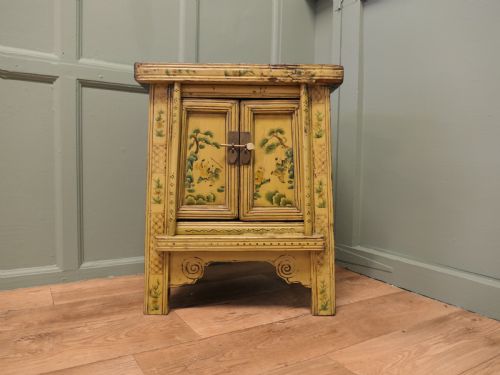
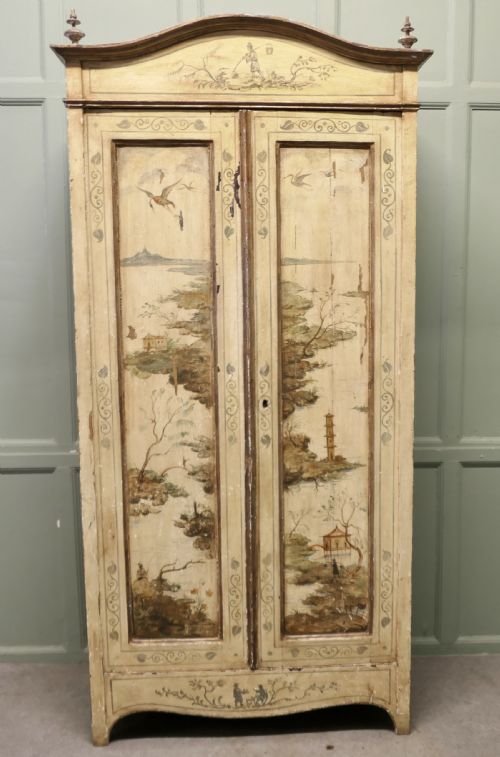
These cream chinoiserie cabinets bring pale painted surfaces and eastern motifs together, offering storage wrapped in historical narrative.
Cream Chinoiserie Cabinet
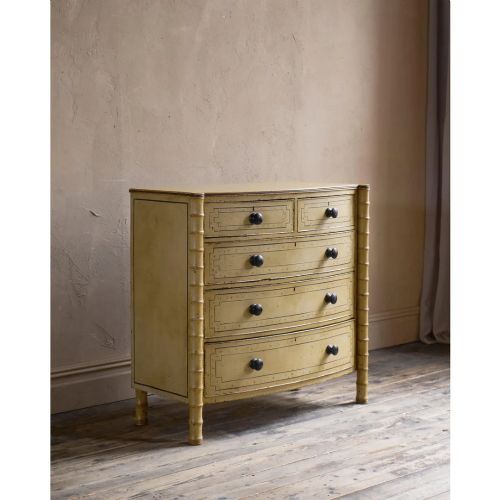
A cream chinoiserie cabinet forms part of a broad tradition spanning Georgian craftsmanship through to later revivals in the nineteenth and twentieth centuries. When you search for this phrase, you encounter pieces that range from eighteenth-century bureaux and corner cupboards to nineteen-twenties japanned chests of drawers. Cabinets, cupboards, and chests on chests dominate the forms, each carrying painted outdoor scenes and orientalist motifs.
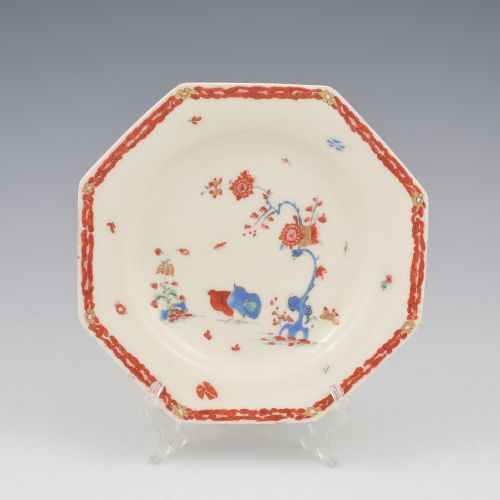
The aesthetic bridges formal European cabinet-making with imaginative interpretations of Asian design, executed in pale colour palettes. You are most likely to meet nineteenth-century examples and nineteen-twenties interpretations on this page, alongside related decorative plates and watercolours. The underlying structures utilise pine and various timbers beneath layers of paint and lacquer.
Materials and construction methods
Makers built these pieces using wood and pine as carcase materials, preparing the surfaces to receive ground colours and decorative schemes. Paint and lacquer form the primary medium for the exterior finishes, creating the characteristic pale cream ground upon which figures, landscapes, and floral details sit.
Brass hardware such as handles and escutcheons frequently completes the composition, providing functional contrast to the painted wood. Artisans applied decorative scenes depicting outdoor figures and architecture, sometimes drawing on techniques associated with japanning to simulate oriental lacquerwork.
Listings span the eighteenth, nineteenth, and twentieth centuries, featuring painted wood, pine, brass, and lacquer.
Assessing quality in painted lacquer
The refinement of the painted decoration separates standard decorative items from superior examples. Hand-rendered outdoor scenes with detailed figures and intricate line work demonstrate a higher grade of artistry than repetitive stencilling or flat application.
The preservation of the original cream ground and lacquer surface dictates much of the appeal. Pieces that retain their historic paint layers without heavy modern repainting hold greater integrity within the material history of the object.
Maison Krieger·Bow Porcelain
The Cream Chinoiserie Cabinet Glossary
- Chinoiserie
- European artistic interpretation of Chinese and East Asian artistic traditions, popular in furniture and decorative arts during the Georgian period and later revivals. It manifests in painted scenes of figures, pagodas, and natural motifs.
- Japanning
- European imitation of East Asian lacquerwork, involving layered varnishes and metallic dust applied to a wood base. This technique created glossy, durable surfaces decorated with raised motifs.
- Bureau
- A sloping desk hinged to open as a writing surface, typically placed over a chest of drawers. Eighteenth-century versions often carried painted chinoiserie schemes.
- Tallboy
- A tall chest of drawers made in two sections, specifically a chest on chest. These pieces provide substantial vertical storage while displaying decorative surface painting.
Cream Chinoiserie Cabinet: Frequently Asked Questions
How do I date a painted cabinet?
Dating relies on examining the underlying construction timber, such as pine or mixed woods, alongside the formulation of the paint and lacquer. Structural joints and hardware fixings also offer clear indicators of period manufacture.
Later revivals from the nineteen-twenties often copy Georgian or eighteenth-century forms closely. Comparing the ageing of the paint surface to the timber carcass helps distinguish original period pieces from later interpretations.
What is japanning?
Japanning is a European method of finishing furniture to emulate Asian lacquerwork. Craftsmen applied multiple coats of varnish and paint to wood bases, often curing them under heat.
This technique produced hard, glossy surfaces that could be decorated with gilt or painted figures. It formed the basis for many pale cream cabinet finishes.
Where should I place a cabinet?
These cabinets function well in living spaces, halls, or bedrooms where their painted surfaces can serve as a focal point. They require stable environmental conditions away from direct sunlight and excessive humidity to protect the lacquer.
Allowing sufficient clearance around doors and drawers ensures safe daily use. Positioning them against interior walls prevents temperature fluctuations from affecting the wood and paint.
How do I clean lacquered furniture?
Cleaning requires a soft, dry cloth to remove dust without abrading the painted surface. Moisture should be avoided, as water can penetrate hairline cracks in old lacquer and lift the paint.
Harsh chemical polishes must be avoided entirely. Professional conservation advice is recommended if the surface shows signs of flaking or instability.