
Asian Lacquer Furniture
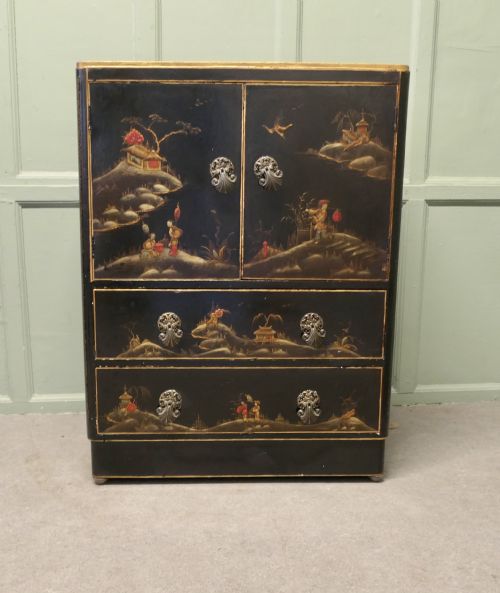
Asian lacquer furniture brings deep red and black finishes, brass mounts and intricate Chinoiserie decoration into a room.
Asian Lacquer Furniture
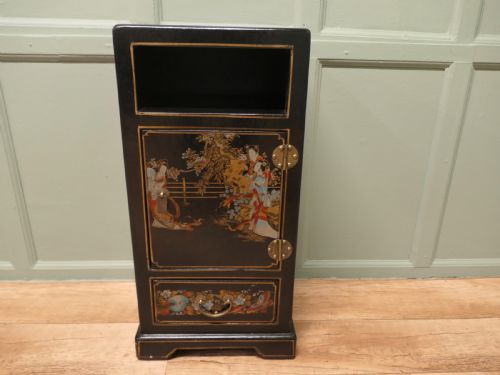
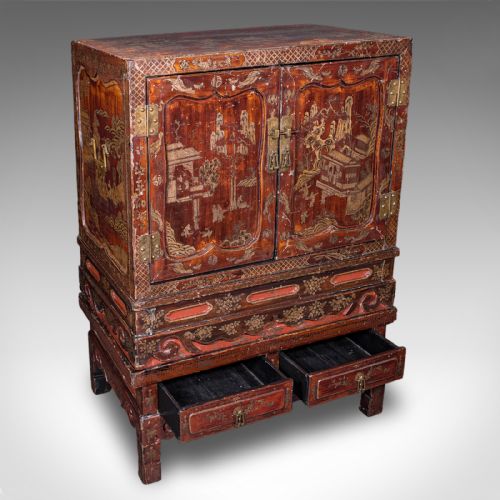
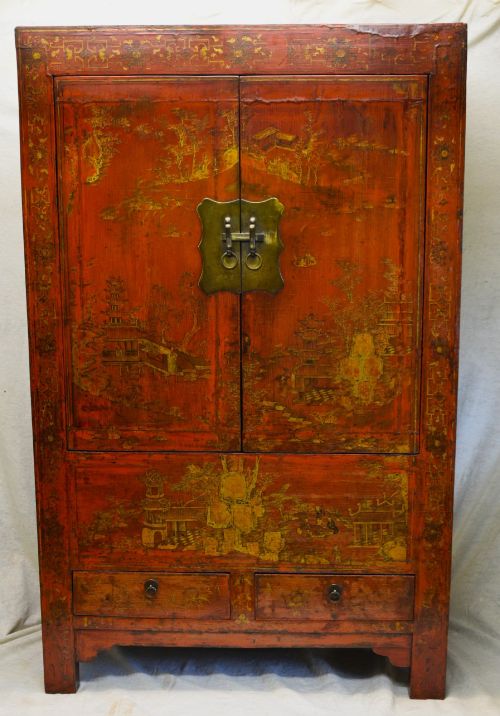
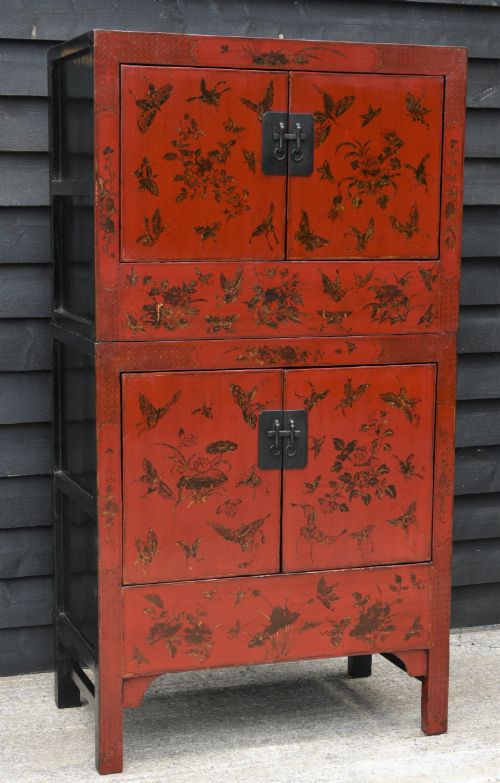
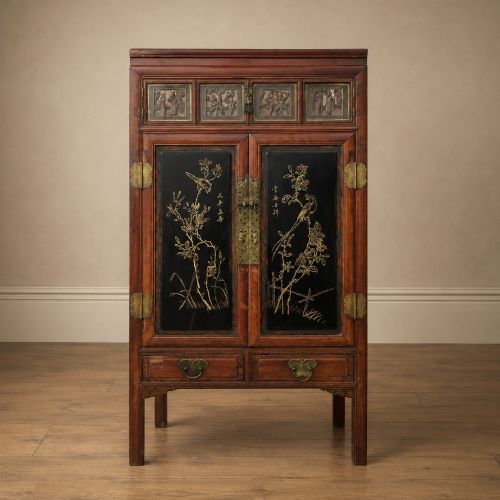
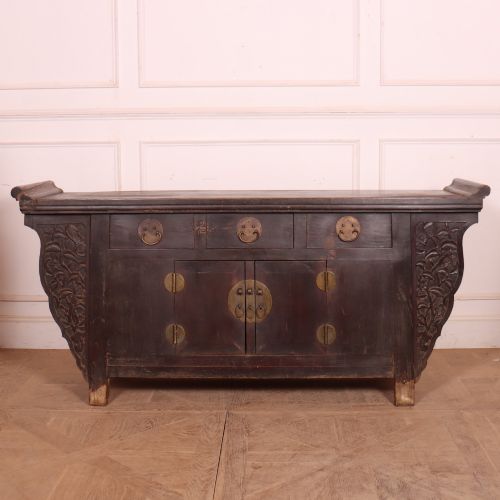
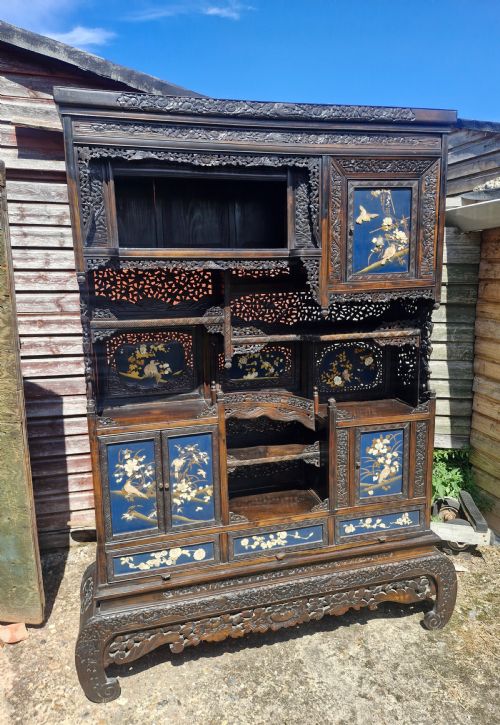
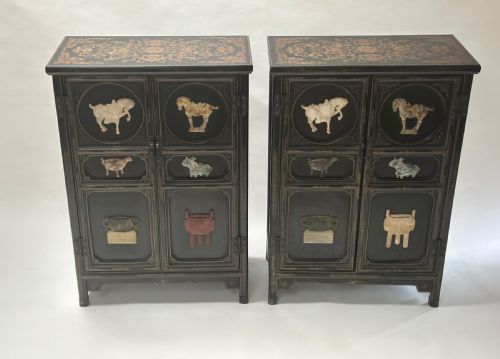
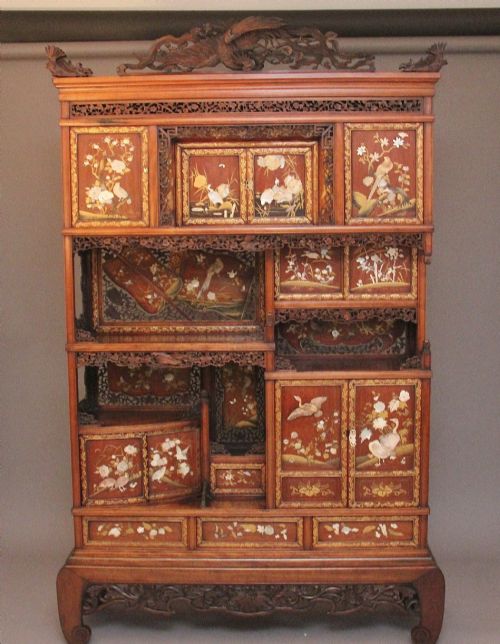
Asian lacquer furniture encompasses a broad range of storage and seating pieces originating from China, Japan and Korea. The selection here leans heavily towards nineteenth-century Chinese wedding cabinets, side cabinets and Japanese shodana display units.
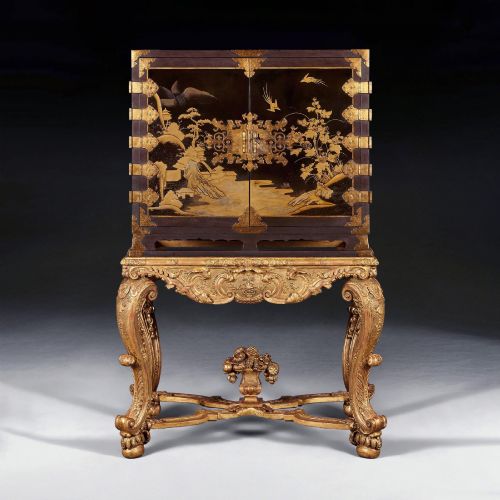
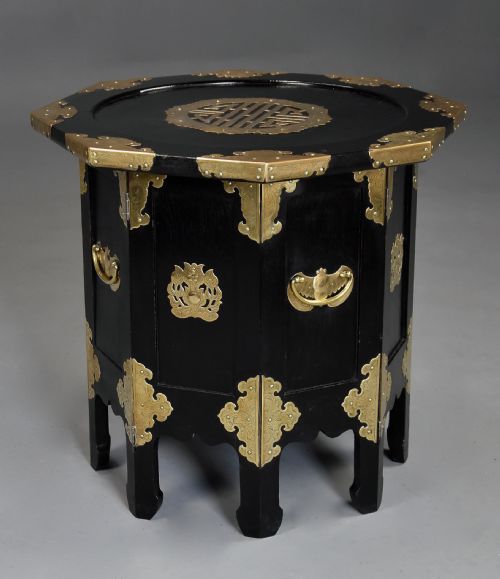
Buyers will encounter substantial compound cupboards, consoles and smaller occasional tables finished in red or black lacquer. These items bridge traditional Eastern craftsmanship with Western interior tastes, particularly through Chinoiserie styles and European stands.
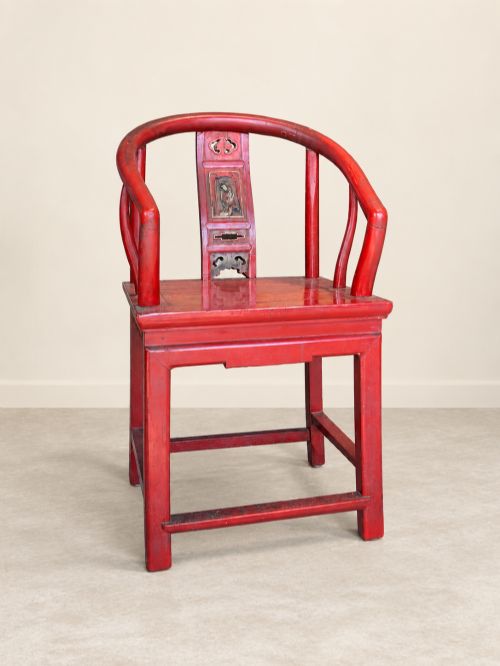
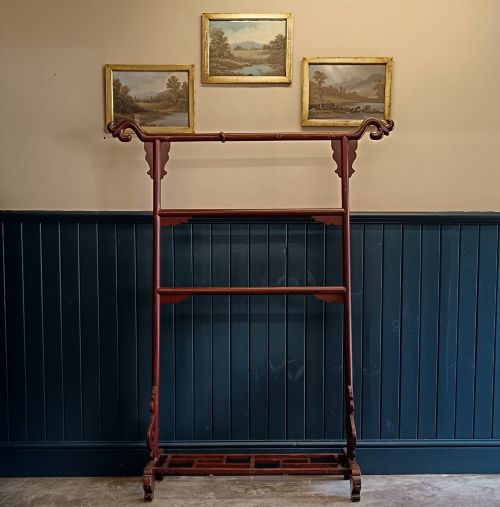
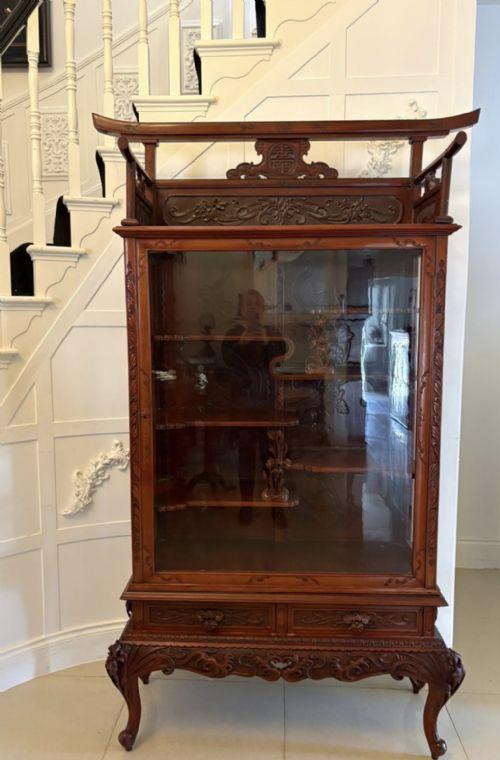
The assortment spans diverse utilitarian and decorative forms, from apothecary chests and tansu chests to benches and chairs. Each piece reflects specific regional workshops and period aesthetics, ranging from provincial elm to ornate Qing Dynasty designs.
Materials and construction
Construction relies upon native timbers such as elm and general hardwood as a foundational core for the lacquer layers. Artisans applied successive coats of tree sap sap resin, building a durable surface that accepts pigments like cinnabar and black carbon.
Metal elements including brass hinges, plates and handles provide structural reinforcement and visual contrast against the dark or red lacquer. Certain Japanese and Chinese items incorporate bone inlay, delicate carvings and secondary woods to enhance the overall architecture.
Current listings feature elm, hardwood, brass and bone across nineteenth-century and early twentieth-century periods.
Assessing quality
Quality rests primarily in the preservation of the original lacquer finish and the crispness of any carved or painted surface details. Pieces retaining their early pigment layers and uncompromised brass fittings command greater appreciation among collectors.
The structural integrity of the underlying hardwood core and the complexity of the joinery distinguish standard utilitarian items from finer salon pieces. Workshop execution in the detailing of pictorial motifs or integrated stands dictates the visual success of the object.
The Asian Lacquer Furniture Glossary
- Chinoiserie
- European artistic imitation and interpretation of Chinese and East Asian artistic traditions. This style heavily influences many decorative cabinets and stands found in Western collections.
- Shodona
- A traditional Japanese tabletop or freestanding display cabinet featuring staggered shelving and small cupboards. These Meiji period pieces showcase complex joinery and decorative panels.
- Tansu
- Traditional Japanese mobile storage chests built from wood with iron hardware. They were originally designed for domestic utility and mercantile use.
- Cinnabar
- A bright scarlet mineral form of mercuric sulphide used as a pigment in red lacquer work. It creates deep carved relief patterns on specific Chinese furniture surfaces.
Asian Lacquer Furniture: Frequently Asked Questions
What is a shodona cabinet?
A shodona is a Japanese display cabinet featuring asymmetrical shelving and small storage compartments. Originating during the Meiji period, these pieces served to display fine objects.
They rely on intricate woodwork and traditional joinery rather than large flat surfaces. Their tiered design makes them distinct from standard Western cupboards.
How do I care for lacquer surfaces?
Lacquer requires stable environmental conditions away from direct sunlight and extreme humidity fluctuations. Dust the surface gently with a soft, dry cloth without chemical polishes.
Maintaining moderate indoor temperatures prevents the wooden substrate from expanding and cracking the delicate resin layers above.
Are these cabinets purely decorative?
While highly decorative, these items were built for practical domestic storage and display. Wedding cabinets stored textiles and valuables, while apothecary chests held medicinal herbs.
Modern interiors utilise them for contemporary storage while retaining their visual impact as focal points in a room.
What distinguishes tansu chests?
Tansu chests are traditional Japanese mobile storage units fitted with prominent iron handles and straps. They were constructed for practical transport and everyday household organisation.
Their robust ironwork and functional drawer layouts separate them from more formal display furniture.