


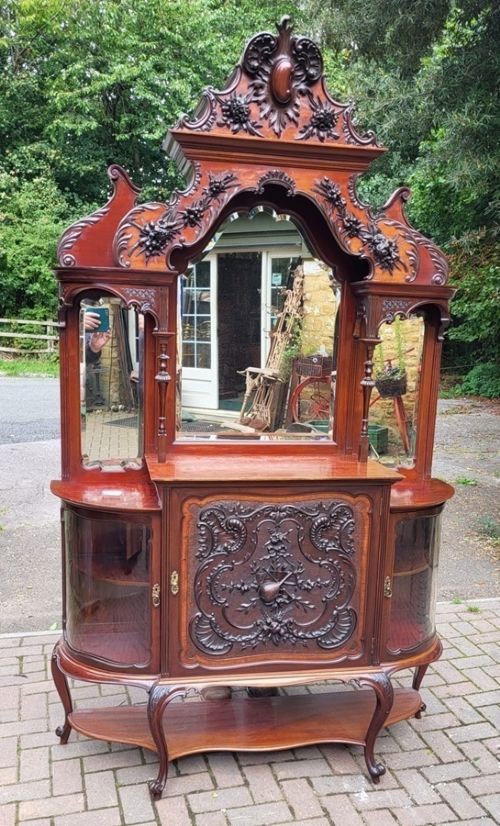
Antique Red Sideboard
When you search for an antique red sideboard, you enter a world of striking painted lacquerwork and rich domestic storage spanning several centuries.
Antique Red Sideboard
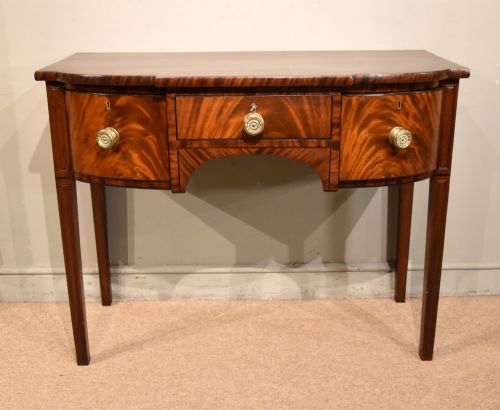
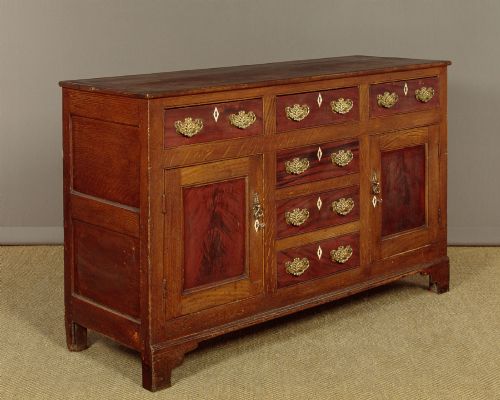
The search phrase antique red sideboard directs attention towards two distinct traditions of large storage furniture, uniting British mahogany serving pieces with vibrant Asian lacquer cabinets and cupboards.
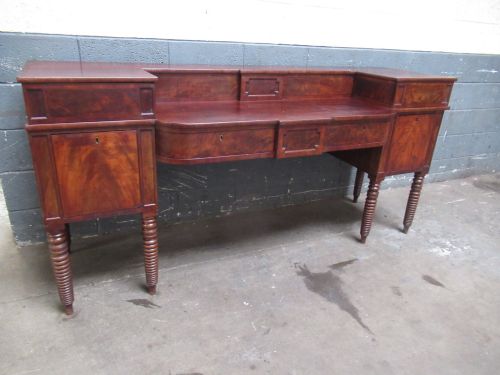
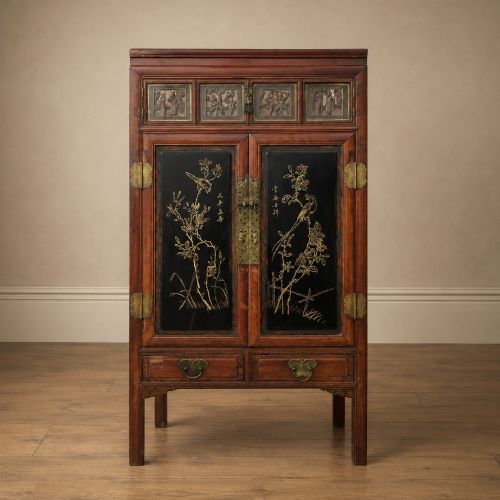
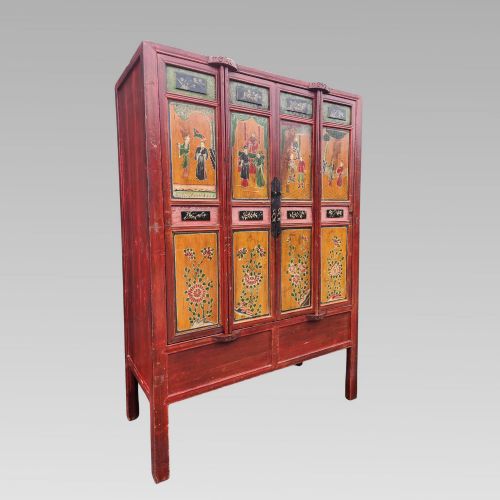
Buyers encountering these items on this page will find pieces originating from diverse workshops, ranging from early nineteenth century British dining room furniture to late nineteenth century Chinese Qing Dynasty export cabinets.
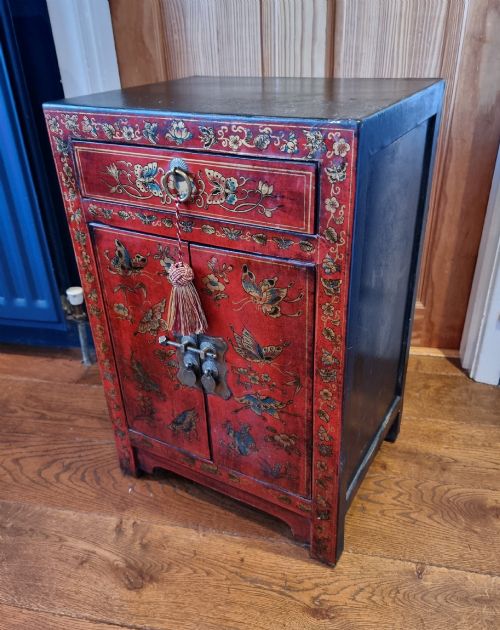
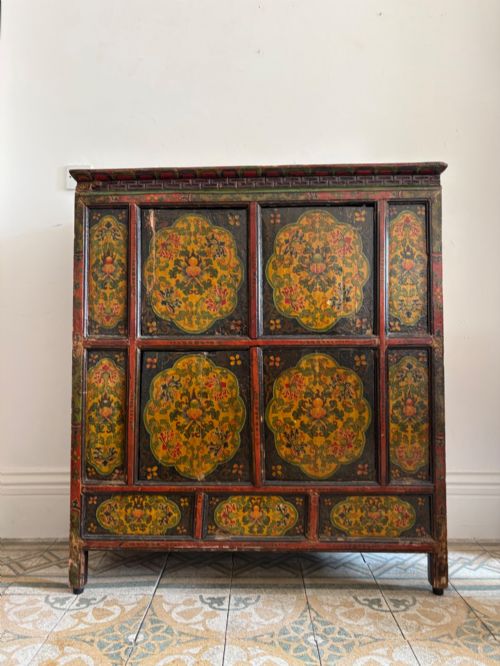
Forms vary significantly between the heavy pedestals of Georgian and Victorian dining rooms and the bright floral decorations found on marriage cabinets and altar tables from Fujian and Tibet.
Materials and construction methods
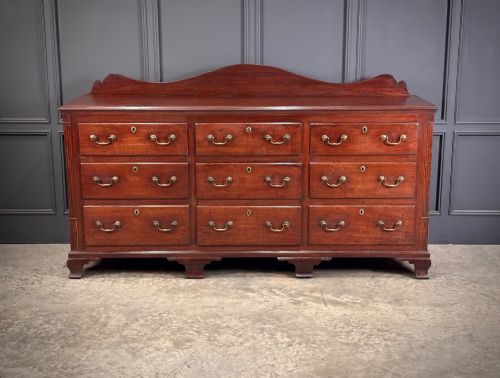
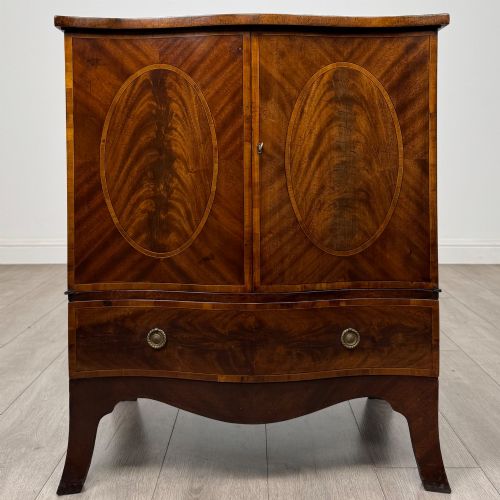
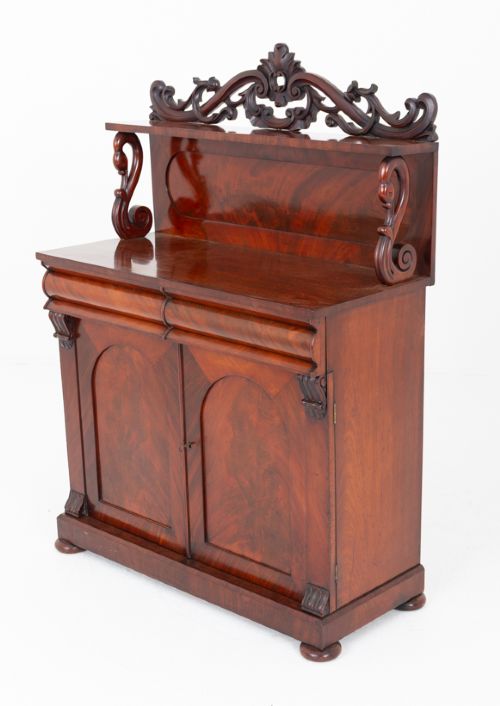
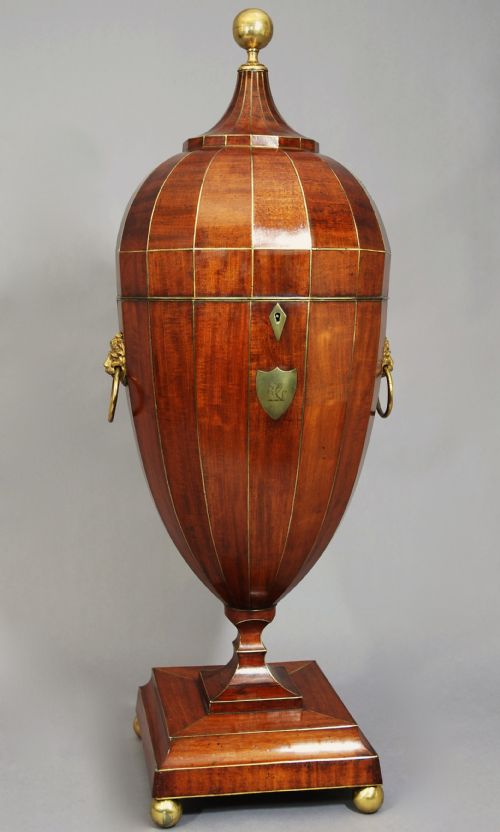
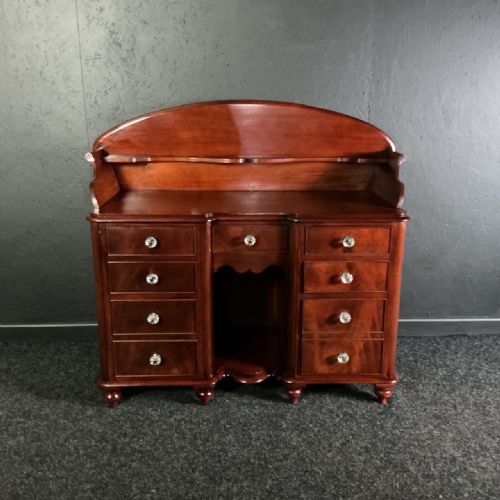
British makers relied heavily on solid timber and veneer, selecting figured mahogany, flame mahogany veneer, and occasional burr walnut or pollard oak for formal dining room sideboards and chiffoniers.
Asian cabinets and storage pieces utilise timber carcasses coated in layers of red and black lacquer, frequently featuring hand-painted floral ornamentation, gold gilding, and brass hardware.
Secondary structural elements incorporate pine and local hardwoods, built with traditional joinery appropriate to the regional workshop traditions of the eighteenth and nineteenth centuries.
Listings feature mahogany, pine, and flame mahogany veneer across eighteenth and nineteenth century periods.
Factors determining quality
Quality rests upon the depth and preservation of the finish, whether that is the figured grain of polished mahogany or the intact hand-painted details of a red lacquered surface.
Construction integrity separates standard domestic utility items from exceptional workshop output, showing in the thickness of veneers, the weight of brass mounts, and the stability of joinery.
Proportion and scale dictate desirability, particularly when makers managed to balance large storage capacity with refined serpentine or bow front contours.
Gillows
The Antique Red Sideboard Glossary
- Lacquer
- A durable resin finish applied in multiple coats to wood surfaces, often pigmented red or black in Asian export furniture. It creates a smooth, glossy protective barrier.
- Chinoiserie
- European decorative style reflecting Chinese artistic motifs, applied to cabinets and sideboards through painted scenes and gilt work. This aesthetic flourished during the eighteenth and nineteenth centuries.
- Serpentine
- A furniture front curving outward at the centre and inward at the sides in a continuous sweep. This shape requires advanced woodworking skill to execute properly.
- Flame mahogany
- Mahogany veneer cut from the fork of the tree where branches meet the trunk, producing a distinctive flickering flame pattern. Cabinet makers reserved this material for prominent drawer fronts and doors.
Antique Red Sideboard: Frequently Asked Questions
What is an antique red sideboard?
An antique red sideboard is a large storage piece that encompasses both British mahogany dining furniture and vibrant Asian lacquered cabinets.
These pieces span several centuries and bring distinct regional craftsmanship into modern interiors.
How do I care for lacquer surfaces?
Lacquer surfaces require gentle dusting with a soft dry cloth and protection from direct sunlight and excessive heat.
Avoiding moisture and harsh cleaning agents preserves the hand-painted floral decorations and underlying finish.
Where were these cabinets made?
Origin locations vary between British workshops producing mahogany dining room furniture and Asian centres like Fujian crafting export lacquerware.
Trade routes during the nineteenth century brought these diverse cultural styles into European homes.
How do I identify a Victorian sideboard?
Victorian sideboards typically feature solid mahogany or burr walnut construction, sometimes incorporating mirror backs or carved details.
They reflect the heavy, robust aesthetic favoured in nineteenth century dining rooms.