

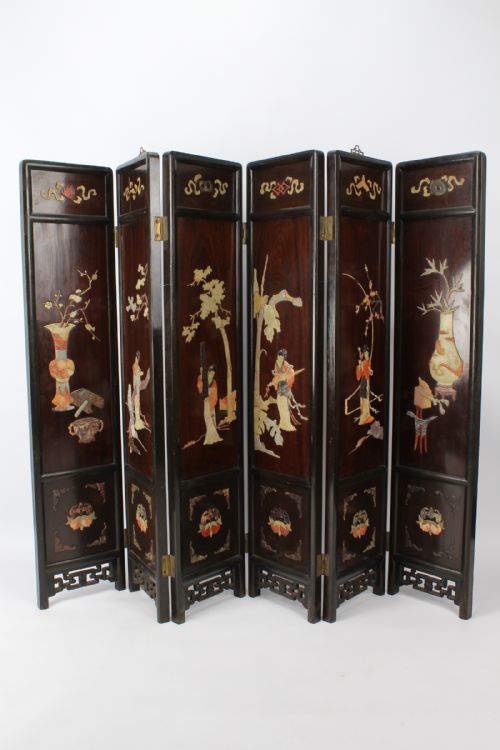


Lacquered Folding Screen
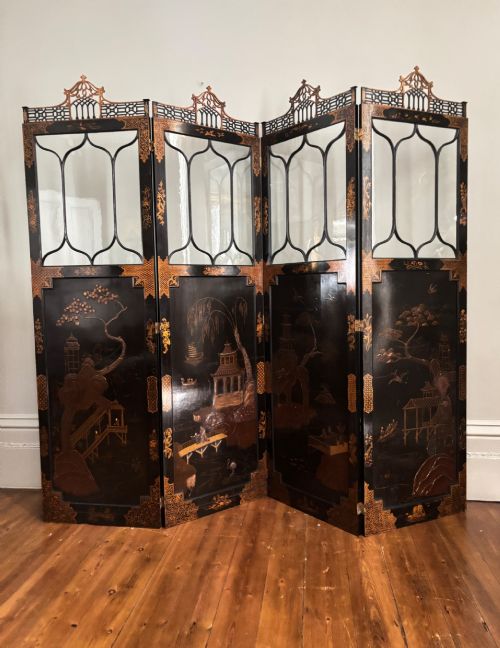
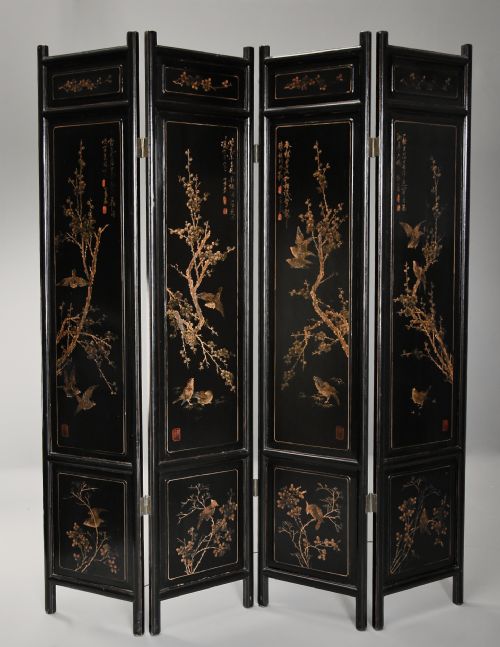
Lacquered folding screens divide a room with painted panels or carved coromandel, bringing rich Chinoiserie and Japanese Meiji designs into an interior.
Lacquered Folding Screen
When you search for a lacquered folding screen, you encounter multi-panel room dividers, dressing screens, and smaller fire screens spanning periods from the eighteenth century to the mid-twentieth century. The selection includes Chinese coromandel screens, Japanese Meiji examples, and Victorian Chinoiserie pieces made for Western interiors.
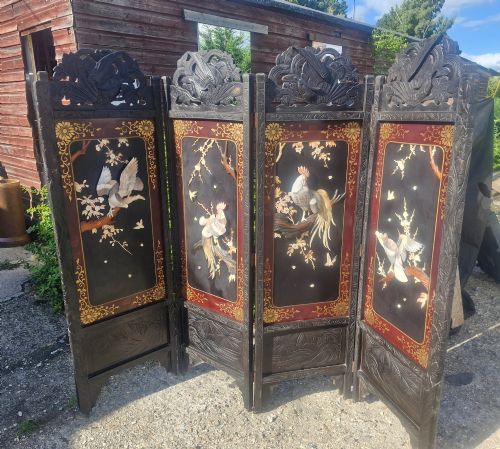
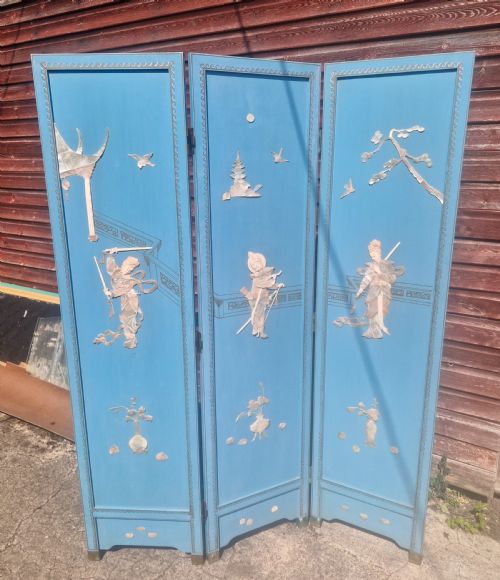
Black lacquer surfaces dominate the listings, often decorated with gold paint, carved bone figures, mother-of-pearl, or hardstone mounts. These objects range from massive eight-fold dividers to smaller freestanding panels designed for dressing rooms or hearths.
How they were made
Artisans built the structural framework from wood and hardwood, applying multiple layers of lacquer to create a smooth base for decoration. Panels incorporate brass hardware for hinges alongside applied details in bone, hardstone, and mother-of-pearl.
Techniques varied by region and period, combining deep carving into lacquered grounds with delicate hand painting in gold and polychrome pigments. Some examples integrate textile panels or papier-mâché substrates within the wooden framework.
Listed periods span from the eighteenth century through the Regency era and into the 1950s.
What varies in quality
The distinction between ordinary and exceptional pieces lies in the depth of the carving and the precision of the inlay work. Finer examples display meticulous hand-cut bone, stone, or mother-of-pearl secured deeply into the lacquer surface rather than relying solely on surface paint.
Proportion and panel count also influence the character of the piece, with larger multi-fold screens requiring substantial hardwood frames to support heavy lacquer leaves. The subtlety of the gilding and the crispness of the narrative scenes reveal the skill of the original workshop.
The Lacquered Folding Screen Glossary
- Coromandel
- A type of Chinese incised lacquer where designs are cut into a dark ground and filled with colours or left natural. The technique creates a distinctive relief effect across multiple folding panels.
- Meiji
- Pertaining to the period of Japanese history from 1868 to 1912, known for intricate decorative arts including inlaid and painted folding screens. Pieces from this era frequently showcase detailed flora and fauna.
- Hardstone
- Semi-precious stones such as jade, agate, or soapstone carved and mounted onto lacquer surfaces. This technique adds tactile dimension and varied colour to screen panels.
Lacquered Folding Screen: Frequently Asked Questions
How do I clean a lacquered screen?
Dust the surface regularly with a soft, dry microfibre cloth to prevent particulate buildup on the delicate lacquer and gilding.
Avoid using water, chemical polishes, or harsh detergents, as moisture damages aged lacquer and painted details.
Can I use a folding screen as a room divider?
Many multi-panel screens function effectively to divide larger spaces or create private areas within a room.
Ensure the hinges move freely and place the panels in a zig-zag configuration to maintain stability on the floor.
What is the difference between Chinese and Japanese screens?
Chinese examples often feature deep coromandel carving or dark black lacquer with gold Chinoiserie landscapes and figures.
Japanese pieces from periods like Meiji frequently incorporate delicate textile elements, painted motifs, and precise bone or ivory inlay.
How do I date an antique folding screen?
Examine the construction of the wooden frames, the type of brass hinges used, and the style of the lacquer decoration.
Period references in the listing, such as Regency or Qing Dynasty, provide a baseline for the era of manufacture.