


Lacquer Cabinet on Stand
A lacquer cabinet on stand brings surface depth and structured elevation to a room through centuries of decorative tradition.
Lacquer Cabinet on Stand
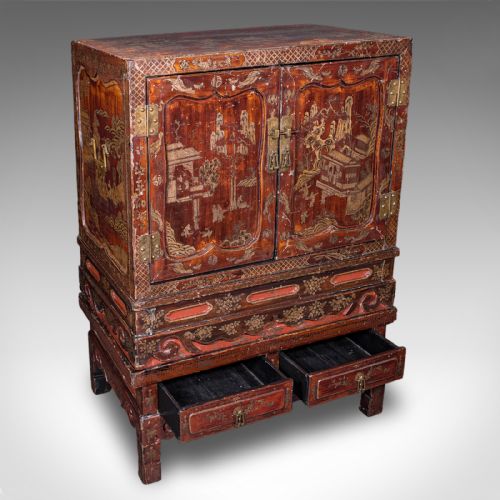
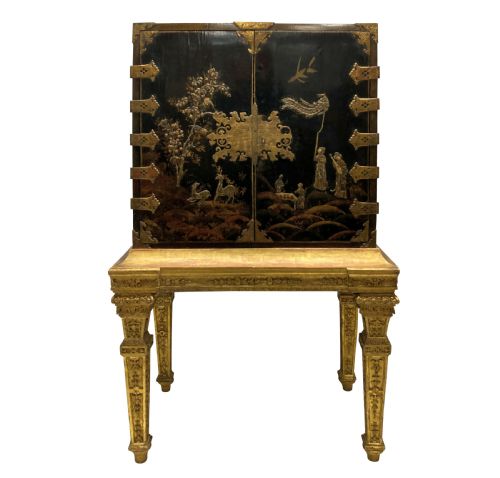
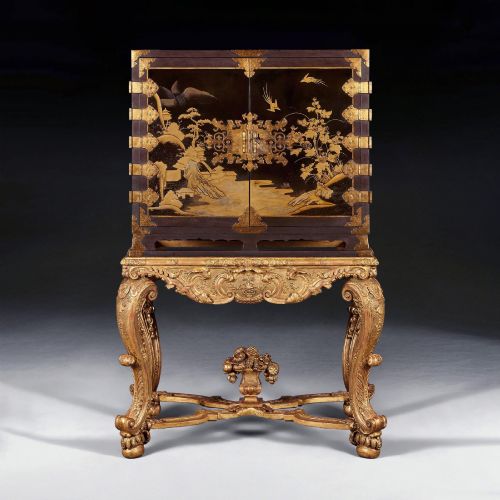
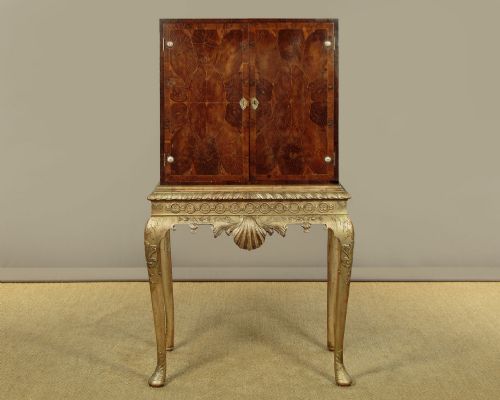
A lacquer cabinet on stand pairs an enclosed storage carcass with a raised supporting base, combining utility with prominent display. When you search for lacquer cabinet on stand, you encounter pieces spanning from the seventeenth century through the Art Deco era of the twentieth century.
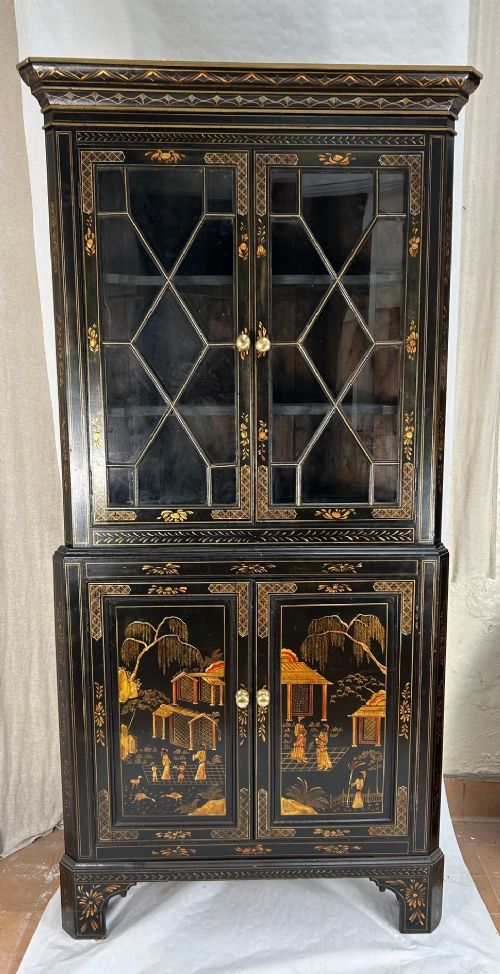
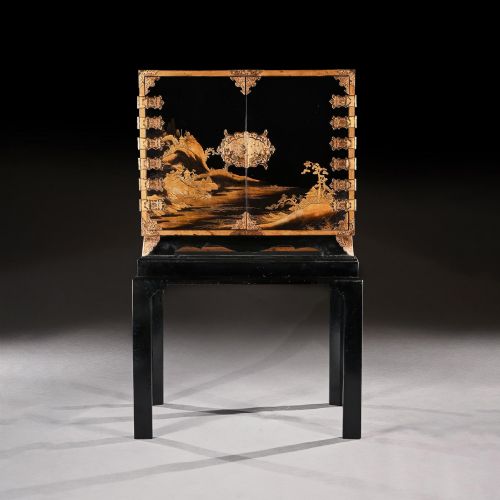
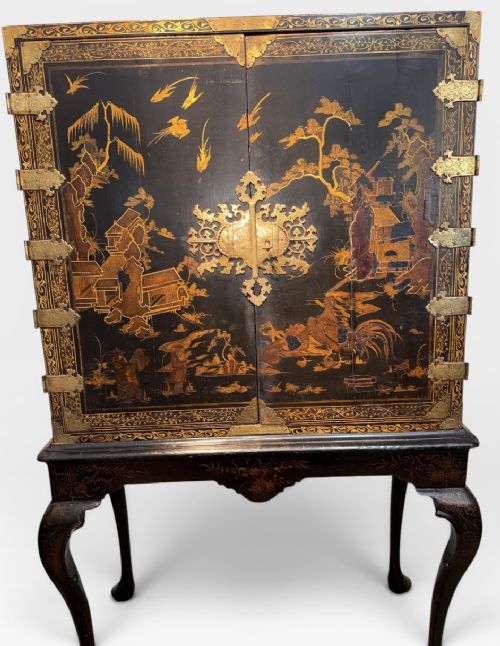
The selections range from early English japanned surfaces and Japanese Meiji period export pieces to later twentieth century cocktail cabinets. Chinoiserie decoration frequently appears across these forms, alongside Japanese lacquer and European interpretations.
Cabinets on stand generally divide into distinct functional types, including double-door storage units, collectors' cabinets, and specialised drinks cupboards. Each version demonstrates how makers adapted Asian export aesthetics and domestic revival styles to European interiors.
Materials and Construction
Construction relies upon timber foundations, frequently hardwood, pine, or kingwood, which provide stable substrates for intricate surface treatments. Layers of lacquer build the base, upon which gold leaf, gilt, and brass mounts are applied to create relief and contrast.
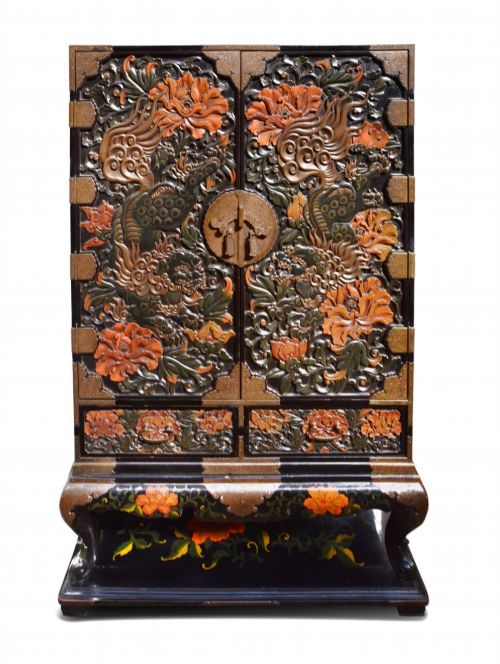
Decorative detailing incorporates hand-painted Chinoiserie motifs, mother-of-pearl inlay, and carved cinnabar lacquer. Stands utilise complementary materials such as giltwood, carved wood, or silver gilt to support the substantial weight of the upper cabinet.
Listings demonstrate forms ranging from seventeenth century japanned chests to twentieth century cocktail cabinets, utilising materials like brass, mother-of-pearl, and gold leaf.
Assessing Quality and Execution
Quality reveals itself in the depth and preservation of the lacquered surface, where multiple built-up layers yield a richer tactile and visual dimension. The crispness of the hand-painted or carved detail distinguishes masterwork Chinoiserie and Japanese export items from simpler commercial production.
The harmony between the cabinet and its stand dictates the integrity of the piece, as original or period-matched stands maintain stylistic continuity. Finer examples feature intricate internal drawer arrangements, robust brass hinges, and well-executed joinery that withstands centuries of use.
The Lacquer Cabinet on Stand Glossary
- Japannng
- European imitation of East Asian lacquerwork using resin varnishes and metallic powders. This technique became widely popular in seventeenth and eighteenth century England.
- Chinoiserie
- European artistic style reflecting Chinese and East Asian motifs. Artisans applied these imaginative landscapes and figures to furniture and decorative objects.
- Shodona
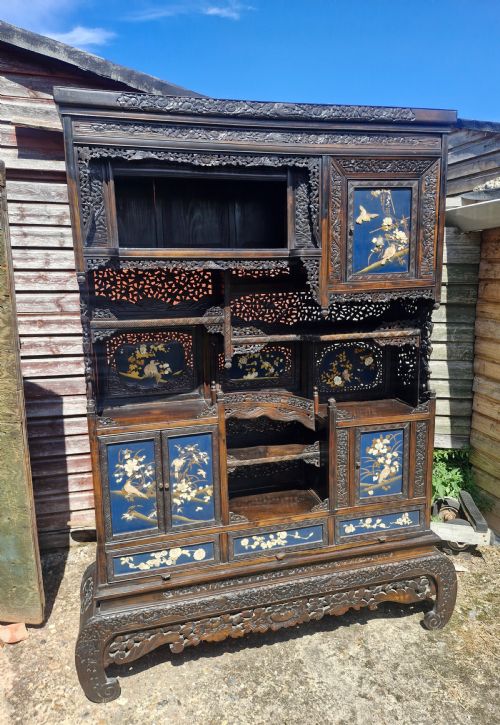
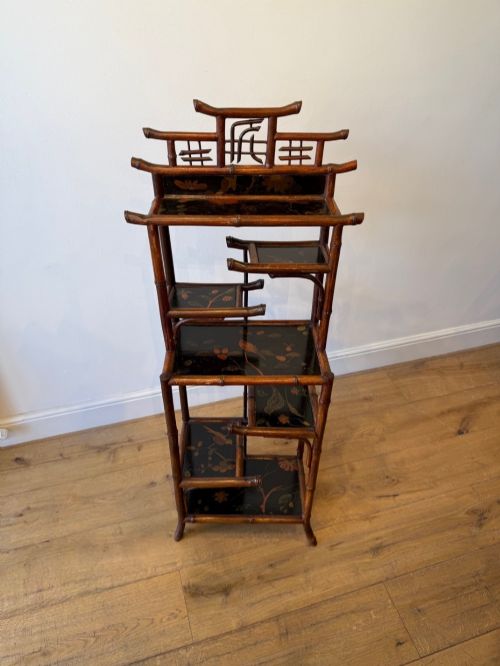
- Japanese tabletop display cabinet featuring staggered shelves and small cupboards. These pieces were produced in significant numbers during the Meiji period.
- Vernis Martin
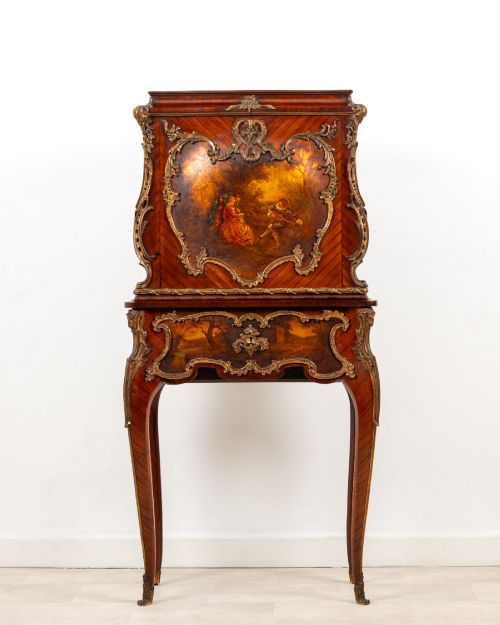
- Simulated oriental lacquer developed in France during the eighteenth century. The finish utilised specialised varnish layers to achieve translucent depth.
- Giltwood
- Wood that has been treated with gold leaf or gesso and gold paint. Stands for cabinets were frequently carved from this material.
Lacquer Cabinet on Stand: Frequently Asked Questions
How do I date an antique cabinet on stand?
Dating relies upon examining the construction methods of the internal carcass, the timber used in the secondary woods, and the stylistic vocabulary of the stand. Seventeenth and eighteenth century examples display hand-cut dovetails and authentic japanning techniques, whereas nineteenth and twentieth century pieces reflect later revival tastes.
The hardware, including hinges, locks, and handles, also provides vital chronological evidence. Comparing the decorative motifs against known periods such as the William and Mary era or the Meiji period helps narrow the timeframe of manufacture.
Where were these cabinets originally placed?
Historical interiors positioned these cabinets in public reception rooms such as drawing rooms, saloons, and formal parlours where guests could admire their decorative surfaces. Their elevated stature allowed them to command attention against panelled or tapestried walls.
In later periods, similar forms found homes in libraries, dining rooms, and specialised cocktail corners. Their dual role as storage and display ensured placement in the most frequented areas of the home.
Are the stands original to the cabinets?
Determining whether a stand is original requires careful inspection of the contact points, fixing methods, and wood ageing between the upper cabinet and the base. Many seventeenth and eighteenth century cabinets were paired with new stands during later centuries to match changing interior fashions.
A matched or contemporary period stand remains entirely acceptable provided the style and proportions complement the upper cabinet. Expert evaluation often focuses on how harmoniously the decorative language flows from the doors down to the legs.