



Kurdish Tribal Runner
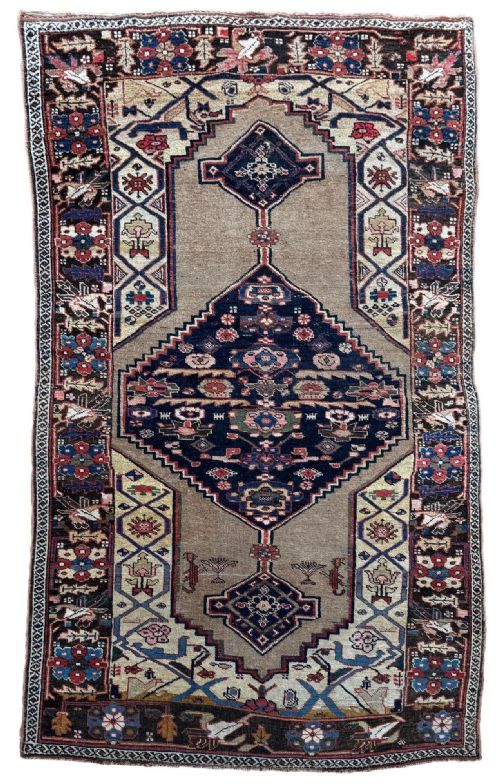
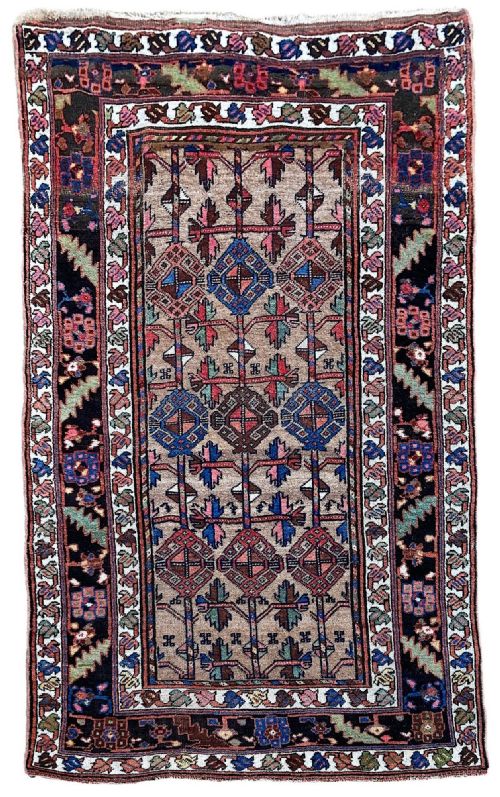
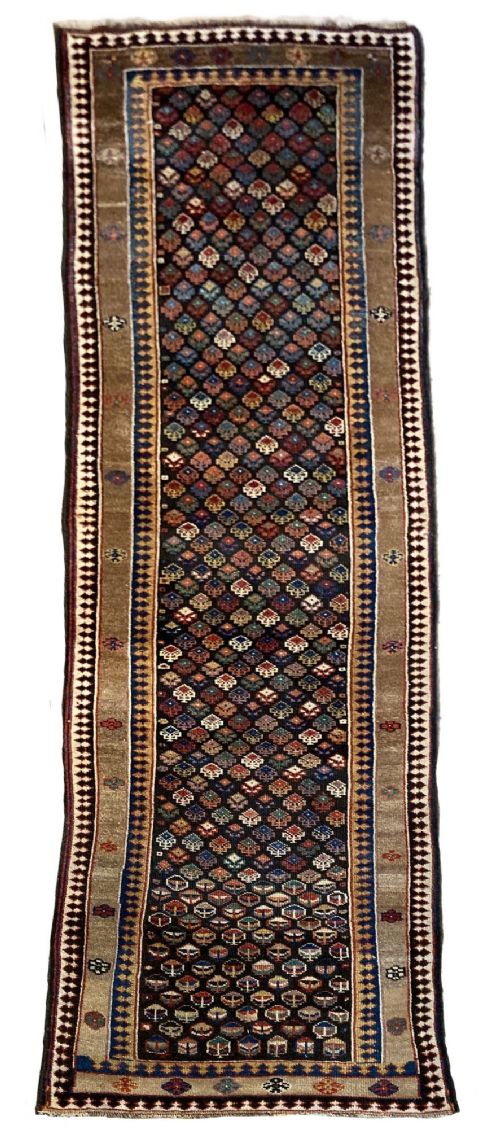
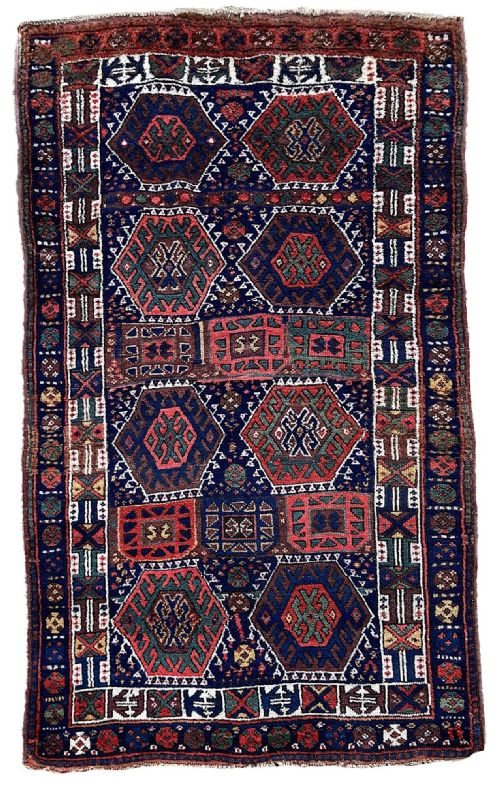
A Kurdish tribal runner is a long, narrow wool floor covering woven by Kurdish weavers, sought after for its rich traditional patterns and lasting durability.
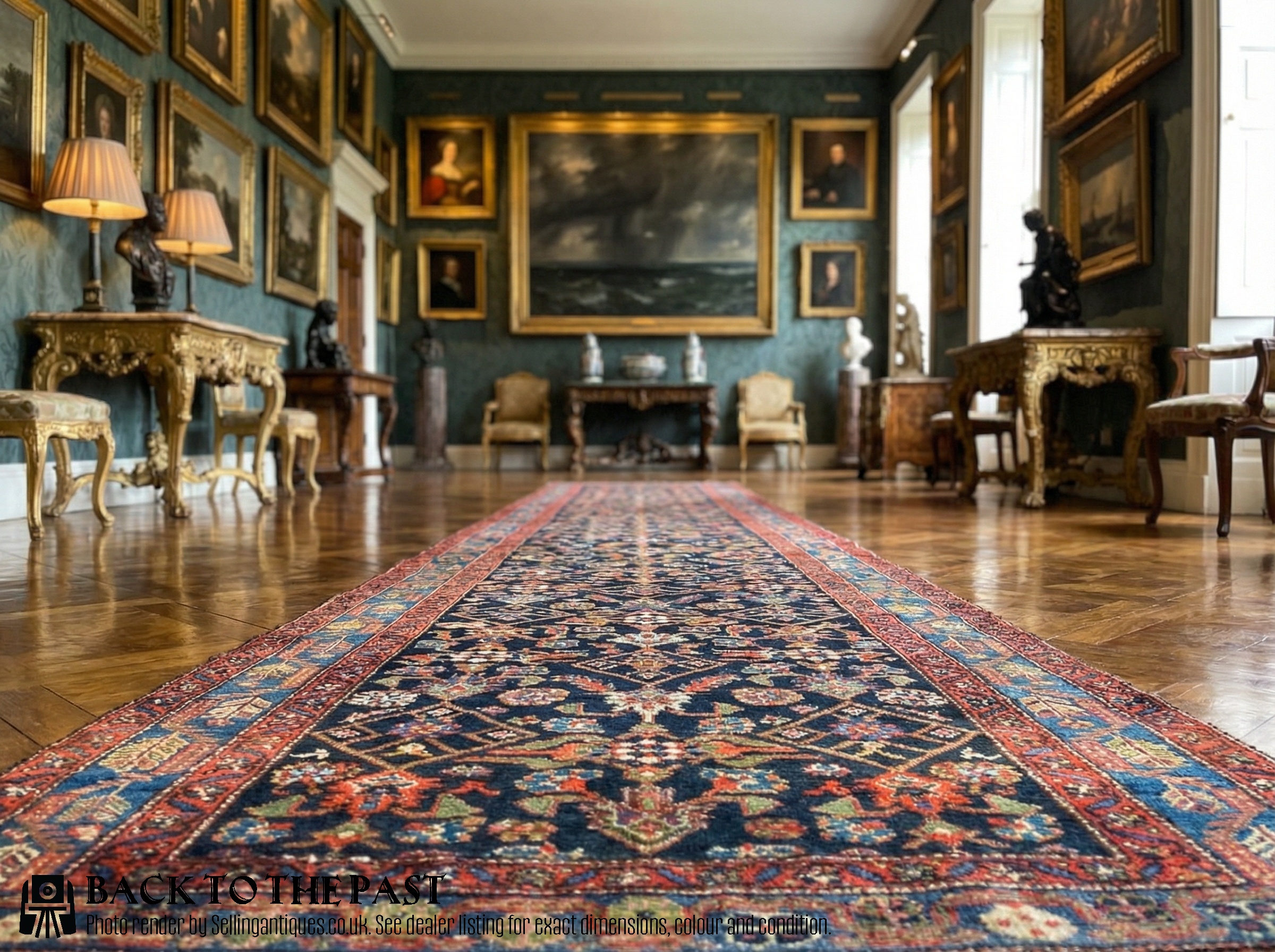
Kurdish Tribal Runner
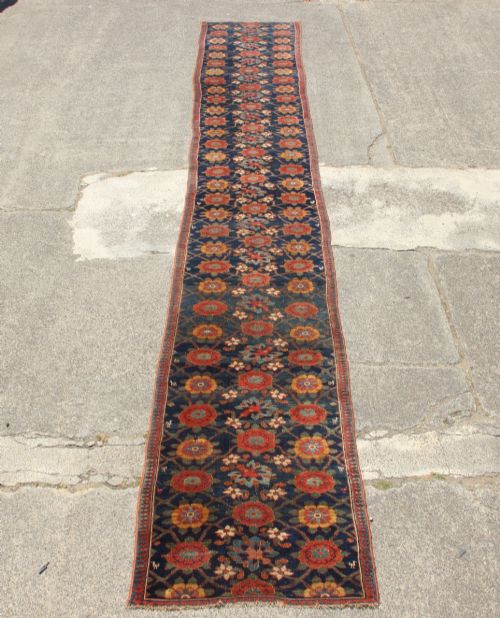
A Kurdish tribal runner is a narrow, elongated textile designed for hallways and long spaces, bringing deep cultural history into a home. These pieces emerge from the 19th and early 20th centuries, spanning decades from the 1850s through the 1930s.
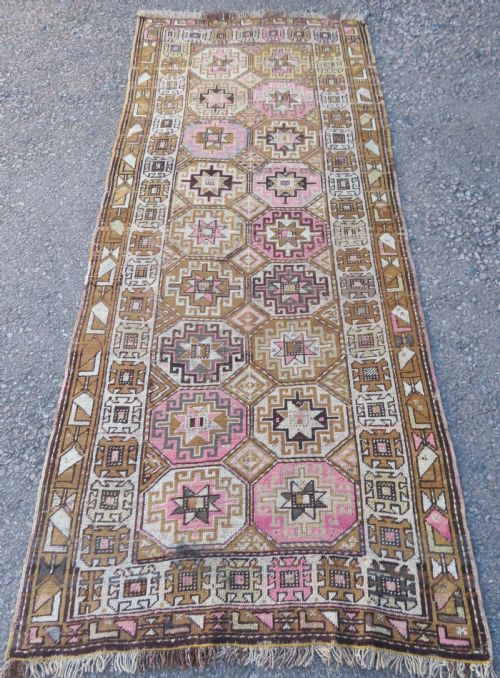
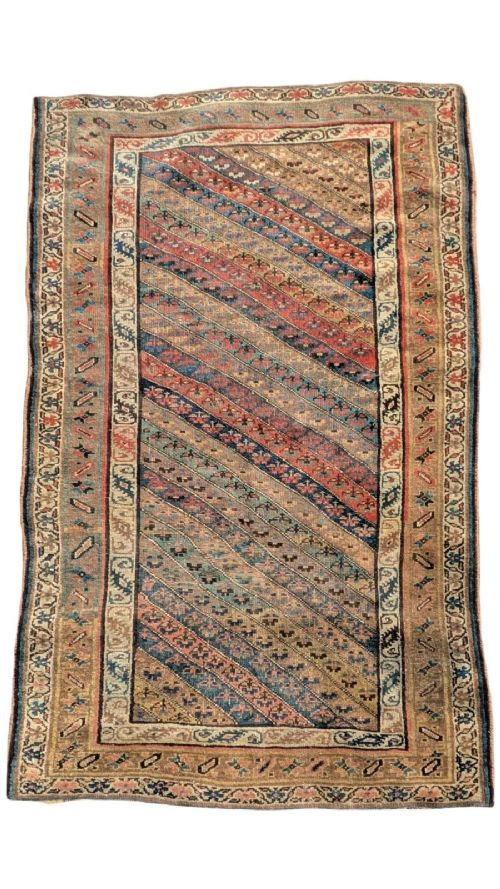
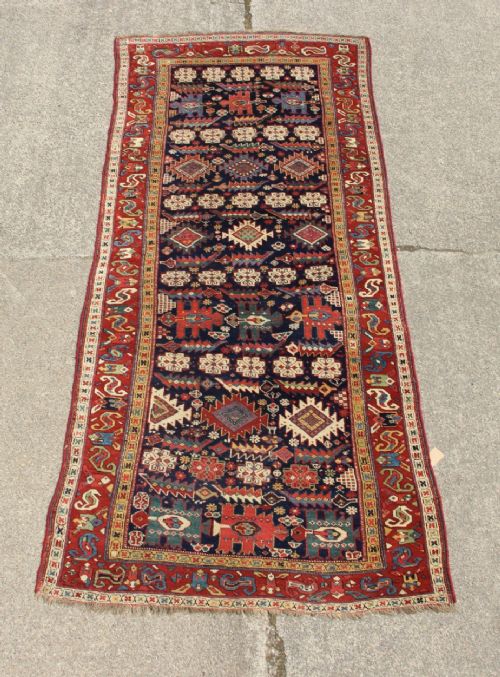
The most common formats met here are long runners and narrow rugs originating from regions such as Bidjar, Senneh, Hamadan, and the broader Caucasian and Anatolian territories. Weavers utilise traditional motifs, including the Mina Khani pattern, Memlinc guls, and shrub designs, set upon fields of yellow, red, or blue.
Buyers encounter room-sized carpets alongside distinct corridor formats like the Kelleh, yet the runner remains a specific choice for linear spaces. These textiles reflect the distinct weaving traditions of Persian, Kurdish, and East Anatolian nomadic and village workshops.
How They Were Made
Makers constructed these floor coverings using hand-spun wool for the pile, combined with cotton foundations to ensure structural strength. Natural dyes provided the saturated palette, absorbing colour deeply into the wool fibres over decades of preparation.
Weavers knotted the pile tightly by hand onto warp and weft threads, creating dense surfaces designed to endure heavy foot traffic in country houses and halls. This traditional construction method produced sturdy textiles that retained their structural integrity across generations.
Listings span the 19th century and early decades of the 20th century, utilising hand-spun wool, cotton, and natural dyes across runner and carpet forms.
What Varies In Quality
The excellence of a runner rests in the crispness of its drawing and the saturation of its natural dyes, which give the motifs distinct clarity. Pieces featuring finely executed geometric elements or well-balanced Mina Khani designs demonstrate superior workshop execution.
Knot density and the quality of the hand-spun wool dictate the tactile weight and resilience of the pile. Examples retaining vibrant ground colours and intact original margins represent the higher end of the weaving standard.
The Kurdish Tribal Runner Glossary
- Kelleh
- A large format rug, typically longer than a standard scatter rug but broader than a runner. It serves as an impressive floor covering for substantial rooms.
- Mina Khani
- A repeating floral pattern consisting of staggered daisies or rosette motifs linked by delicate vines. This design frequently appears across classical Persian and Kurdish carpets.
- Gul
- A medallion or repeating octagonal motif used extensively in tribal weaving. Different tribal groups developed distinct variations to signal heritage and origin.
- Bidjar
- A Persian town and surrounding region known for producing exceptionally heavy, durable carpets and runners. Weavers there utilised a unique damp-packing technique that stiffened the foundation.
- Natural Dyes
- Colourants derived from plants, insects, and minerals rather than synthetic compounds. These dyes yield rich, complex tones that age gracefully over time.
Kurdish Tribal Runner: Frequently Asked Questions
Where should I place a runner?
These narrow formats suit hallways, corridors, and long entryways where linear floor coverings soften hard surfaces and guide movement through a home.
Their sturdy wool construction handles daily foot traffic effectively while adding historic character to transitional architectural spaces.
How do I care for antique wool?
Regular gentle vacuuming without a rotating beater bar prevents dust accumulation within the pile. Professional cleaning by specialists in antique textiles ensures the natural dyes and wool fibres remain preserved.
Keeping the piece out of direct, harsh sunlight protects the saturated ground colours from fading over time.
How do I identify a Kurdish piece?
Look for distinctive tribal motifs such as Memlinc guls, geometric shrub designs, and robust structural knotting techniques. Regional attributions often point towards Kurdistan, Bidjar, or Hamadan based on the specific wool texture and palette.
The integration of Persian and Anatolian design influences also helps distinguish these traditional tribal workshops.
What does natural dye mean?
Natural dye refers to colour extracted from organic sources like roots, plants, and insects before synthetic chemical dyes became widespread. These materials create nuanced, varied tones across the wool pile that develop a soft patina.
Experts value this traditional dyeing method for its depth and longevity.