





Khamseh Tribal Rug
A genuine khamseh tribal rug brings centuries of nomadic storytelling and rich southwestern Persian artistry directly to your floor.
Khamseh Tribal Rug
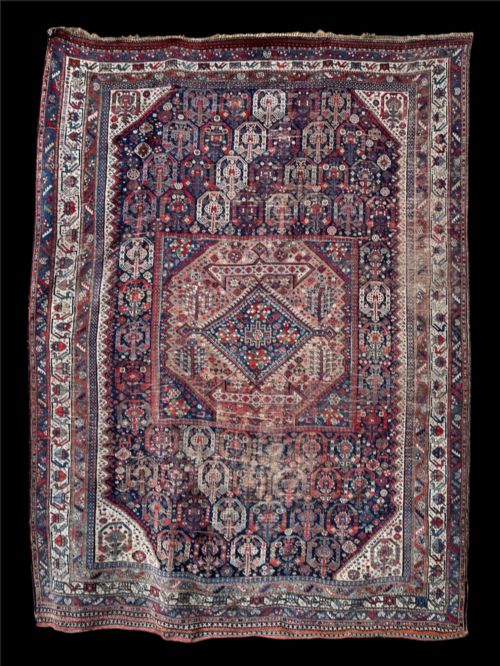
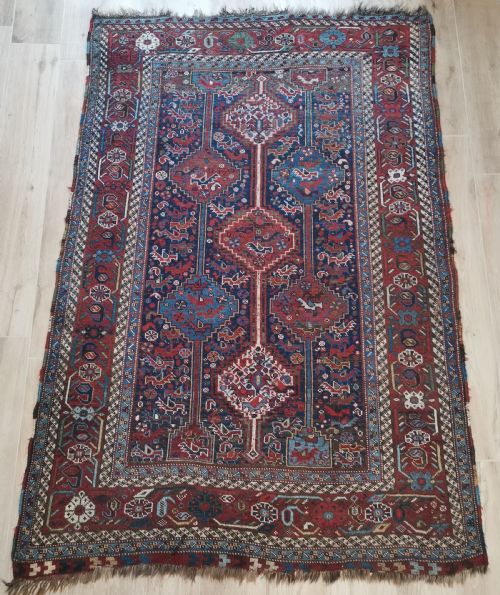
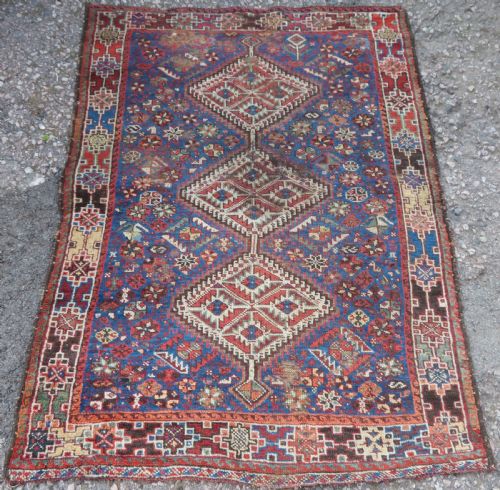
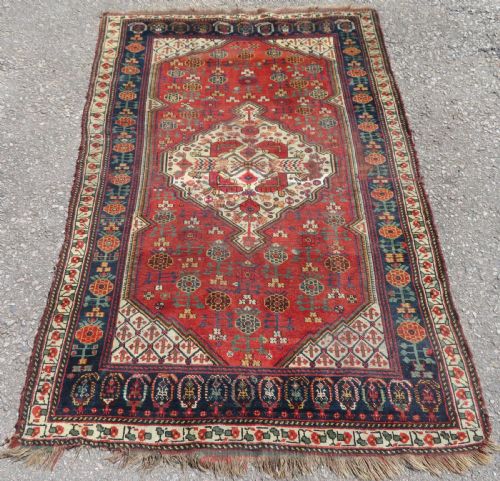
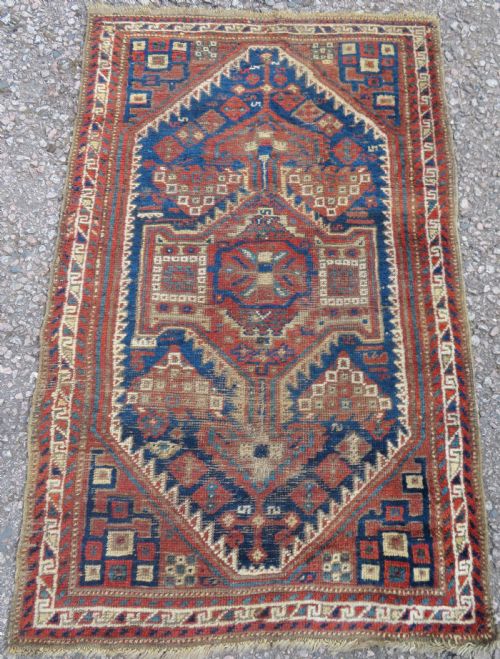
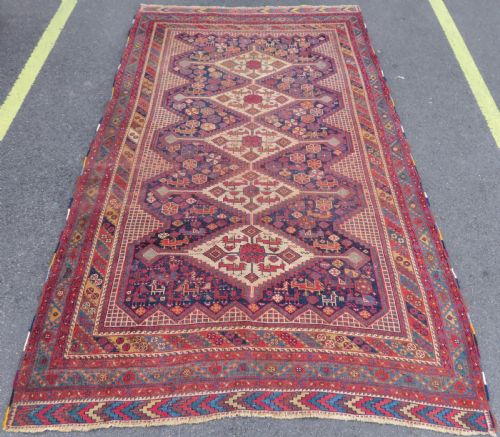
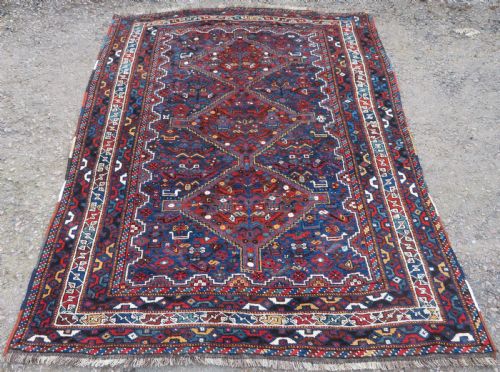
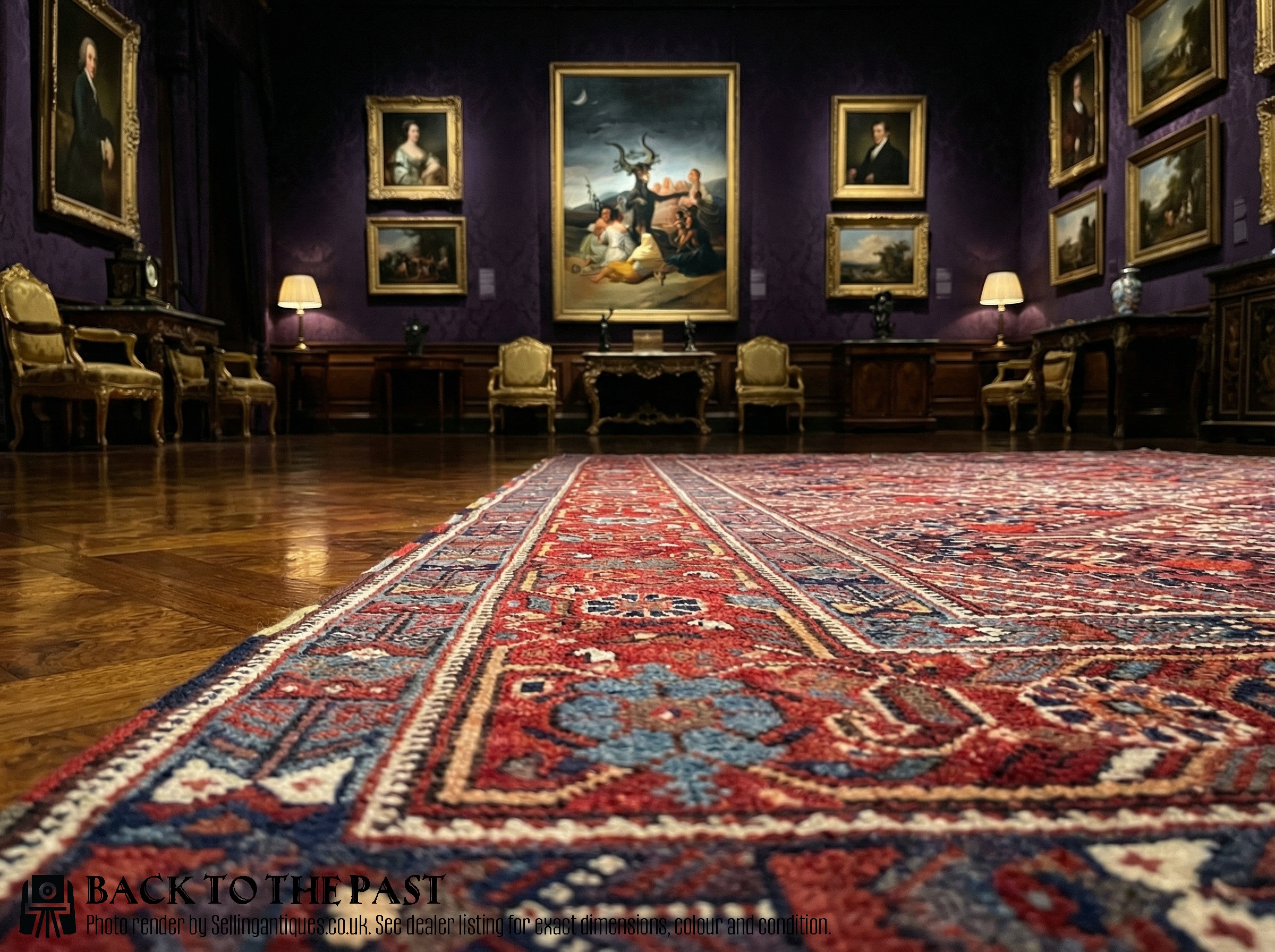
When searching for a khamseh tribal rug, collectors examine hand-woven nomadic textiles originating from the Fars province of southwestern Persia. These pieces represent a confederation of diverse tribes, including Arab, Luri, and Basseri groups, each contributing distinct motifs to the weaving tradition.
Buyers frequently encounter scatter formats, larger carpets, and functional pieces such as saddlebags on this page. The designs encompass traditional bird motifs, known locally as morghi, alongside recurring pomegranate and boteh patterns woven into distinctive dark or ivory fields.
How They Were Made
Weavers constructed these textiles using hand-spun wool for the pile, set against sturdy cotton or wool foundations. This reliance on locally sourced animal fibres provided the structural durability necessary for nomadic life.
Dye execution relied heavily on natural plant materials, yielding deep indigo blues, madder reds, and rich ivory tones that mellow gracefully over decades. Hand knotting secured the dense pile, creating resilient surfaces intended for everyday utility.
Khamseh Tribal Rug Retail Price Guide 2026
Typical asking prices for khamseh tribal rug among the pieces listed under this phrase on Sellingantiques today, from the lower quarter to the upper quarter. They describe what is for sale here now, not the wider market.
Listings feature pieces spanning from the mid-nineteenth century through the early twentieth century, utilising hand-spun wool and natural dyes.
What Varies in Quality
The degree of knot density and precision in the geometric drawing separates standard utility pieces from exceptional tribal examples. Tighter knotting allows for sharper delineation of intricate bird and medallion borders.
Colour saturation and the harmonious balance of natural dye variations dictate overall visual depth. Weavings exhibiting clear contrasts and preserved wool integrity retain stronger artistic presence.
Baharlu Sub Tribe·Arab Jabbareh Tribe·Arab Ghani Tribe·Basseri Tribe
The Khamseh Tribal Rug Glossary
- Khorjin
- A traditional double-sided saddlebag woven by nomadic groups for transport and domestic storage. Complete examples retain their original backing and closure mechanisms.
- Morghi
- A traditional pictorial motif depicting stylized birds, frequently referenced in tribal weaving circles as chicken or bird designs. These patterns carry symbolic meaning within southwestern Persian textiles.
- Kelleh
- A long, narrow carpet format traditionally suited for specific architectural proportions within Persian tents and houses. Their elongated field dimensions showcase extended medallion sequences.
- Boteh
- A recurring teardrop or almond-shaped motif representing a stylized floral spray or cypress tree. This ancient symbol appears across numerous regional tribal traditions.
- Confederacy
- An alliance of distinct nomadic tribes united under administrative groupings in the Fars province. This coalition style explains the blending of Arab, Qashqai, and Luri design elements.
Khamseh Tribal Rug: Frequently Asked Questions
How do I identify a bird design?
Bird designs, often called morghi carpets, feature stylized avian figures arranged symmetrically around central medallions or scattered across the field. Weavers integrated these motifs to represent local fauna and traditional blessings.
Examining the border and field arrangements reveals these small winged shapes integrated alongside geometric foliage and pomegranate patterns.
Where were these rugs made?
Production centred in the Fars province of southwestern Persia, an arid landscape inhabited by migrating nomadic confederations. The environment heavily influenced the materials and practical formats chosen by the weavers.
Different subtribes within the confederation, such as the Baharlu and Arab-Jabbareh, brought unique aesthetic preferences to their shared regional repertoire.
How should I care for antique wool?
Preserving these textiles requires gentle vacuuming without rotating brush heads to protect the fragile hand-spun pile and original side cords. Keeping the wool away from direct, harsh sunlight prevents the natural dyes from fading prematurely.
Professional specialist cleaning is recommended to maintain the structural integrity of the foundation yarns and prevent dye migration over time.