


Kangxi Period Ceramic
When you handle a kangxi period ceramic, you hold porcelain shaped by the Qing Dynasty workshops of the seventeenth and eighteenth centuries.
Kangxi Period Ceramic
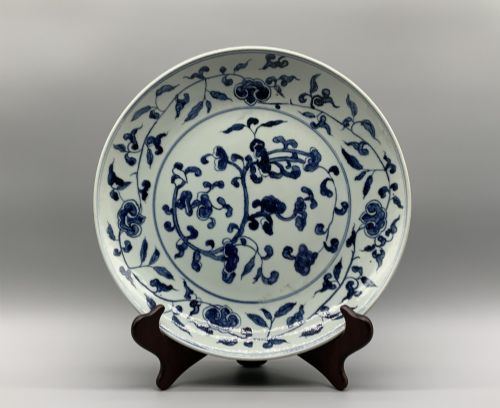
A kangxi period ceramic encompasses functional and decorative objects created during the reign of the Kangxi Emperor, spanning the seventeenth and eighteenth centuries. These items include chargers, brush pots, vases, jars, and bowls produced in Chinese kilns and later referenced by European makers.
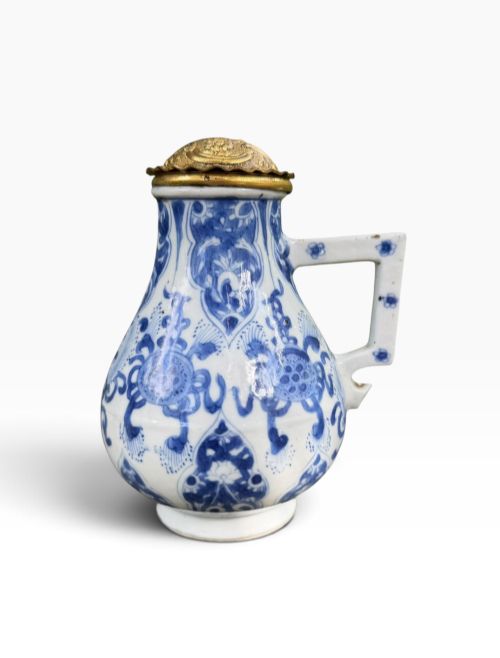
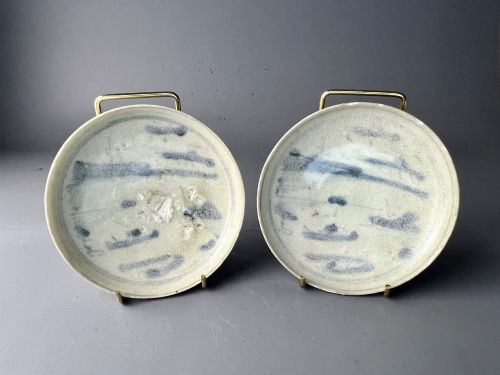
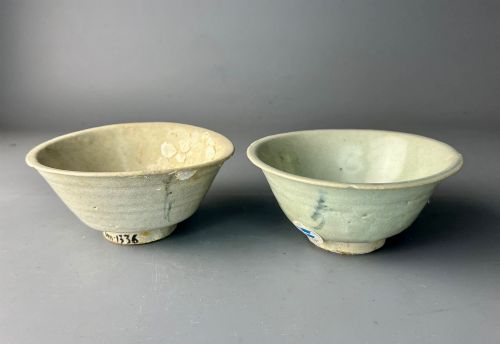
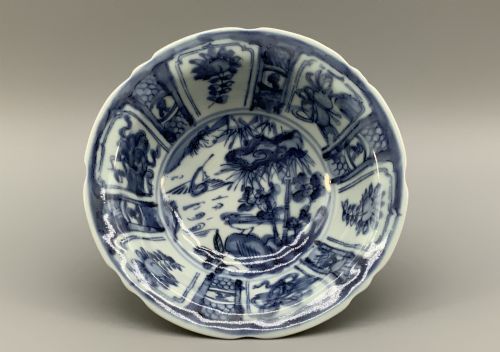
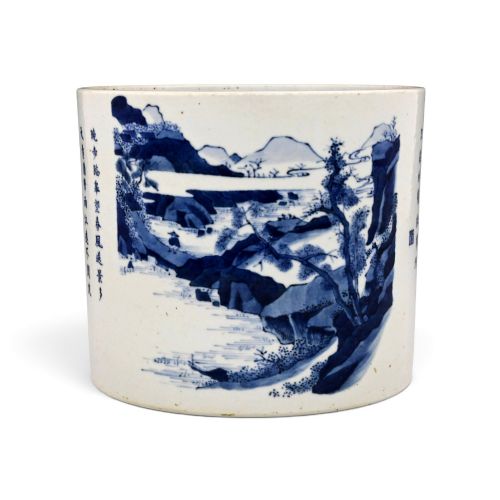
The objects on this page appear in forms such as lobed bowls, yen-yen vases, desk accessories, and wine ewers. Buyers encounter original Qing Dynasty pieces alongside later interpretations from the Georgian and Republic periods.
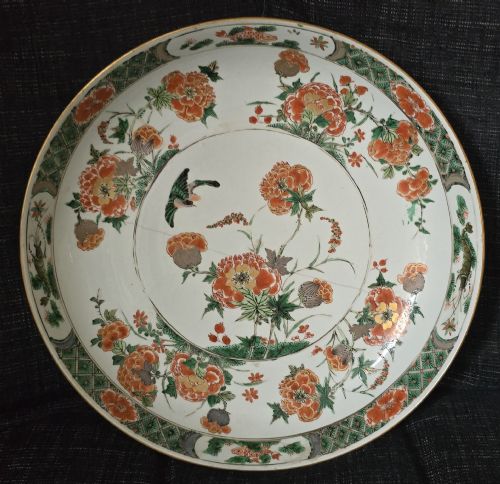
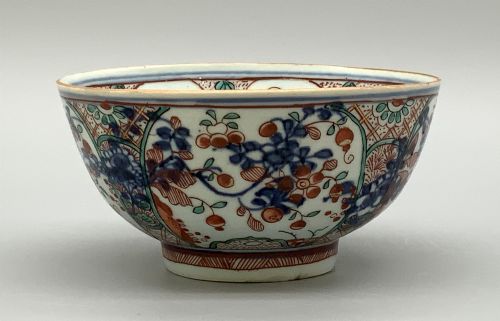
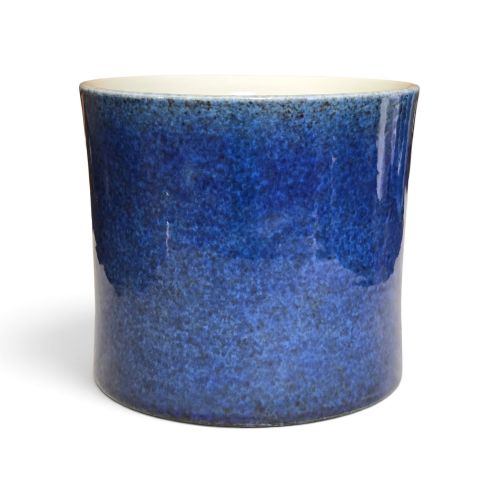
Blue and white porcelain dominates the selection, accompanied by famille verte enamels, powder-blue glazes, and Imari palettes. The variety ranges from domestic scholarly items to export ware destined for European markets.
How they were made
Makers utilised high-fired porcelain body materials decorated under the glaze with cobalt blue or over the glaze with enamel colours. Cobalt underglaze pigment achieves deep, luminous tones when subjected to intense kiln temperatures.
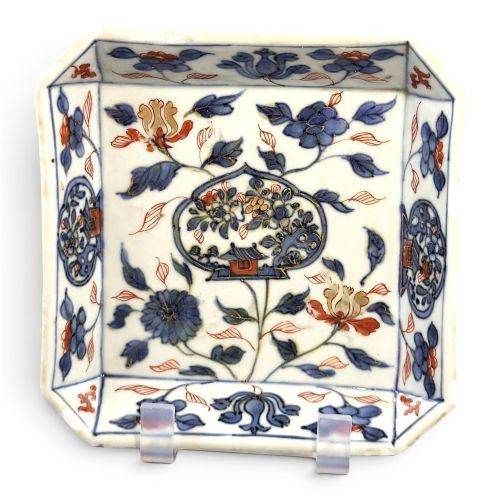
Overglaze enamels including famille verte palettes provide vibrant green, red, and yellow details applied above the fired glaze. Skilled hands shaped pieces such as ovid jars, square vases, and barbed-rim dishes using throwing and moulding techniques.
Listings feature eighteenth and seventeenth-century periods alongside Georgian and Republic eras, utilising porcelain, cobalt glaze, and enamel materials.
What varies in quality
Quality rests upon the crispness of the cobalt painting, the purity of the white porcelain ground, and the precision of moulded floral or geometric relief. Finer examples display meticulous brushwork across complex scenes such as court life or the hundred antiques design.
The clarity of reign marks on the base influences character, with six-character Kangxi marks appearing alongside apocryphal marks from later centuries. Surface preservation of the glaze and enamel stability differentiate exceptional works from standard export production.
The Kangxi Period Ceramic Glossary
- Bitong
- A cylindrical scholar's brush pot used in Chinese studios. These vessels hold writing brushes and feature blue and white or famille verte decoration.
- Famille verte
- A ceramic palette dominated by green enamel alongside other overglaze colours. Artisans used this style to depict figures, birds, and court scenes.
- Imari
- A decorative style combining underglaze blue with overglaze iron red and gilt. This aesthetic appeared on bowls, chargers, and tankards.
- Yen-yen
- A tall trumpet-shaped vase form with a flaring rim and a bulbous central body. These vessels often carry cobalt blue botanical motifs.
- Blanc de Chine
- A white porcelain ware produced at Dehua featuring a smooth, ivory glaze. Pieces in this style include tripod censers and figures.
Kangxi Period Ceramic: Frequently Asked Questions
What is a kangxi period ceramic?
A kangxi period ceramic is a porcelain object created during the reign of the Kangxi Emperor between sixteen sixty-two and seventeen twenty-two. These pieces include blue and white chargers, brush pots, and famille verte vases.
They represent a high point of Qing Dynasty ceramic production known for technical mastery and refined artistic design.
Where were these ceramics made?
These ceramics were manufactured in the imperial and private kilns of Jingdezhen in China. Jingdezhen served as the primary centre for porcelain production during the Qing Dynasty.
From there, items travelled domestically and through export routes to European markets.
How do I display these pieces?
Display these porcelain objects on stable surfaces away from heavy foot traffic to protect fragile rims and glazes. Chargers require secure plate stands, while vases and jars stand safely on wooden furniture.
Natural light enhances the depth of cobalt blue underglaze and overglaze enamel colours.