



Kangxi Blue White Ceramics
Kangxi blue white ceramics encompass porcelain vessels and dishes painted in cobalt, prized for precise brushwork and vibrant tones originating from the Qing dynasty.
Kangxi Blue White Ceramics
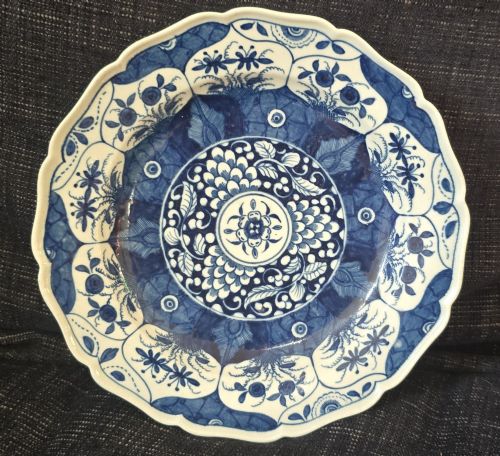
Kangxi blue white ceramics comprise objects fashioned during the seventeenth and early eighteenth centuries, alongside later nineteenth-century pieces produced in the same aesthetic. Buyers encounter forms such as chargers, ginger jars, beaker vases, brush pots, bowls, and teapots decorated with cobalt pigment.
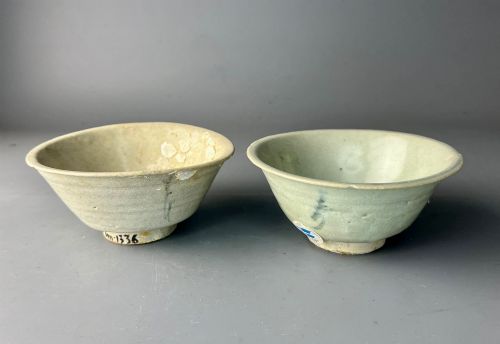
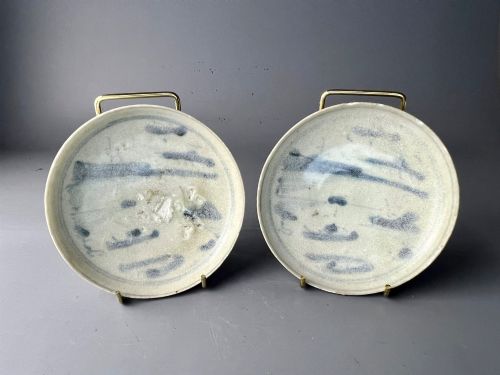
The selection includes pieces bearing period marks alongside later nineteenth-century items created in a Kangxi design. Cargo recoveries such as the Vung Tau shipwreck group appear alongside domestic scholar's items and export wares.
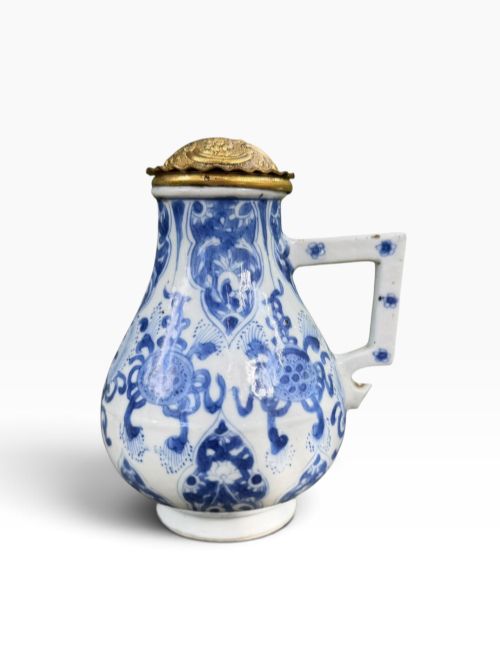
Vessels span utilitarian forms like kendi and wine ewers to ornamental chargers and Gu shaped beaker vases. Qing dynasty production establishes the baseline for both genuine period items and later revivals.
Materials and Technique
Makers utilised porcelain bodies painted with cobalt blue glaze and cobalt pigment underglaze. Certain export pieces incorporate gilt metal mounts affixed to the porcelain structure.
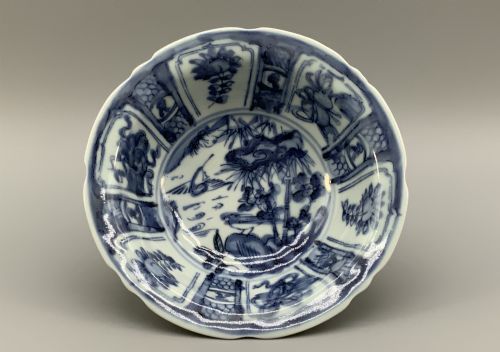
Decoration relies upon cobalt underglaze brushed onto the clay body before firing and glazing. Moulded floral elements and barbed rims appear alongside painted figural ladies, landscape scenes, and hundred antiques designs.
Kangxi Blue White Ceramics Retail Price Guide 2026
Typical asking prices for kangxi blue white ceramics among the pieces listed under this phrase on Sellingantiques today, from the lower quarter to the upper quarter. They describe what is for sale here now, not the wider market.
Listings include porcelain pieces featuring cobalt blue glaze, gilt metal mounts, and moulded floral designs across seventeenth to nineteenth-century periods.
Design and Execution
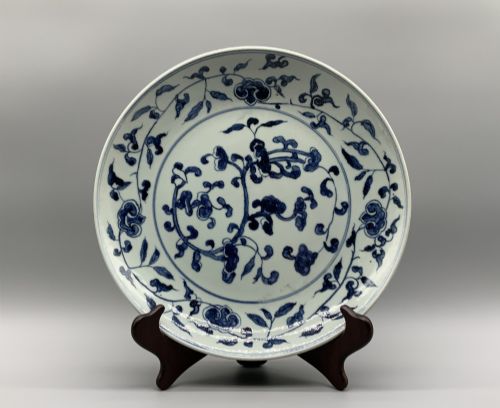
Quality rests upon the clarity of the cobalt blue underglaze and the precision of the brushwork. Superior examples display deep, luminous tones without blurring, while lesser pieces exhibit muddied pigment application.
The definition of the porcelain body and the crispness of moulded details such as lobed rims or barbed edges distinguish masterwork production from routine commercial output.
Worcester
The Kangxi Blue White Ceramics Glossary
- Cobalt underglaze
- Pigment applied to the unglazed porcelain body beneath a transparent glaze before firing. This technique protects the blue decoration from wear over centuries.
- Ginger jar
- A storage jar with a rounded body and short neck, originally used for spices. Many survive with matching porcelain covers.
- Bitong
- A cylindrical brush pot utilised by scholars for holding writing implements. These form a distinct category of desk accessory.
- Imari
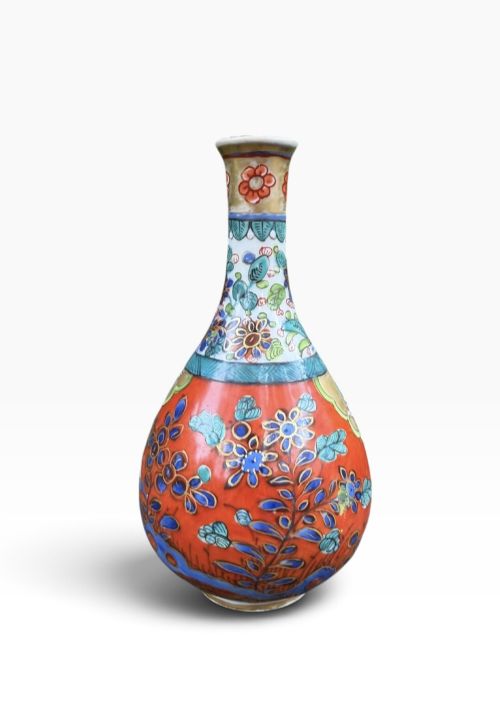
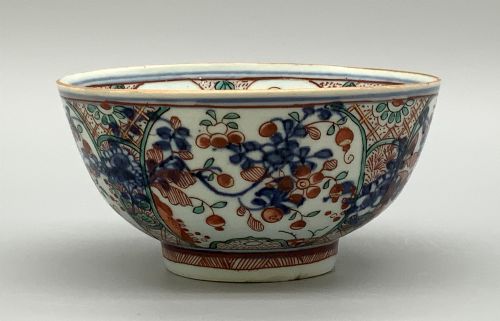
- A style combining blue and white underglaze with iron red and gilt overglaze enamels. Items occasionally bridge these decorative traditions.
Kangxi Blue White Ceramics: Frequently Asked Questions
How do I identify a genuine period piece?
Examine the depth of the cobalt blue underglaze and the texture of the porcelain body. Genuine pieces from the seventeenth and eighteenth centuries display distinct potting characteristics and pigment control.
Compare the base markings and form against known examples from the era. Later nineteenth-century revivals often utilise similar designs but differ in weight and glaze consistency.
What is a Gu shaped vase?
A Gu shaped vase is a beaker-like vessel with a wide mouth, narrow central stem, and flaring foot. This form replicates ancient bronze ritual wine vessels from early Chinese dynasties.
Potters adapted the shape into porcelain during the Qing dynasty for scholarly display. They function well as standalone decorative objects on side tables.
How were brush pots used?
Brush pots, or bitong, sat upon scholar's desks to hold writing brushes upright. Their cylindrical form provided a stable base for heavy porcelain.
Collectors prize them today as desk accessories or small display pieces. Their straight sides offered artisans a continuous canvas for narrative landscapes and figural scenes.
Are shipwreck pieces different?
Shipwreck pieces carry the unique history of marine recovery, often bearing subtle encrustations or water wear from centuries underwater. The Vung Tau cargo yields intact sets of bowls and dishes.
These items provide secure dating evidence due to the fixed moment of the vessel's sinking. They appeal to collectors who value maritime provenance alongside ceramic merit.