

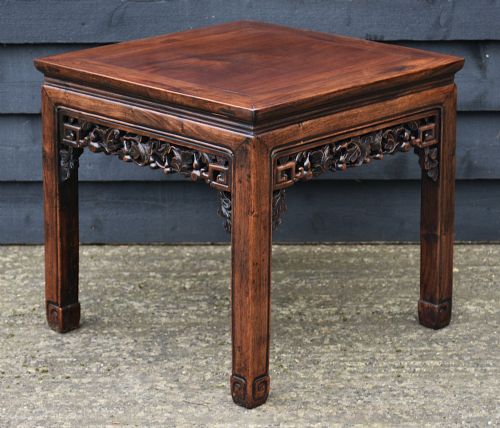


Kang Low Table
These kang low table examples bring traditional Chinese form and dense hardwood craftsmanship into modern interiors as low coffee surfaces.
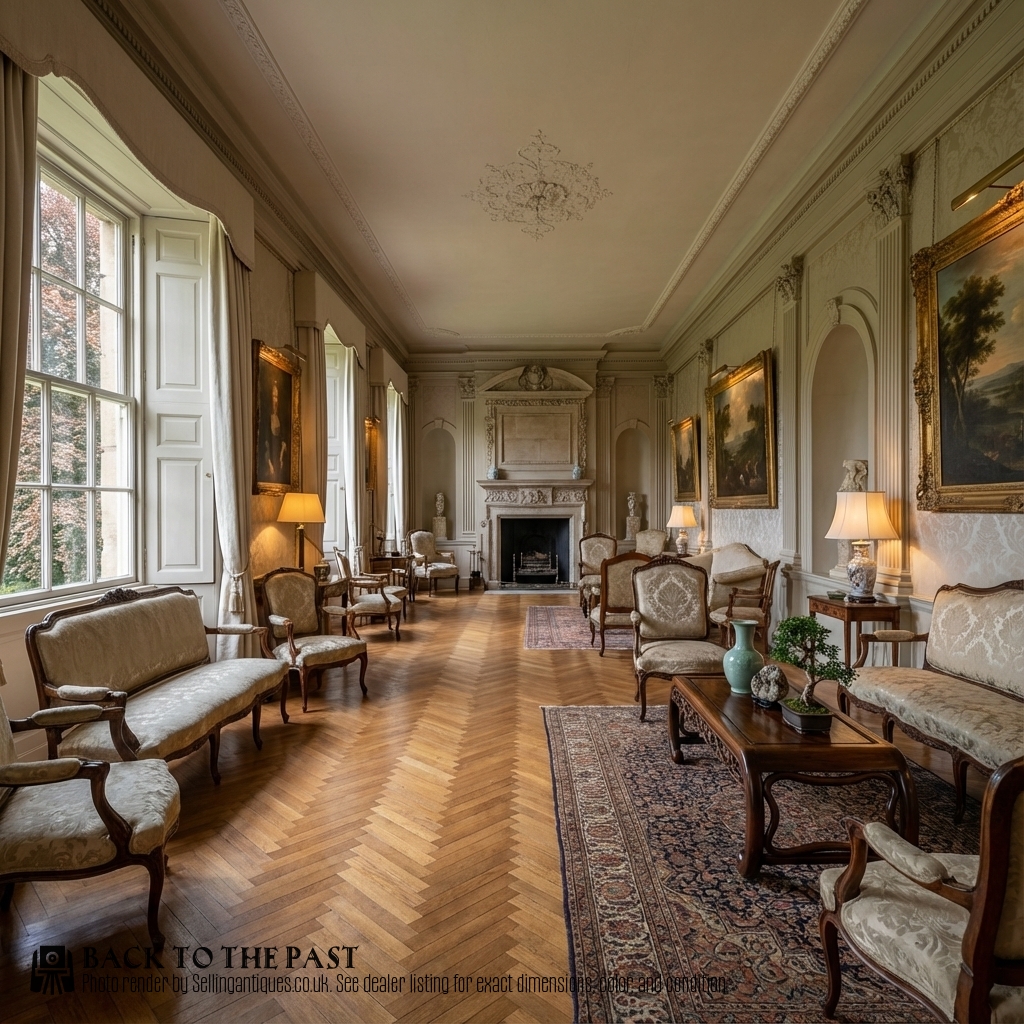
Kang Low Table
A kang low table represents a traditional domestic form designed originally for use on heated brick platforms in Chinese homes. The pieces appearing here span the eighteenth, nineteenth, and early twentieth centuries, encompassing Qing Dynasty and Republic period examples alongside rustic country variants.
Most items function today as low coffee tables or side surfaces within contemporary rooms. The inventory holds both scroll-end designs and simpler rectangular formats, frequently described in older records as opium tables.
Makers utilised native timbers and denser imported woods to construct these low platforms, yielding objects ranging from unpretentious elm country furniture to heavily carved hongmu and rosewood scholar items.
Materials and Construction
Construction relies heavily on traditional Chinese joinery techniques applied to hardwoods such as rosewood, hongmu, and padouk, alongside domestic timbers like elm. These dense woods provide the structural integrity required for low-profile furniture subjected to daily use.
Surface treatments vary from polished natural grain displaying deep patinas to applied layers of red or black lacquer, sometimes augmented with mineral pigments and gilt details. Carved ornamentation on Qing Dynasty pieces includes dragon motifs and scroll ends executed directly into the solid timber.
Kang Low Table Retail Price Guide 2026
Typical asking prices for kang low table among the pieces listed under this phrase on Sellingantiques today, from the lower quarter to the upper quarter. They describe what is for sale here now, not the wider market.
Listings feature both dense imported hardwoods like rosewood and hongmu alongside domestic elm timber.
Quality and Distinction
Quality separates primitive domestic elm pieces from refined scholar tables constructed in dense rosewood or hongmu. The presence of crisp, hand-carved dragon details and scroll-end terminals elevates certain examples above plain rectangular formats.
The depth of the natural patina achieved over centuries of handling dictates visual success in polished wood surfaces. Lacquered variants depend on the preservation of the pigment layer and the subtlety of any underlying gilt work.
The Kang Low Table Glossary
- Kang
- A traditional heated brick bed in northern Chinese dwellings where these low tables originally sat. They provided a stable surface for dining, writing, or smoking.
- Hongmu
- A translation meaning red wood, used to describe dense tropical hardwoods imported into China for fine furniture. It takes a sharp carved edge and develops a deep sheen.
- Patina
- The surface appearance acquired by wood through age, wear, and polishing. Good examples show a warm, reflective skin built up over generations.
- Scroll-end
- A structural terminal where the ends of the table top curve outward and upward in a stylized roll. This profile is typical of formal Qing Dynasty scholar furniture.
- Padouk
- A heavy, durable timber with a reddish hue utilised in traditional Chinese cabinet-making. It offers great stability for low-profile tables.
Kang Low Table: Frequently Asked Questions
What is a kang low table?
A kang low table is a traditional Chinese furnishing originally built to sit upon a heated sleeping platform known as a kang. These compact surfaces served domestic activities including eating, writing, and socializing.
Today, these pieces function primarily as low coffee tables in living spaces. Their proportions bridge historical Asian design and modern interior requirements.
How old are these low tables?
The pieces available range from the eighteenth century through the nineteenth century and into the early twentieth century. Many date from the Qing Dynasty and the subsequent Republic period.
Construction dates rely on timber selection, joinery style, and decorative motifs such as dragon carvings. Simple elm country versions often sit alongside heavily carved hongmu scholar pieces from the same broad era.
How do I style a low table?
Place a kang low table centrally in a room before low seating to utilise its horizontal proportions. The low profile works well paired with modern sofas or floor cushions.
Keep surface decoration minimal to allow the carved wood grain or red lacquer finish to remain visible. Books, ceramics, or small objects complement the historical character without overwhelming the surface.
What woods were used?
Cabinet-makers utilised a variety of timbers depending on regional availability and the intended status of the furniture. Dense imported hardwoods like rosewood, hongmu, and padouk appear frequently on finer examples.
Softer domestic timbers such as elm served for rustic country furniture. Surfaces were either left exposed to build a patina or finished with red and black lacquers.