

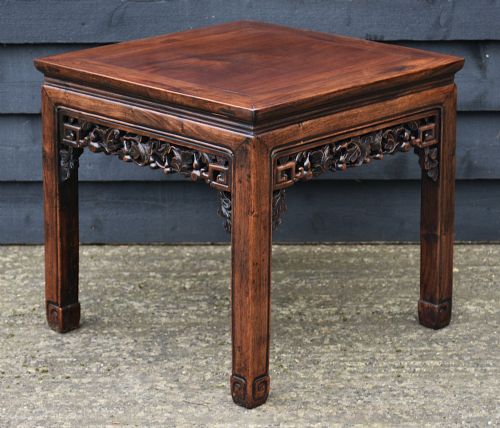


Carved Rosewood Kang Table
A carved rosewood kang table brings low-profile seating and display into a room, offering deep timber grain and intricate carved details.
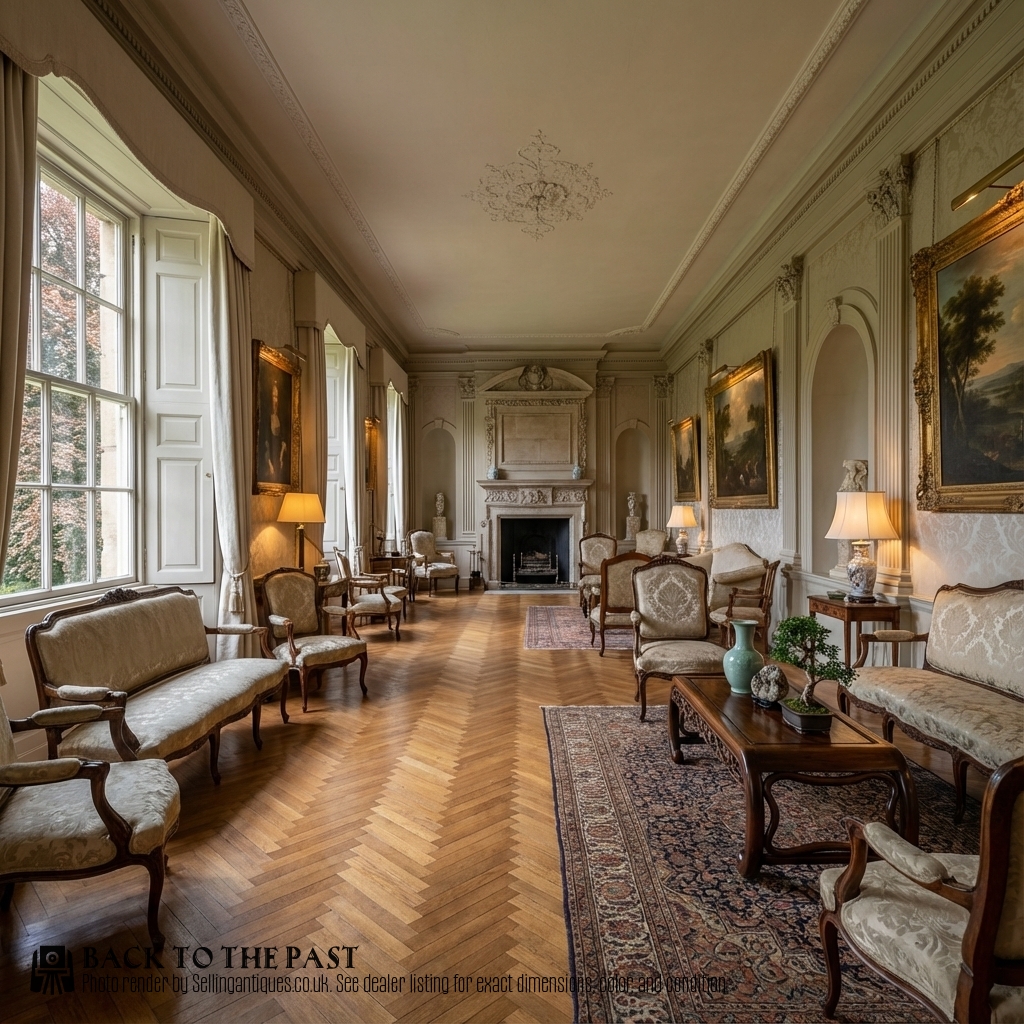
Carved Rosewood Kang Table
A carved rosewood kang table is a low domestic surface designed for sitting, serving, or display within traditional spaces. These pieces sit low to the ground and appear in low, coffee, and side table formats.
The versions met on this page date primarily from the nineteenth century into the early twentieth century, spanning Qing Dynasty and Chinese Export styles. They utilise forms such as scroll-end shapes and scholar's stands.
Makers shaped these low surfaces from dense timbers to serve as functional furniture for domestic interiors. Their low proportions separate them from standard Western dining or work tables.
How they were made
Craftsmen built these tables using dense Asian timbers including rosewood, huali wood, and hongmu, often described simply as hardwood or timber. These materials provided the structural weight and fine grain necessary for intricate surface work.
The decoration relies on deep carving, seen in dragon details and scroll ends that terminate the low forms. Joinery and surface shaping required specialised hand tools to handle the dense nature of the wood.
Carved Rosewood Kang Table Retail Price Guide 2026
Typical asking prices for carved rosewood kang table among the pieces listed under this phrase on Sellingantiques today, from the lower quarter to the upper quarter. They describe what is for sale here now, not the wider market.
Listings feature pieces from the nineteenth and early twentieth centuries, constructed from rosewood, huali wood, and hongmu.
What varies in quality
Quality rests in the crispness of the carved ornamentation, such as dragon details and scroll ends, where sharper execution marks superior work. The natural figuring of the rosewood or huali wood also dictates visual appeal, with more pronounced grain patterns lifting a piece.
The architectural scale and proportion of the frame separate standard examples from larger scale scholar's stands or tables with refined joinery. The depth of the timber and the integration of traditional Qing Dynasty motifs complete the distinction.
The Carved Rosewood Kang Table Glossary
- Kang table
- A traditional low platform or table placed upon a heated brick bed or used directly on the floor for dining, writing, or resting. These pieces feature short legs and compact proportions.
- Huali wood
- A fragrant and highly figured hardwood prized in Chinese furniture making for its rich grain and durability. It takes a fine polish and shows distinct natural patterning.
- Hongmu
- A category of dense, dark tropical hardwoods literally translated as red wood. Craftsmen used it for heavy, carved scholarly and domestic furnishings.
- Scroll-end
- A decorative terminal feature where the ends of the table top curl outward or inward in a traditional scroll motif. This shape softens the linear geometry of the low frame.
- Opium table
- A common historical descriptor for a low Chinese coffee or side table. The term reflects nineteenth-century trade names rather than a specific singular function.
Carved Rosewood Kang Table: Frequently Asked Questions
What is a kang table used for?
A kang table serves as a low surface for tea, writing, or display in a living space. Its compact height suits placement in front of seating or on the floor.
Historically, these surfaces sat on raised heated platforms in traditional homes. Today, they function well as low coffee tables in contemporary rooms.
How do I date a rosewood table?
Dating relies on examining the timber density, construction methods, and stylistic details such as Qing Dynasty carving conventions. Nineteenth-century examples often display hand-cut joinery and aged patination.
Comparing the scroll ends and dragon motifs with documented periods helps narrow the decade of manufacture. Wood shrinkage and wear patterns also indicate age.
Are these tables solid rosewood?
The listings show pieces constructed from dense hardwoods including rosewood, huali, and hongmu. These timbers provide the structural mass for the low frames.
Traditional construction utilised these heavy tropical woods throughout the primary components. This ensures the weight and durability characteristic of the period.
How do I style a low table?
Position a low table centrally before a sofa or low seating to maintain the intended horizontal proportion. Keep objects on top sparse to let the timber grain and carved edges remain visible.
Their modest height also makes them effective as display stands for ceramics or sculptures. Avoid overcrowding the surface so the scroll ends and dragon details stay prominent.