

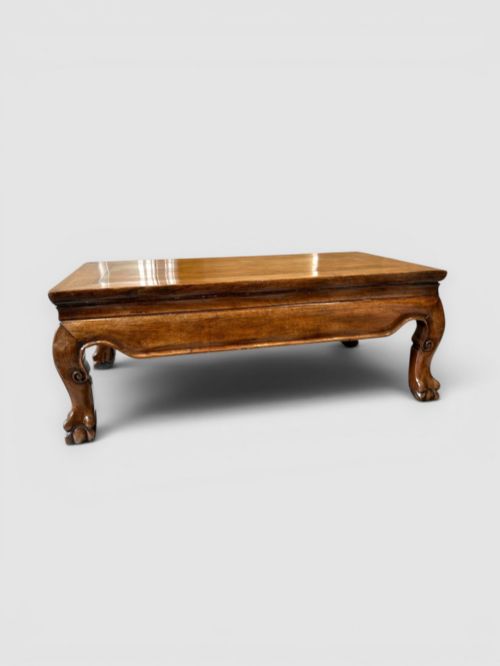


Brown Hardwood Opium Table
These low brown hardwood opium table pieces offer solid timber build and low proportions, providing sturdy utility and rich grain for modern rooms.
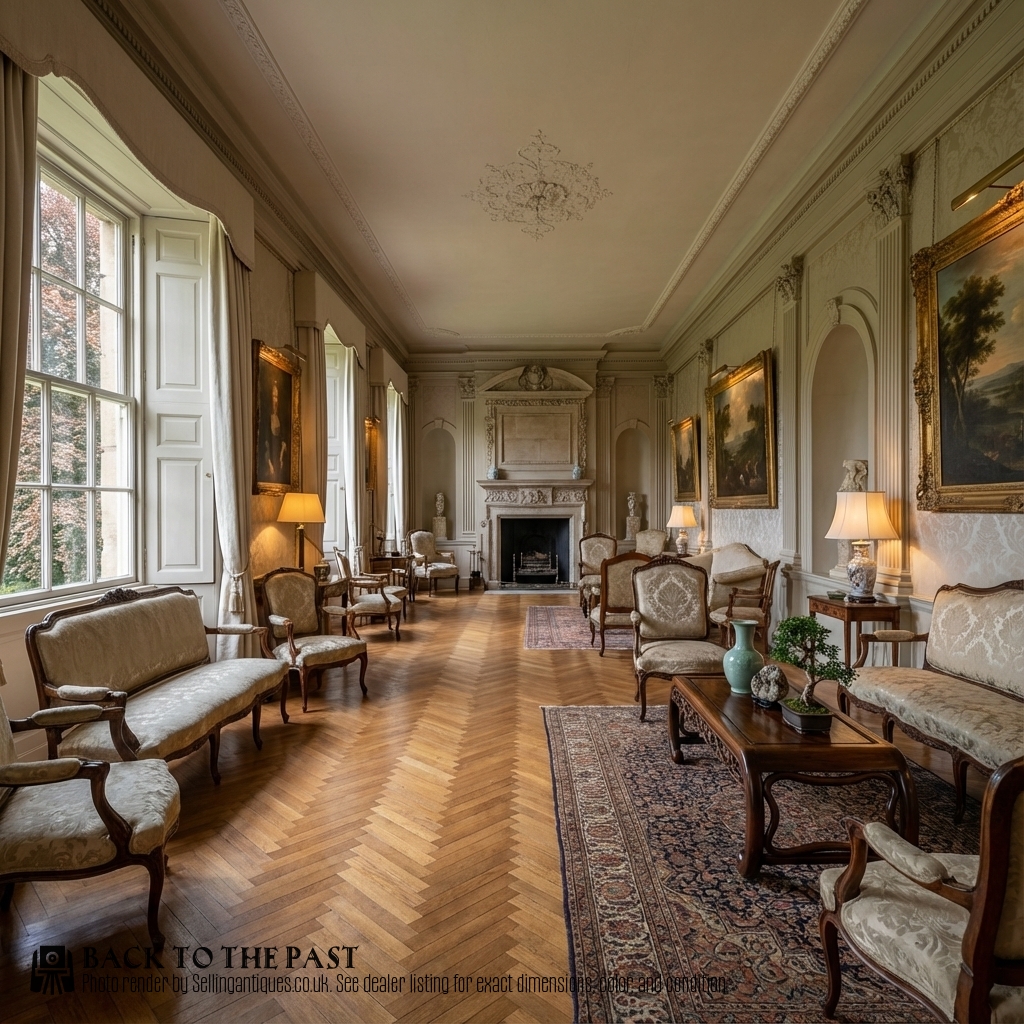
Brown Hardwood Opium Table
A brown hardwood opium table brings traditional low forms into contemporary spaces, functioning primarily as a coffee table or a low display surface. When searching for a brown hardwood opium table, buyers encounter pieces originating from the nineteenth century through the early twentieth century.
Most examples hail from the nineteenth century or the early twentieth century, spanning periods such as the Chinese Republic Period and the late nineteenth century. Buyers frequently meet pieces constructed from dense Asian hardwoods, showcasing patinated surfaces shaped by age and use.
Materials and construction methods
Makers utilised dense timbers such as padouk, huali wood, rosewood, and elm to build these low tables, ensuring sturdy construction and enduring resilience. These heavy woods allow for precise carving while maintaining structural stability across generations.
Joinery techniques without metal fasteners anchor the frames, complemented by hand-carved details along edges and scroll ends. The natural timber surfaces receive hand-rubbed finishes that develop a deep, warm patina over decades of handling.
Brown Hardwood Opium Table Retail Price Guide 2026
Typical asking prices for brown hardwood opium table among the pieces listed under this phrase on Sellingantiques today, from the lower quarter to the upper quarter. They describe what is for sale here now, not the wider market.
Several tables retain scroll ends designed centuries ago to keep rogue sleeping mats from sliding off the platform.
Distinctions in quality and finish
Quality rests in the selection of the timber and the crispness of any carving, with denser woods like huali and padouk commanding greater regard. The depth and warmth of the natural patina also distinguish superior examples, reflecting how well the wood has aged.
Proportion and structural integrity define the better pieces, where scroll ends and legs maintain balanced lines without clumsy alterations. Matched pairs represent a higher tier of desirability, offering consistent timber grain and scale across both tables.
The Brown Hardwood Opium Table Glossary
- Kang table
- A low platform table traditionally used on a heated brick bed in northern China for dining or resting. These pieces now serve widely as low coffee tables in modern homes.
- Huali wood
- A prized fragrant hardwood utilised in traditional Chinese furniture making. It exhibits rich grain patterns and excellent density.
- Padouk
- A heavy, durable tropical hardwood noted for its reddish-brown colour and stable nature. It takes a fine carved finish.
- Scroll end
- A decorative terminal feature where the ends of the table top curve outward or inward in a scroll motif. This detail is common on traditional Chinese low tables.
- Patina
- The glossy sheen and mellow surface appearance developed by timber over years of handling and natural ageing. It serves as an indicator of genuine age.
Brown Hardwood Opium Table: Frequently Asked Questions
What is a brown hardwood opium table used for today?
These low tables function effectively as coffee tables in living spaces, positioning low to the floor to anchor seating arrangements. Their compact proportions also suit them for displaying decorative objects or serving tea.
In contemporary interiors, they introduce historic character and warm timber tones without dominating the room's vertical space.
How do I identify a Qing Dynasty piece?
Qing Dynasty pieces often exhibit traditional carved details, scroll ends, and dense hardwoods such as huali or padouk. Construction methods rely on traditional joinery rather than modern metal fixings.
Examining the patina and the wear patterns on the timber helps confirm the nineteenth-century origins typical of these forms.
What woods were used for these tables?
Makers employed a variety of Asian timbers, including heavy padouk, aromatic huali wood, rosewood, and elm. Each timber contributes distinct grain patterns and colour variations ranging from warm brown to deep reddish hues.
These dense woods provide the structural strength required for low furniture built without nails.
Are these tables sturdy enough for daily use?
The dense hardwoods and traditional joinery make these low tables exceptionally solid and durable for everyday living. Their low centre of gravity adds inherent stability against tipping.
Routine care involves simple dusting and occasional gentle waxing to protect the aged timber surface.