


Japanese Satsuma Crackle Glaze
Japanese satsuma crackle glaze pieces are distinctive ceramic vessels and decorative items defined by their fine network of surface crazing and intricate painted detail.
Japanese Satsuma Crackle Glaze
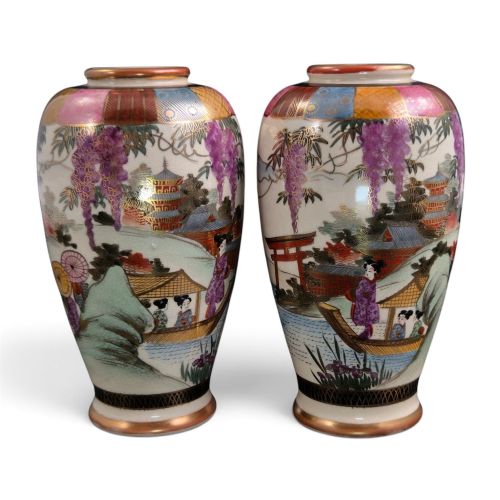
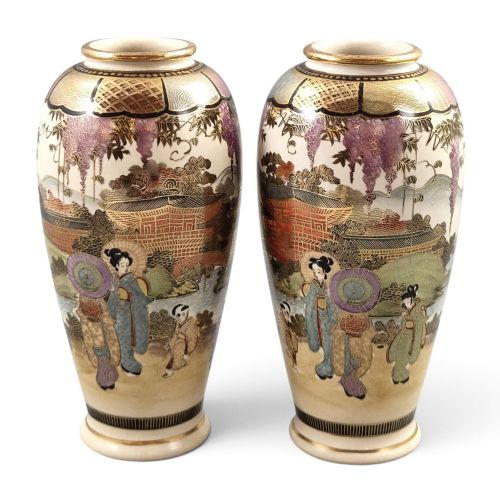
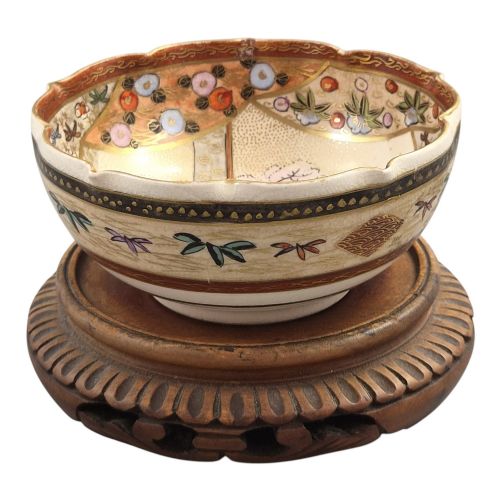
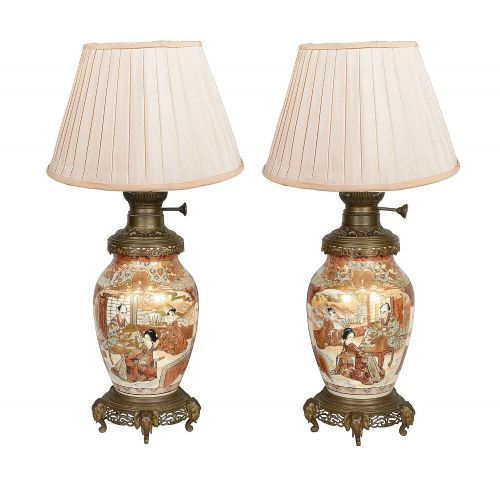
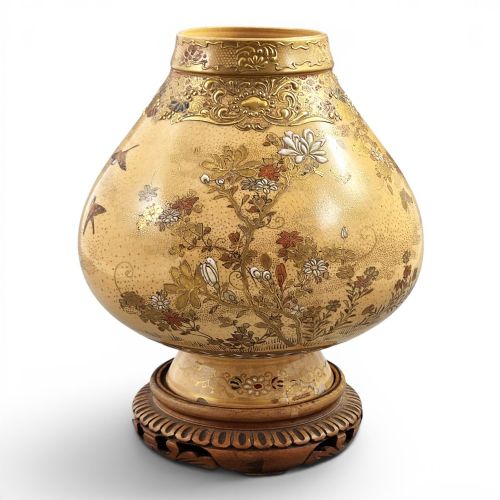
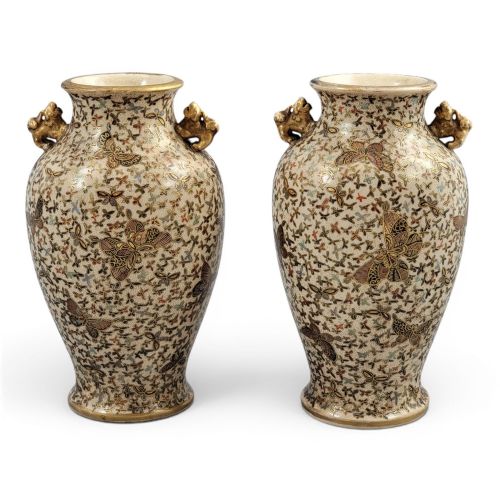
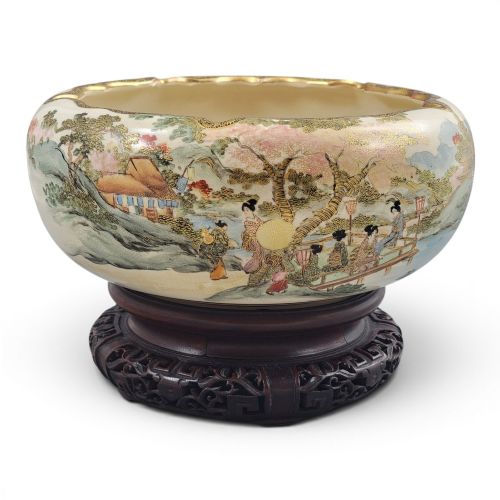
Japanese satsuma crackle glaze items encompass a variety of forms including vases, decorative bowls, ginger jars, tea caddies, and table lamps. These objects originate predominantly from the nineteenth century, spanning the Meiji period, alongside pieces from the Taisho and early Showa periods.
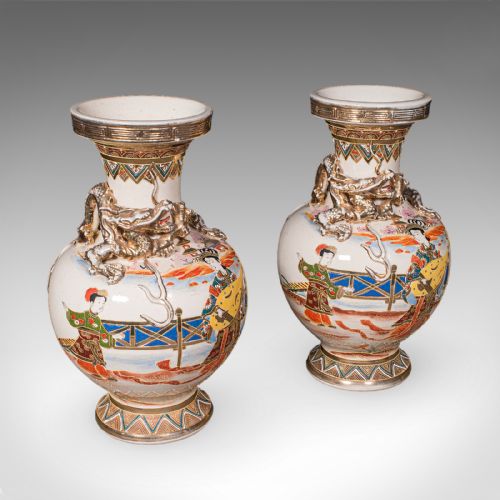
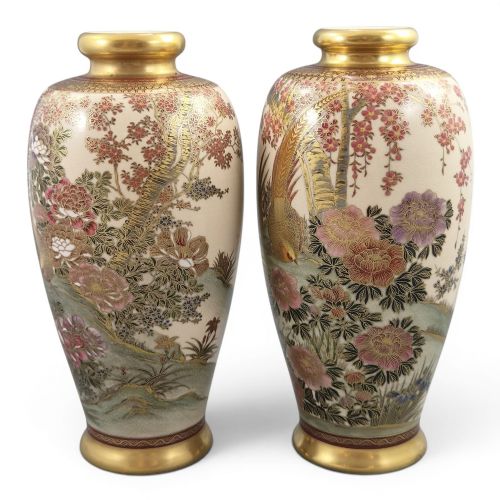
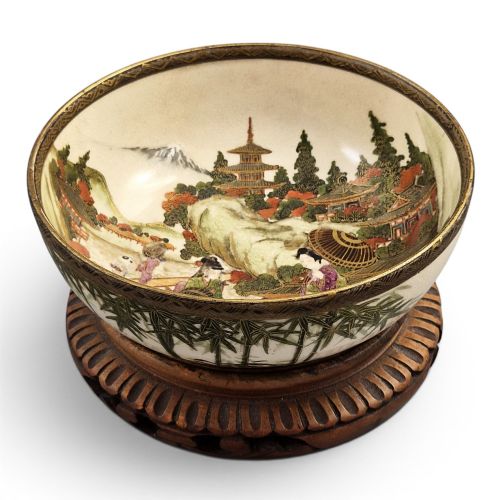
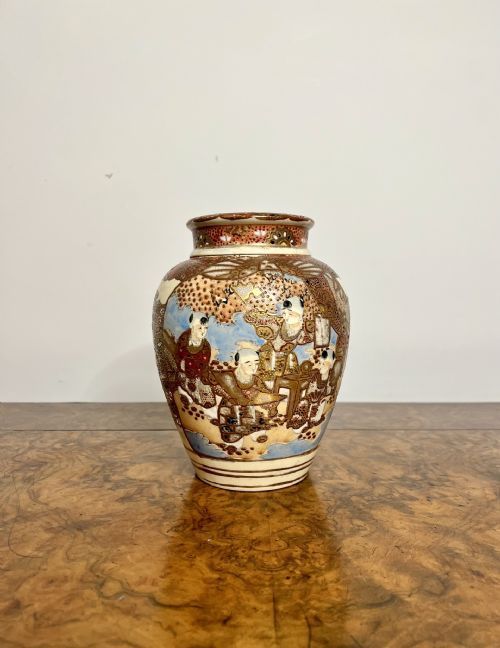
Vases appear singly or in pairs, ranging from miniature examples to monumental works, often taking baluster or hexagonal shapes. Bowls and tea jars also feature prominently, decorated with traditional motifs such as landscapes, court figures, flora, and fauna.
Materials and Technique
These pieces utilise an earthenware body covered in a distinctive crackle glaze that creates a network of fine lines across the surface. Artisans then hand-painted intricate designs onto this prepared ceramic ground.
Enamel colours combined with gold leaf, gilt, and gold gilt provide rich decoration to the surface, frequently complemented by raised moriage details. Wood and brass also appear in auxiliary components like lamp fittings or bases.
Listings feature items from the 19th century, Victorian, and Edwardian eras, alongside Taisho and Showa periods.
Quality and Execution
The standard of painting determines the merit of these ceramics, separating hurried commercial production from careful studio work. Precision in the facial expressions of figures, clarity of landscape details, and the delicacy of the gold work distinguish the output of recognised workshops and masters.
The consistency and fineness of the crackle glaze across the earthenware body also indicate the skill involved in firing. Balanced proportions in baluster vases and heavy, controlled application of enamel and gilding point to superior manufacture.
Shozan·Manpei·Gyokkō·Kinkōzan Workshop·Kinzan·Shizan·Ryuzan·Chosei·Seiko-en Chokei·Choshuzan·Jissei·Yoshisada·Tokyo Taizan·Hattori·Hayakawa
The Japanese Satsuma Crackle Glaze Glossary
- Satsuma ware
- Earthenware pottery originating from Satsuma Province in Japan, traditionally characterised by an ivory-coloured crackle glaze and elaborate polychrome and gilt decoration. This style became widely exported during the Meiji period.
- Moriage
- A ceramic technique where enamel is applied in raised dots or lines to create a tactile, three-dimensional decoration on the surface. It frequently highlights the robes of figures or architectural elements on vases.
- Meiji Period
- The era of Japanese history lasting from 1868 to 1912, marked by the opening of trade with the West and a surge in the production of highly detailed decorative arts for export. Many fine Satsuma ceramics date from this timeframe.
- Baluster
- A vase shape with a rounded body that tapers toward a narrow neck and flares at the mouth and foot. This form provides a broad surface area for narrative scenes and floral motifs.
- Koro
- A traditional Japanese incense burner, often supported on three feet and fitted with a decorative pierced cover. These vessels appear in ceramic forms alongside standard vases and bowls.
Japanese Satsuma Crackle Glaze: Frequently Asked Questions
How do I identify Satsuma ware?
Look for a distinct ivory or cream-coloured earthenware body covered in a microscopic network of crackled glaze. This surface is almost universally decorated with hand-painted enamel scenes and heavy gilding.
Many pieces also feature artist or workshop signatures painted on the base in red or gold. The presence of raised enamel work, known as moriage, further points to this tradition.
What is the Meiji period?
The Meiji period spans the reign of the Emperor Meiji from 1868 to 1912, a time of rapid modernisation and increased artistic exchange with the West. Japanese workshops produced vast quantities of intricate decorative items specifically for international markets during these decades.
Ceramics from this era are celebrated for their exceptional brushwork and meticulous attention to detail. Most antique Japanese satsuma crackle glaze pieces encountered today originate from this defined span.
How were these vases used?
Satsuma vases and jars served primarily as decorative display items in Western drawing rooms and Japanese interiors alike following the opening of trade routes. Their elaborate narratives and gilt ornamentation made them centrepieces for mantelpieces and cabinets.
Smaller items like tea caddies and bowls held dry goods or functioned as refined table accessories. Over time, some vases were later converted into table lamps.
How do I care for crackle glaze?
Keep these ceramics out of direct sunlight to prevent the fading of delicate enamel colours and gold leaf. Dust them gently with a soft, dry cloth rather than using liquid cleaners.
Because the earthenware body and crackle glaze can be porous, avoid immersing the pieces in water. Proper handling protects both the ceramic substrate and the raised surface decoration.