








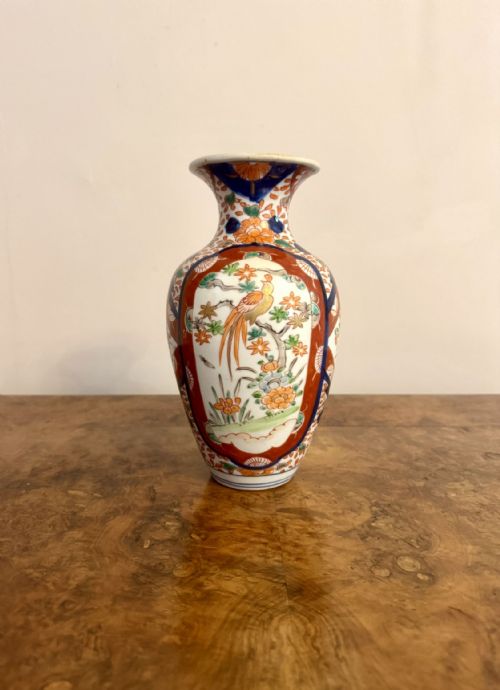
Japanese Pattern Porcelain
Japanese pattern porcelain brings together vibrant export wares and the European factories that drew inspiration from them.
Japanese Pattern Porcelain
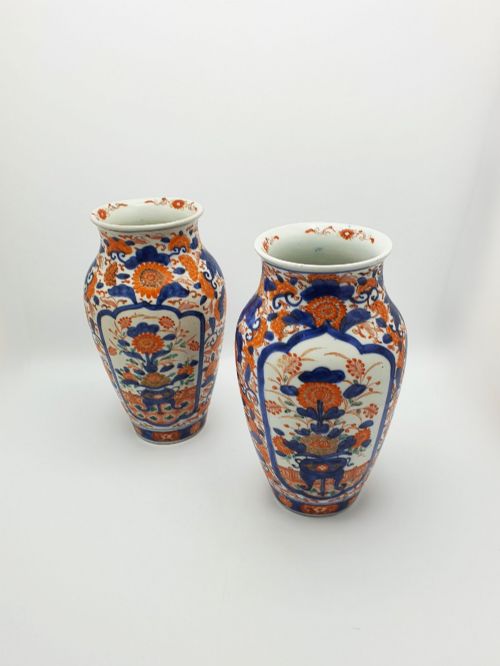
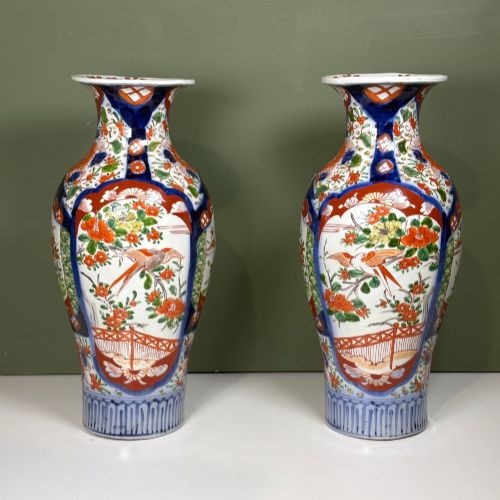
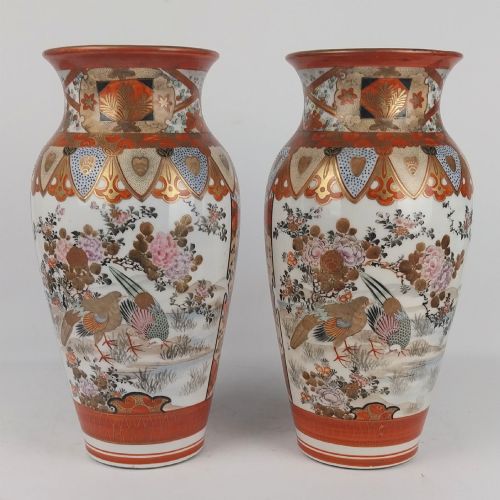
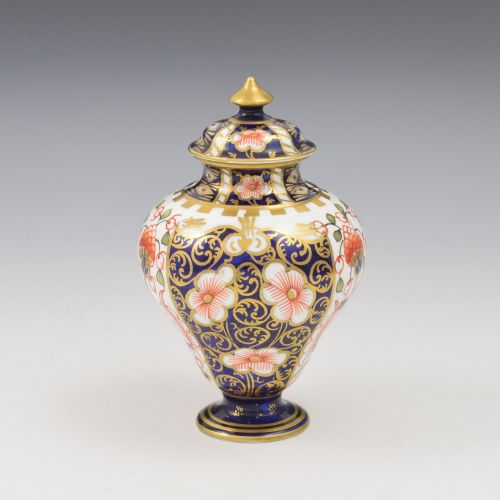
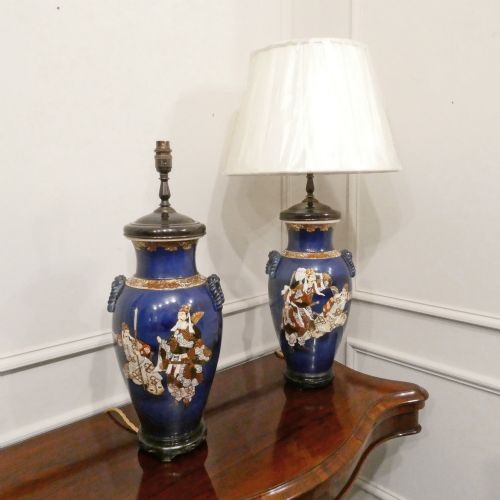
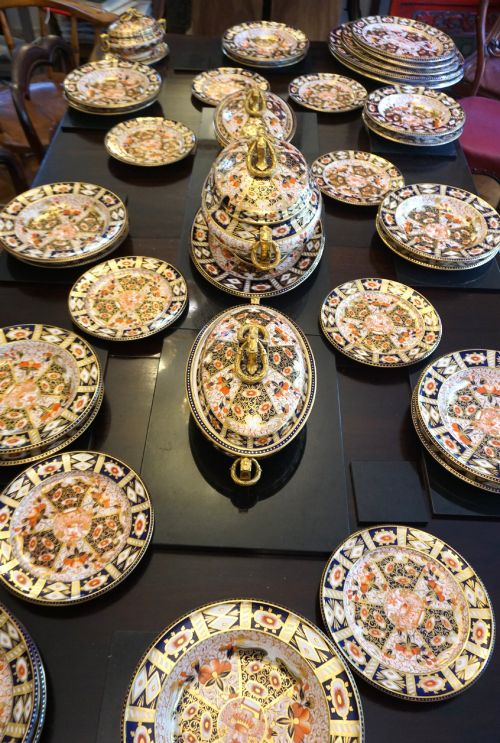
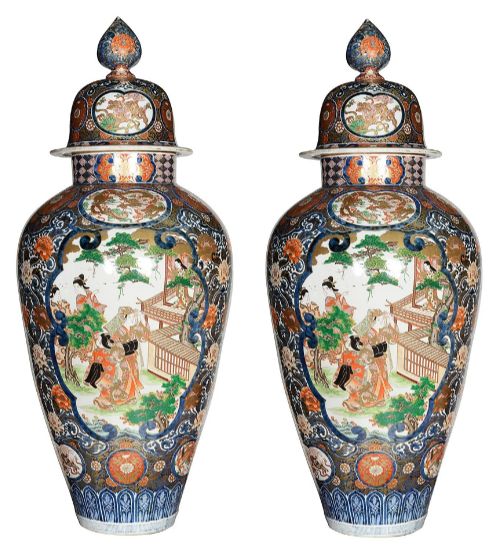
When searching for Japanese pattern porcelain, collectors encounter pieces ranging from seventeenth century Arita wares to nineteenth century Imari, Satsuma, and Kutani production. English and continental factories such as Royal Crown Derby, Minton, Meissen, and Bow also produced significant interpretations of these eastern designs.
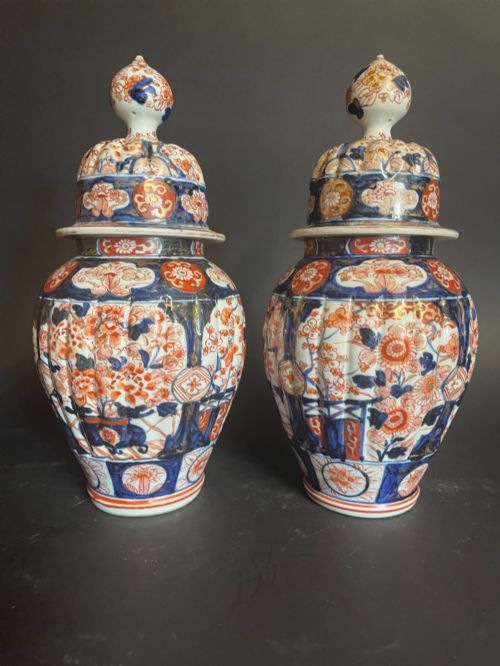
Vases, plates, dishes, tea sets, and jars dominate the selections available, spanning the Edo, Meiji, and various European nineteenth century periods. These items served decorative and functional roles in historic interiors, utilising distinct motifs that crossed cultural boundaries.
How they were made
Potters shaped porcelain, bone china, and earthenware bodies before applying underglaze blue and overglaze enamels in iron red, green, and other pigments. Artisans then added gilt and gold leaf highlights to accentuate the intricate surface patterns.
Firing techniques required multiple stages in kilns to fix the cobalt blue underglaze followed by the polychrome enamels and gilding. Specialised workshops in Japan and European porcelain centres maintained distinct traditions of throwing, moulding, and hand-painting.
Japanese Pattern Porcelain Retail Price Guide 2026
Typical asking prices for japanese pattern porcelain among the pieces listed under this phrase on Sellingantiques today, from the lower quarter to the upper quarter. They describe what is for sale here now, not the wider market.
Listings feature porcelain, earthenware, and bone china enhanced with enamel, glaze, gold leaf, and gilt across multiple centuries.
What varies in quality
The precision of the brushwork and the crispness of the moulding distinguish finer examples from standard production wares. Superior pieces display complex layering of enamels and rich, intact gilding that remains bright across the surface.
The weight of the porcelain body, the balance of the form, and the sophistication of the compositional layout indicate the skill of the original makers. Signed works and items from established kilns often demonstrate greater attention to detail in the decorative scheme.
Royal Crown Derby·Samson of Paris·Fukagawa
The Japanese Pattern Porcelain Glossary
- Imari
- A style of Japanese porcelain decorated in underglaze blue, iron red, and gilt, which heavily influenced European factories. This aesthetic originated in the Hizen province and was exported through the port of Imari.
- Kakiemon
- An asymmetric style of Japanese enamel decoration featuring quail, tigers, or floral motifs on a milky white porcelain body. European potteries frequently copied these palettes during the eighteenth century.
- Satsuma
- Earthenware pottery produced in Satsuma province, characterised by a cracked cream glaze and elaborate polychrome enamel painting. Many pieces from the Meiji period incorporate dense gilding.
- Aka-e
- Red-painted ware utilising iron-red overglaze enamels, often combined with other colours and gold. This technique defines specific historic Japanese export ceramics.
- Garniture
- A set of matching vases or jars designed to be displayed together on a mantelpiece or cabinet. These groupings typically comprise three to five vessels of graduated sizes.
Japanese Pattern Porcelain: Frequently Asked Questions
How do I spot European copies?
European factories like Bow, Meissen, and Derby adapted eastern designs using local clay bodies and characteristic factory marks. Examining the paste, glaze texture, and base markings helps differentiate these pieces from original Asian imports.
Differences in the tone of the cobalt blue and the application of the iron-red enamel also offer clues to the origin of the manufacture.
What is the Imari palette?
The traditional Imari palette relies on a combination of underglaze cobalt blue, iron red, and contrasting gold leaf highlights. This striking colour scheme was designed to appeal to western export markets.
Potters applied these pigments over a white porcelain base to create rich, decorative surface patterns.
How should I display vases?
Historic vases and lidded jars require stable surfaces away from direct sunlight and heavy foot traffic. Placing them on sturdy sideboards or within glass cabinets protects the delicate overglaze enamels and gilding from accidental damage.
Pairing matching vessels as mantel garnitures replicates their historical arrangement in period interiors.
Are signed pieces better?
Signatures, seals, and factory marks provide valuable context regarding the date, workshop, and region of production. Marked items often reflect the higher tier of a maker's output.
Unmarked pieces still demonstrate fine artistic merit if the potting and enamel quality meet high standards.