


Japanese Okimono Sculpture
These Japanese okimono sculpture pieces are decorative carvings and figures created for display, sought after for their intricate detail and craftsmanship.
Japanese Okimono Sculpture
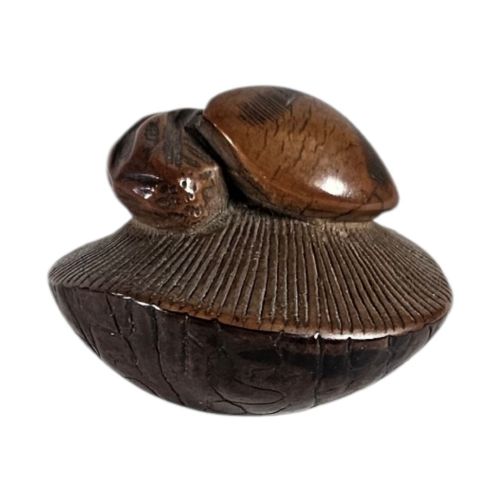
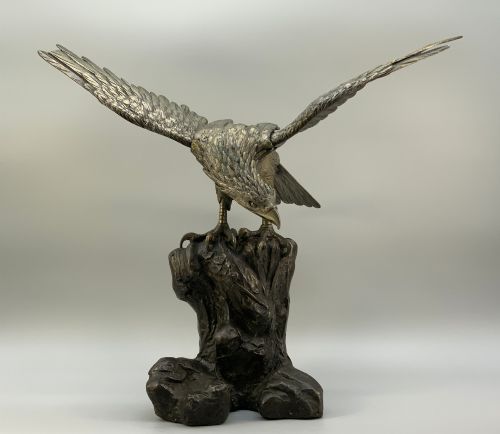
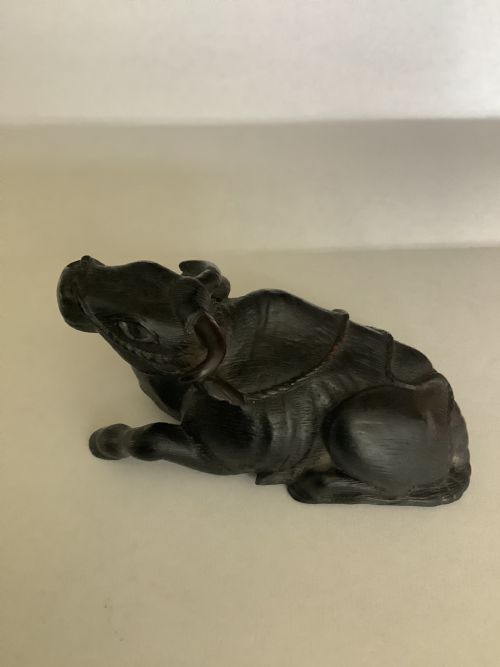
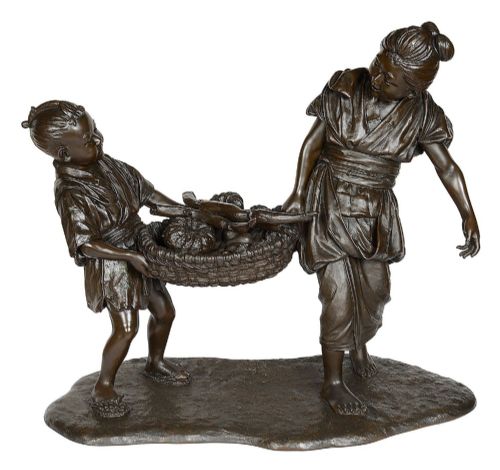
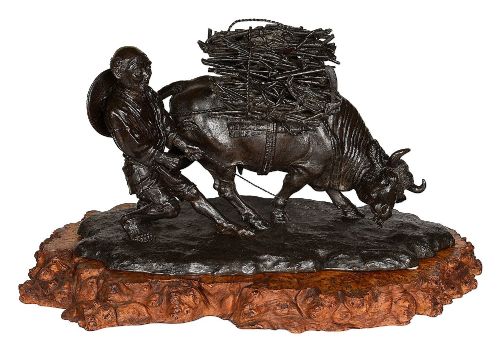
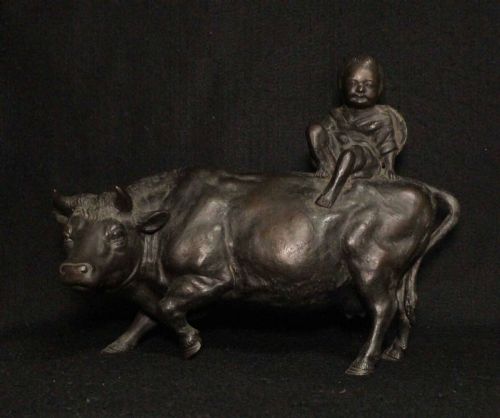
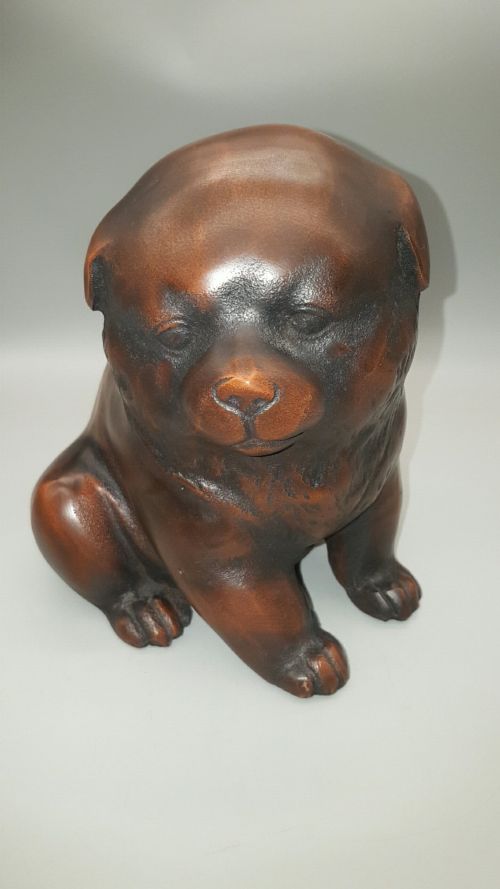
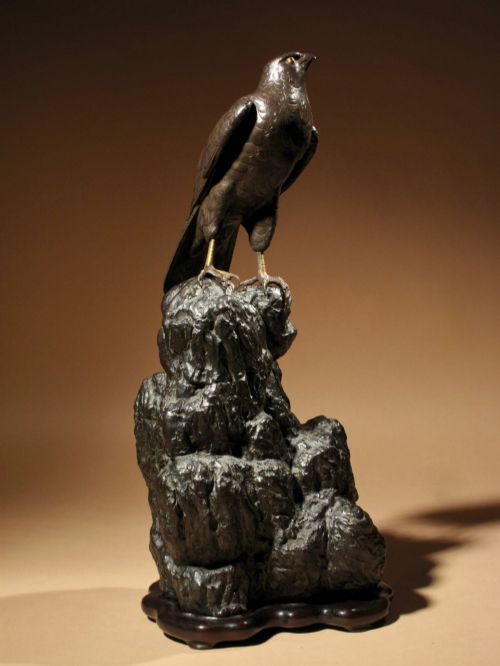
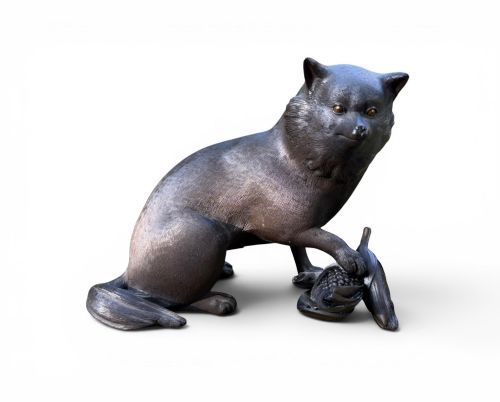
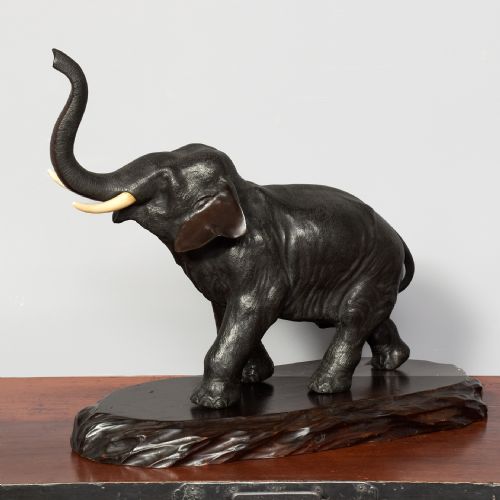
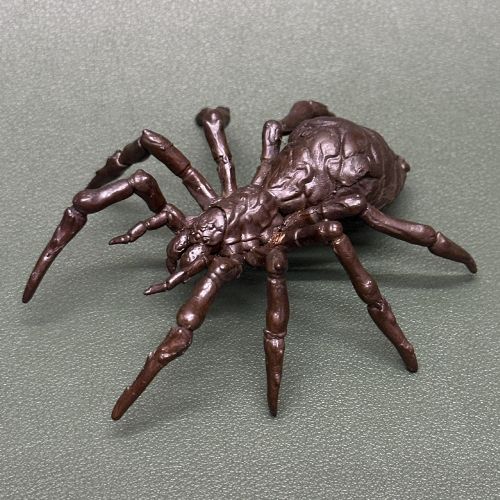
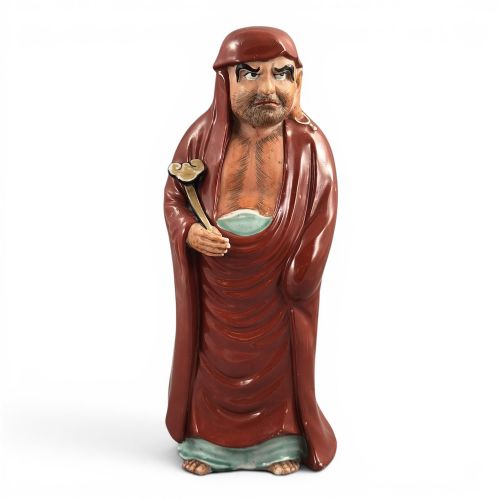
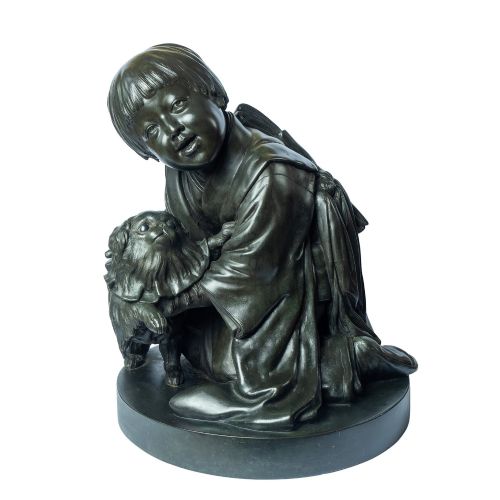
A japanese okimono sculpture is a freestanding object meant for display in a traditional interior setting rather than for ritual use. The forms seen here include human figures, scholars, deities, and animals ranging from birds and insects to larger mammals.
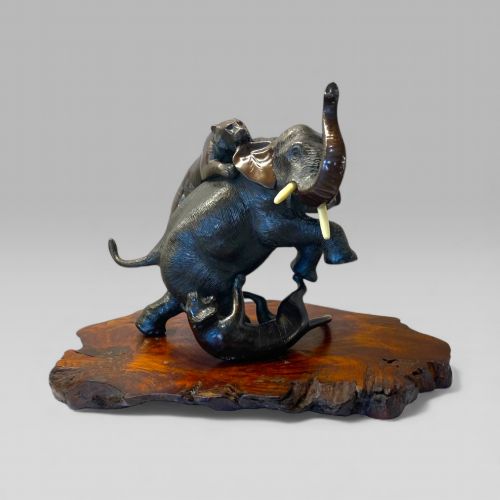
Most examples originate from the Meiji period and the nineteenth century, reflecting a peak in detailed metalwork and carving. Figures such as Daruma, monkeys, elephants, and tigers appear frequently across the available inventory.
Works span small cabinet-sized carvings up to large garden figures, executed by skilled makers working in bronze, wood, ivory, and porcelain.
How They Were Made
Bronze pieces are cast, often using lost-wax methods, then patinated and sometimes detailed with mixed metals like shakudo or gold leaf. Iron, gold, and silver accents add contrast to the dark metal surfaces.
Wooden items are carved from boxwood, hardwood, bamboo, or stag antler, showing precise hand-tool marks and naturalistic textures. Porcelain and earthenware figures rely on moulded or hand-formed clay bodies finished with glaze or enamel.
The inventory spans the Edo, Meiji, and Showa periods.
What Varies in Quality
Quality rests on the precision of the carving or casting and the realism achieved in the subject matter. Finer works display complex musculature, articulated joints, and distinct facial expressions.
Signatures by recognised artists or master workshops elevate a piece, as do complex compositions involving multiple interacting figures, such as animals in combat or detailed human groups.
Jomi Eisuke·Tsunemitsu·Shosai·Kaniya Kuniharu·Makuzu Kozan II·Tomochika·Kizan·Unno Shomin·Kabuki Shumei
The Japanese Okimono Sculpture Glossary
- Okimono
- An ornamental object or sculpture for display in a Japanese home. These pieces are intended to be placed on a shelf or in a tokonoma alcove.
- Meiji Period
- A historical era spanning from 1868 to 1912. This period marks a major opening of Japanese arts to Western collectors.
- Shakudo
- A Japanese alloy of copper and gold that turns a dark blue-black or purple colour when treated. It is frequently used for fine decorative inlay.
- Netsuke
- A small carved toggle fastened to the end of a cord attached to a small pouch or box. They are closely related to okimono but serve a specific fastening function.
Japanese Okimono Sculpture: Frequently Asked Questions
What is an okimono used for?
These sculptures serve strictly as decorative display items rather than functional vessels or religious implements. They are placed within living spaces to be appreciated closely for their artistic detail and subject matter.
Historically, they were placed in a reception room or display alcove to reflect seasonal themes or the refined tastes of the household.
How do I identify a Meiji period piece?
Meiji period works generally date between 1868 and 1912, a time when Japanese metalworkers and carvers achieved extreme naturalism. They often feature intricate surface textures, patinated bronze, or complex mixed-metal inlay.
Signatures or artisan marks incised into the base or body frequently point to this active era of production.
Are these sculptures signed by the artist?
Many examples carry a signature, seal, or maker's mark carved directly into the wood, cast into the bronze base, or painted on the ceramic surface. These signatures range from simple two-character marks to detailed biographical inscriptions.
Not every authentic piece is signed, as unsigned works were also produced in quantity by skilled anonymous workshops.
How should I clean bronze okimono?
Bronze sculptures require only gentle dusting with a soft, dry cloth to prevent the accumulation of grit. Avoid using water, polishes, or chemical cleaners that can strip away the original patination.
Keeping the piece in a stable environment away from excess moisture will help preserve the metal finish over time.