
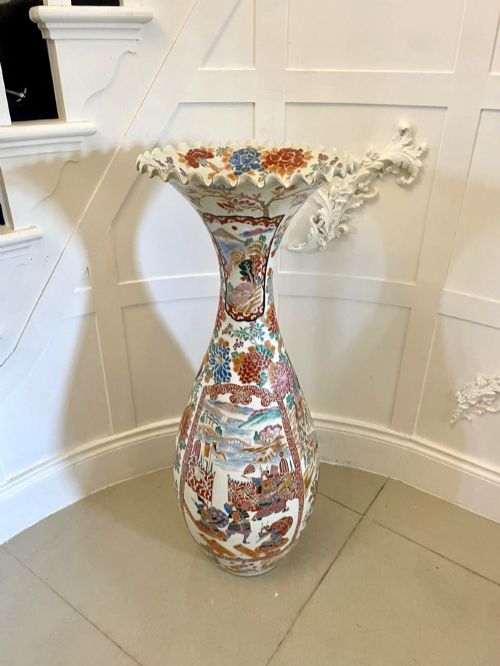
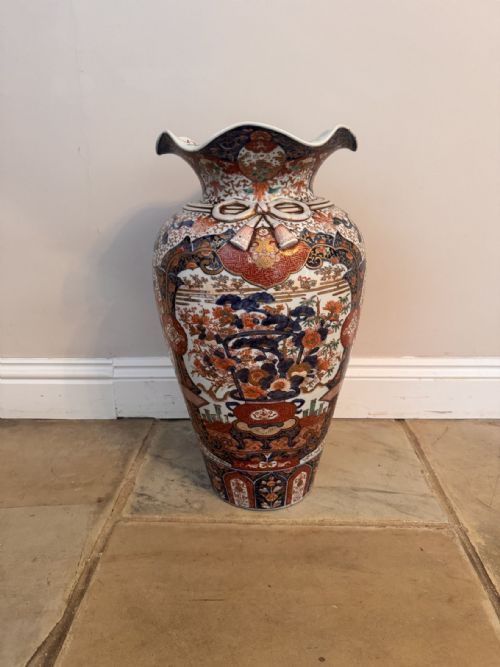
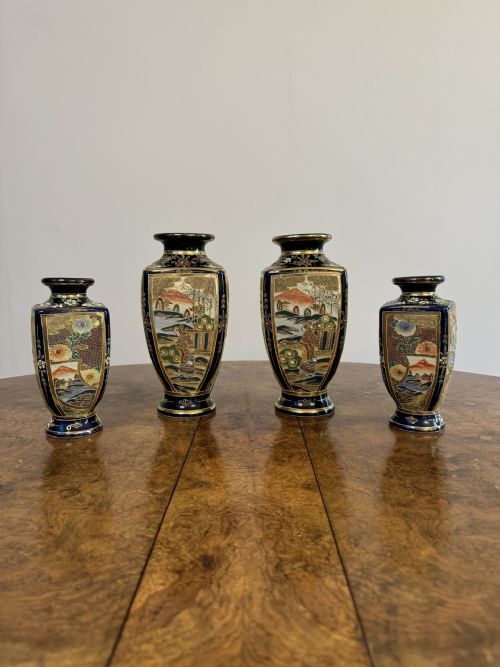
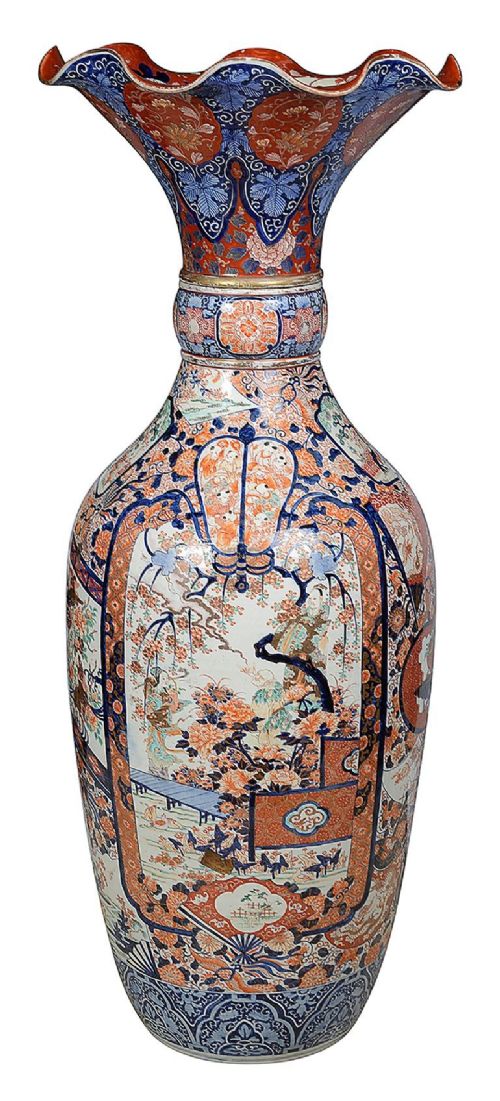
Japanese Meiji Porcelain Vase
When you search for a japanese meiji porcelain vase, you enter a field defined by nineteenth-century craftsmanship, rich enamel palettes, and distinct regional styles.
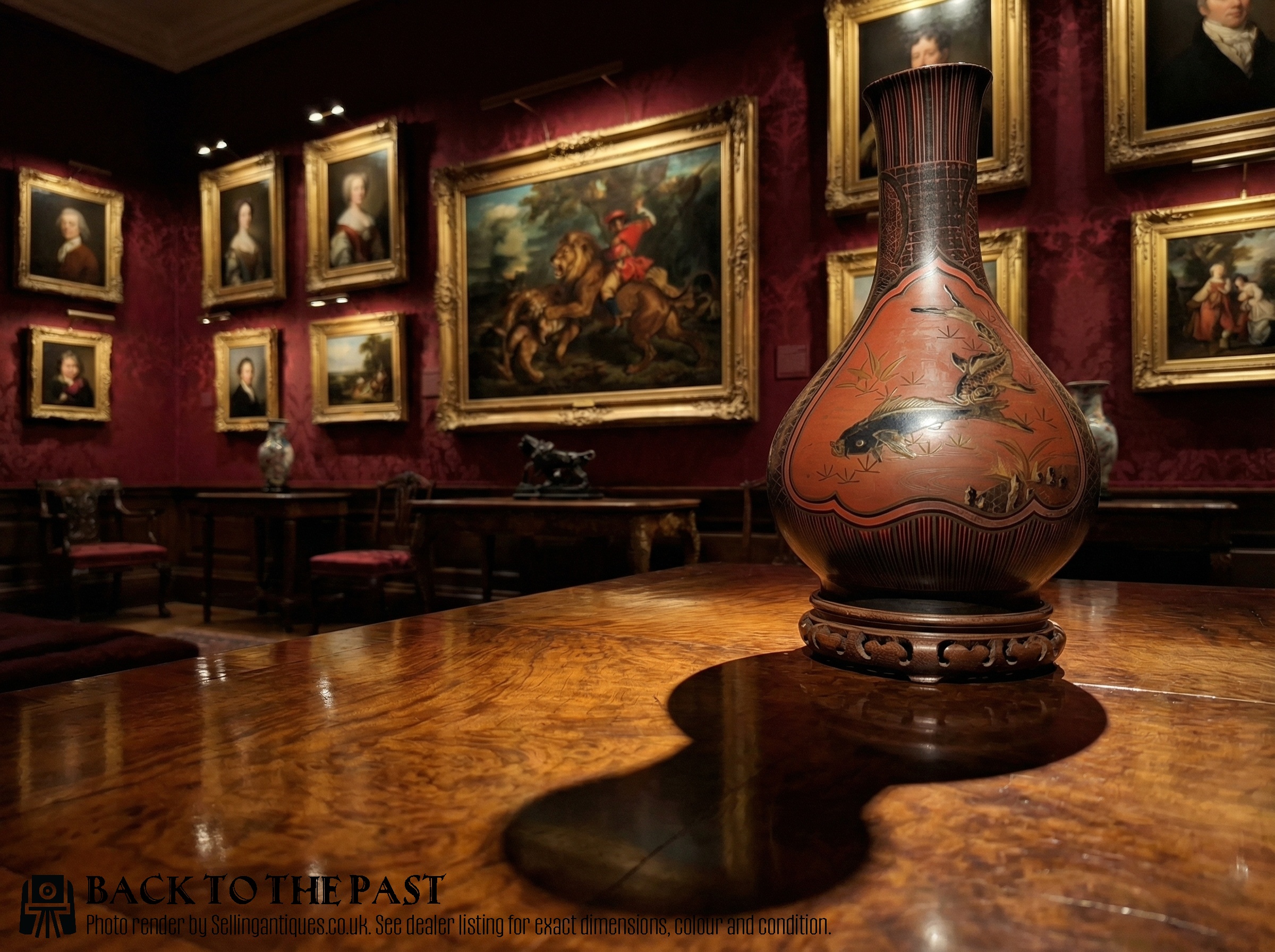
Japanese Meiji Porcelain Vase
A japanese meiji porcelain vase encompasses pieces made during the Meiji period, spanning the late nineteenth and early twentieth centuries, though many items overlap with Victorian and early twentieth-century dates.
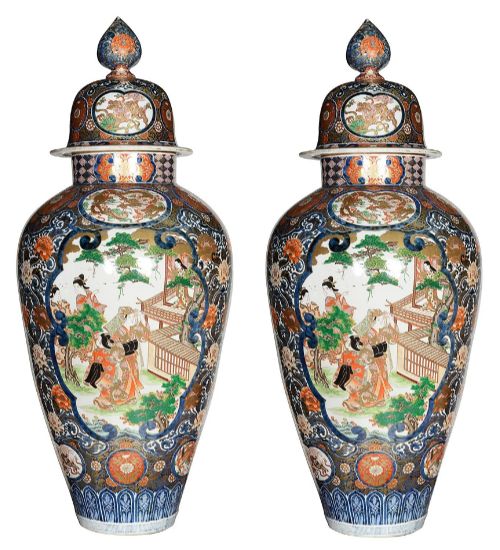
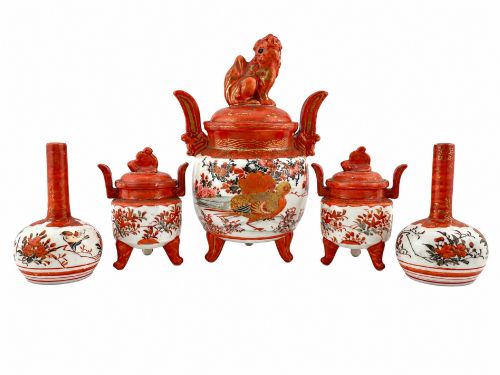
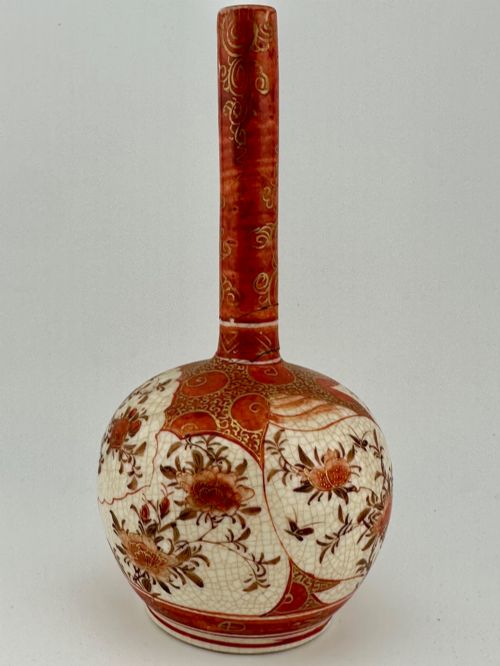
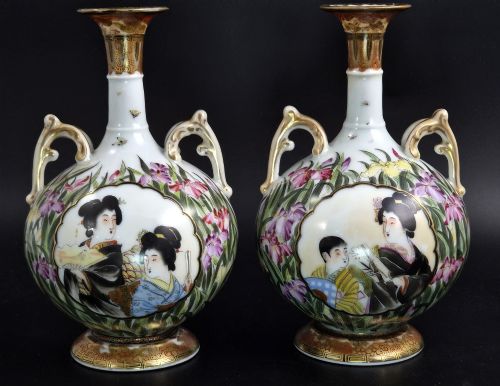
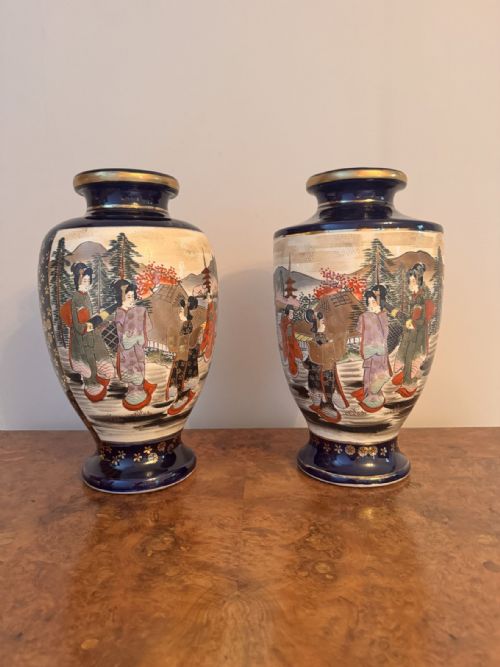
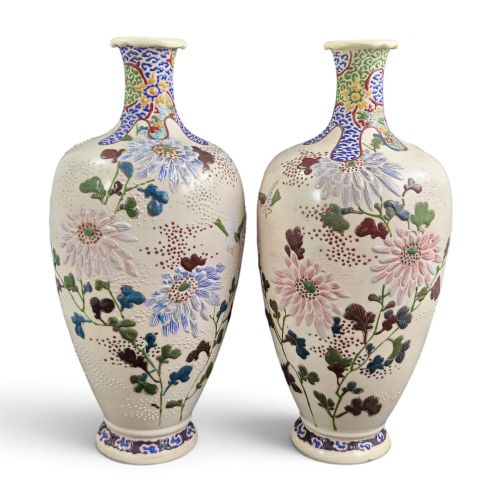
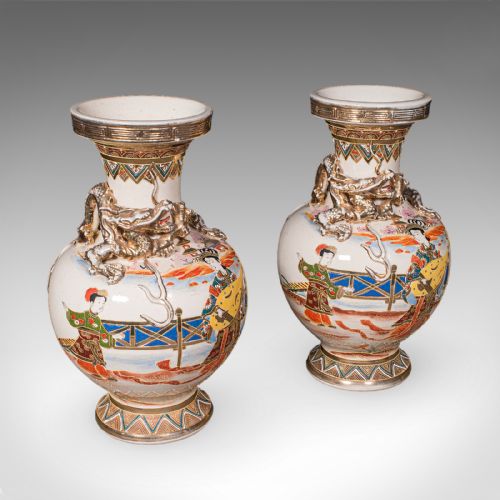
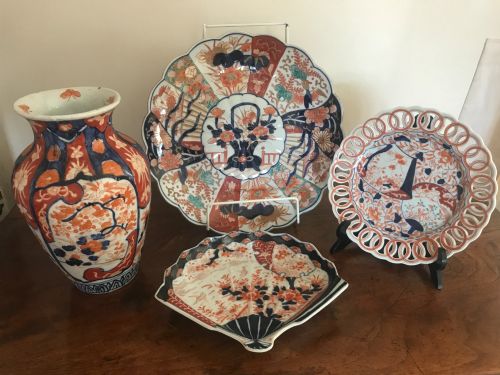
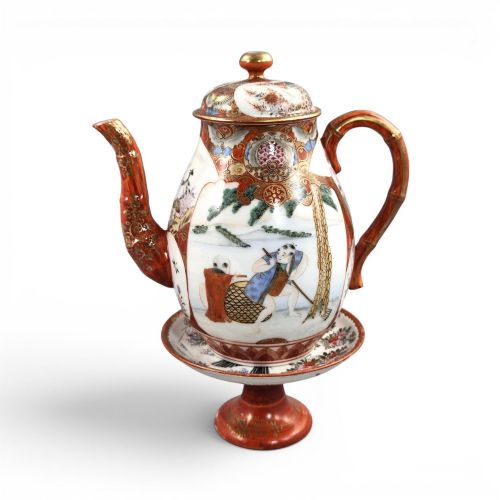
Buyers frequently encounter robust Imari palettes, finely painted Satsuma wares, and detailed Kutani pieces ranging from small cabinet vessels to monumental floor-standing items.
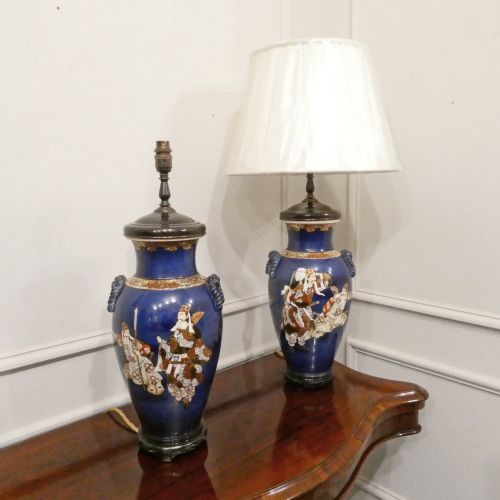
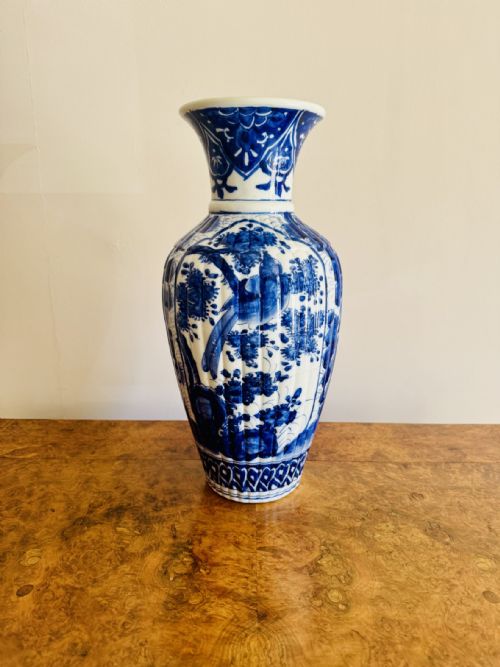
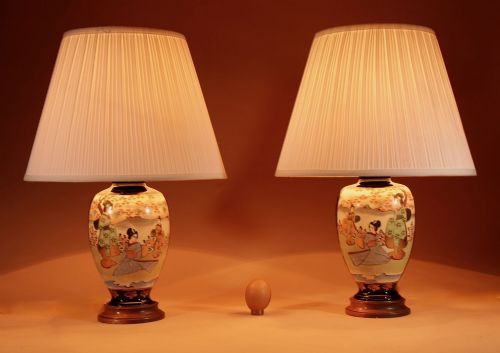
Forms vary widely from traditional baluster shapes and double gourds to ginger jars, garnitures, and specialised table lamps adapted from original ceramic bodies.
Materials and Construction
Potters utilised fine ceramic bodies including white porcelain, eggshell porcelain, and earthenware, often finished with intricate enamel decoration, glaze, and gold leaf highlights.
Decoration techniques combined hand-painted pigments with specialised regional firing methods originating from kilns in centres such as Arita, Kyoto, and Kutani.
Listings feature porcelain, earthenware, enamel, and gold leaf applied across nineteenth-century and early twentieth-century forms.
Judging Quality and Execution
Quality rests upon the precision of the hand-painted brushwork, the depth and control of the enamel colours, and the purity of the underlying ceramic body.
Greater artistic investment appears in named workshop pieces, balanced proportions on large floor vases, and the crisp rendering of complex motifs like figures, dragons, and floral panels.
Kinkōzan Kyoto·Hotoda·Makuzu Kozan·Kato Sanhei·Koransha·Kusube Sennosuke·Eizaemon Fukagawa
The Japanese Meiji Porcelain Vase Glossary
- Imari
- A traditional Japanese decorative style utilising deep underglaze blue and iron red, frequently enriched with gold leaf overglaze. This palette dominates many nineteenth-century export wares found today.
- Satsuma
- An earthenware or porcelain body decorated with fine polychrome enamels and crackle glaze, often featuring figural scenes and intricate gilding. Pieces from Kyoto workshops represent notable examples.
- Kutani
- A style of Japanese ceramic identified by bold, colourful enamel designs dominated by greens, blues, purples, and yellows. The tradition includes both figurative subjects and detailed natural motifs.
- Meiji Period
- The era of Japanese history lasting from 1868 to 1912, corresponding closely to late Victorian and Edwardian periods in Britain. Items from this time display a surge in elaborate export production.
- Baluster
- A vertical vase form characterised by a rounded body that tapers toward the base and swells slightly at the neck. This shape provides a stable and classic canvas for painted panels.
Japanese Meiji Porcelain Vase: Frequently Asked Questions
How do I identify a Meiji period vase?
Look for a combination of nineteenth-century production dates, traditional Japanese export motifs, and specific regional characteristics like Imari palettes or Satsuma crackle glazes. Maker signatures and workshop marks often appear on the base.
Material composition also offers clues, ranging from translucent porcelain to dense earthenware bodies decorated with hand-applied gold leaf and colourful enamel pigments.
What is the difference between Imari and Satsuma?
Imari pieces use a porcelain body with a distinct palette centred on underglaze blue, iron red, and gilt highlights. They are generally durable and were produced in large quantities for export.
Satsuma items typically feature a creamy earthenware body covered in a fine crackle glaze, painted with dense figurative scenes, historical figures, and elaborate gold work.
Are these vases suitable for everyday use?
Most antique examples function primarily as decorative objects, garnitures, or focal points within a room. Their delicate enamels and historic status mean they require careful placement away from high-traffic areas.
Some larger vessels serve as floor vases or have been historically converted into table lamps, integrating them into modern interiors while preserving the ceramic body.
How should I clean my antique vase?
Dust the surface gently with a soft, dry brush or a microfiber cloth to prevent accumulation without disturbing fragile enamels or gold leaf. Avoid liquid cleaners, chemical sprays, or immersion in water.
If the piece has an open interior that requires attention, use a slightly damp cloth only on unpainted areas, ensuring the ceramic dries completely afterwards.