

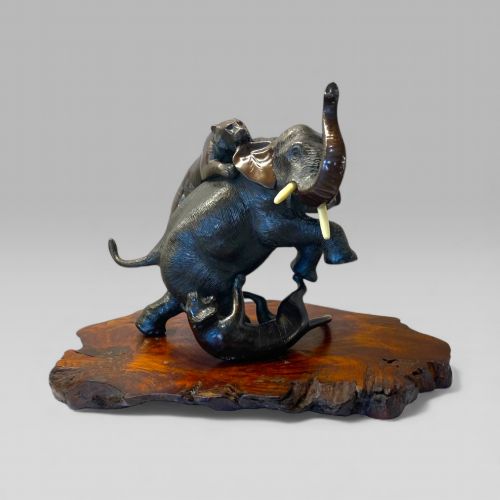


Japanese Meiji Okimono
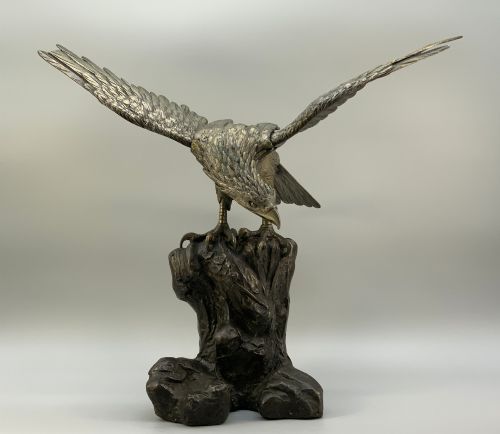
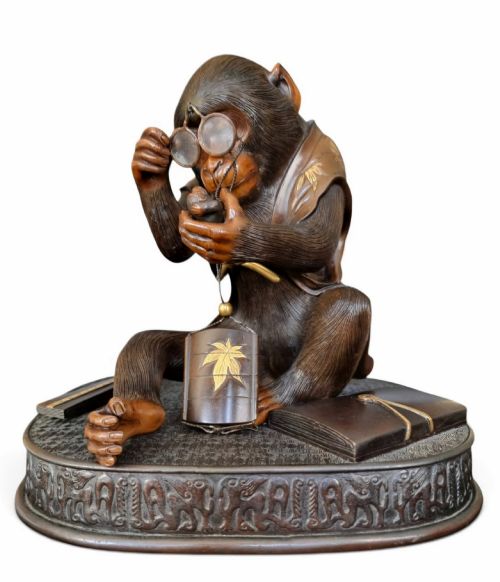
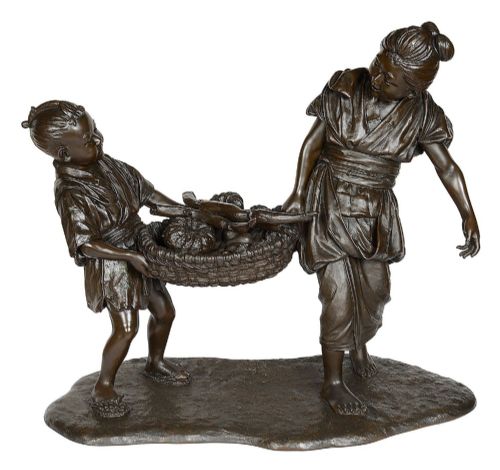
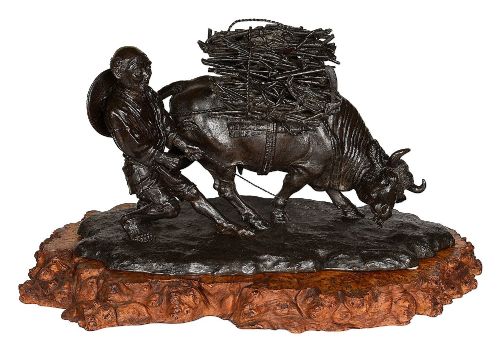
These Japanese Meiji okimono are decorative standing sculptures and figures crafted for display, bringing intricate Meiji craftsmanship and animal or human forms directly into a collection.
Japanese Meiji Okimono
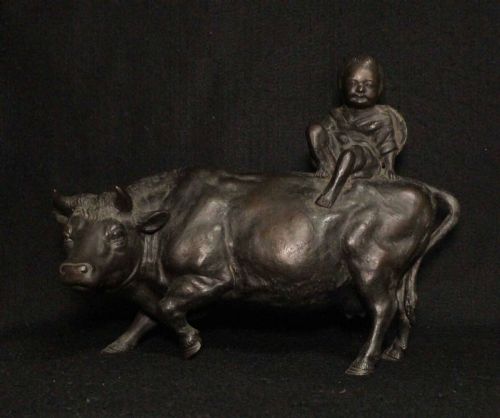
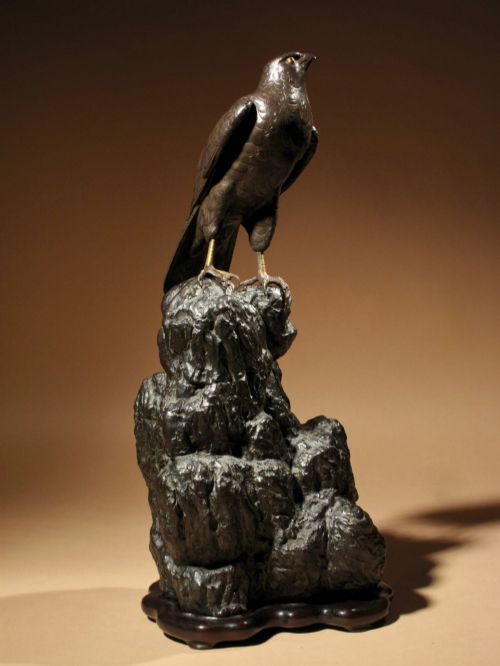
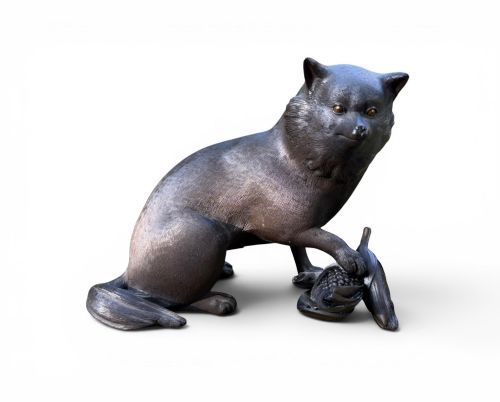
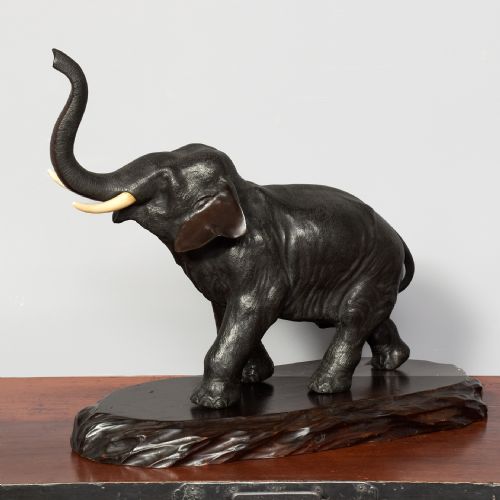
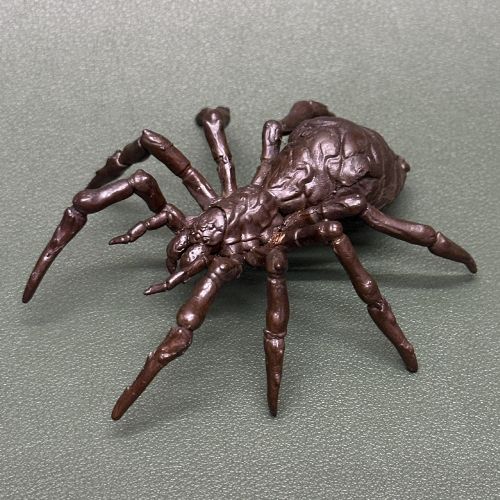
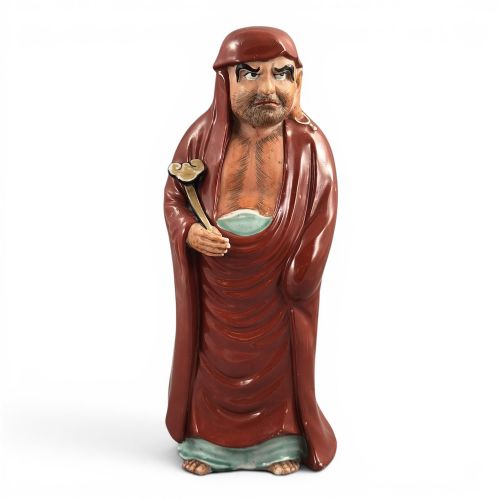
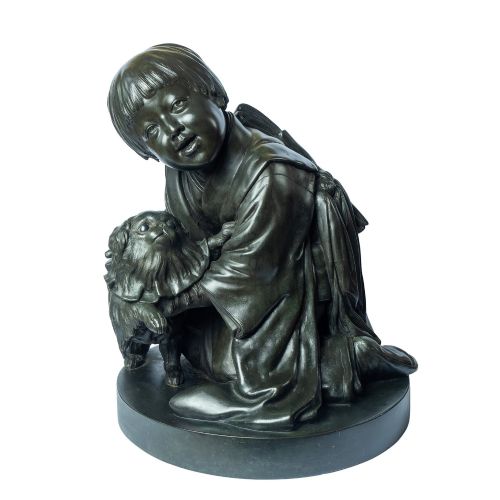
A japanese meiji okimono is a standalone sculpture or figurine created during the late nineteenth and early twentieth centuries for interior display rather than functional use. The selection spans diverse subjects, capturing human figures, legendary deities, and a wide array of fauna from insects and birds to large mammals.
Bronze forms dominate the offerings, frequently appearing alongside carved wood, boxwood, bamboo, and porcelain figures from kilns like Hirado and Kutani. Pieces range from intimate tabletop animal studies to large garden sculptures and complex multi-figure groups.
Most examples originate from the Meiji period spanning the late nineteenth century into the early decades of the twentieth century, with occasional pieces bridging the late Edo period. These decorative works showcase the distinct aesthetic shifts of an era when Japanese metalworkers and carvers catered to both domestic and international patrons.
How They Were Made
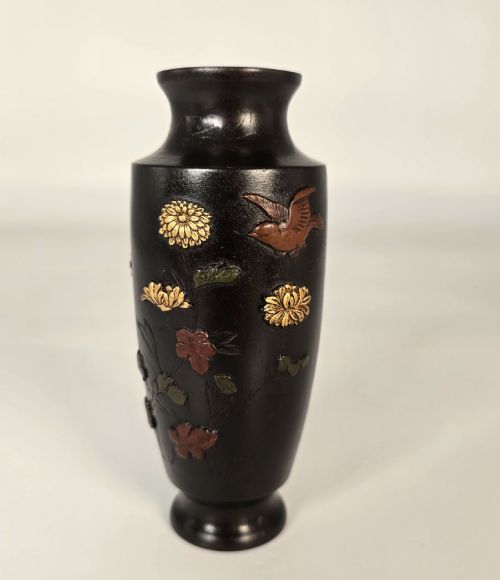
Bronze okimono were cast using traditional lost-wax methods, often incorporating patinated finishes, mixed-metal elements, and gold inlay or gold leaf details. Many animal subjects feature articulated joints that move realistically, demonstrating advanced foundry skill.
Carved pieces rely on dense natural materials such as boxwood, bamboo, hardwood, and stag antler, shaped with fine hand tools to reveal intricate textures and facial expressions. Porcelain figures utilise regional kiln traditions, combining hand-painted enamel decoration with glazed or biscuit porcelain surfaces.
Listings feature works spanning the nineteenth and early twentieth centuries, encompassing bronze, wood, porcelain, and enamel materials.
What Varies in Quality
Quality rests upon the precision of the casting or carving and the naturalism of the subject matter, whether depicting human anatomy or the muscle tension of a tiger. Superior works display confident proportions and subtle surface patination that highlight the underlying material.
Signed pieces by noted artists and established foundries command greater attention, showing meticulous detail in elements such as feathers, fur, and articulated limbs. Lesser examples often feature simplified textures, rigid postures, and coarser finishing.
Jomi Eisuke·Masaaki·Kaniya Kuniharu·Makuzu Kozan II·Tomochika·Kizan·Seiunsai Miyamoto Sei·Unno Shomin·Maruki Company·Genryusai Seiya·Takamura Koun·Nogami Ryuki·Ryomin·Hideyama
The Japanese Meiji Okimono Glossary
- Okimono
- Japanese freestanding decorative sculpture or figurine intended for display in a traditional tokonoma alcove or room. These objects range from small netsuke-like carvings to large bronze animal figures.
- Patinated Bronze
- Metal alloy treated with chemical solutions to produce a controlled surface colour or aged finish. This technique enhances the visual depth and texture of sculptural subjects.
- Articulated
- Designed with movable joints or sections that allow parts of the sculpture to pose flexibly. This mechanical complexity is particularly prized in metal insects and marine creatures.
- Shakudo
- A traditional Japanese dark-coloured billon alloy of copper and a small amount of gold that develops a deep purple-black patina. It is frequently utilised for fine decorative accents on mixed-metal works.
- Netsuke
- Small carved toggle fastener used to secure a pouch or container to a kimono sash, often sharing stylistic overlaps with smaller okimono.
Japanese Meiji Okimono: Frequently Asked Questions
What is a japanese meiji okimono?
A japanese meiji okimono is a decorative standing sculpture or carving produced in Japan during the late nineteenth and early twentieth centuries. These pieces were designed purely for display in interior settings.
They depict a wide variety of subjects, including human figures, mythical deities, and naturalistic animal studies rendered in bronze, wood, ivory, and porcelain.
How were these sculptures displayed?
In traditional Japanese interiors, okimono were placed in a tokonoma alcove or on low tables to be appreciated up close. They served as focal points for seasonal decoration and contemplation.
Today, collectors display them on desks, shelves, or dedicated cabinets where their fine details can be easily examined.
How do I identify a signed piece?
Many master sculptors and workshops inscribed their signatures or seals directly onto the base, underside, or back of the bronze and wood figures. These signatures often appear as engraved characters or inlaid metal plaques.
Researching the specific kanji characters helps attribute the work to a known artisan or casting company from the period.
What materials are most common?
Patinated bronze is the most frequently encountered material, often enhanced with mixed metals, silver, or gold inlay. Carved wood, particularly boxwood and hardwood, forms another major category.
Porcelain figures from regional kilns and occasional bamboo or stag antler carvings also appear within the tradition.