
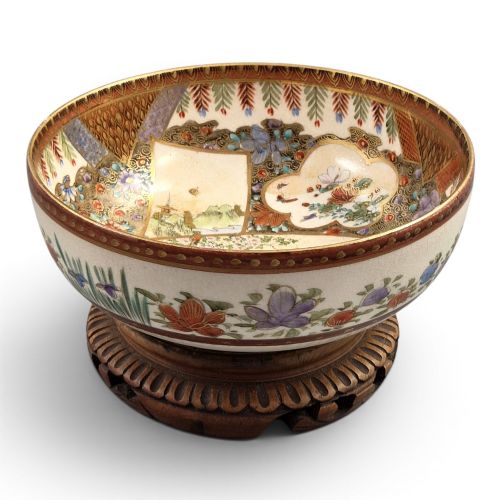


Japanese Meiji Enamelware
Japanese meiji enamelware comprises vibrant, intricately wired vessels and decorative plates created during a transformative era of metalwork and design.
Japanese Meiji Enamelware
When you search for japanese meiji enamelware, you encounter a selection of vases, decorative bowls, chargers, and lidded jars spanning the late nineteenth and early twentieth centuries. These objects reflect the sophisticated craftsmanship of the Meiji period and related Asian antique styles.
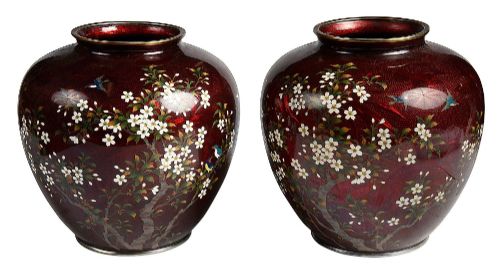
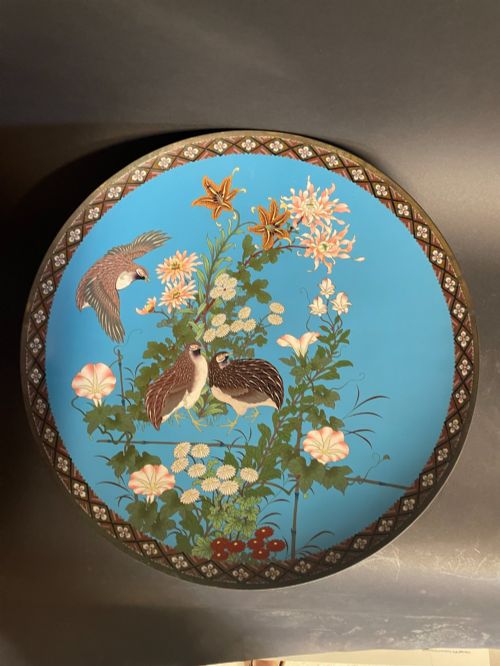
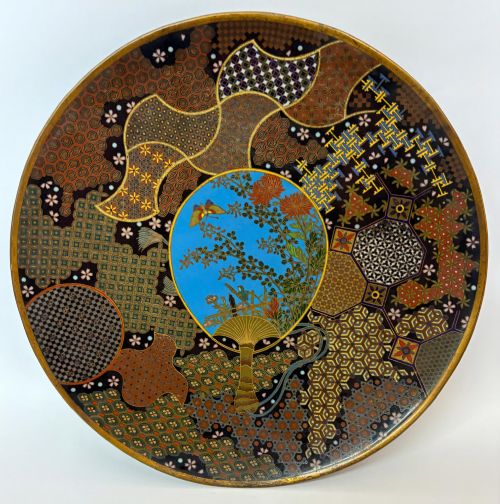
Vessels and chargers dominate the selection, often decorated with motifs of birds, flowers, dragons, and landscapes. The forms range from large octagonal trays to hanging boat koro, capturing the diverse output of Japanese workshops.
Materials and production methods
Maker workshops utilised copper, brass, and bronze as foundations for enamel application, often shaping bodies into jars, plates, and vases. Metal wire delineated intricate patterns across the surface before coloured enamel pastes filled each individual cell.
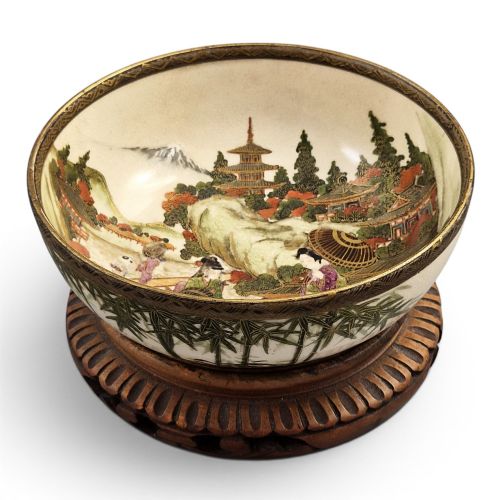
Specialised techniques included cloisonné enamel and champlevé, alongside silver wire work and ginbari translucent red enamel with basse-taille effects. Gold leaf and earthenware also appeared in related Satsuma pieces from the period.
A frog occasionally shares space with chrysanthemums and butterflies on the surface of a masterwork charger.
Distinctions in quality
Quality rests upon the precision of the wirework and the uniformity of the enamel surface. Masterpieces display crisp detail in complex subjects such as dragons, samurai, and detailed flora without pitting or distortion in the fired glaze.
Signed pieces by known makers and workshops demonstrate superior artistic control and refined composition compared to unmarked commercial output. The complexity of the design, from simple landscapes to elaborate multi-coloured imagery, dictates the grade of the piece.
Gyokkō·Kozan·Ando Jubei
The Japanese Meiji Enamelware Glossary
- Cloisonné enamel
- A metalworking technique where thin metal wires form raised barriers on a vessel body to contain coloured glass pastes before firing.
- Charger
- A large decorative plate intended for display rather than table service.
- Koro
- A traditional incense burner featuring a perforated lid or cover.
- Ginbari
- A textured foil backing applied beneath translucent enamel to create shimmering patterned depth.
- Champlevé
- An enamelling method where troughs are carved directly into a thick metal base to hold the coloured paste.
Japanese Meiji Enamelware: Frequently Asked Questions
How do I identify meiji period enamelware?
Look for dense wirework, copper or brass bases, and traditional motifs such as birds, dragons, and chrysanthemums. Many fine examples date from the late nineteenth century.
Examine the surface for signature marks or specialised techniques like ginbari and champlevé which indicate period production.
Were chargers used for dining?
Chargers function primarily as large decorative plates intended for display on walls or stands rather than serving food.
Their substantial size provided artisans with a wide canvas for elaborate scenes involving dragons, samurai, and natural landscapes.
What is a hanging boat koro?
A hanging boat koro is an incense burner shaped like a traditional watercraft designed to be suspended by chains.
These unusual vessels combine metalwork and enamel decoration to create functional items for interior fragrance.
How should I care for antique enamelware?
Dust surfaces gently with a soft, dry cloth and avoid harsh chemical cleaners or abrasive materials.
Keep pieces away from direct sunlight and extreme temperature shifts to protect the integrity of the metal and glass glaze.